Wednesday, September 25, 2013

Using sunlight or shadow in reflected ultraviolet photography

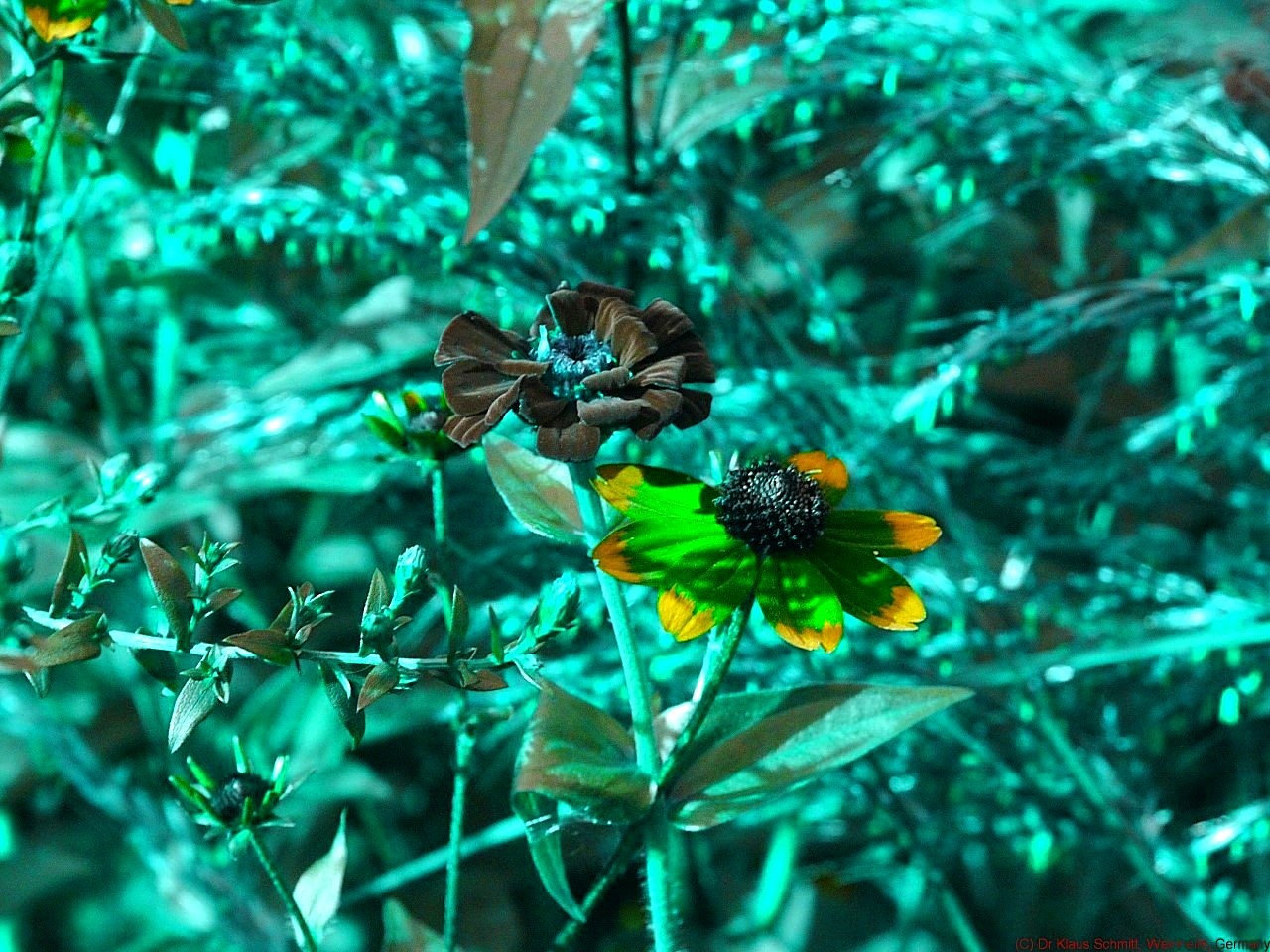
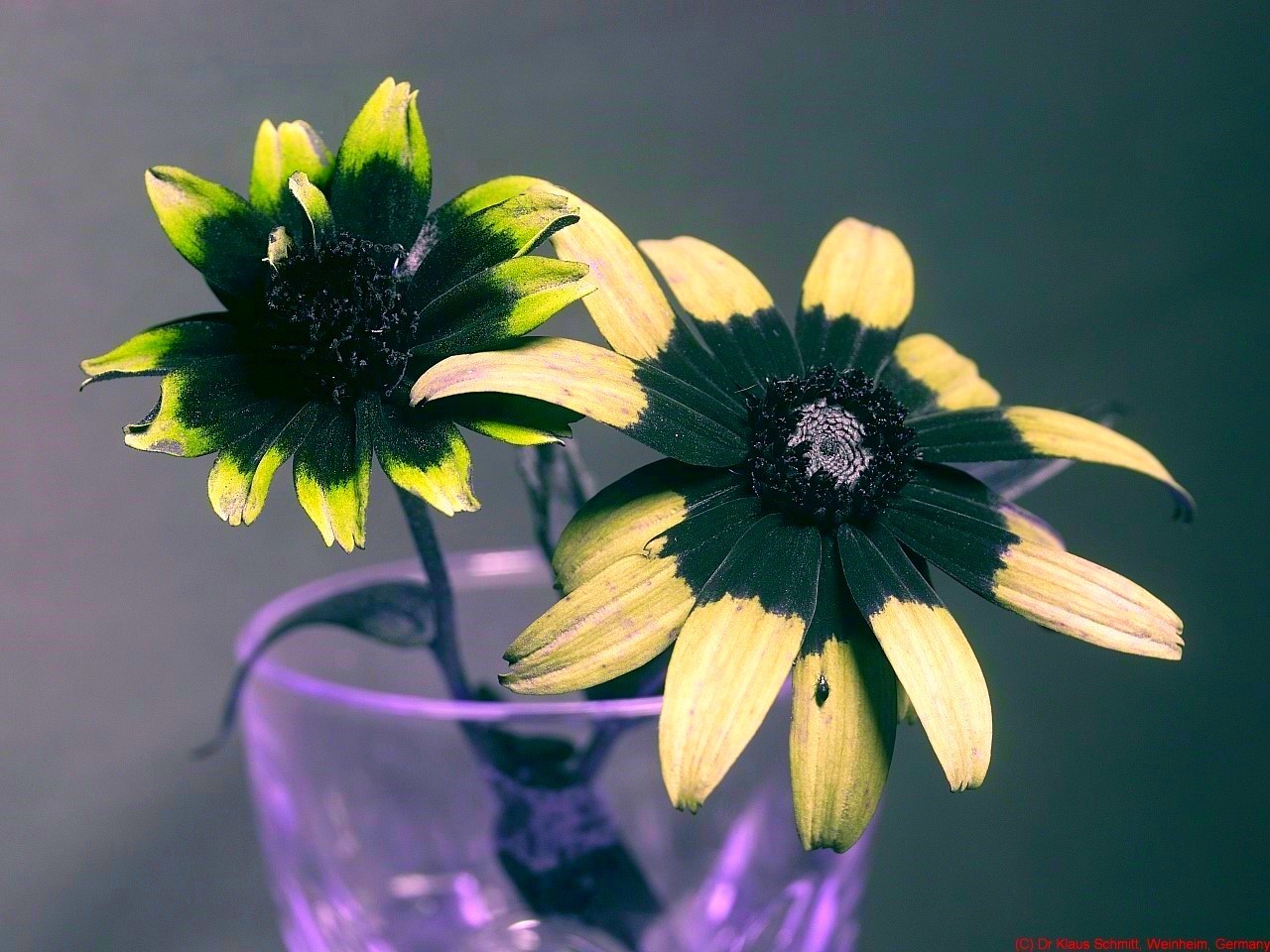
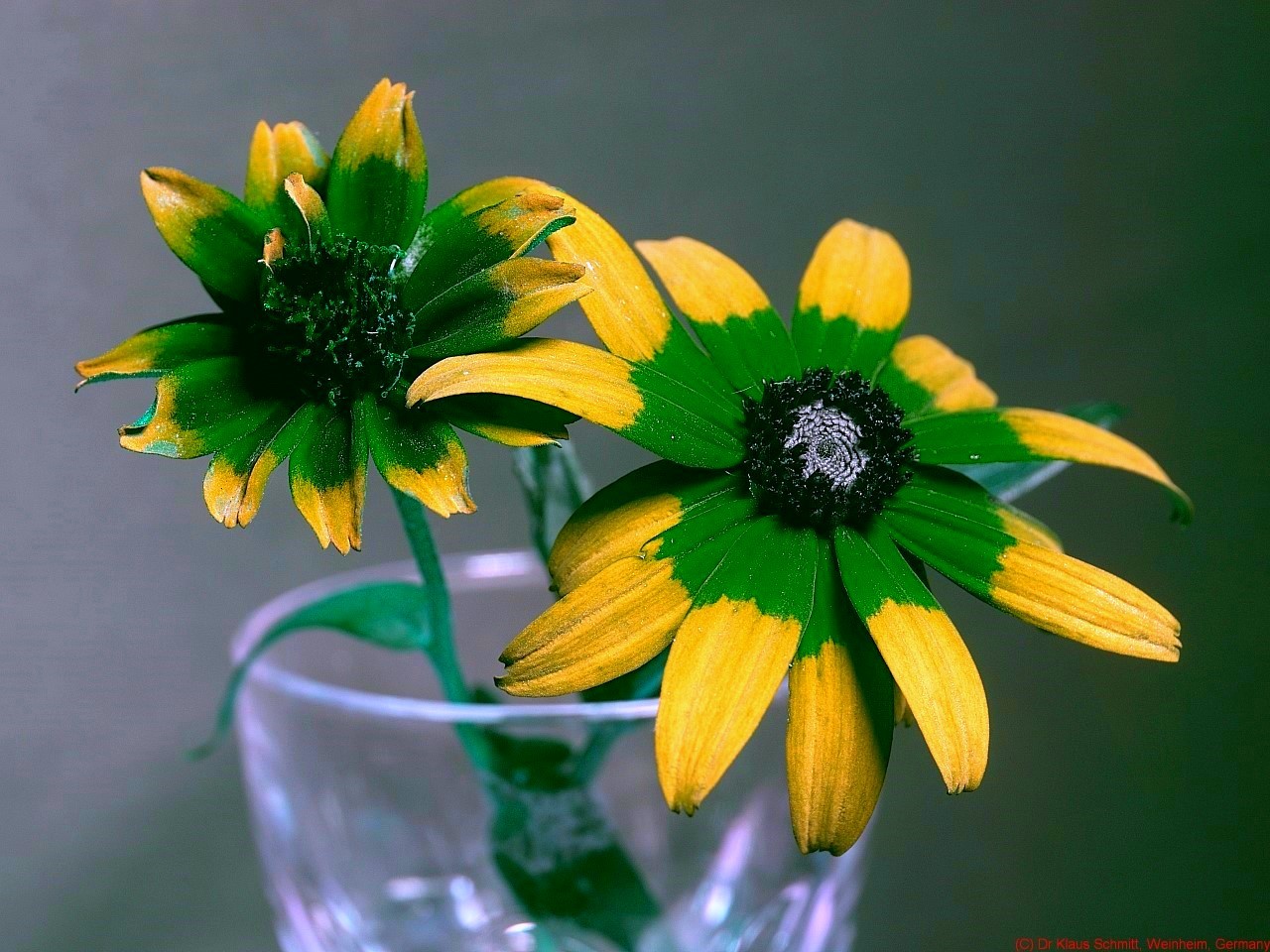
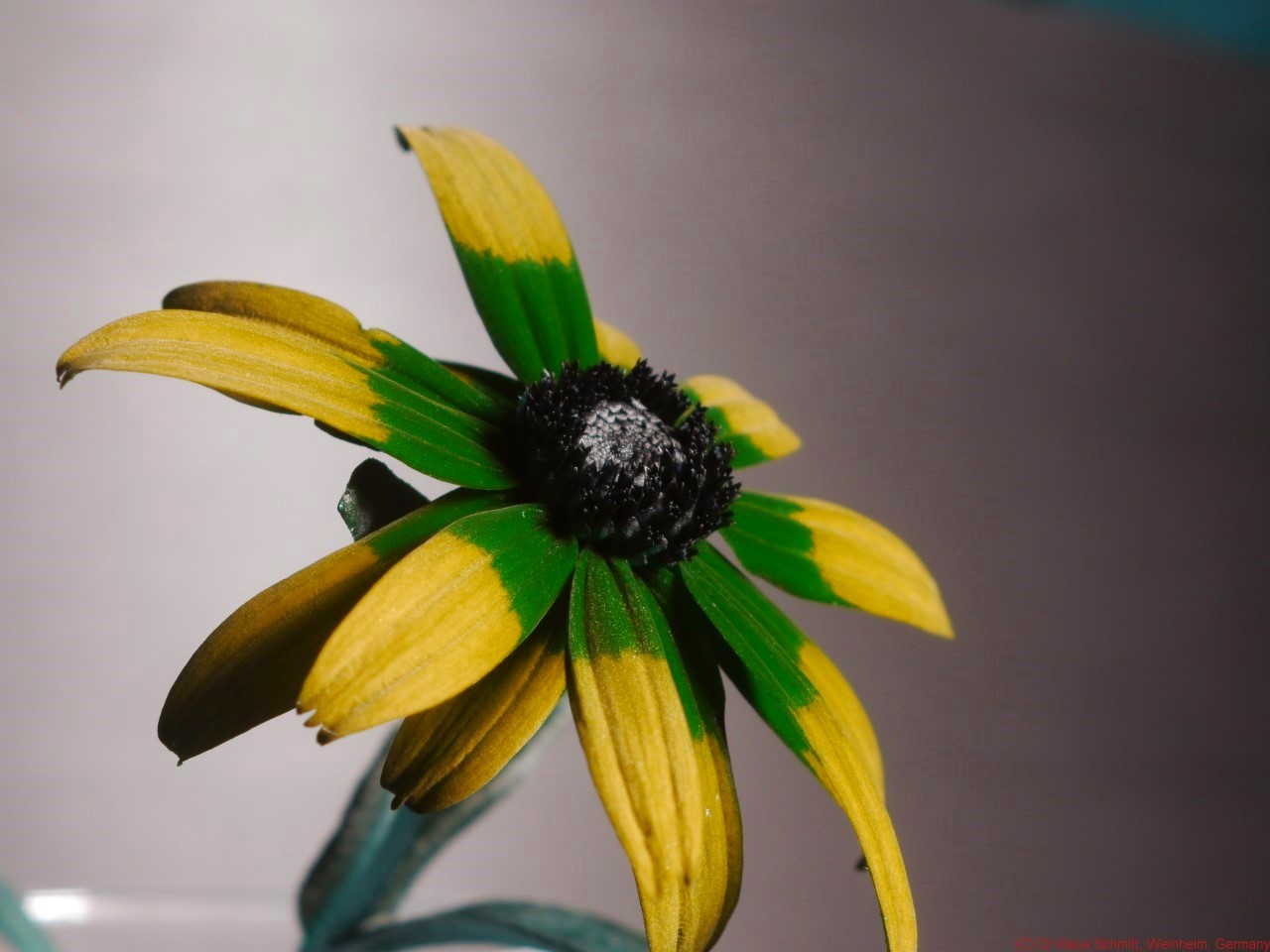
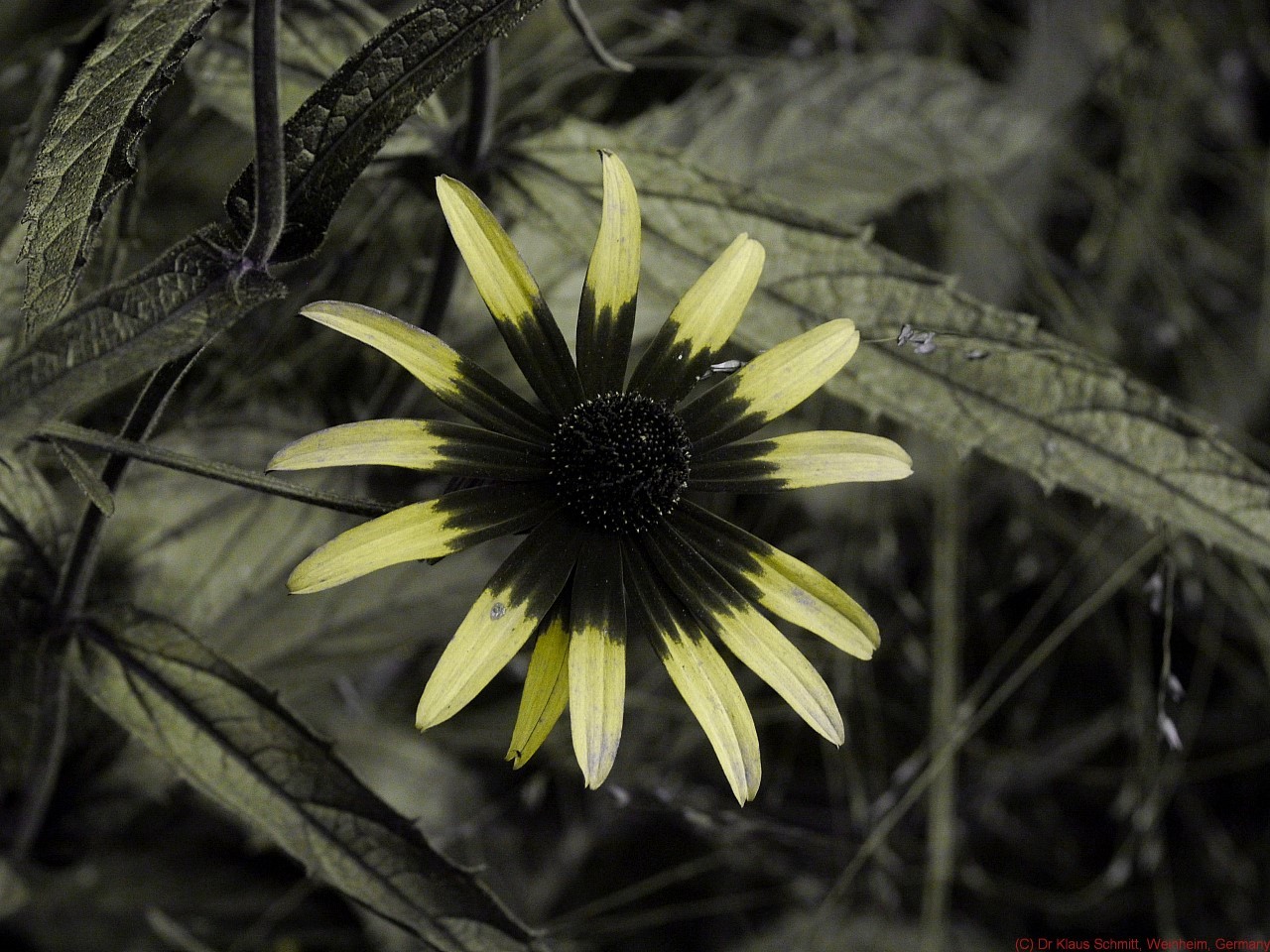
Today shots of a R. fulgida flower, but is about some principle observations when doing reflected ultraviolet photography in sun or shadow. I was using my "work horse" UV filter, the Baader-U filter. Lens was my CERCO 94mm quartz flourite lens. Light source was sunlight resp. shadow / blue sky at around 1800 hours (early evening). All shots were done at about f5.6.

[click on image to see a larger one]

Visible light image - Sunlight  

UV image using Baader-U filter (approx. 320-395nm, effective peak approx. 375nm) - Sunlight:  
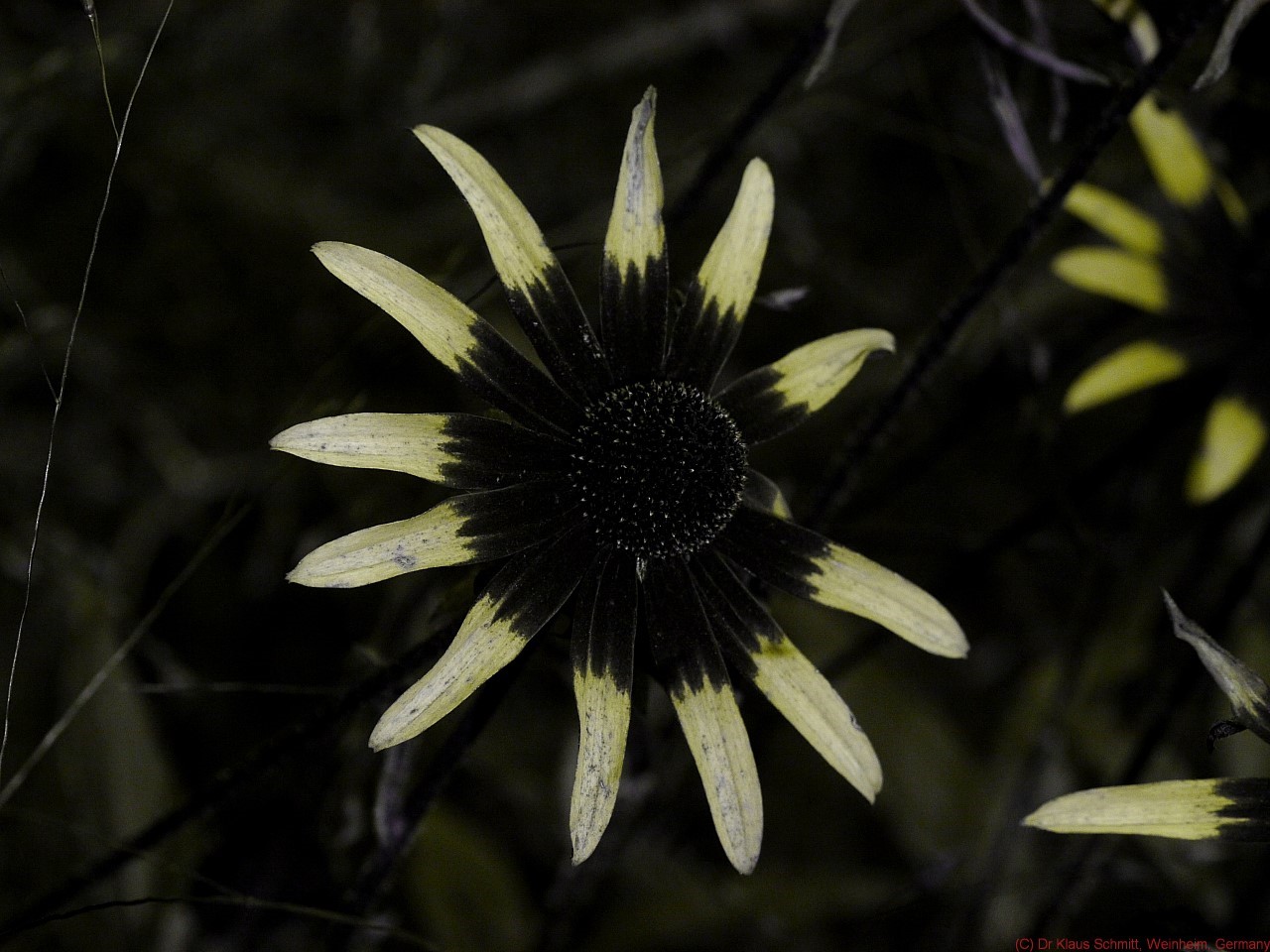
Visible light image - Shadow  
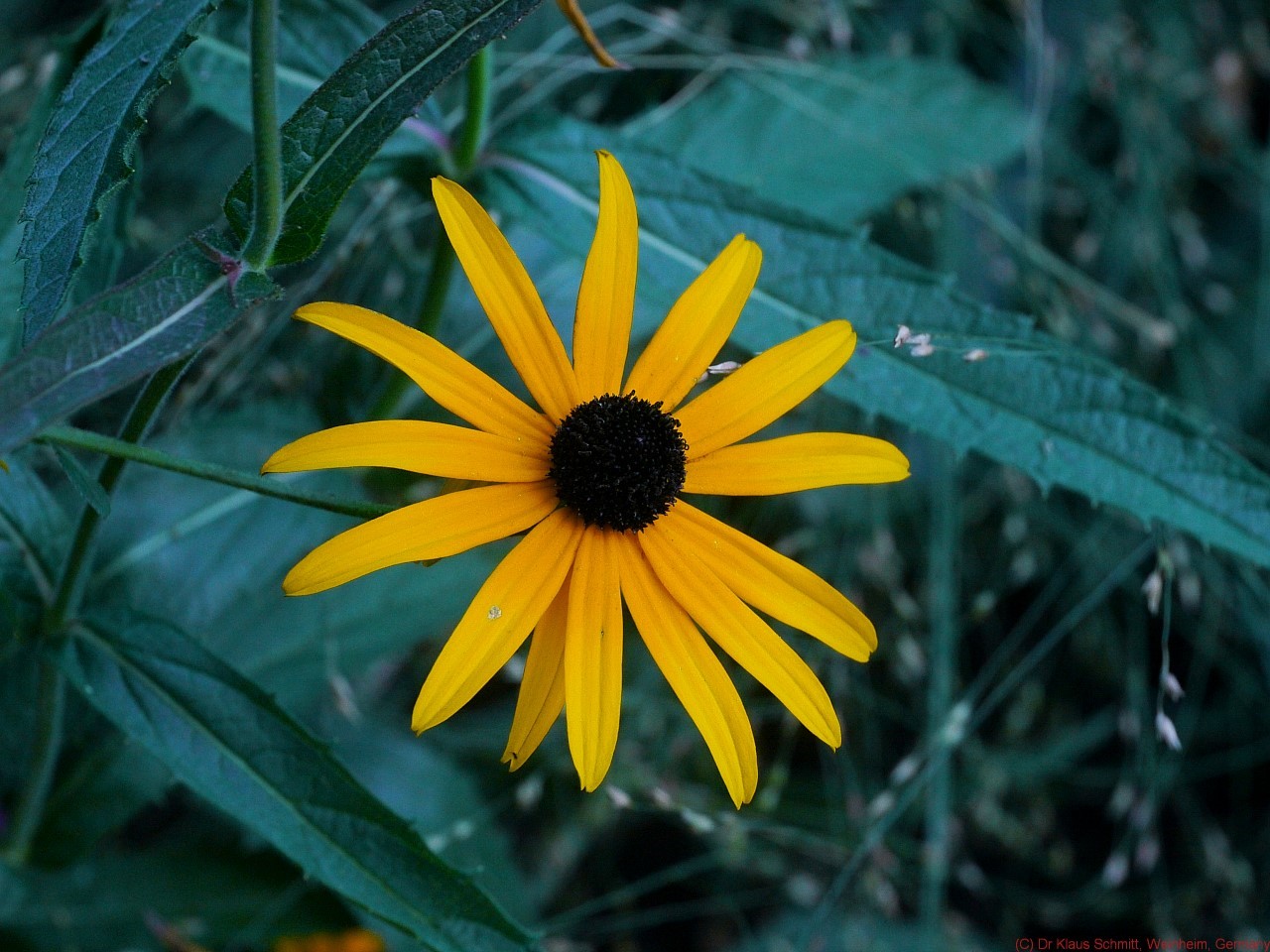
UV image using Baader-U filter (approx. 320-395nm, effective peak approx. 375nm) - Shadow:  
Quadriptych of the above images for comparison:  
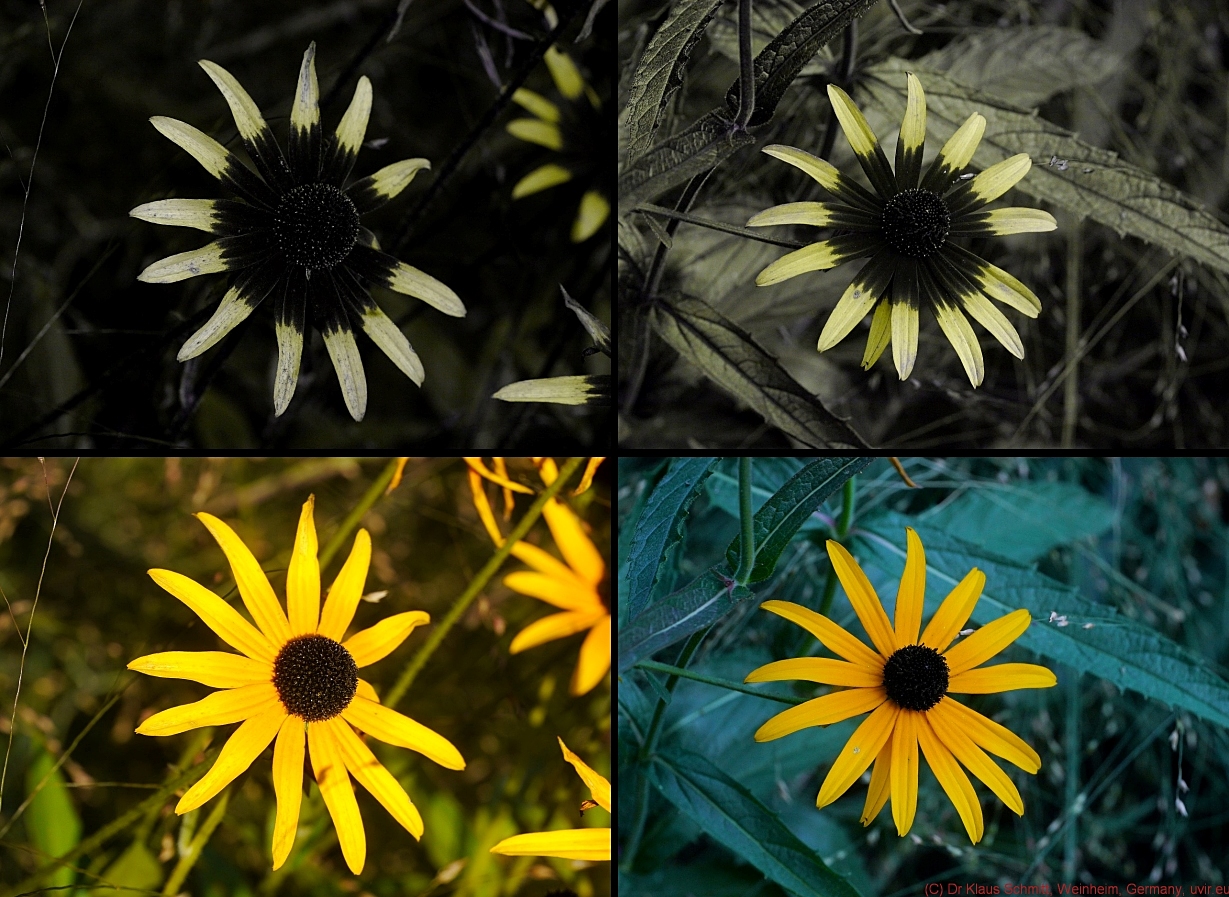
Quadriptych of the above images for comparison (detail):  
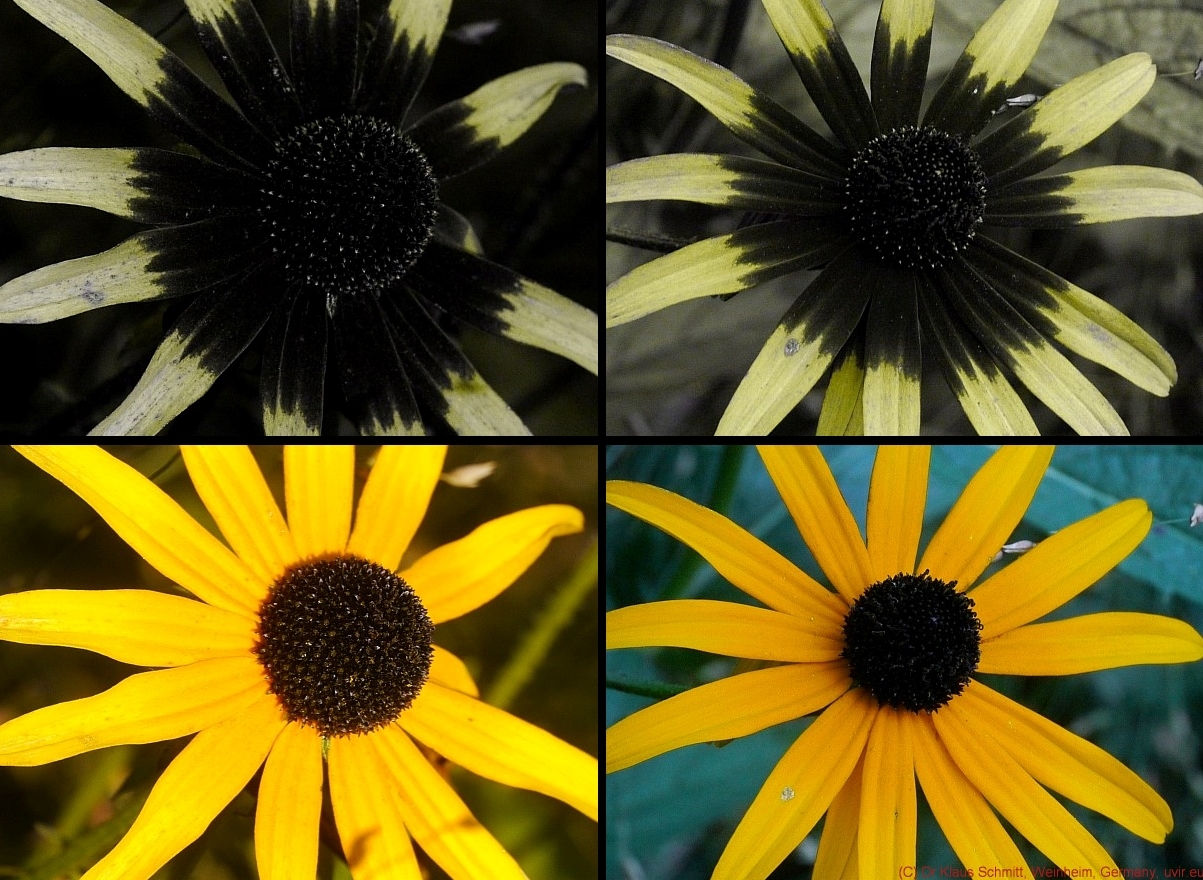

I had the rare chance to find about identically looking R. fulgida flowers just a few centimeters apart, one in sunlight and one in shadow, when I noticed how different the UV results looked like. Comparing the images taken in sunlight or in shadow (blue sky being the only UV source), the latter UV image shows much clearer details and more even exposure. It comes at a steep difference however, 2.5EV (stops) more the shadow image took.


Stay tuned, more will follow on that fascinating subject...

Autumn crocus - Colchicum autumnale in reflected ultraviolet photography and simulated bee vision

Today shots of a decorative flower, Autumn crocus - Colchicum autumnale in reflected ultraviolet photography using my "work horse" UV filter, the Baader-U filter as well as in simulated bee vision using my XBV6 filter. Lens was my CERCO 94mm quartz flourite lens. Light source was sunlight. All shots were done at about f5.6.

[click on image to see a larger one]

Visible light image  

UV image using Baader-U filter (approx. 320-395nm, effective peak approx. 375nm):  

Simulated bee vision image using experimental XBV filter:  

Triptych of the above images:  


Colchicum flowers have no specific UV pattern, reflect hardly any UV, but still are able to see them in blue and green, and this gets nicely visible.


Stay tuned, more will follow on that fascinating subject...

Black Cohosh - Cimicifuga racemosa in reflected ultraviolet photography and simulated bee vision

Today shots of a decorative flower, Black Cohosh - Cimicifuga racemosa in reflected ultraviolet photography using my "work horse" UV filter, the Baader-U filter as well as in simulated bee vision using my XBV6 filter. Lens was my CERCO 94mm quartz flourite lens. Light source was sunlight. All shots were done at about f5.6.

[click on image to see a larger one]

Visible light image  

UV image using Baader-U filter (approx. 320-395nm, effective peak approx. 375nm):  

Simulated bee vision image using experimental XBV filter:  

Triptych of the above images:  


Cimicifuga flowers (inflorescence) have no very specific UV pattern, but reflect UV brightly around 380nm, and this gets nicely visible.


Stay tuned, more will follow on that fascinating subject...

Tuesday, September 24, 2013

Mexican Zinnia - Zinnia haagenea in reflected ultraviolet photography and simulated bee vision XVI

Today more shots of a different type of that decorative flower, Mexican Zinnia - Zinnia haagenea in reflected ultraviolet photography using my "work horse" UV filter, the Baader-U filter as well as in simulated bee vision using my XBV6 filter. Lens was my CERCO 94mm quartz flourite lens. Light source was sunlight. All shots were done at about f5.6. I have previously written about those Zinnias HERE.

[click on image to see a larger one]

Visible light image  

UV image using Baader-U filter (approx. 320-395nm, effective peak approx. 375nm):  

Simulated bee vision image using experimental XBV filter:  

Triptych of the above images:  


Mexican Zinnia flowers have a very specific UV pattern. Their petals are very UV dark in the middle and bottom, but their petal tips are very UV bright, reaching much deeper into UV as any other flower I know (< 345nm), and all this gets nicely visible in this presentation.


Stay tuned, more will follow on that fascinating subject...

Three-leaved Coneflower - Rudbeckia triloba and Zinnia in reflected ultraviolet photography and simulated bee vision III

Here comparative shots of that decorative Three-leaved Coneflower - Rudbeckia triloba and a red Zinnia flower in reflected ultraviolet using Baader-U filter and in simulated bee vision using my XBV6 filter. Lens was my CERCO 94mm quartz flourite lens. Light source was sunlight. All shots were done at about f5.6.

[click on image to see a larger one]

Visible light image  

UV image using Baader-U filter (approx. 320-395nm, effective peak approx. 375nm):  

Simulated bee vision image using experimental XBV filter:  

Triptych of the above images:  


This attractive R. triloba flower has a very specific UV pattern, its petals are bright on the petal tips (reflecting around 365nm), have a UV dark bullseye pattern invisible to us humans and also the flower center is quite UV dark. Compared to that that bright red Zinnia flower (to us humans), looks rather dull and dark in UV, except some central parts, so all this gets nicely visible.

I have previously written about that flower HERE.

Stay tuned, more will follow on that fascinating subject...
Wednesday, September 18, 2013

Orange coneflower - Rudbeckia fulgida and Mexican Zinna - Zinnia haageana in reflected ultraviolet photography and simulated bee vision

Today more shots of these decorative flowers Orange coneflower - Rudbeckia fulgida var deamii and Mexican Zinnia - Zinnia haageana in reflected ultraviolet using Baader-U filter and in simulated bee + butterfly vision using my experimental XBV3 and XBV6 filters. Lens was my CERCO 94mm quartz flourite lens. Light source was Xenon flash. All shots were done at f8.

[click on image to see a larger one]

Visible light image:  

UV image using Baader-U filter (approx. 320-395nm, effective peak approx. 375nm):  

Simulated butterfly vision image using experimental XBV3 filter:  

Simulated bee vision image using experimental XBV6 filter:  

Quadriptych of the above images:  


These attractive flower show very specific UV patterns, their petals have an UV dark pattern middle to base with UV bright petal tips, Zinnia reflecting around 340nm, Rudbeckia around 360nm, both invisible to us humans. All this gets nicely visible.

I have previously written about these flowers HERE and HERE.

Stay tuned, more will follow on that fascinating subject...

Tuesday, September 17, 2013

Orange coneflower - Rudbeckia fulgida in reflected ultraviolet photography and simulated bee vision VII

Today more shots of that decorative flower Orange coneflower - Rudbeckia fulgida var deamii in reflected ultraviolet using Baader-U filter and in simulated bee vision using my XBV6 filter. Lens used was an older f3.5/40mm enlarger lens. Light source was Xenon flash. All shots were done at f8.

[click on image to see a larger one]

Visible light image:  

UV image using Baader-U filter (approx. 320-395nm, effective peak approx. 375nm):  

Simulated bee vision image using experimental XBV filter:  

Triptych of the above images:  


This attractive flower shows its very specific UV pattern, its petals have an UV dark pattern, invisible to us humans. The lens being just an older enlarger lens, it transmits a little less UV (up to 340nm) than a capable UV lens like the Dialyte lenses used previously, but quite enough to make the UV pattern visible.

I have previously written about this flower HERE.

Stay tuned, more will follow on that fascinating subject...