Sunday, January 14, 2018

Winter Jasmine - Jasminum nudiflorum in reflected ultraviolet photography and simulated butterfly and bee vision V

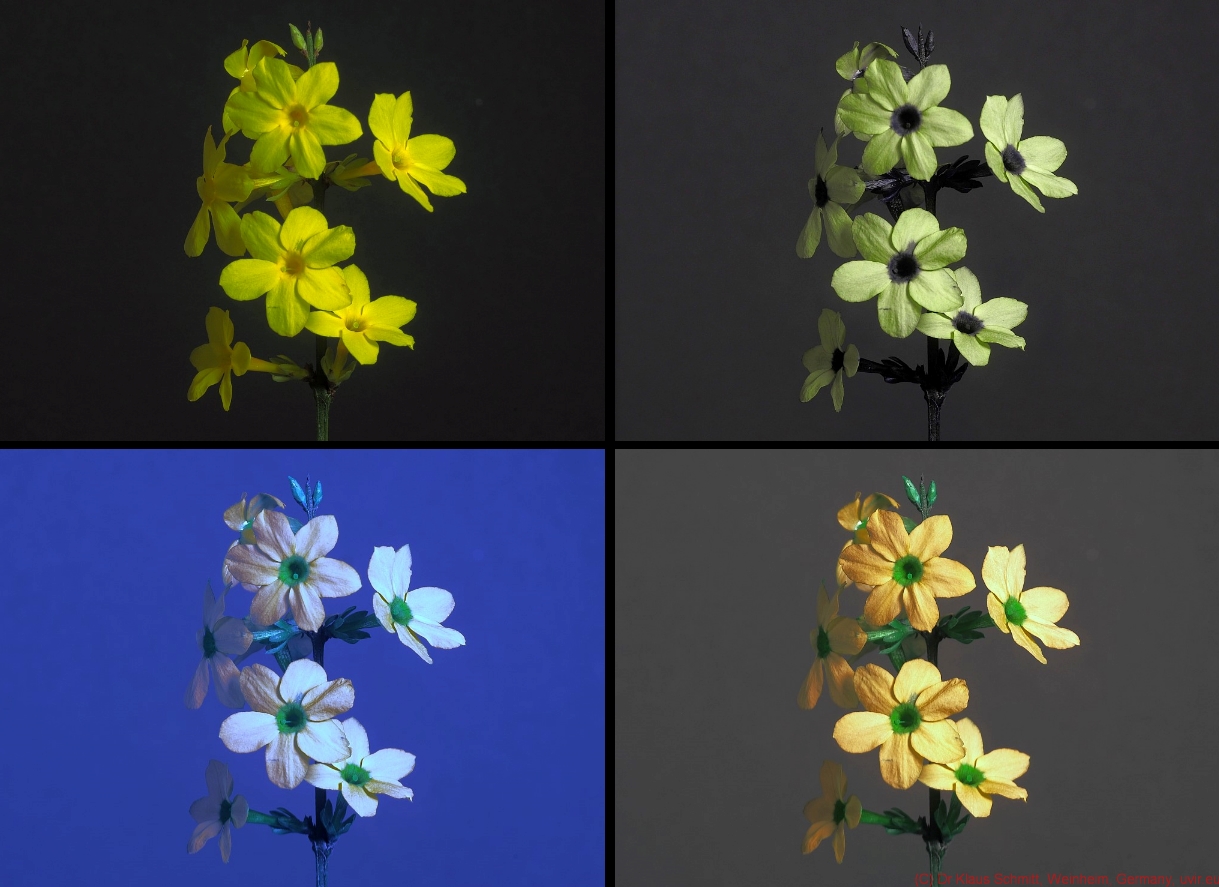
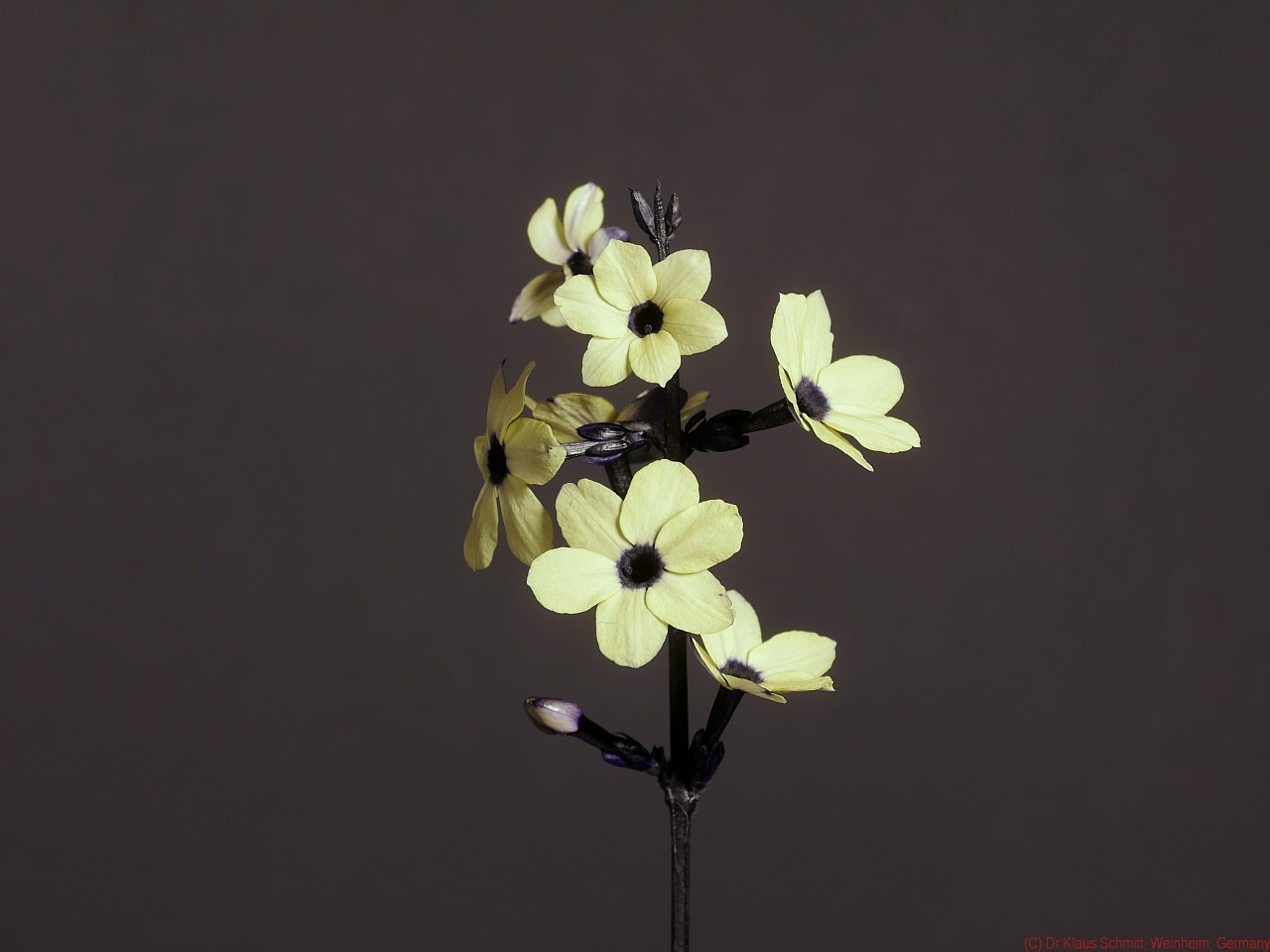
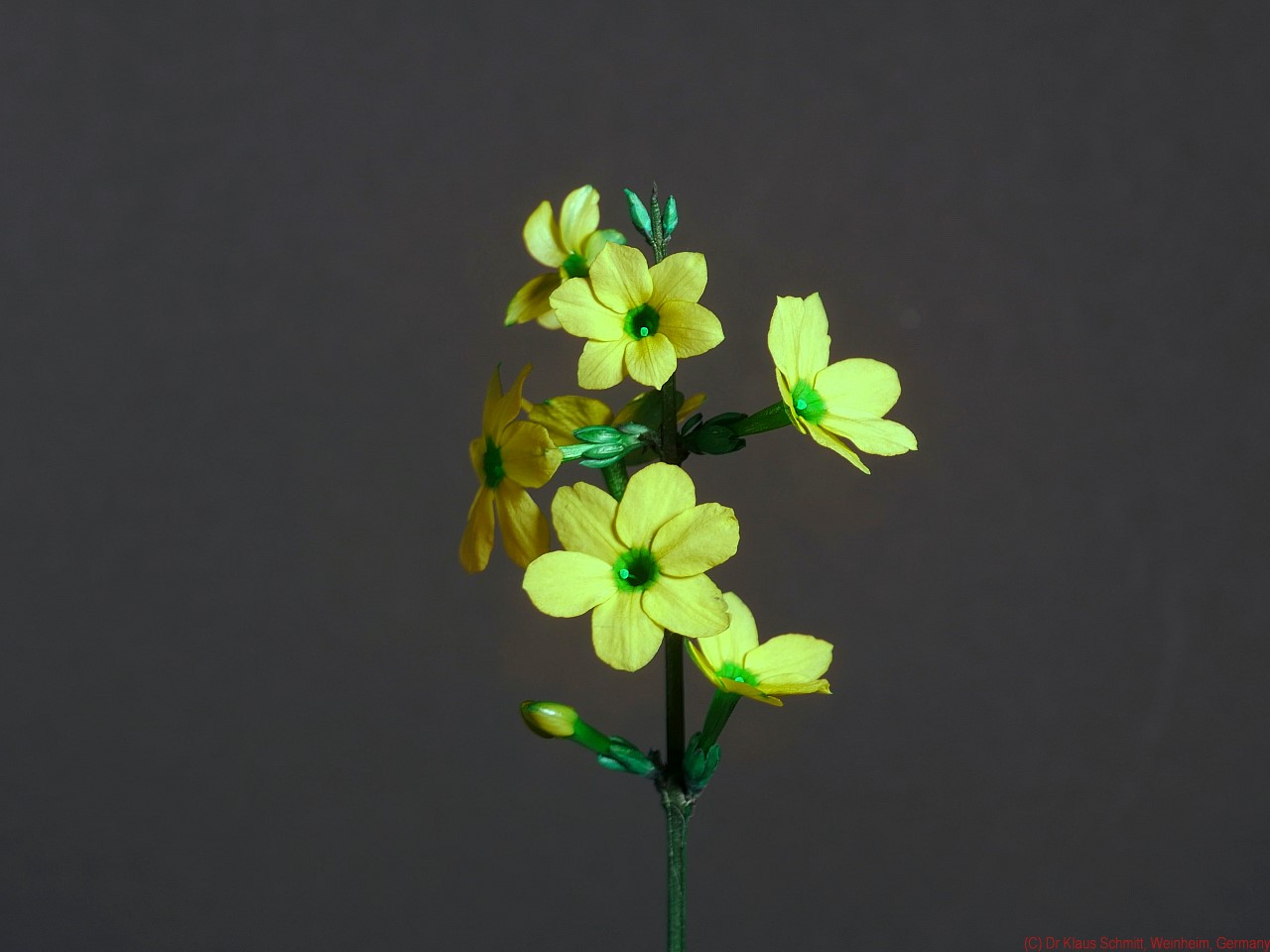
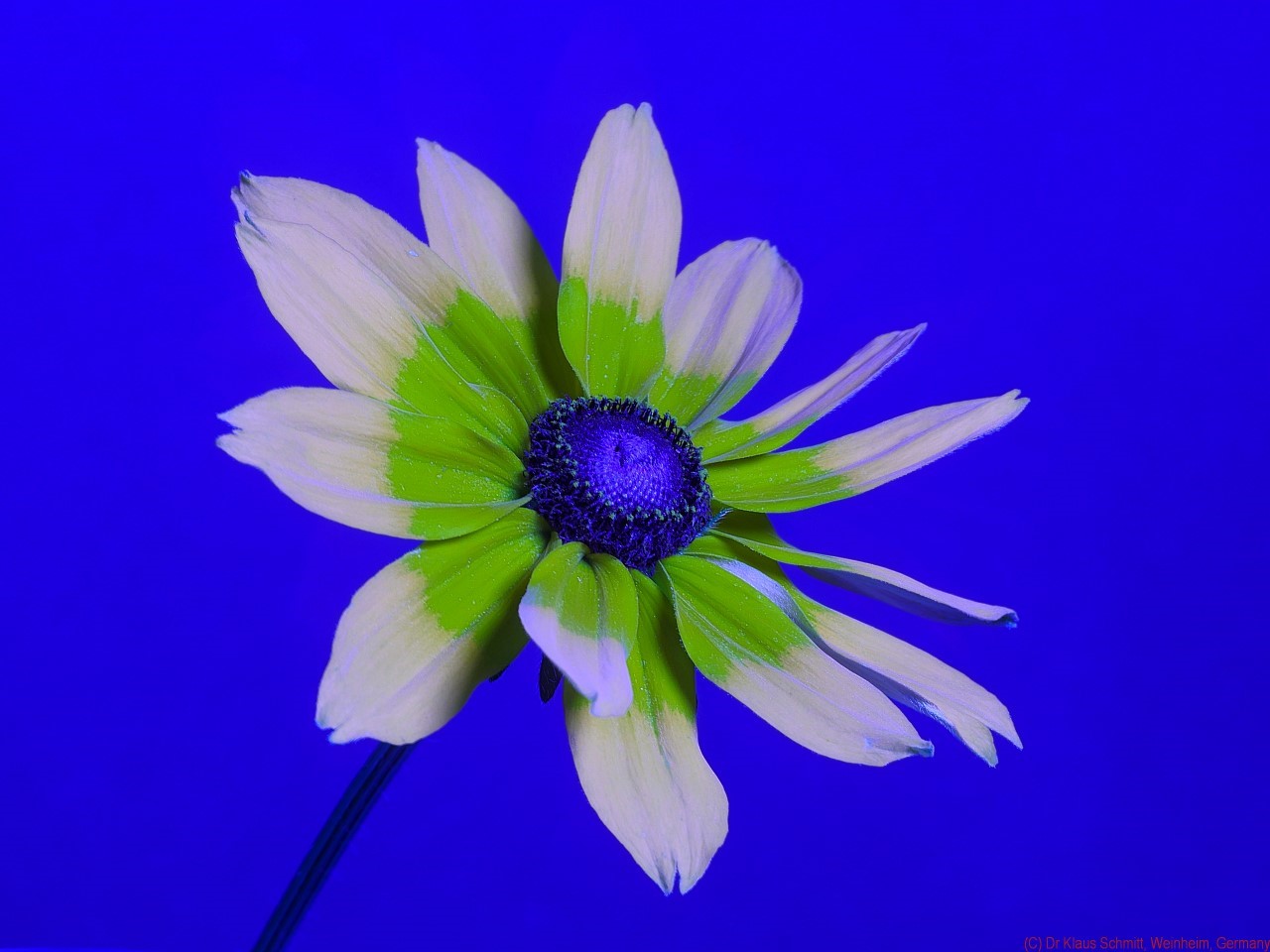
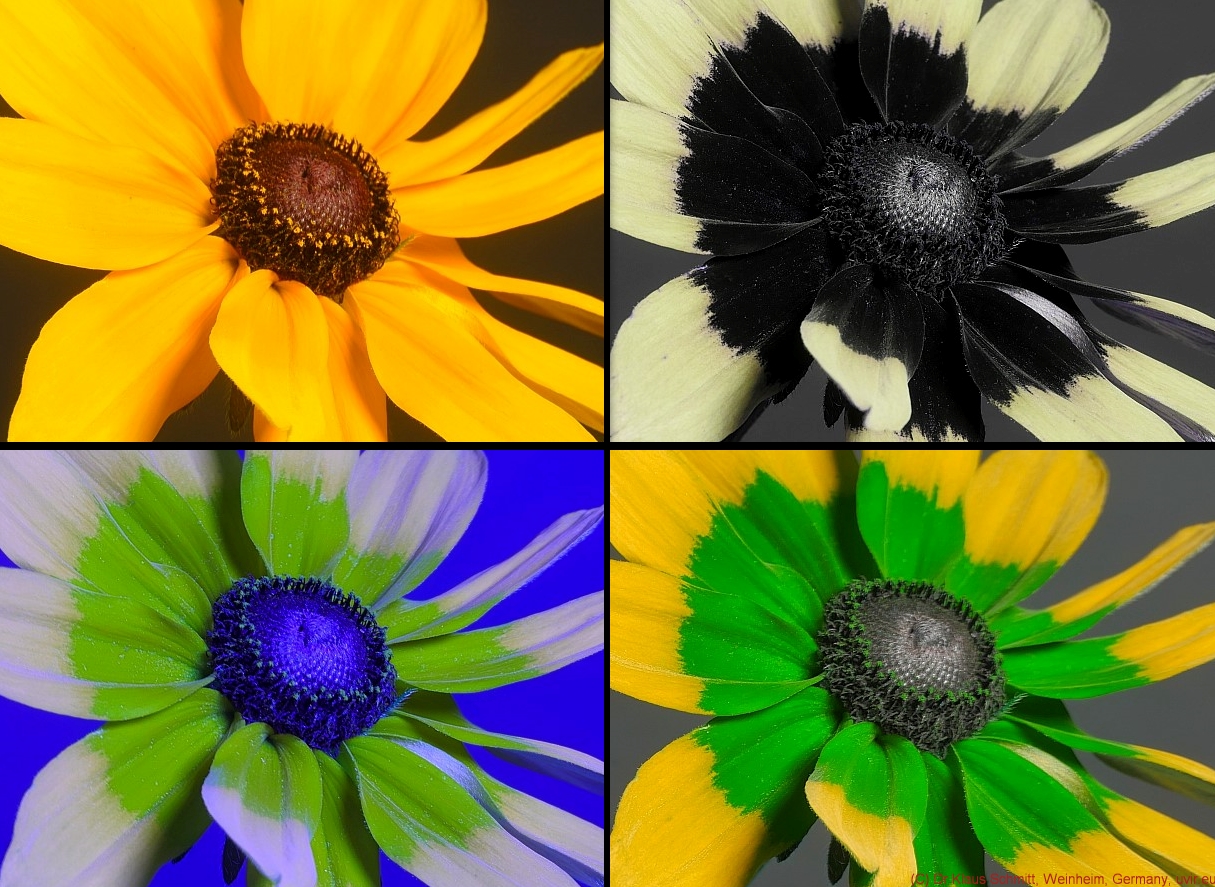
Today shots of a decorative winter flower Winter Jasmine - Jasminum nudiflorum in reflected ultraviolet photography using my "work horse" UV filter, the Baader-U filter as well as in simulated bee and butterfly vision using my XBV filters. All shots were done at f11. Lens was a UV-Nikkor 105mm quartz fluorite lens. Light source was a modified Xenon flash. Different camera system used with up to 80Mp resolution.

[click on image to see a larger one]

Human vision:
 

Reflected UV:
  

Simulated bee vision:
  

Simulated butterfly vision:
  

Quadriptych of human vision, UV, and simulated bee and butterfly vision (left to right, top to bottom):


This attractive winter flower shows its very specific "bullseye" UV pattern. Its center is UV dark, but its petals are strongly UV reflective around 365nm, ie. UV bright, both invisible to us humans and all that gets nicely visible also in simulated bee and butterfly vision also with this higher resolution camera system.

I have previously written about this flower HERE

Stay tuned, more will follow on that fascinating subject...

Saturday, January 13, 2018

Winter Jasmine - Jasminum nudiflorum in reflected ultraviolet photography and simulated butterfly and bee vision IV

Today shots of a decorative winter flower Winter Jasmine - Jasminum nudiflorum in reflected ultraviolet photography using my "work horse" UV filter, the Baader-U filter as well as in simulated bee and butterfly vision using my XBV filters. All shots were done at f11. Lens was a UV-Nikkor 105mm quartz fluorite lens. Light source was a modified Xenon flash.

[click on image to see a larger one]

Human vision:
 

Reflected UV:
  

Simulated butterfly vision:
  

Simulated bee vision:
  

Quadriptych of human vision, UV, and simulated butterfly and bee vision (left to right, top to bottom):


This attractive winter flower shows its very specific "bullseye" UV pattern. Its center is UV dark, but its petals are strongly UV reflective around 365nm, ie. UV bright, both invisible to us humans and all that gets nicely visible also in simulated bee and butterfly vision.

I have previously written about this flower HERE

Stay tuned, more will follow on that fascinating subject...

Thursday, September 14, 2017

How to simulate what birds may see: simulated bird vision

Birds (many of them) have the ability to see UV (ultraviolet) light, which we humans cannot see.

The following graphic (based on an original graphic by Sheri L Williamson) illustrates that by comparing our (rather limited) human spectral range to the larger one birds have, including UV (ultraviolet), based on them being tetrachromats (they see 4 colors: UV, Blue, Green, Red approx. 300-700nm), whereas we humans are trichromats (we only see 3 colors: Blue, Green, Red, approx. 400-700nm).

Be reminded: The pink-magenta UV "color" shown here has been chosen to make it better visible for us humans, it is a "false color", as per definition UV light (approx. 300-400nm) has no color!

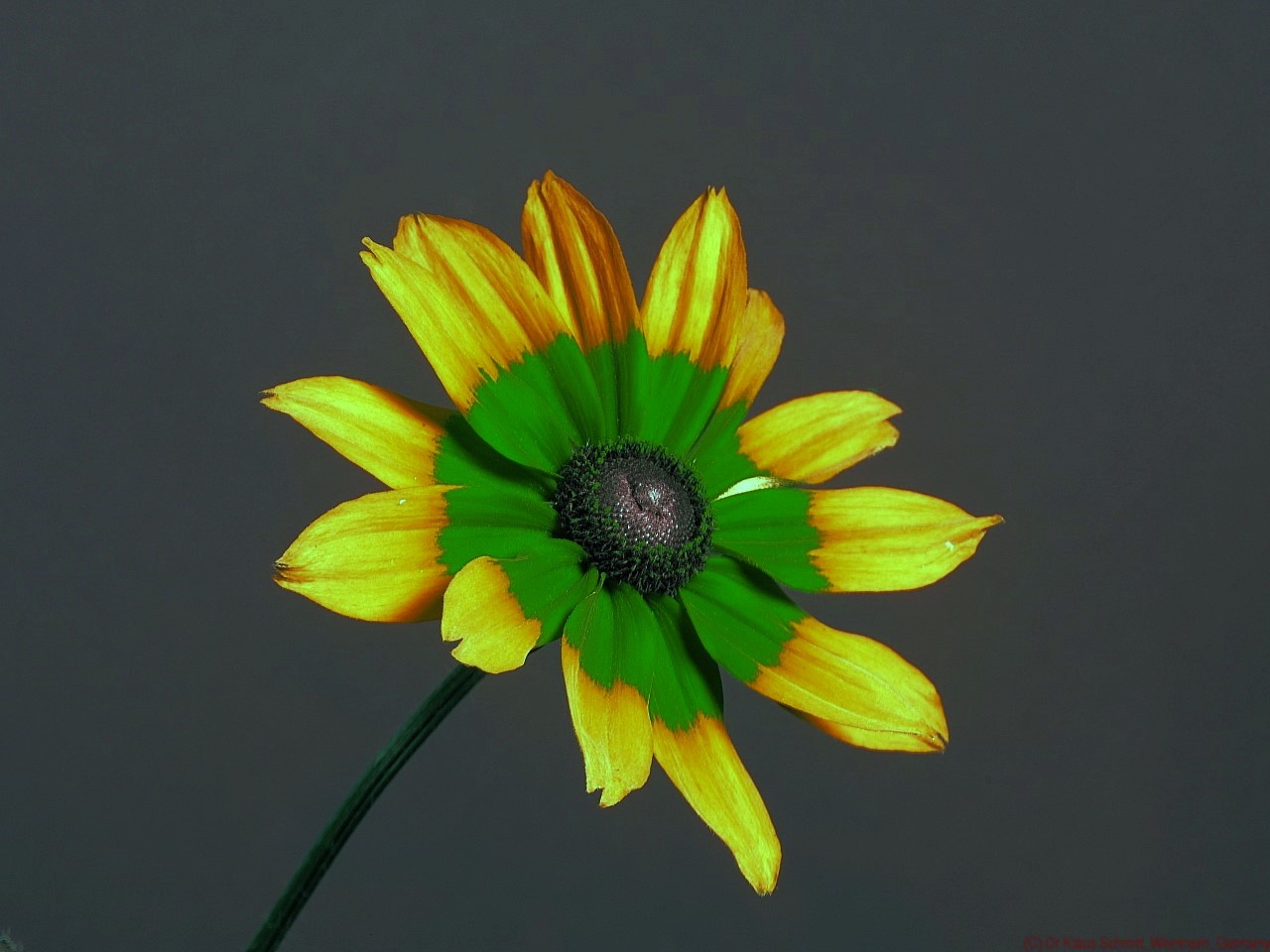
A flower such as a Rudbeckia fulgida with an underlying UV pattern, invisible to us humans, then looks like this in human vision (left) and simulated bird vision (right):


So how may then birds look like, seen through birds eyes? Possibly like this (it is simulated bird vision on the right):


I have used this to make visible in still photography and videography what birds may seen of a bird protecting device, the FireFly bird diverter, which may bee seen HERE

But how has this been done? Well, in principle using photographic technology, but with a twist:

Normal photography uses (as per today) a digital camera with a built in sensor, a greenish/blue filter stack in front of that sensor, which limits and adjusts its much broader sensitivity range (UV to IR, approx. 300-1000nm) to the human vision range (approx. 400-700nm), using a suitable standard taking lens, made of optical glass. And of course a suitable lightsource is needed, sun being the best, as it provides a useful amount of UV in its light spectrum

Now this type of multispectral photography needs a modified camera (internal filter stack removed and replaced by an UV and visible light transmitting, clear fused silica window), a suitable UV transmitting special quartz-fluorite lens (the UV-Nikkor 105mm being one of only a few ever made ones), and special filters which allow to record UV images (such as the Baader-U UV transmitting, but visible light blocking filter), as well as filters to record the normal visible light (Blue, Green, Red).

The resulting UV and VIS (Blue, Green, Red) images are then suitably combined into one "multispectral image", in our case here the "simulated bird vison" image. [That term "suitably" describes a rather complex mapping process which I will not describe in detail here. NASA uses similar processes to generate their amazing images from their Hubble space telescope or their Earth observation satellites]

HERE is more about birds and bird vision!

If you are interested into that type of photography, HERE on my site is a lot about it, including my "cook book" style tutorial how to do it.

Stay tuned, more will follow on this fascinating subject...

Wednesday, September 13, 2017

Bird Protection using FireFly Bird Diverter

Today about birds and how to protect them against collision with power lines. Each year millions of birds die, especially when migrating in spring and autumn. The patented FireFly device was invented and manufactured by Hammarprodukter AB to protect them.

The following videos were shot at Kübassaare / Saaremaa Island, Estonia in 2017, as a proof that a carefully designed bird diverting device, such as the patented FireFly (and BirdMark) made by Hammarprodukter AB of Sweden, works efficiently to divert birds and make them change their flight path, hence protecting their lifes.

[click images to see larger ones]

Power line at Kübassaare / Saaremaa island / Estonia:
 

The following video was shot in June and August 2017 in normal human vision, in simulated bird vision at daylight, but also at dusk / night to show the afterglow effect this FireFly device has, aside from its intense flickering when rotating,  which can be seen up to 350-400 meters, which is the visible distance covered in this video. Several overflights were recorded, where birds actively changed their normal flight path.

[best to watch in HD full screen]


Here now a screen shot showing how efficient FireFly was able to divert the flight path of the birds.

Simulated bird vision still image from video with diverted flight path:
 

Birds (many of them) have the ability to see UV (ultraviolet) light, which we humans cannot see! This grahic here makes this visible by comparing our human spectral range to the larges one birds have, based on them being tetrachromats (they see 4 colors), whereas we humans are trichromats (we see 3 colors).

Be reminded: The pink-magenta UV "color" seen here has been chosen to make it better visible for us humans, it is a "false color", as per definition UV light has no color!

So how may then birds look like, seen through birds eyes? Possible like this (it is simulated bird vision on the right):


The Hammarprodukter FireFly also makes use of this knowledge, to scare birds away from high voltage powerlines, which may harm birds!

HERE is more about bird vision!

HERE a link to the manufacturer product site Hammarprodukter.se

And HERE more about human vision vs bird vision and how to make that visible.

[all graphics shown here are (C) Hammarprodukter AB and Dr Klaus Schmitt, used with permission] 

More about that here later, as I took on the task to scientifically assist Hammarprodukter AB.

Stay tuned, more will follow on this fascinating subject...

Friday, August 4, 2017

Black-eyed Susan - Rudbeckia hirta in reflected ultraviolet photography and simulated bee and butterfly vision XIII

Today more shots of a cultivar flower, originating from the USA Prairie, a Black-eyed Susan - Rudbeckia hirta in reflected ultraviolet photography using my "work horse" UV filter, the Baader-U filter as well as in simulated bee and butterfly vision using my XBV filters. All shots were done at f11. Lens was a UV-Nikkor 105mm quartz fluorite lens. Light source was a modified Xenon flash. This was shot using my previously used modified high resolution camera (40/80Mpix), an Olympus M5 Mk2

[click on image to see a larger one]

Human vision:
 

Reflected UV:
 

Simulated bee vision:
 

Simulated butterfly vision:
 

Quadriptych of human vision, UV, and simulated butterfly and bee vision (left to right, top to bottom):
 

Quadriptych in detail of human vision, UV, and simulated butterfly and bee vision (left to right, top to bottom):
 

This flower shows a very prominent UV bullseye pattern, as its petal tips are very UV bright (around 365nm) to about the middle and its center is very UV dark, and all this gets nicely visible also in simulated bee and butterfly vision. I have matched the previously done shooting for comparison reasons.

I have previously written about that flower HERE
 
Stay tuned, more will follow on that fascinating subject...

More info on this very interesting field may be found on my site http://www.pbase.com/kds315/uv_photos

Black-eyed Susan - Rudbeckia hirta in reflected ultraviolet photography and simulated bee and butterfly vision XII

Today more shots of a cultivar flower, originating from the USA Prairie, a Black-eyed Susan - Rudbeckia hirta in reflected ultraviolet photography using my "work horse" UV filter, the Baader-U filter as well as in simulated bee and butterfly vision using my XBV filters. All shots were done at f11. Lens was a UV-Nikkor 105mm quartz fluorite lens. Light source was a modified Xenon flash. This was shot using another modified camera, an Olympus M5 Mk2.

[click on image to see a larger one]

Human vision:
 

Reflected UV:
 

Simulated bee vision:
 

Simulated butterfly vision:
 

Quadriptych of human vision, UV, and simulated butterfly and bee vision (left to right, top to bottom):
 

Quadriptych in detail of human vision, UV, and simulated butterfly and bee vision (left to right, top to bottom):
 

This flower shows a very prominent UV bullseye pattern, as its petal tips are very UV bright (around 365nm) to about the middle and its center is very UV dark, and all this gets nicely visible also in simulated bee and butterfly vision. A matched set was shot using a newer camera system for comparison reasons HERE.

I have previously written about that flower HERE
 
Stay tuned, more will follow on that fascinating subject...
More info on this very interesting field may be found on my site http://www.pbase.com/kds315/uv_photos

Monday, July 17, 2017

My work on TV, Movie Theaters etc in UV and simulated animal vision

So if you would like to see some of my work on TV or on film (updated 02 2023), here you go ...

Work for NOVA PBS:

They will produce a TV special "Your Brain: Perception Deception" (working title) using my multispectral images of Bidens, Gazania and Rudbeckia in human vision and simulated bee vision. It will air in 2023.

Work for NEBRASCA PUBLIC MEDIA:

Our video "Insecta Spectra" done by Robin Noorda using my multispectral images will be used in an interactive lesson on bees and pollinators. There will be a section describing what bees see as opposed to what a human sees in the environment - particularly flowers. It will air in 2022.


Work for BBC London:

BBC ONE Richard Hammond's Invisible Worlds (HDTV)
BBC TWO The Science of Plants - How to Grow a Planet (HDTV)
BBC Four - Colour: The Spectrum of Science (HDTV)
BBC Science Interview on Bees and their UV Vision (HDTV)


Work for Sir David Attenborough:

Kingdom of Plants (HDTV for SKY 3D and IMAX Theaters; in 3D stereoscopic)


Work for Wall to Wall Productions:

Solved: Nature's Strangest Mysteries 

Work for the German TV:

ZDF TerraX "The Magic of Colors" (HDTV)
ZDFZeit about UV Sun protection (HDTV)
Hessischer Rundfunk (hr), production Alles Wissen, Blumen Quiz (2019)

WDR 2 Bienen live ("bees live")