Wednesday, September 11, 2019

Garden in reflected ultraviolet photography and simulated bee vision

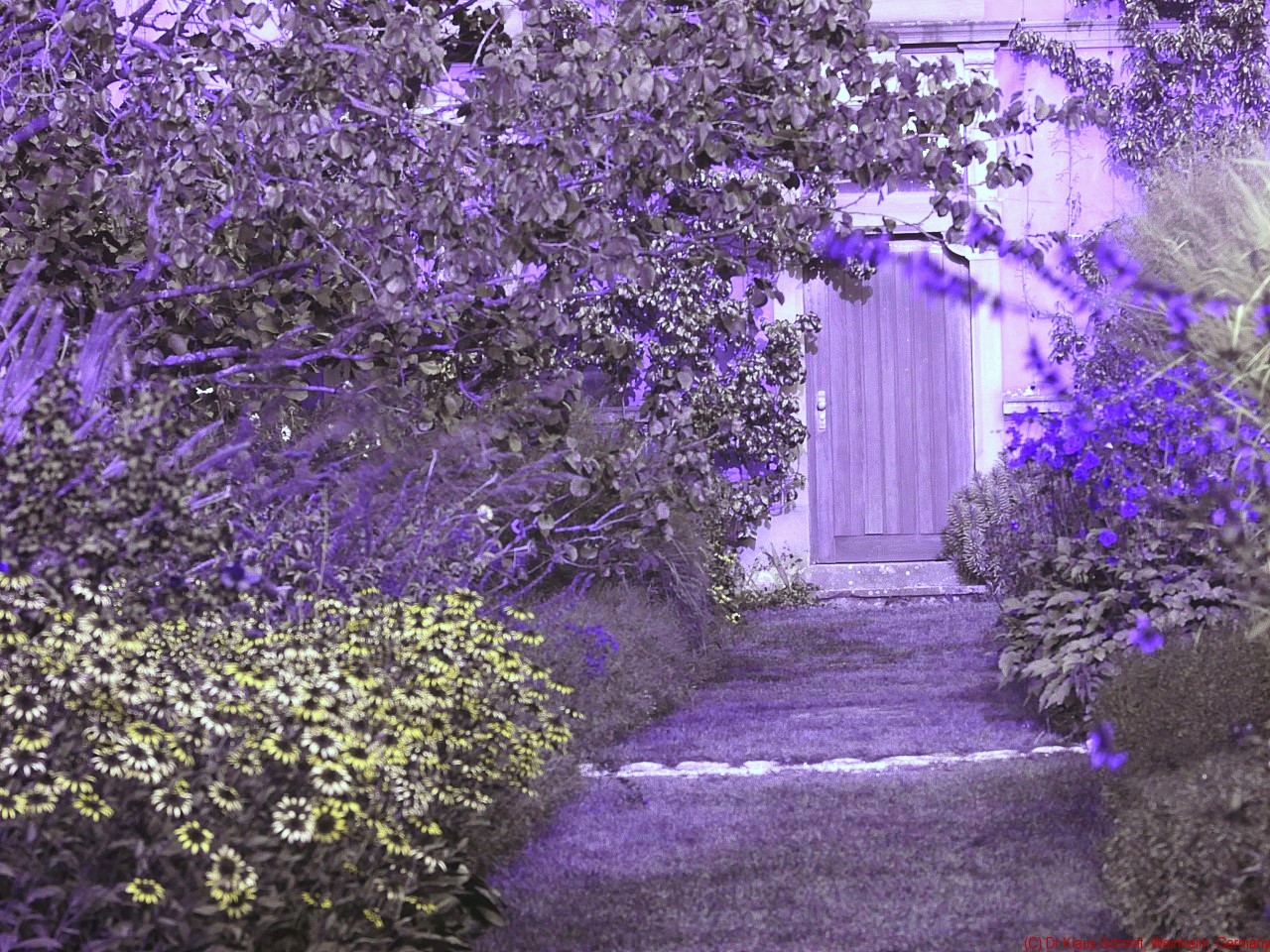
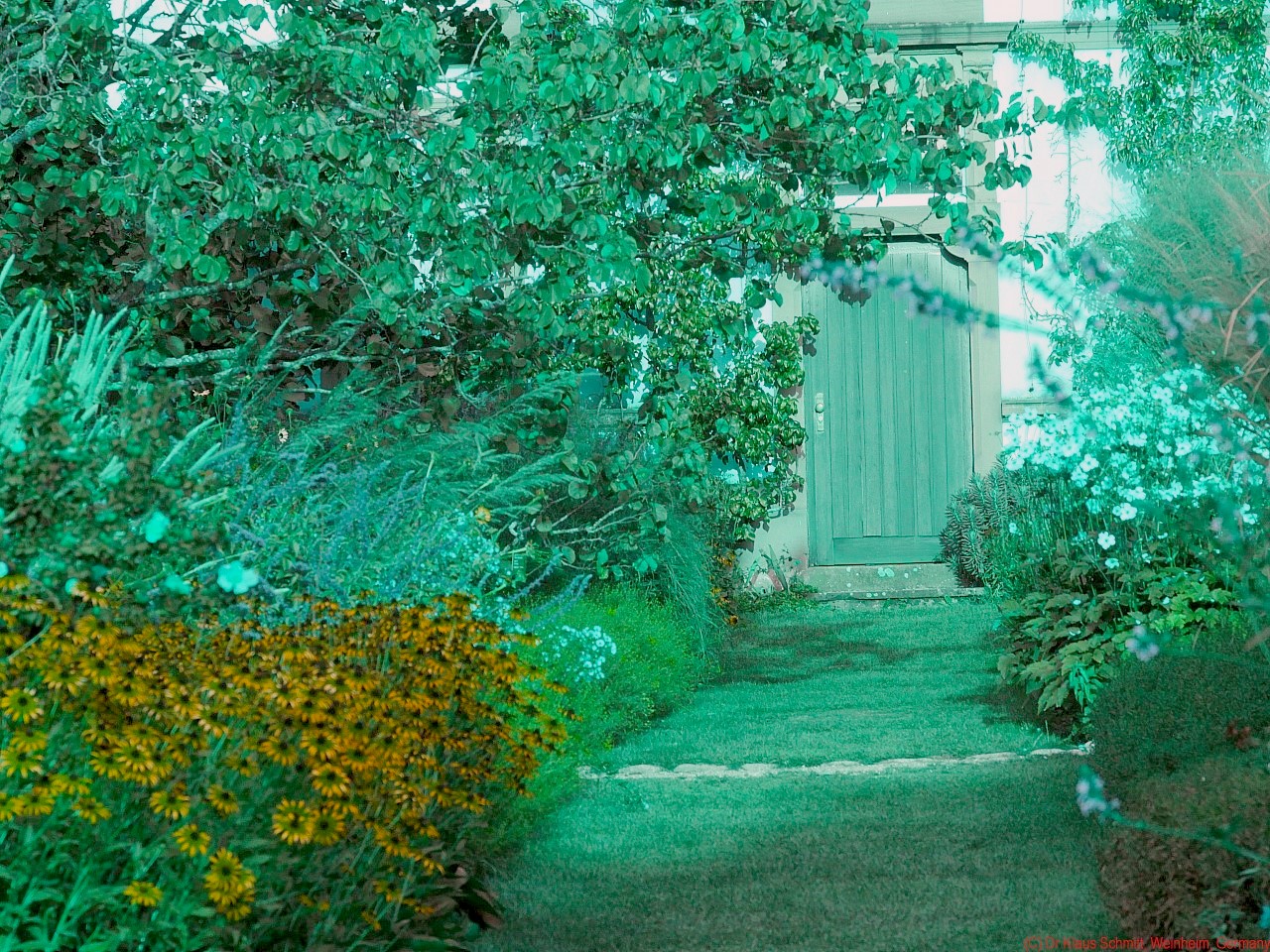
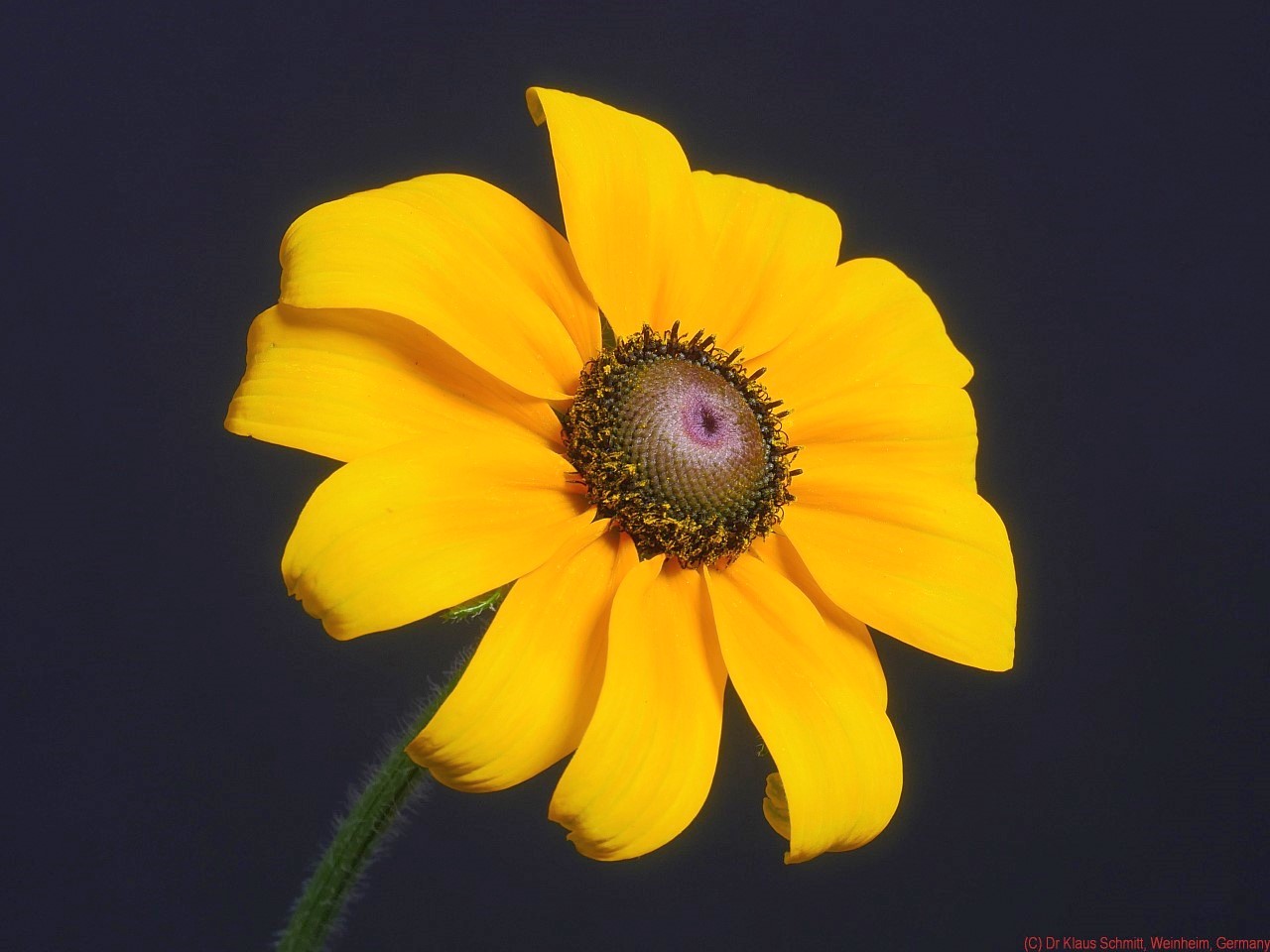
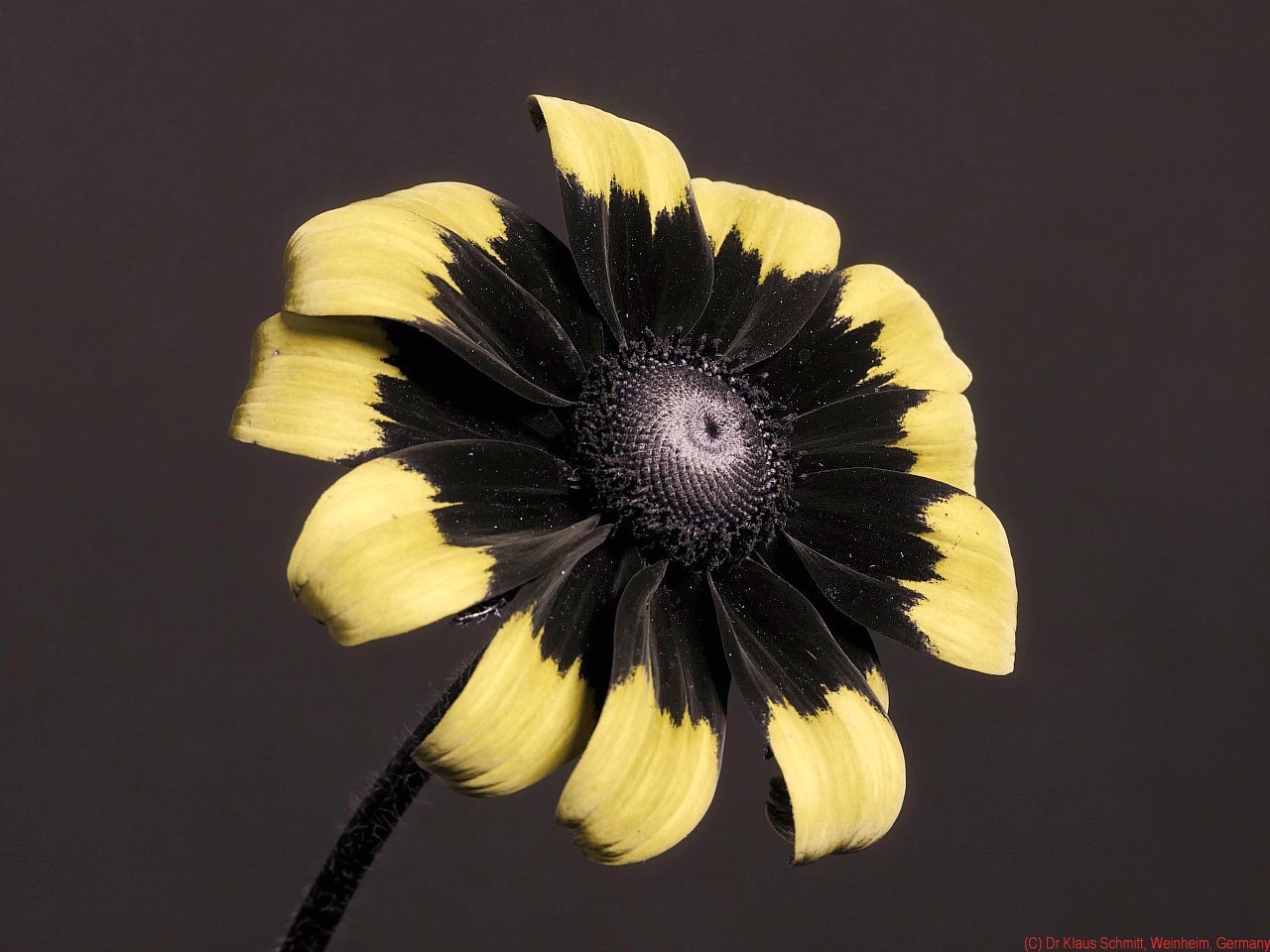
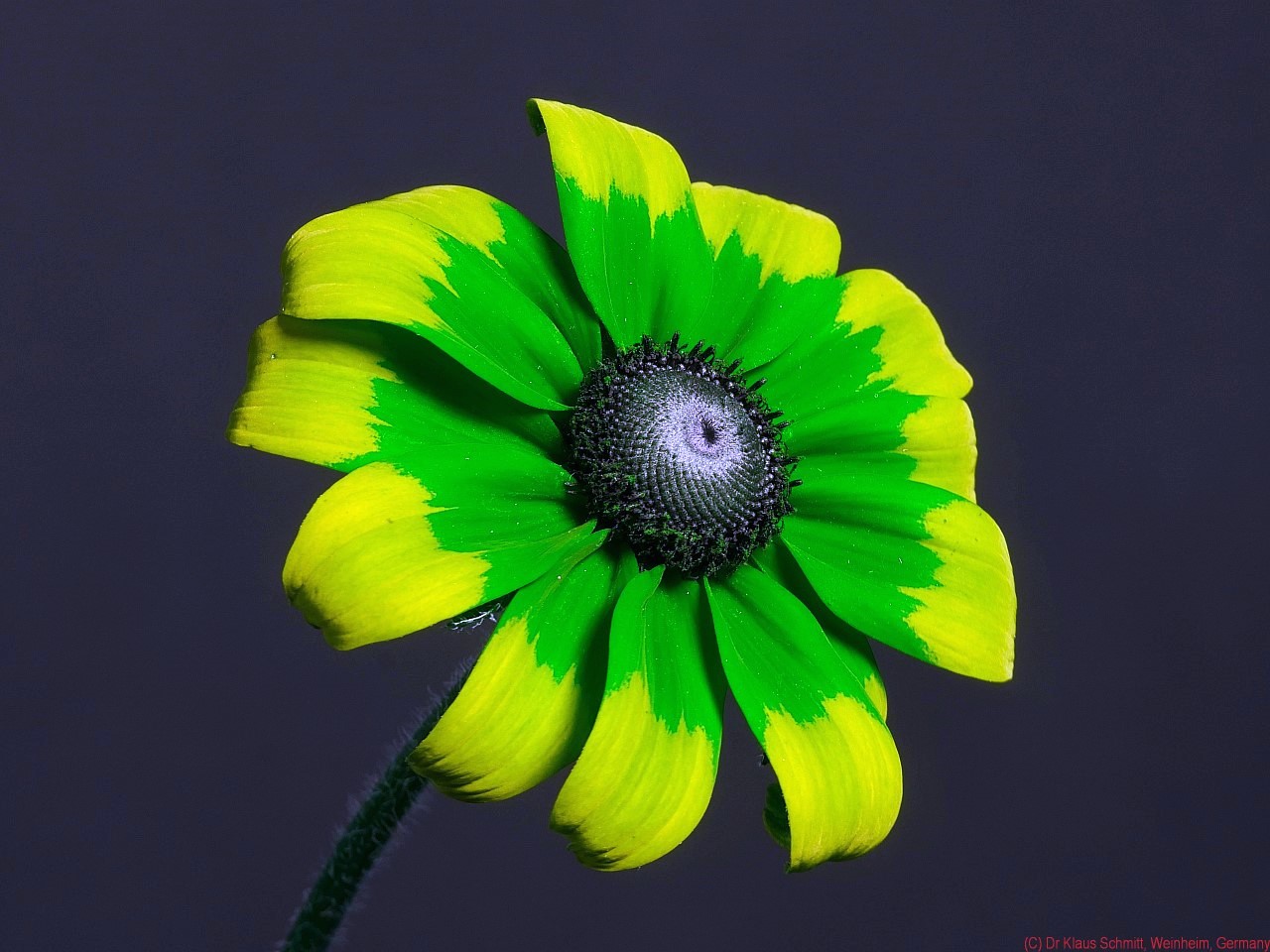
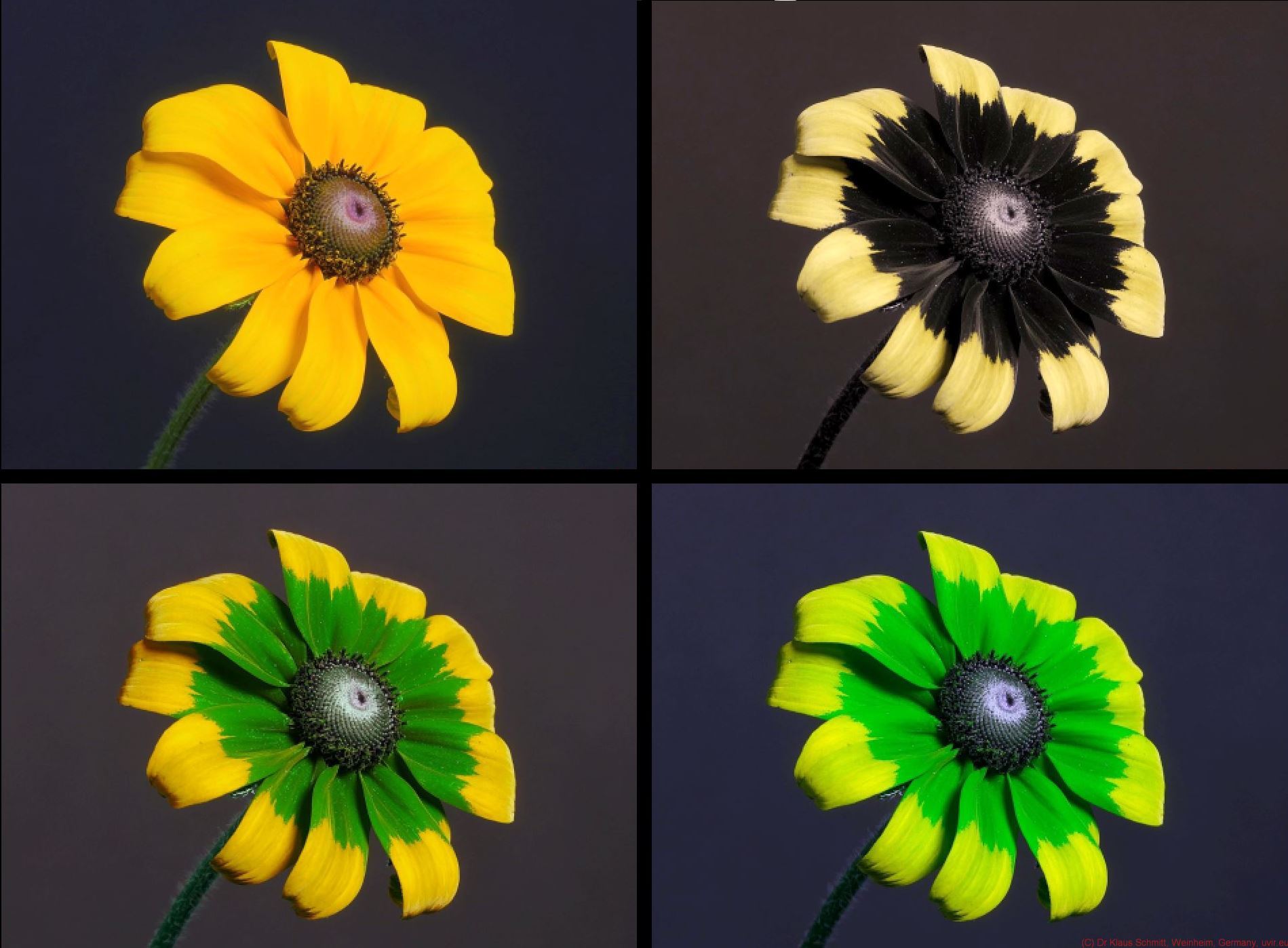
One of the most famous gardens in our area here in Weinheim, Germany is Schau- und Sichtungsgarten Hermannshof . Today I took some multispectral shots there, in normal human vision VIS, in UV using the Baader-U filter, as well as in simulated bee vision using my XBV filters respectively.

[click on image to get a larger view]

Human vision (VIS):


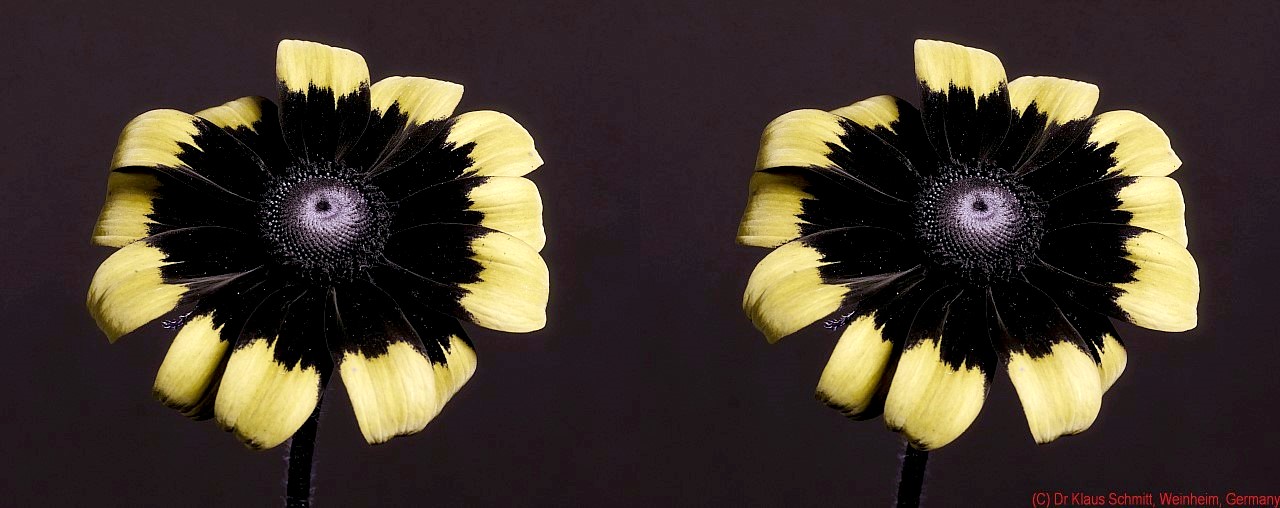
Reflected ultraviolet (UV):


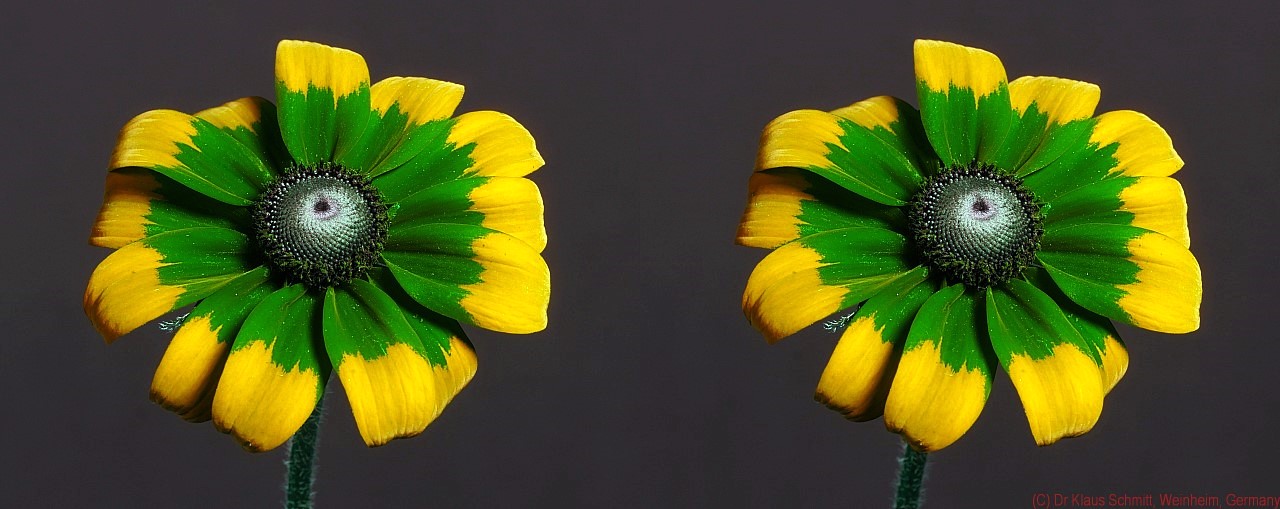
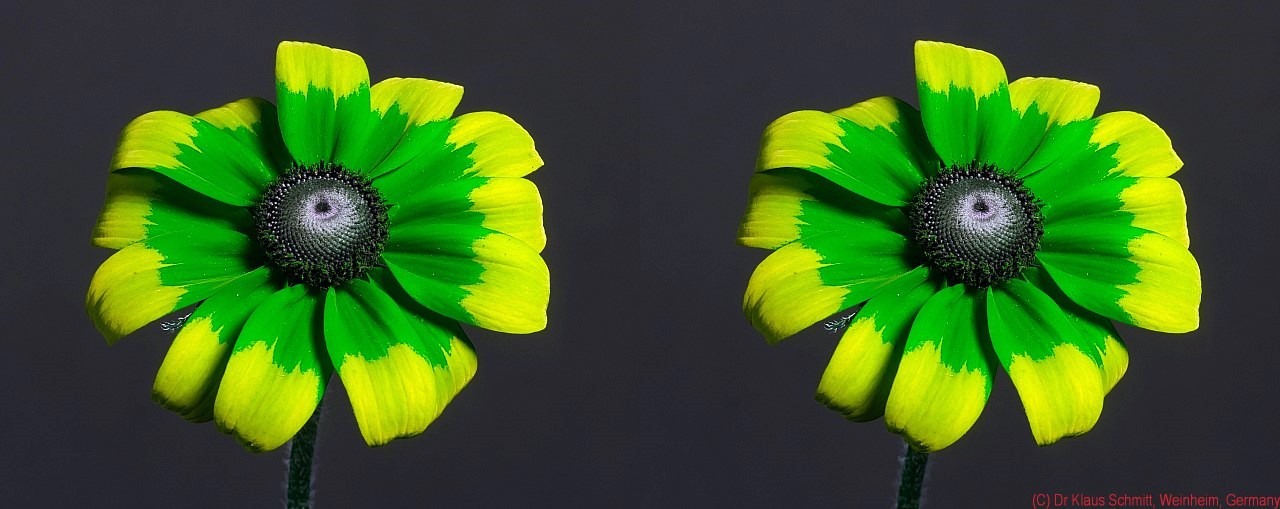
Simulated Bee vision (BV):


Diptych VIS-UV:


Diptych VIS-BV:


This multispectral look at it reaveals a lot of otherwise invisible details, like the UV nectar patterns the yellow Rudbeckia flowers have. It wasn't my first time there, but certainly not my last time...

Stay tuned, more will follow on that fascinating subject...

More info on this very interesting field may be found on my site http://www.pbase.com/kds315/uv_photos

Friday, September 6, 2019

Oncostele Wildcat 'Golden Red Star' in visible, reflected UV, simulated bee and butterfly vision - 3D Stereo

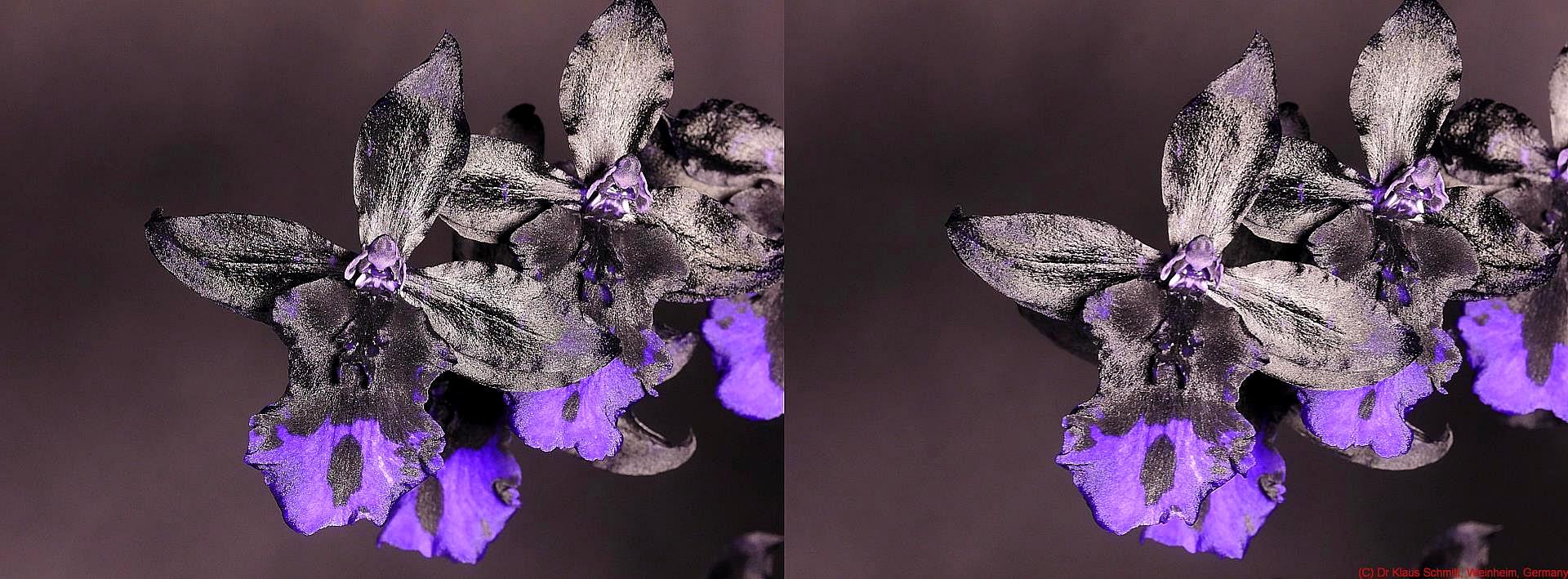
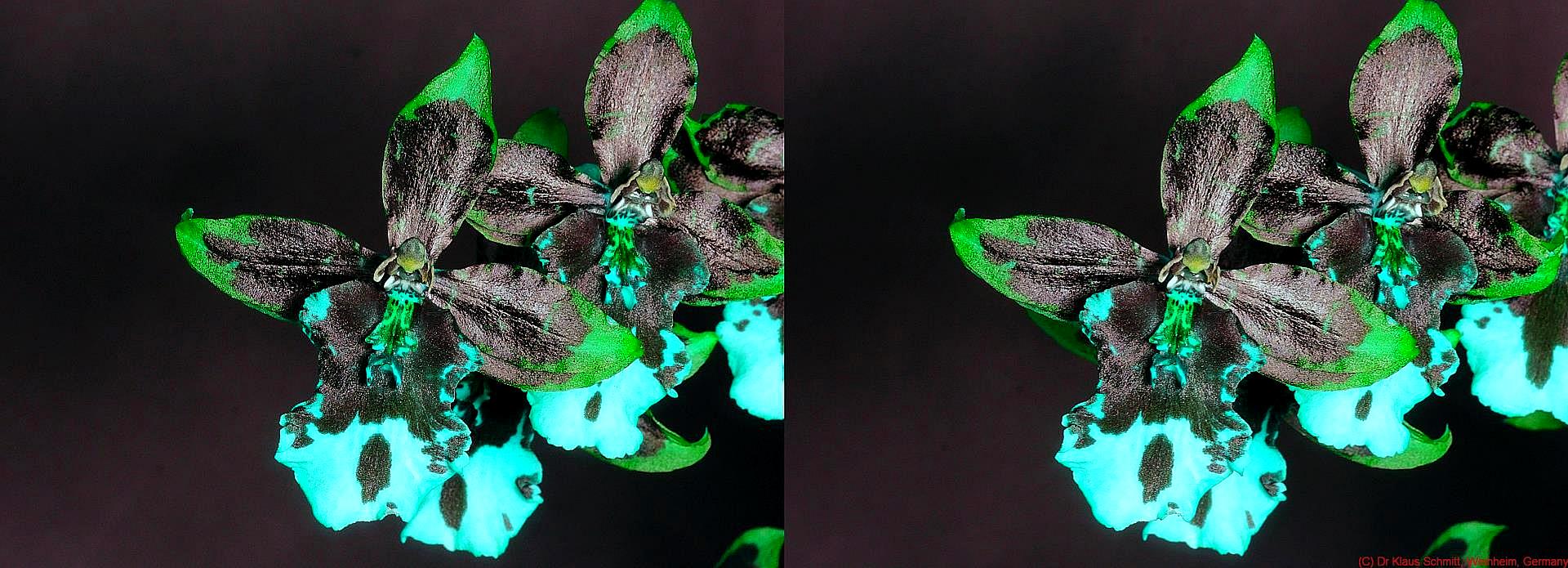
Today shots of an Orchid hybride, Oncostele Wildcat 'Golden Red Star' in reflected ultraviolet photography as well as simulated bee and butterfly vision  - but also in 3D stereo crosseye presentation. UV filter used was the Baader-U filter, my "work horse" filter for reflected UV as well as my proprietary XBV filters. All shots were done at f8 using an UV-Nikkor f4.5/105mm lens. Light source used was a modified for high UV output Xenon flash.

[click on image to see a larger one]

Human Vision (VIS):
 

Reflected UV (Baader-U):
 

Simulated Butterfly Vision:
 

Simulated Bee Vision:
 

Quadriptych of the above (non-stereo):
 

This orchid has a very specific UV pattern, its petals are very UV dark, but the lower petal lip has on its lower center a very UV bright spot, as well as on its center "nose" formation an UV reflecting spot and all this gets nicely visible, also in 3D stereo (UV reflection shows as light blue)

I have written more about this orchid HERE and about Differentials HERE

Stay tuned, more will follow on that fascinating subject...

More info on this very interesting field may be found on my site http://www.pbase.com/kds315/uv_photos

Sunday, September 1, 2019

Spider Web reflects UV to attract prey II

I was reading some time ago a paper that spider webs would actually reflect ultraviolet (UV) light, so as to attract prey (insects like bees etc) and I shot this quite a while ago. Now it just happened again that I found a web in one corner of my balcony, so why not take some reflected UV and visible light shots and test it out? Lens used was my UV-Nikkor 105mm, for reflected ultraviolet light I used my "work horse" UV filter, the Baader-U filter. Light source was available light and some 365nm UV LED light.

[click on image yields a larger one]

Spider web in visible light (hardly visible at all) with some prey:


and now the proof that the web actually reflects UV light strongly:


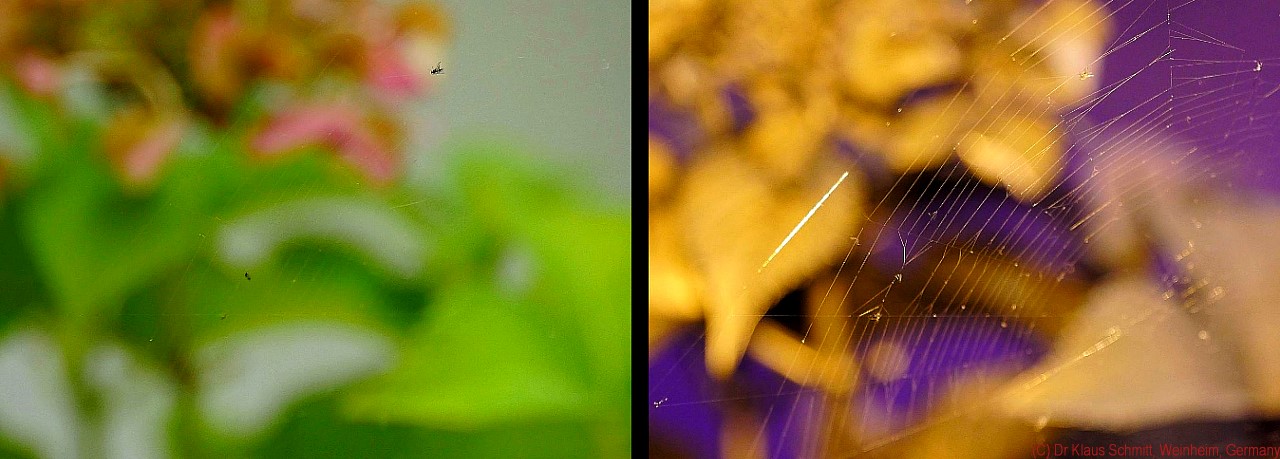
Here two diptychs showing this side-a-side (visible light is left, reflected UV on the right):


Detail of the above:


Quite an interesrting find and another proof, how useful reflected UV photography can be!

I have reviously written about that HERE

Stay tuned, more will follow on that fascinating subject...

More info on this very interesting field may be found on my site http://www.pbase.com/kds315/uv_photos

Wednesday, August 28, 2019

Black-eyed Susan - Rudbeckia hirta in reflected ultraviolet photography and simulated bee and butterfly vision 3D stereo XVI

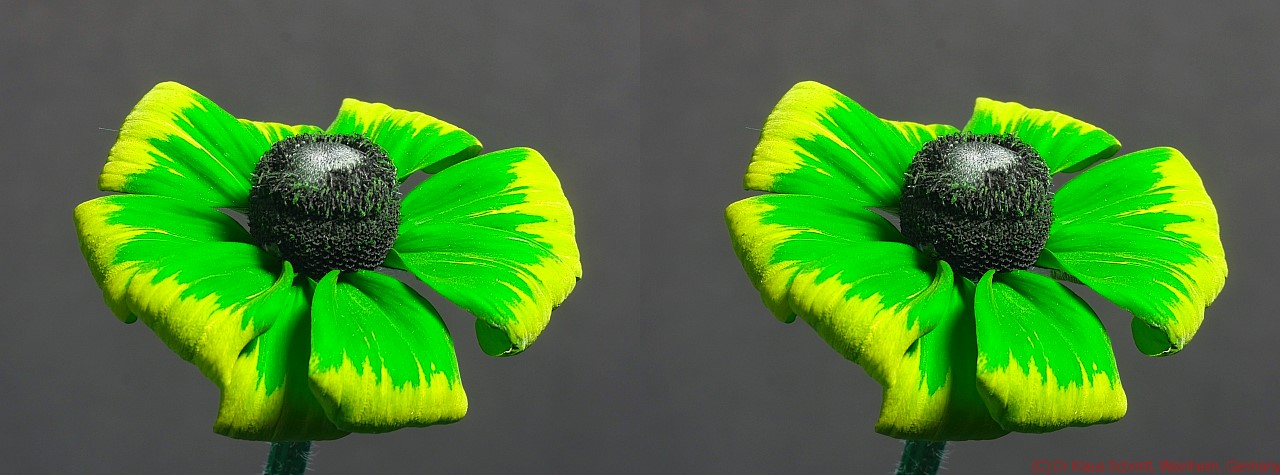
Today more crosseye 3D stereo shots of another such beautiful flower, originating from the USA Prairie, a Black-eyed Susan - Rudbeckia hirta in reflected ultraviolet photography using my "work horse" UV filter, the Baader-U filter, as well as in simulated bee and butterfly vision using my XBV filters. All shots were done at f16. Lens was a UV-Nikkor 105mm quartz fluorite lens. Light source was a modified Xenon flash.

[click on image to see a larger one]

Human vision:
 

Reflected ultraviolet (UV):
 

Simulated butterfly vision:
 

Simulated bee vision:
 

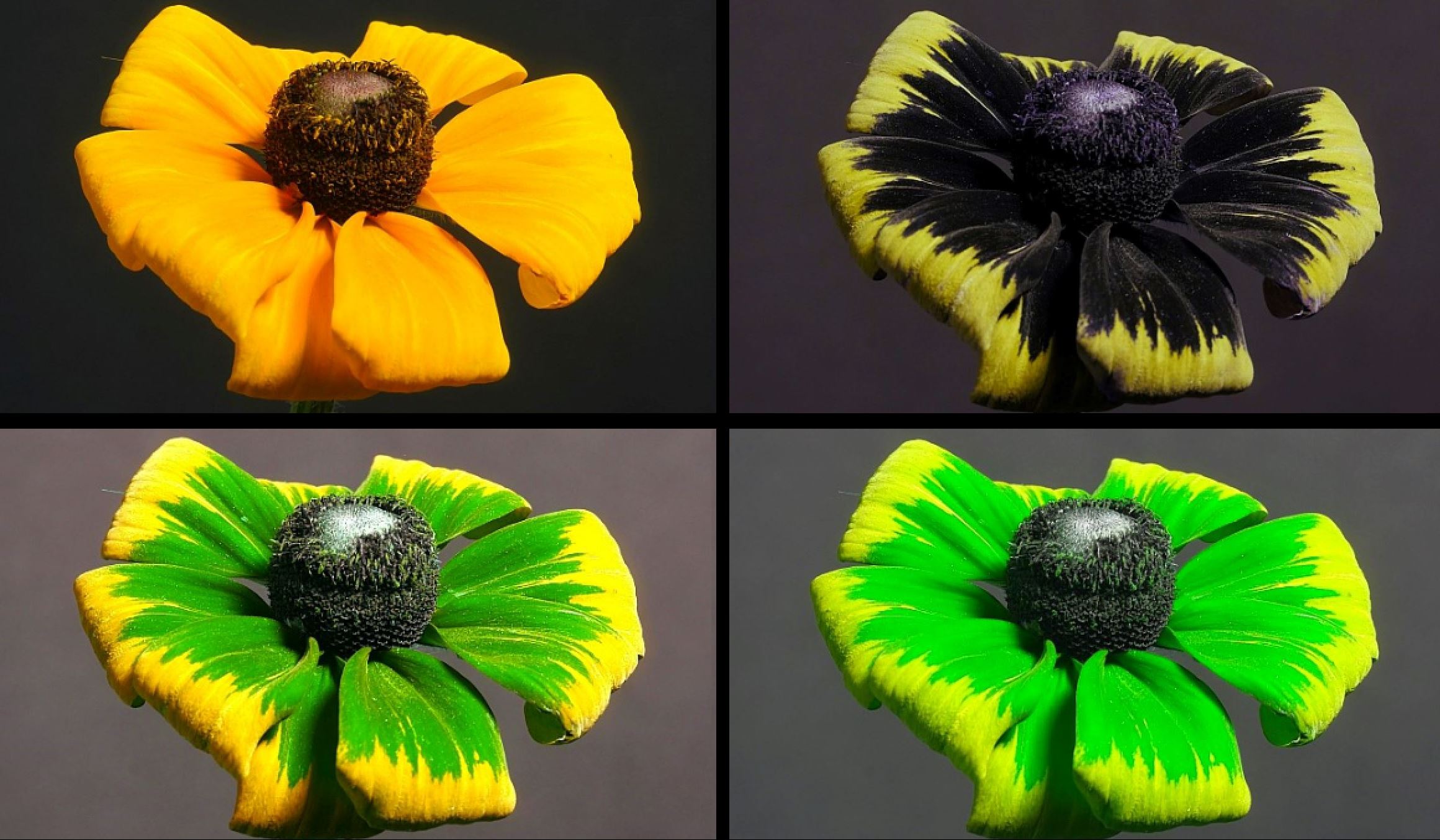
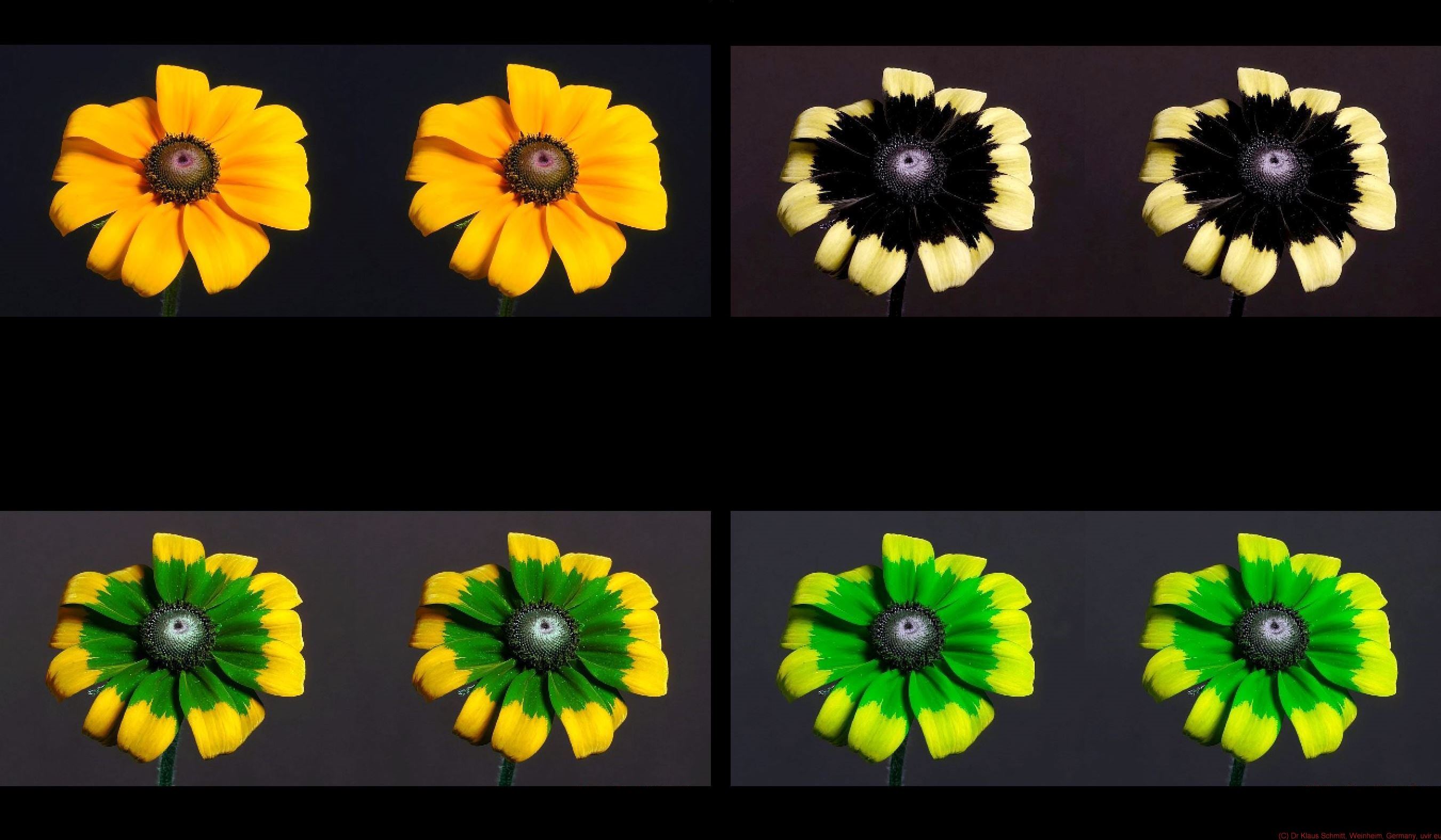
Quadriptych of human vision, ultraviolet, simulated butterfly and bee vision (left to right, top to bottom):
 

Also this flower shows a very prominent UV bullseye pattern, as its petal tips are very UV bright (around 365nm) and its center is very UV dark, and all this gets nicely visible in 3D stereo, also in simulated bee and butterfly vision.

I have previously written about that flower HERE
 
Stay tuned, more will follow on that fascinating subject...

More info on this very interesting field may be found on my site http://www.pbase.com/kds315/uv_photos

Saturday, August 24, 2019

Black-eyed Susan - Rudbeckia hirta in reflected ultraviolet photography and simulated bee and butterfly vision 3D stereo XVI

Today crosseye 3D stereo shots of that beautiful flower, originating from the USA Prairie, a Black-eyed Susan - Rudbeckia hirta in reflected ultraviolet photography using my "work horse" UV filter, the Baader-U filter, as well as in simulated bee and butterfly vision using my XBV filters. All shots were done at f16. Lens was a UV-Nikkor 105mm quartz fluorite lens. Light source was a modified Xenon flash.

[click on image to see a larger one]

Human vision:
 

Reflected ultraviolet (UV):
 

Simulated butterfly vision:
 

Simulated bee vision:
 

Quadriptych of human vision, ultraviolet, simulated butterfly and bee vision (left to right, top to bottom):
 

This flower shows a very prominent UV bullseye pattern, as its petal tips are very UV bright (around 365nm) and its center is very UV dark, and all this gets nicely visible in 3D stereo, also in simulated bee and butterfly vision. 

I have previously written about that flower HERE
 
Stay tuned, more will follow on that fascinating subject...

More info on this very interesting field may be found on my site http://www.pbase.com/kds315/uv_photos

Friday, August 23, 2019

Black-eyed Susan - Rudbeckia hirta in reflected ultraviolet photography and simulated bee and butterfly vision XIV

Today shots of a beautiful flower, originating from the USA Prairie, a Black-eyed Susan - Rudbeckia hirta in reflected ultraviolet photography using my "work horse" UV filter, the Baader-U filter, as well as in simulated bee and butterfly vision using my XBV filters. All shots were done at f16. Lens was a UV-Nikkor 105mm quartz fluorite lens. Light source was a modified Xenon flash.

[click on image to see a larger one]

Human vision:
 

Reflected ultraviolet (UV):
 

Simulated butterfly vision:
 

Simulated bee vision:
 

Quadriptych of human vision, ultraviolet, simulated butterfly and bee vision (left to right, top to bottom):
 

This flower shows a very prominent UV bullseye pattern, as its petal tips are very UV bright (around 365nm) and its center is very UV dark, and all this gets nicely visible, also in simulated bee and butterfly vision.

I have previously written about that flower HERE
 
Stay tuned, more will follow on that fascinating subject...

More info on this very interesting field may be found on my site http://www.pbase.com/kds315/uv_photos

Monday, August 19, 2019

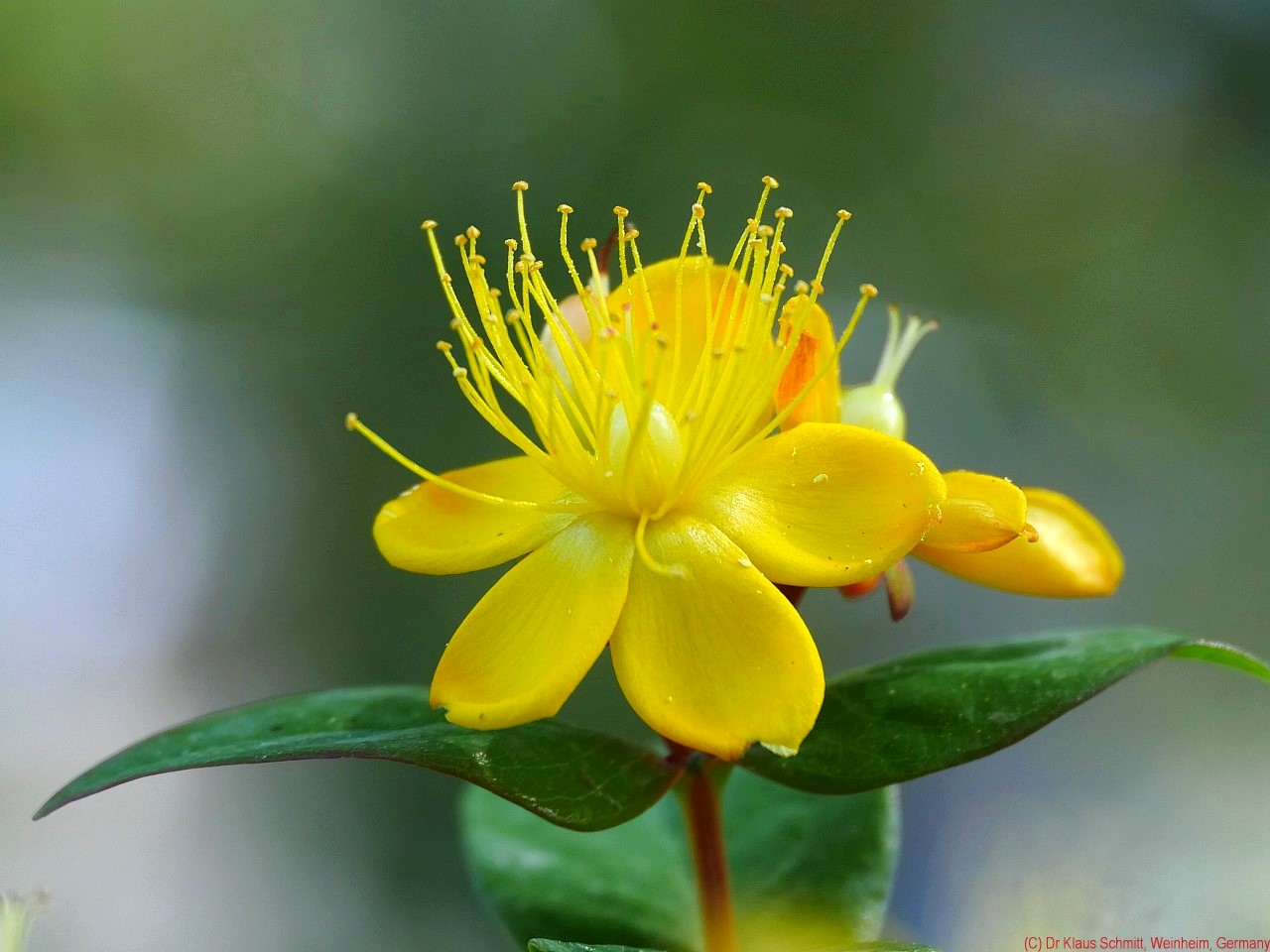
St. John's wort - Hypericum in reflected ultraviolet photography and simulated bee and butterfly vision

Today some outdoor shots of that attractive yellow flower, a St. John's wort - Hypericum sp. shot in reflected ultraviolet photography, simulated bee and butterfly vision. All shots were done at f8 in reflected ultraviolet photography using my "work horse" UV filter, the Baader-U filter, as well as my XBV filters for simulated bee and butterfly vision. Lens was a UV-Nikkor 105mm quartz fluorite lens. Light source was sunlight.

[click on image to see a larger one]

Human vision:
 

Reflected UV:
 

Simulated butterfly vision:
 

Simulated bee vision:
 

Quadriptych of human vision, UV, simulated butterfly and bee vision (left to right, top to bottom):
 

Hypericum's outer petals strongly reflect UV around 365nm, whereas its stamens are quite darker, reflecting around 385nm, hence forming UV nectar guides for UV seeing insects. This is all invisible to us humans, but clearly visible to bees and butterflies, and all this gets nicely visible here, also in simulated bee and butterfly vision.

I have written more about this flower HERE.

Stay tuned, more will follow on that fascinating subject...

More info on this very interesting field may be found on my site http://www.pbase.com/kds315/uv_photos