Tuesday, November 8, 2011

[UV, VIS, IR] Orion-15 f6 / 28mm - Topogon clone

Took a few shots today on a dull+gray day using a very small and lightweight russian rangefinder lens, an Orion-15 f6/28mm Topogon clone with Leica thread mount (LTM 39mm x 26tpi) with a diagonal angle of view of 75° (on full format). My friend Marco Cavina has a very good article about that lens HERE including quite surprising photographic comparisons with much more expensive Leica lenses.

These Topogon clone lenses are all successors of the famous HYPERGON lens designed by Emil von Hoegh around 1900.

Shots were done @f8 and ISO640 on my UV sensitive camera.

[click on image to see a larger one]

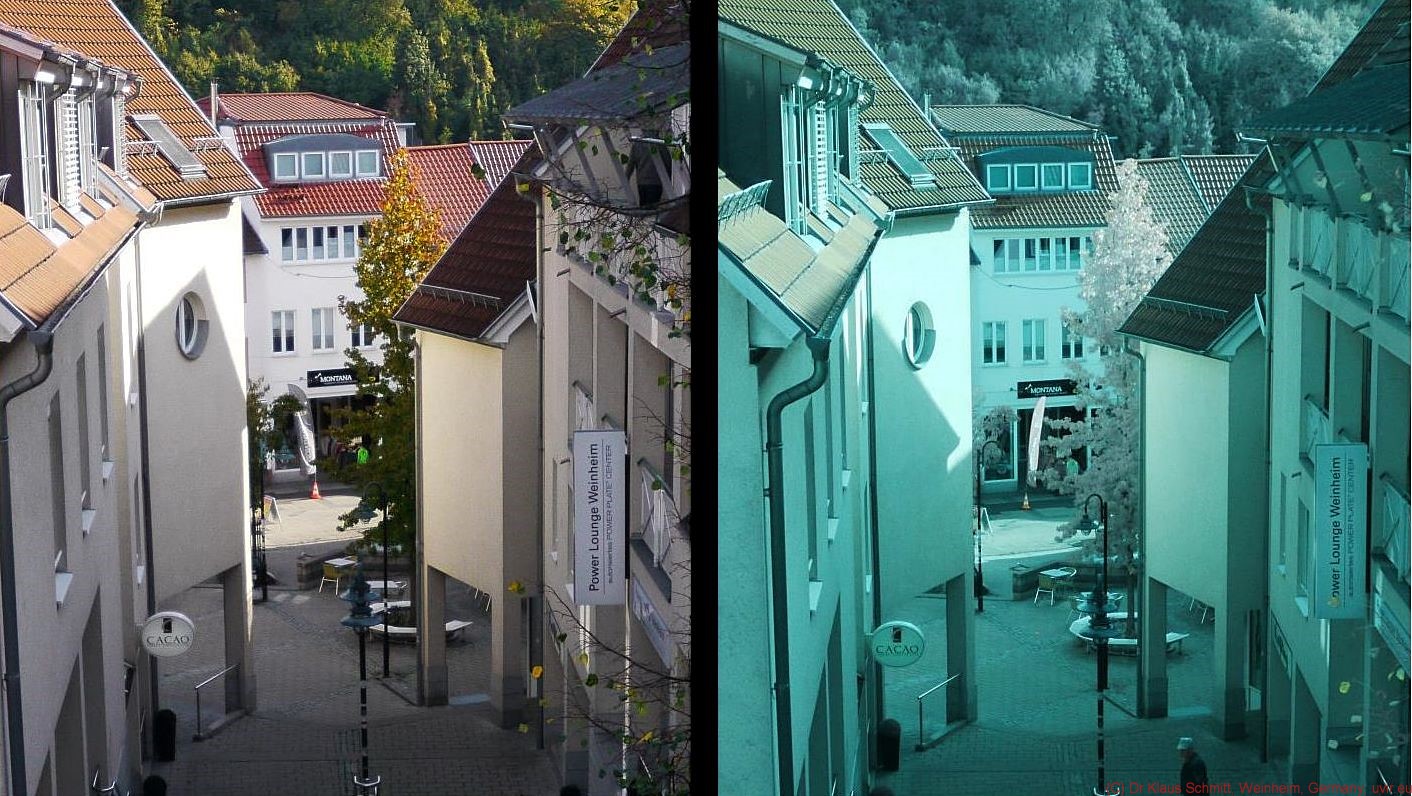
Left VIS, right UV (bw) 100% center crop:


Left VIS, right IR (bw) 100% center crop:


Now color differentials (full format) to make focus shift visible:

VIS-UV:
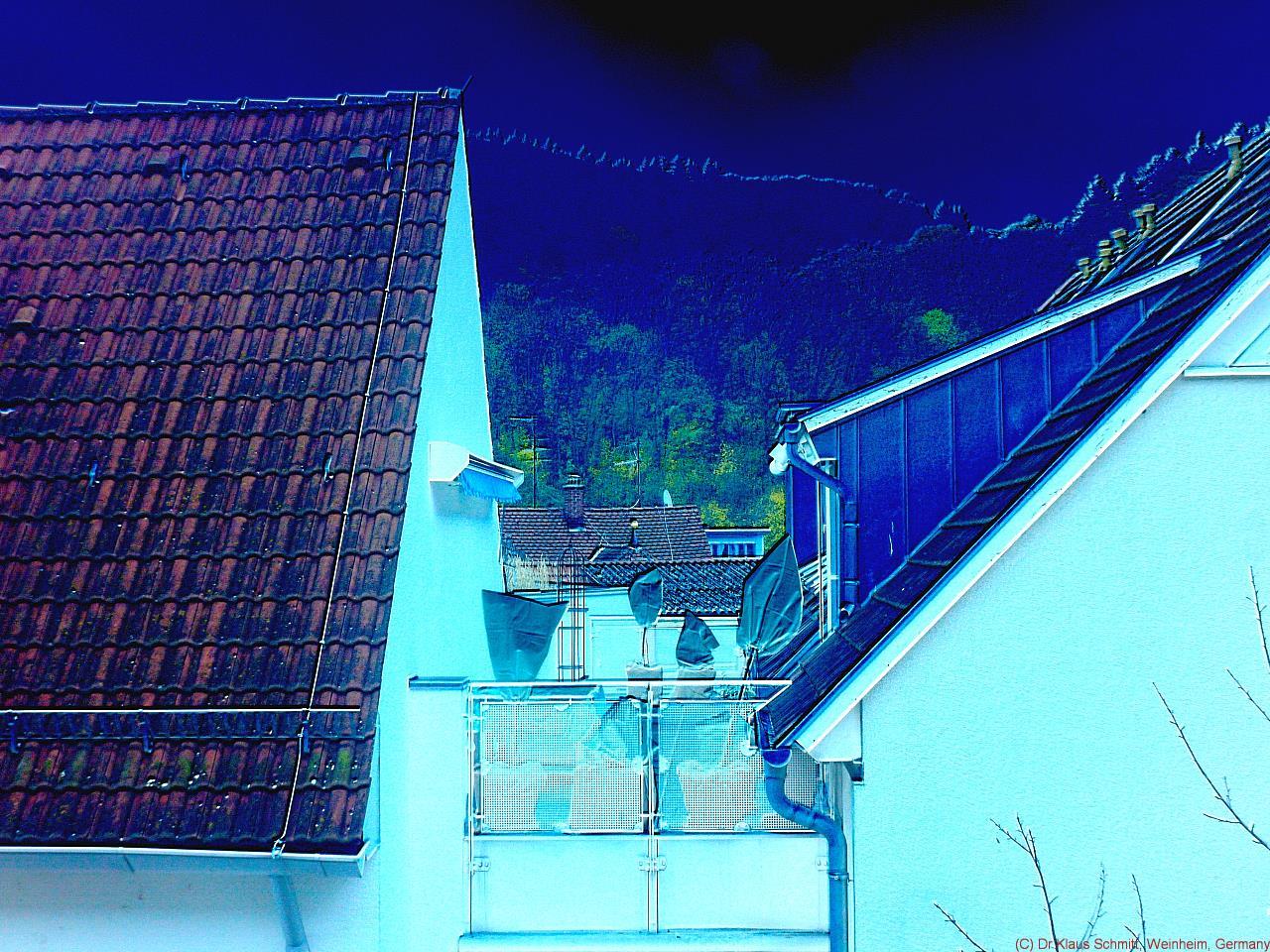

VIS-IR:


IR-UV:


As you see, there is some focus shift (UV + IR image show slight back focus), but nothing dramatical (focus was not touched, the shift could be calibrated of course). Interestingly enough, there is only a very small shift between UV and IR (a 695LP filter was used), but overall the IR shift is larger than that for UV (Baader-U filter was used).

In terms of exposure, the one for UV was -7.3EV as compared to the VIS shot, whereas the one for IR was the same as for VIS. All shots (VIS, UV, IR) needed identical exposure correction (+2/3 stop) for a proper exposure using A mode.

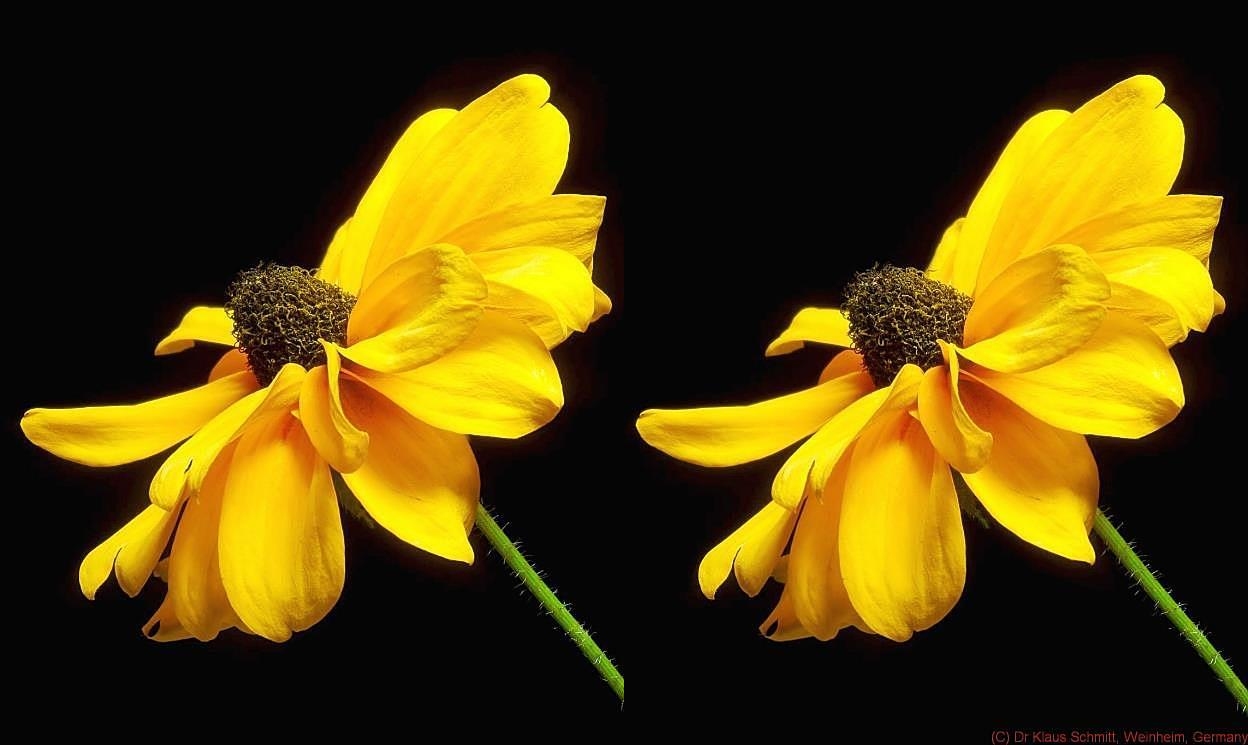
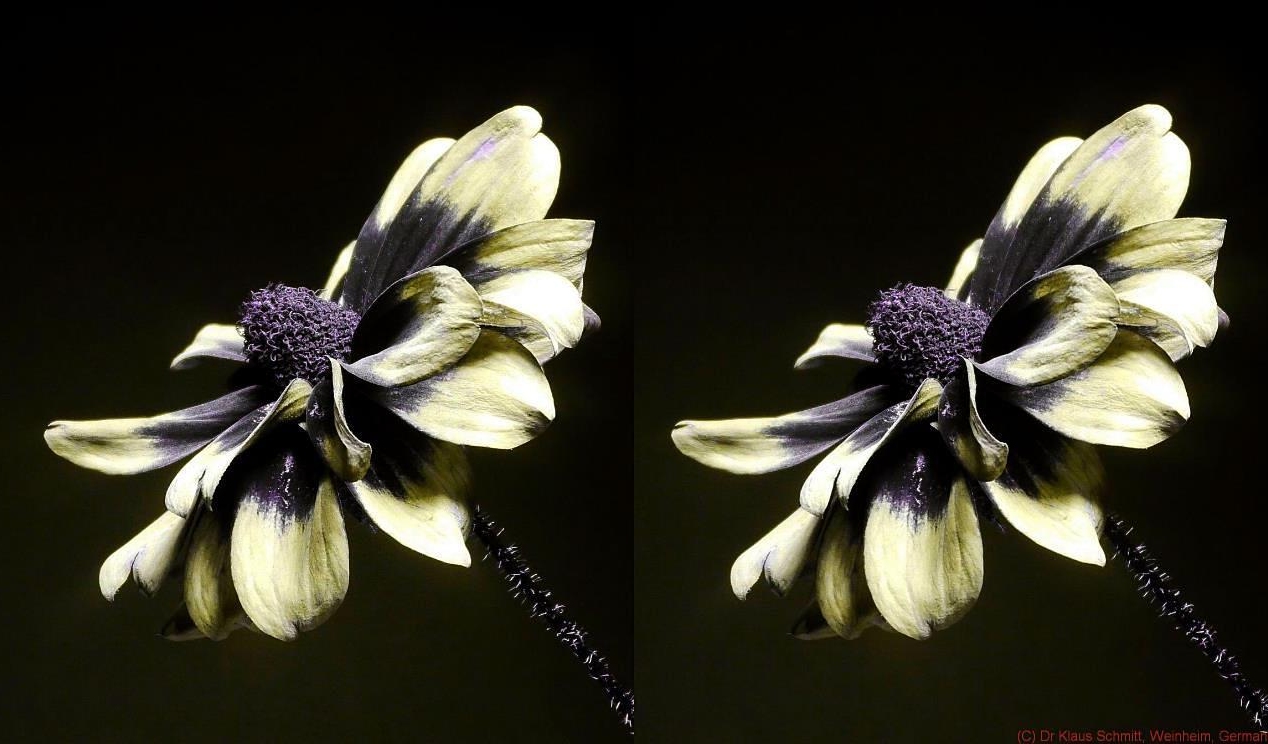
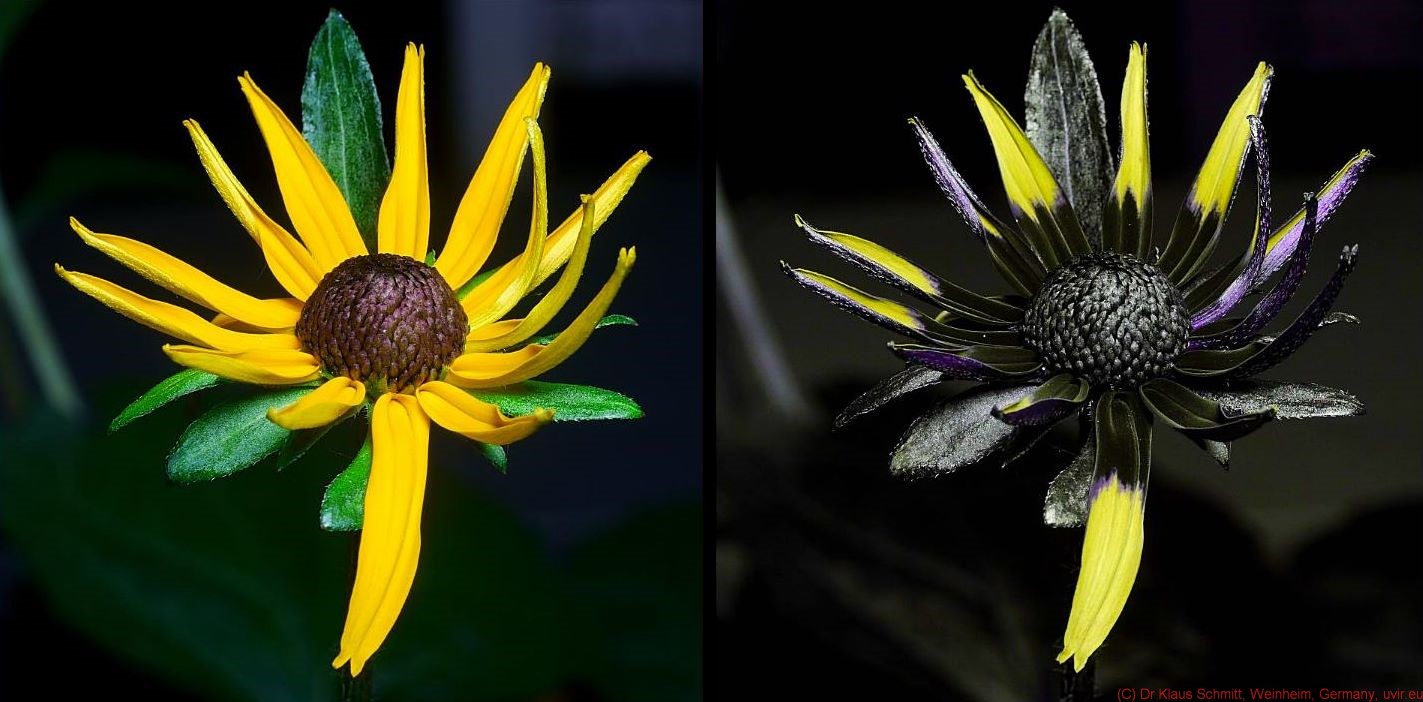
Here now closeups using one of my last Rudbeckias. Distance between lens and flower was about 150mm (using a thin helicoid for closer focusing, as with most rangefinder lenses, the closest focusing distance is one meter):

VIS:
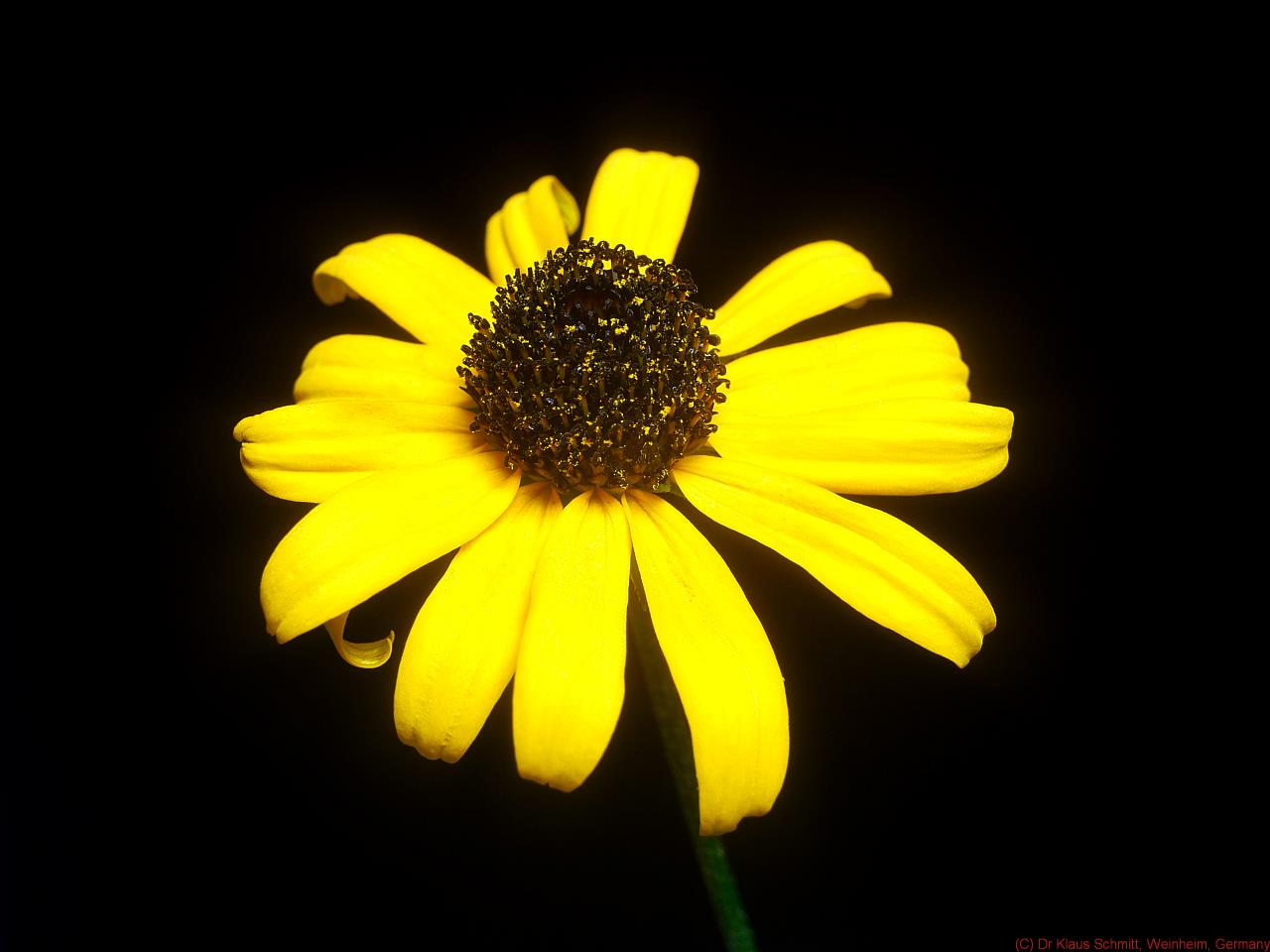

UV:


IR:
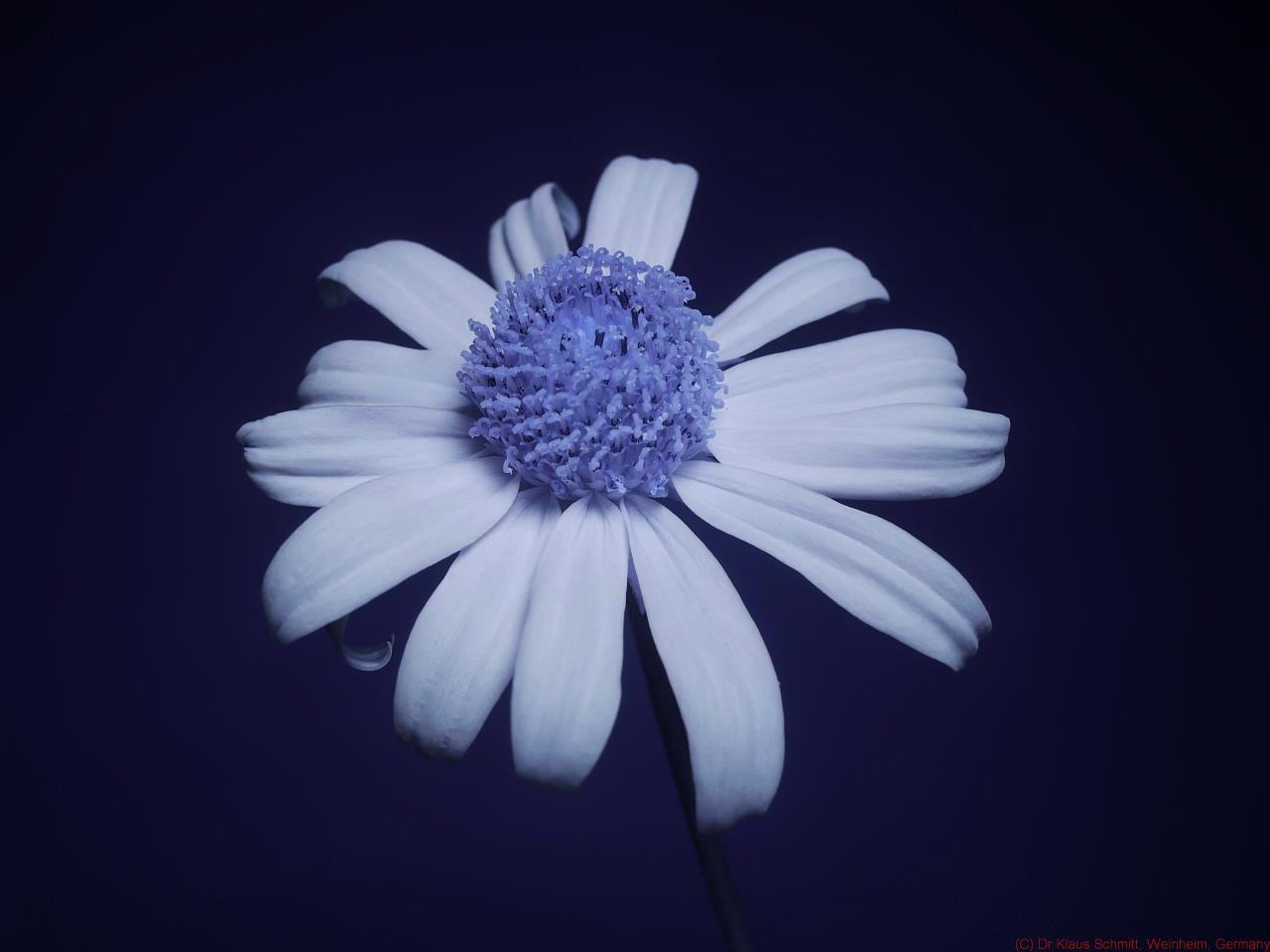

Not that bad actually ;)

That Orion-15 transmits UV to about 350nm, but the UV shot above was taken using the calibration of a flat transmitting quartz fluorite lens, to show the effect also in the resulting color. A color calibration could have been done also for that lens.

A downside should be mentioned: that lens has a 40.5mm deep set front filter thread that does not allow step rings to be mounted, so some clever idea how to attach filters is called for...


Stay tuned, more will follow on that fascinating subject...

More info on this very interesting field may be found on my site http://www.pbase.com/kds315/uv_photos

Friday, October 28, 2011

[UV, VIS, IR] Carl Zeiss Jena Lamegon 38mm

I have this lens since quite a while but never really thought it would be useful for UV or IR due to its complex lens design incorporating lots of glass elements and a few cemented ones, based on the famous Biogon design of Dr Bertele. But well, I'm too much a curious engineer, so while I was digging through lenses, I thought, I should convert it and give it a chance...

Actually that lens design was developed and used long time as their (former GDR) best wide angle lens, used for their "Reihenmesskammer" for aerial reconnaissance. This lens here is a derivative of its larger brother, with an reduced image angle and most likely a symmetrical 8e/4g design.

Here is a technical article of my friend Marco Cavina, that covers such ultra wide angles nicely with lots of images and diagrams as well as showing never finished prototypes.

[click on image to see a larger one]

UV-VIS differential:


Focus shift? Very small and neglectable!

VIS:


UV:


Closeups:

VIS:


UV:


IR:


well, no complaints I would say..

[unfortunately also that flower has already started its decline, which UV shots reveal so easily...]


Stay tuned, more will follow on that fascinating subject...

More info on this very interesting field may be found on my site http://www.pbase.com/kds315/uv_photos

Wednesday, October 19, 2011

[IR, VIS] Hypergon 26mm ultra wide angle also for IR

More today about that ultra wide angle large format HYPERGON lens I have published before.

It turned out that it seems to be a quite useful lens for VIS and now also IR on my UV camera(s), although it has quite some focus shift also in IR (expected from that simple design). The focal length has been confirmed by further measurements to be around 25 - 26mm, so let's stay with 26mm.

Here is a technical article of my friend Marco Cavina, that covers such ultra wide angles nicely with lots of images and diagrams as well as showing never finished prototypes.

Transmission:

[note: measured at f11]

Now more photographic results.... [click on image to see a larger one]

VIS/IR:


Detail:


Quite acceptable also for IR I'd say, even if there is some loss in sharpness and contrast...


Stay tuned, more will follow on that fascinating subject...

More info on this very interesting field may be found on my site http://www.pbase.com/kds315/uv_photos

Wednesday, October 12, 2011

[UV, VIS] Hypergon 26mm ultra wide angle

I found and adapted a previously unknown (in that focal length) ultra wide angle large format lens, obviously a Hypergon design, which Emil von Höegh invented around 1900 for the GOERZ company [he also invented the famous DAGOR lens for them] which was later taken over by ZEISS. Based on that Hypergon design, Robert Richter later in 1934 developed the famous TOPOGON lens for ZEISS, which became the classic aerial imaging lens for quite some time. The earlier Hypergon I have here was made approx. 1950 I would guess with a diagonal angle of view of about 120° (on its designed format of about 145mm image circle).

It turned out that it seems to be a quite useful lens for VIS and UV on my UV sensitive cameras, although it has quite some focus shift in UV (expected from that simple design). The focal length is an estimate, it is somewhere between 24 - 26mm from my measurements. I show the lens aberrations in the following screenshot (scaled to fit that smaller sensor, hence smaller used image angle and object at infinity; for an f11 aperture, which is the optimum for that lens):


Here is a technical article of my friend Marco Cavina, that covers such ultra wide angles nicely with lots of images and diagrams as well as showing never finished prototypes.

Now some photographic results.... [click on image to see a larger one]

VIS/UV:


Transmission:

[note: measured at f11]

These were also shot using it:


and despite the well known aberrations, using it results in quite useful images, also for visible light photography, thanks to its good contrast and sharpness:


and its good flare resistance:


Quite a nice find I'd say...


Stay tuned, more will follow on that fascinating subject...

More info on this very interesting field may be found on my site http://www.pbase.com/kds315/uv_photos

Sunday, September 25, 2011

[UV, VIS] Rudbeckia fulgida opening up III

More about the development of that Rudbeckia fulgida flower which is in the process of opening, so enjoy more shots in visible and ultraviolet light.

[click on image to see a larger one]

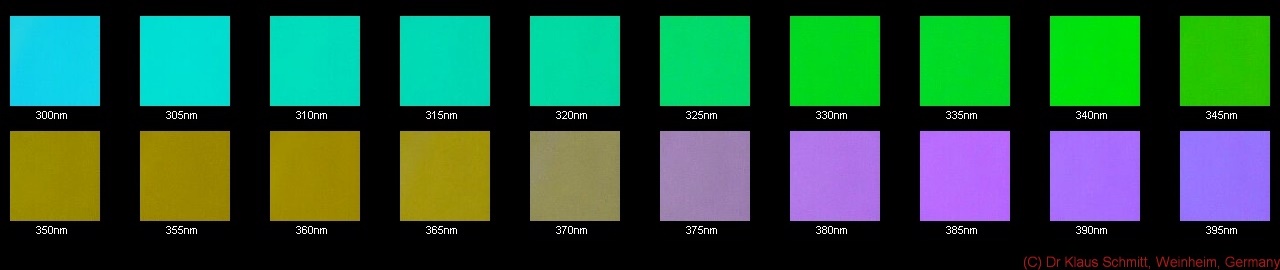
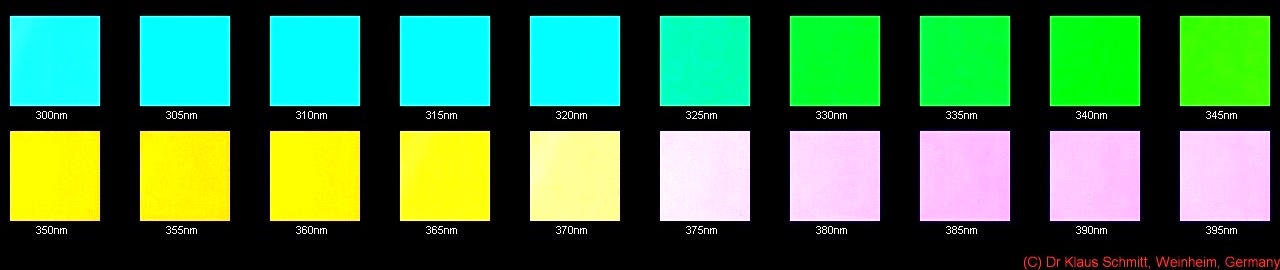
These UV images here also uses my standardized false UV color normal + high intensity palette:


and a few hours later:


Interesting to note, how these different UV reflection patterns further develop in the process of that flower maturing - that was one of the ideas behind performing that study.

Stay tuned, more will follow on that fascinating subject...

More info on this very interesting field may be found on my site http://www.pbase.com/kds315/uv_photos

Friday, September 23, 2011

[UV, VIS] Rudbeckia fulgida opening up II

More about the development of that Rudbeckia fulgida flower which is in the process of opening, so enjoy more shots in visible and ultraviolet light.

[click on image to see a larger one]

These UV images here also uses my standardized false UV color normal + high intensity palette:


and some hours later:


Interesting to note, how these different UV reflection pattern develop in the process of that flower maturing - that was one of the ideas behind performing that study.

Stay tuned, more will follow on that fascinating subject...

More info on this very interesting field may be found on my site http://www.pbase.com/kds315/uv_photos
Monday, September 19, 2011

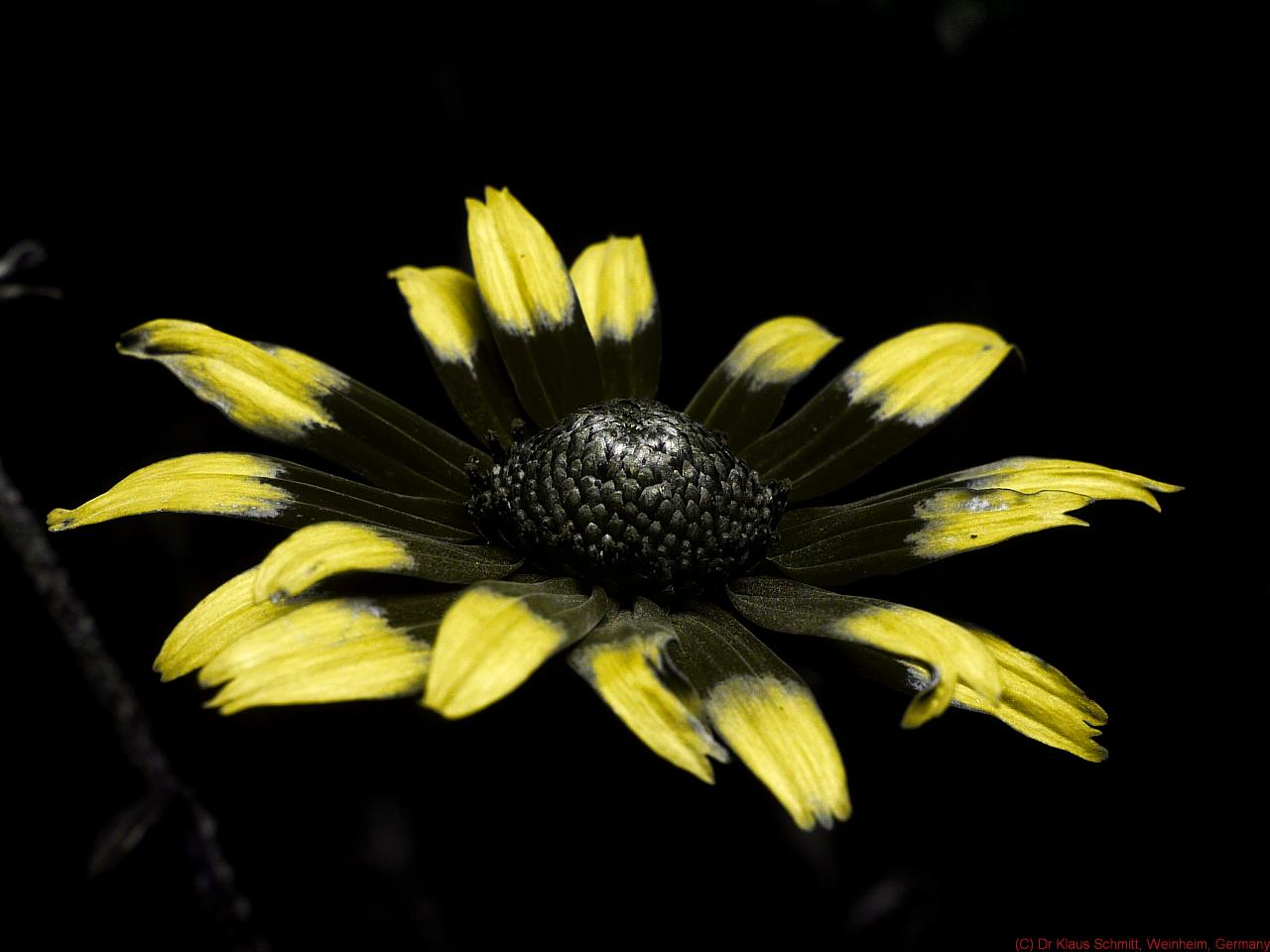
[UV, VIS] Rudbeckia fulgida opening up

Another Rudbeckia fulgida flower is in the process of opening, so enjoy shots in visible and ultraviolet light.

[click on image to see a larger one]


Stay tuned, more will follow on that fascinating subject...

More info on this very interesting field may be found on my site http://www.pbase.com/kds315/uv_photos