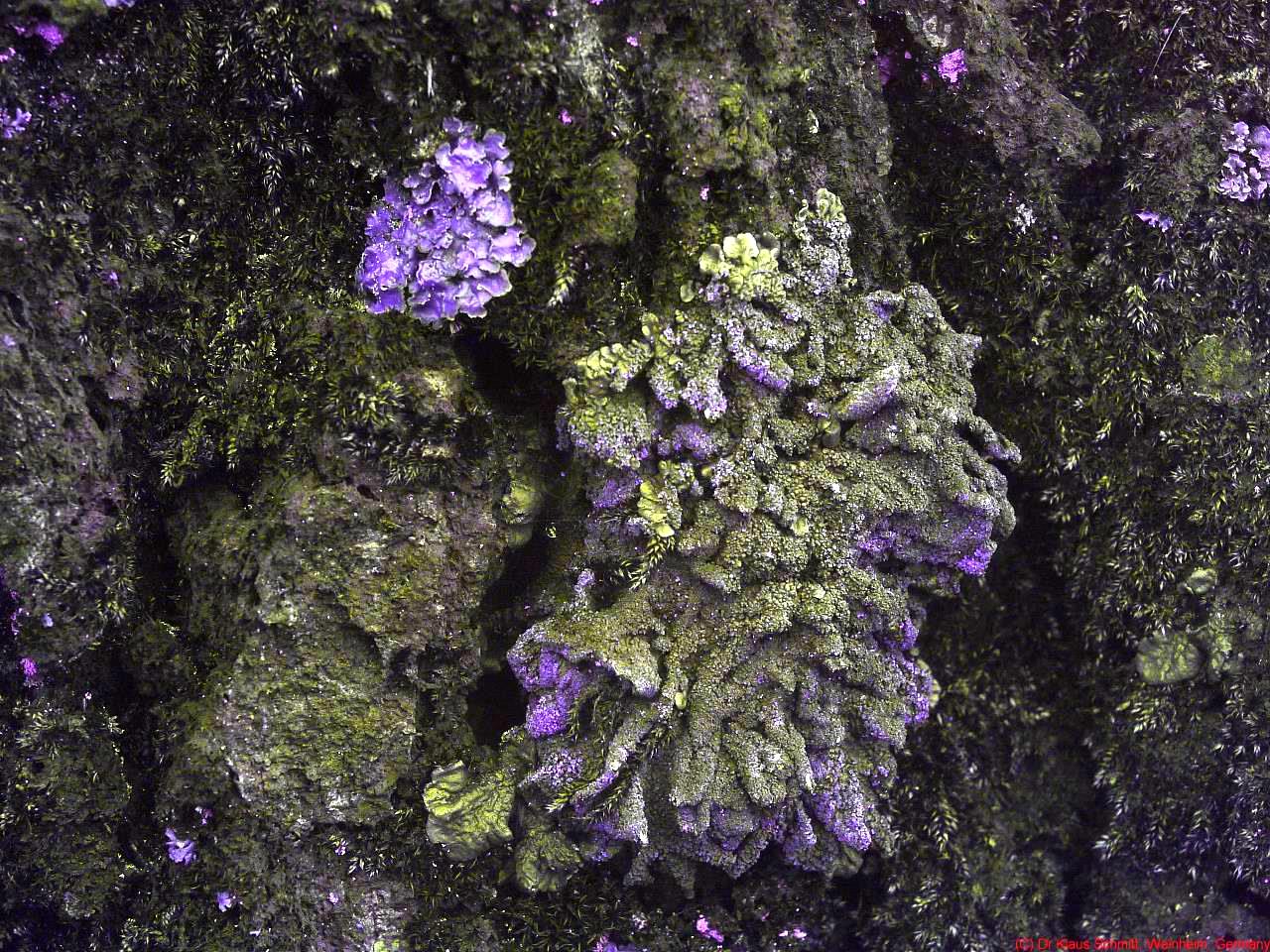
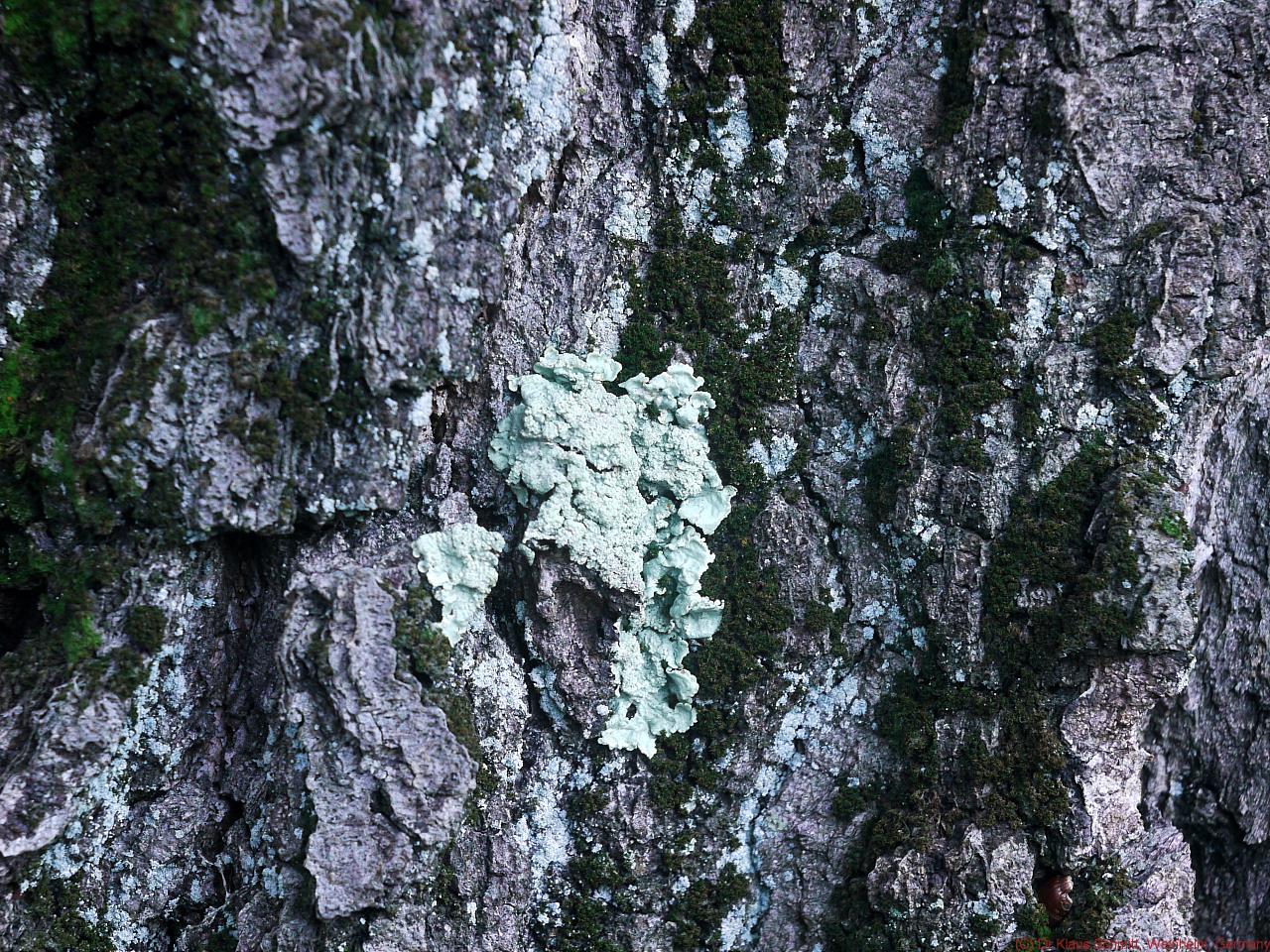
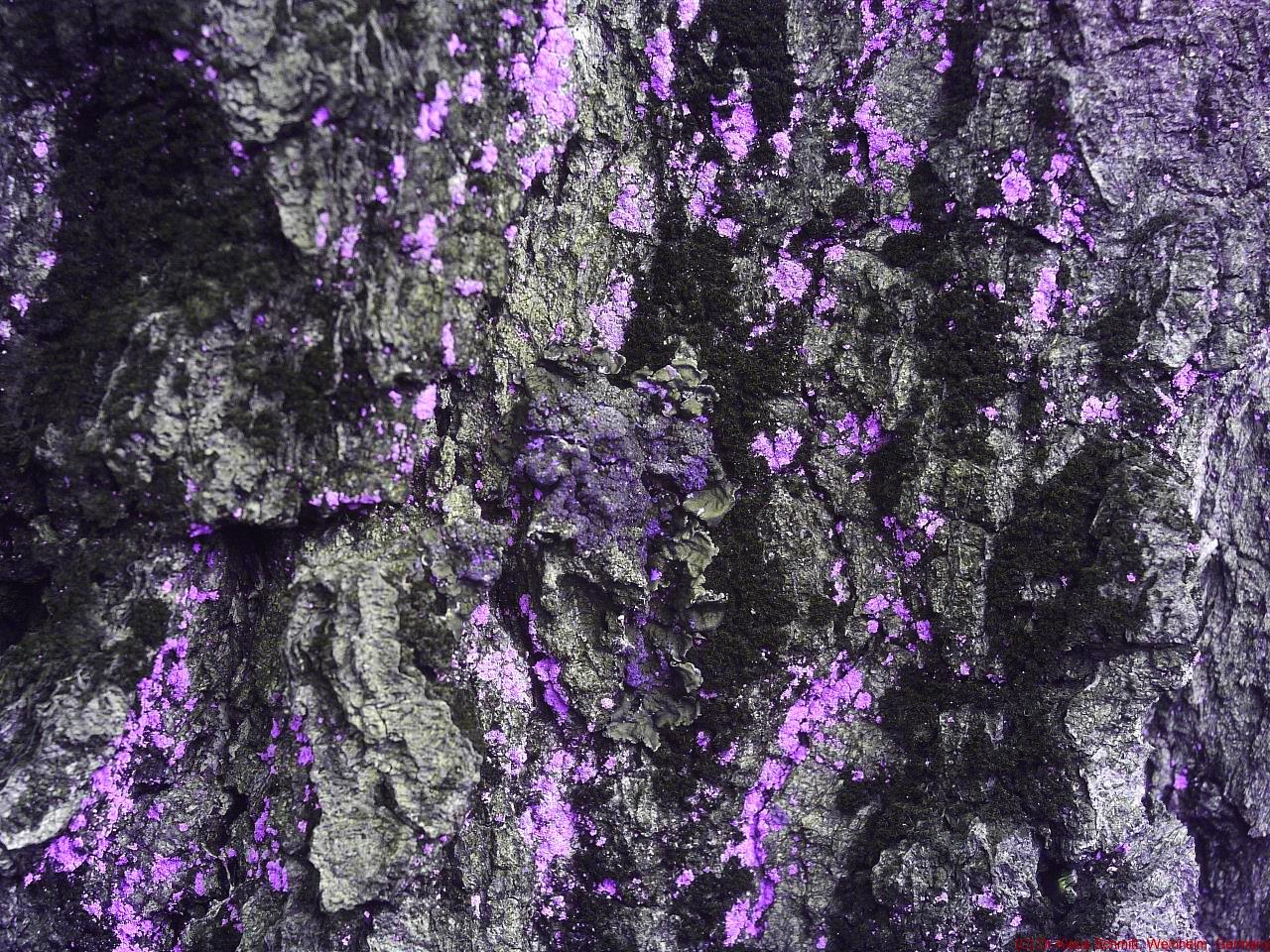
Tuesday, February 7, 2012

[UV] BBC Green Planet Series - The Science of Plants - How to Grow a Planet (II)

I had previously announced here my contribution to the BBC2 new three episode series "How to Grow a Planet" (renamed from "Green Planet") which will be presented by Professor Iain Stewart.

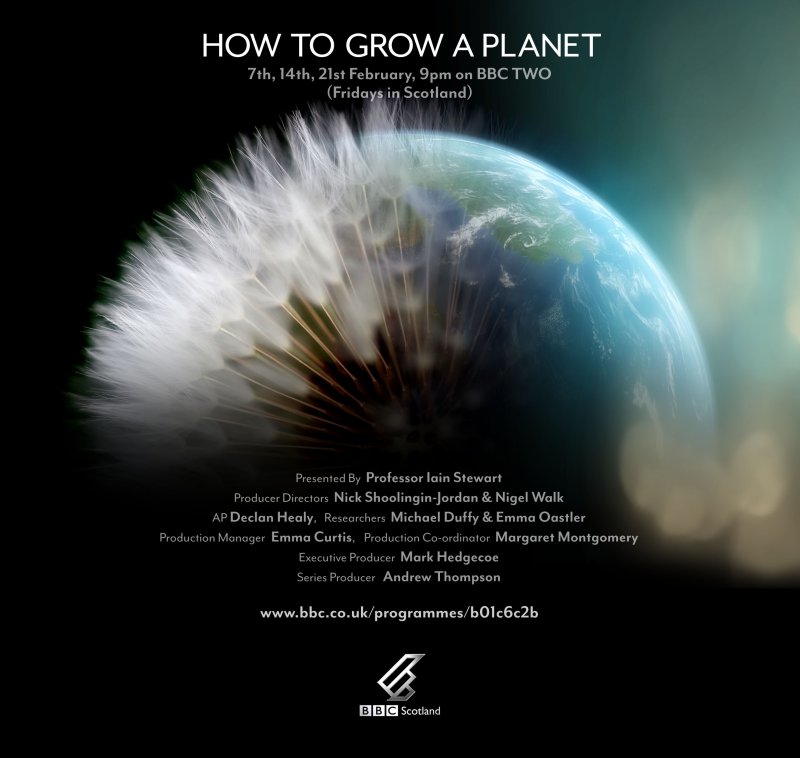
It has now been published that the series will be broadcast at 9pm GMT on BBC2 (and BBC HD) on Tuesdays 7, 14 and 21 February 2012 in the UK (and the following Friday in Scotland at the same time) and a bit later will also be visible through BBC's iPlayer.

The official BBC episode list is here with previews and my part will be shown in episode 2 on Feb 14, 9pm GMT.

This is the official broadcast card:


Stay tuned, more will follow on that fascinating subject...

More info on this very interesting field may be found on my site http://www.pbase.com/kds315/uv_photos

Friday, February 3, 2012

[UV, VIS, IR] Lyman Alpha deep UV lenses

Well, an old collectors rule is "everything comes to him who can wait" - that it would be 16 years from when I first learned about that lens and personally had contact with its inventor Richard Nye, I had not really expected.

Now a few days ago I was able to acquire three prototypes of those lenses, made 1992, which came from the estate of the inventor, Richard Nye, who has passed in 2007, then 77 years old. His company, Nye Optical, La Mesa CA, unfortunately does not exist anymore.

So, the scientific lenses he invented and custom made were for deep UV recording (capable to work beyond 200nm, especially made to record the 121nm Lyman alpha lines, hence the name - only in vacuum or nitrogen atmosphere of course), but having no chromatic aberration also in VIS and IR. It is a catoptric (reflex) Cassegrain design, which came in f2.8/200mm and f1.1/90mm versions for full format cameras (43mm image circle), but also for intensifier tubes and video cameras (25mm image circle), with focusing from 250mm to infinity and some adjustable 50mm resp. 18mm back focal length.

[click on image to see a larger one]


Inside the aluminum housing resides an about 25mm (1") thick quartz (ZERODUR most likely) mirror block, front aluminized plus a secondary mirror (most likely made of the same material) held by an adjustable metal "spider" in front of that first one. Quite built like a small 90mm diameter Cassegrain astronomical telescope.

DOF at one (1) meter (3ft) is as thin as a razor blade when using the Lyman Alpha f1.1/90mm lens and that doughnut shaped bokeh etc. makes it fun to use. So here a first visible light shot:


Additionally a short test video I shot using that lens:


which shows its dreamlike/surreal/ethereal rendering of images.

Stay tuned, more will follow on that fascinating subject...

More info on this very interesting field may be found on my site http://www.pbase.com/kds315/uv_photos
Monday, January 30, 2012

[UV] Lichen in reflected ultraviolet light III

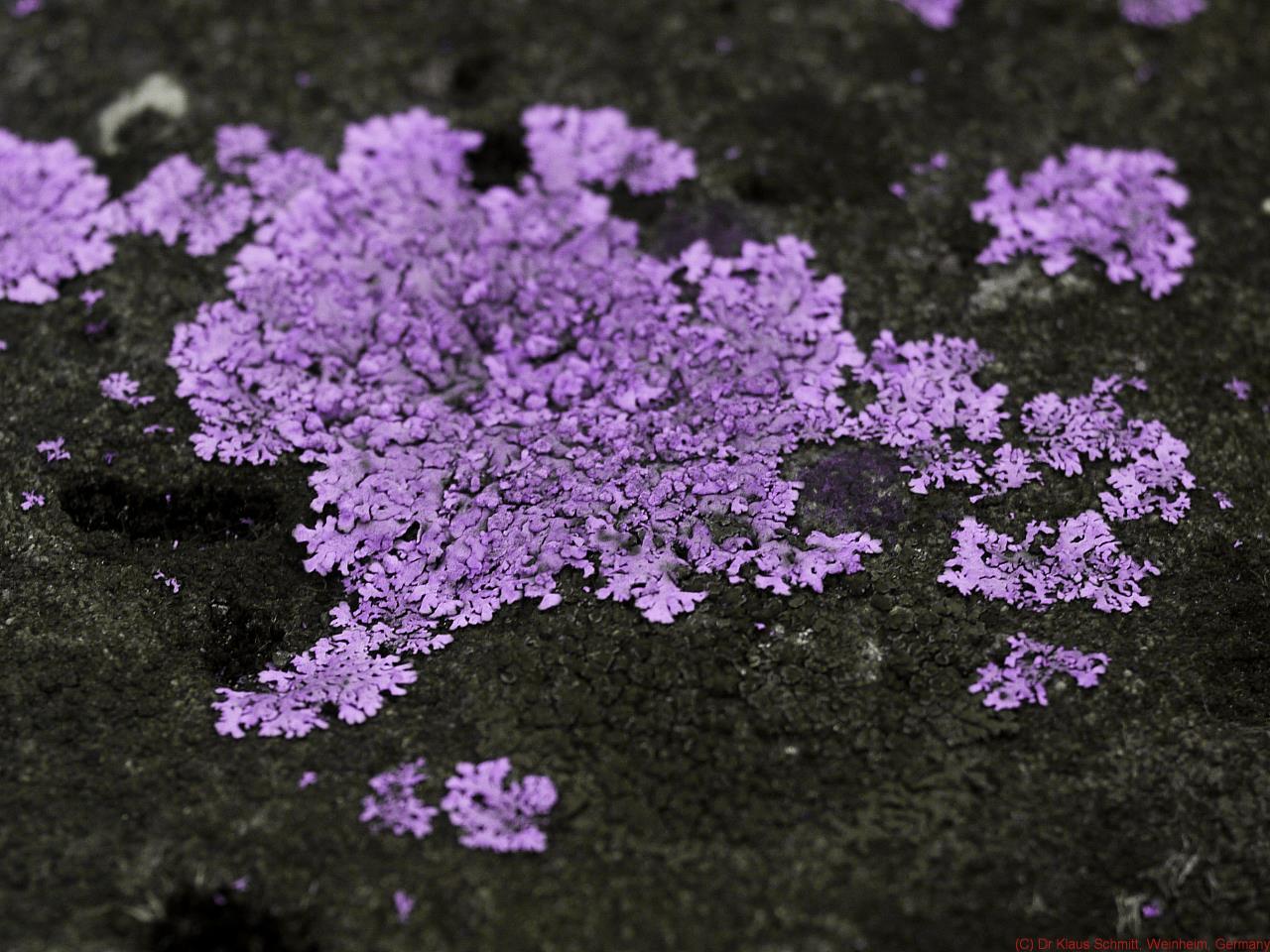
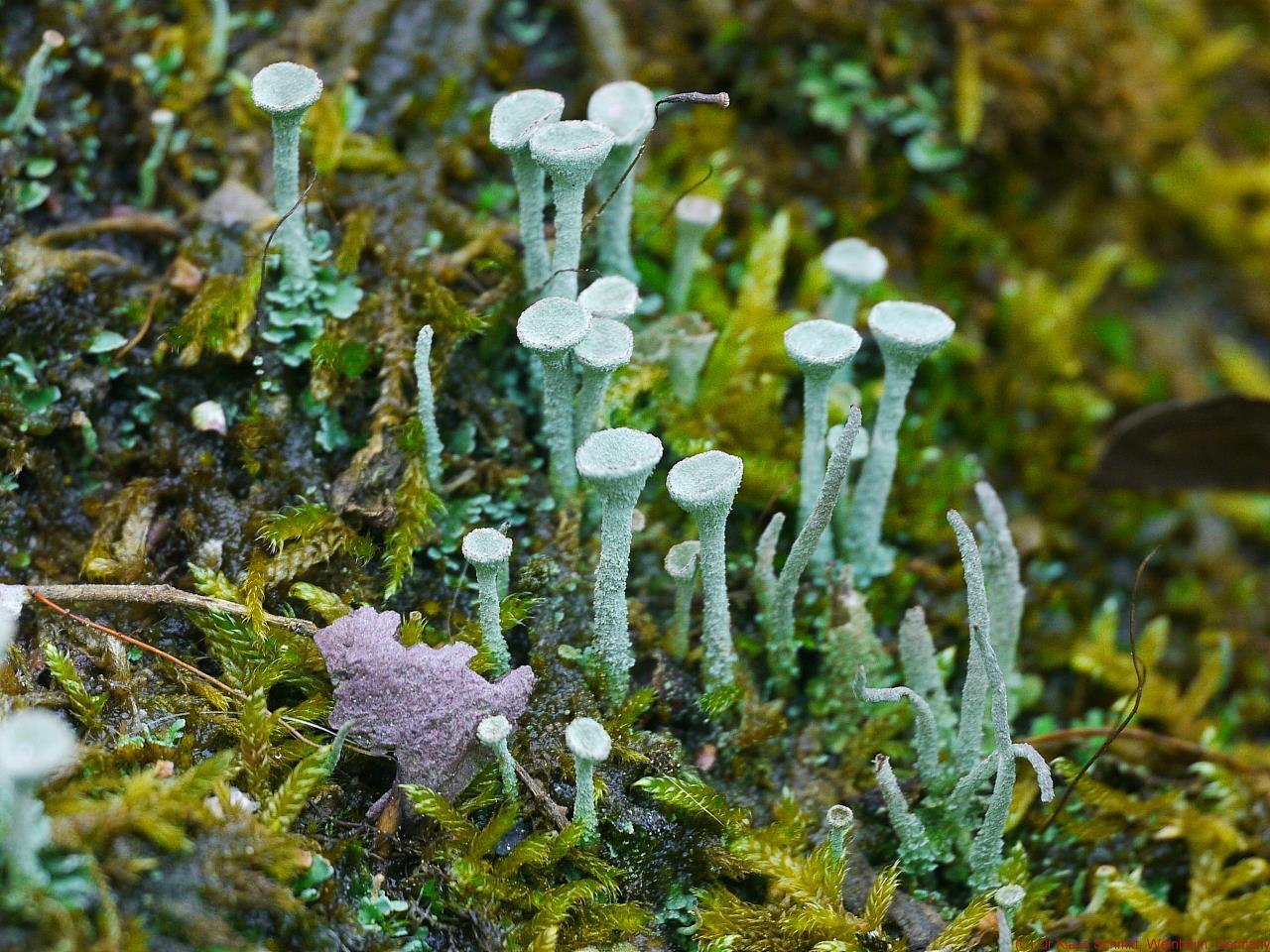
Today more about Lichen shots in visible and ultraviolet light, especially how damaged or dead lichen look like.

[click on image to see a larger one]

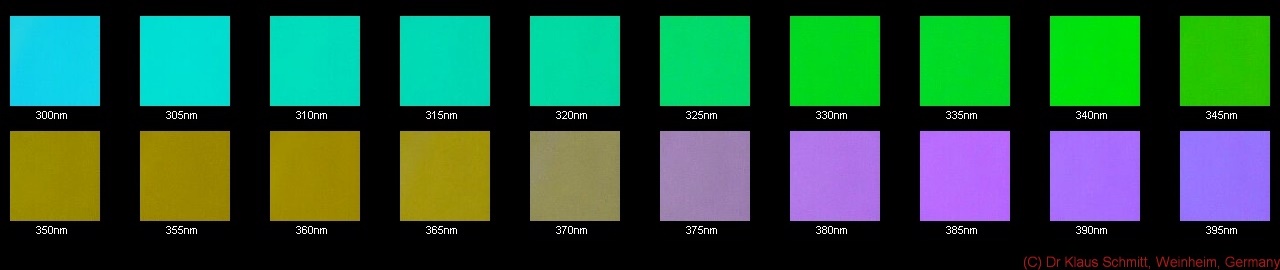
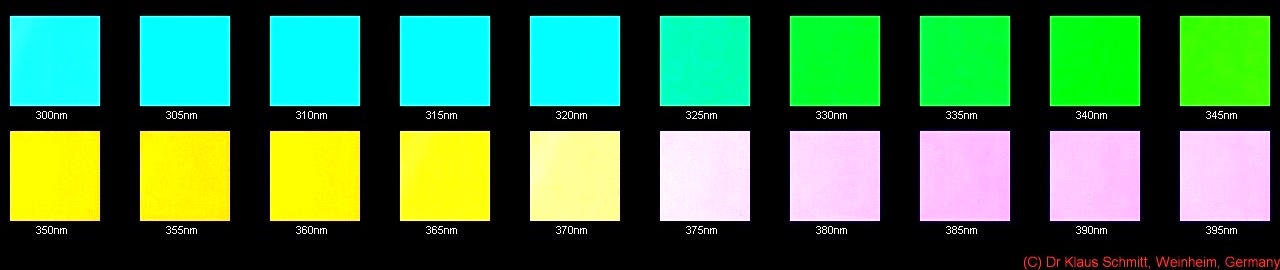
These UV images here also uses my standardized false UV color normal + high intensity palette:


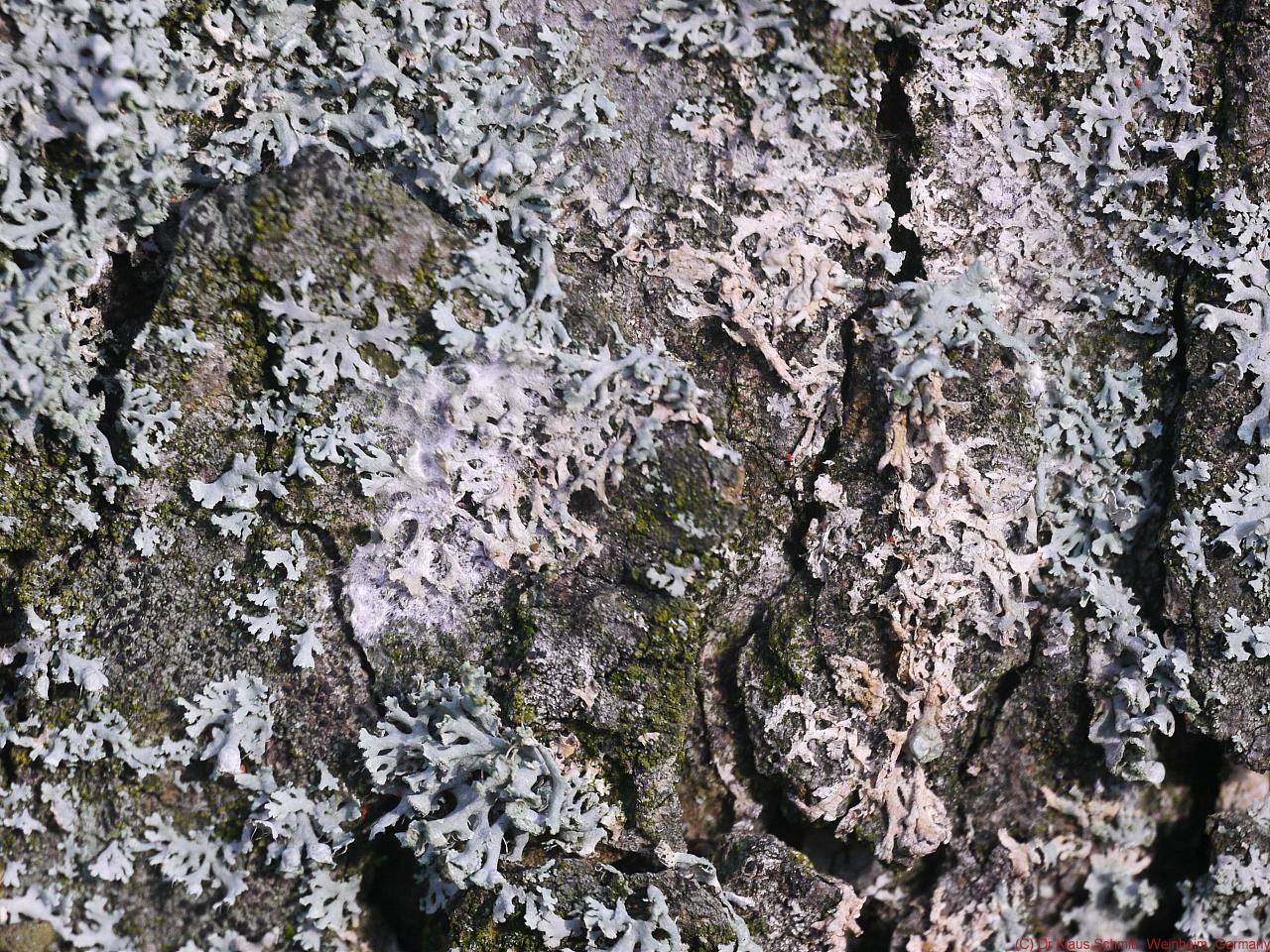
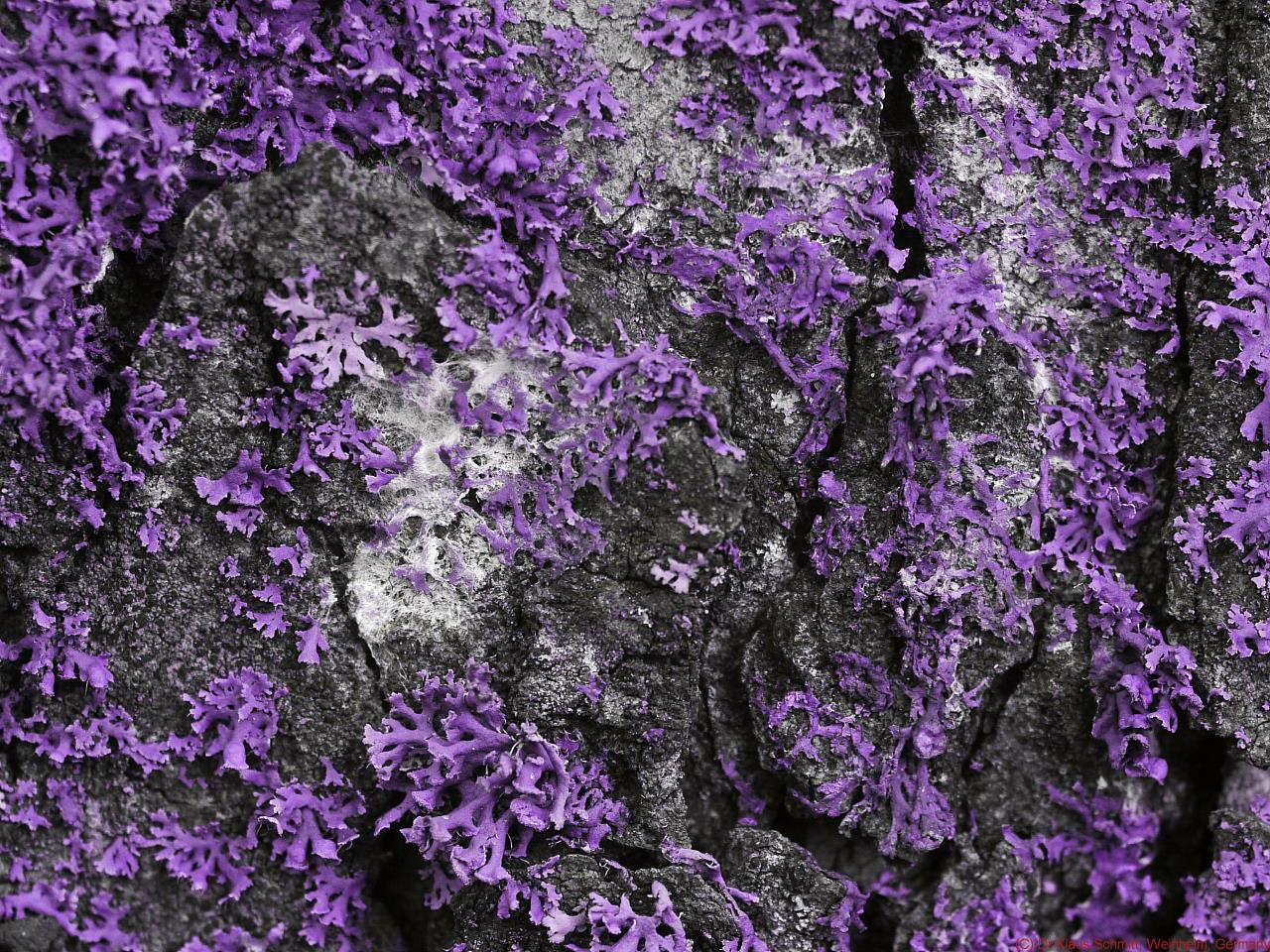
Damaged/dead Lichen

Fungus overgrown:

VIS:


UV:


Dead Lichen (bottom of picture):

VIS:


UV:


So it gets clear, that the UV image reveals living lichen, by its UV reflection, in the case of these species here at around 380nm.

Stay tuned, more will follow on that fascinating subject...

More info on this very interesting field may be found on my site http://www.pbase.com/kds315/uv_photos

[UV] Lichen in reflected ultraviolet light II

Today more about Lichen shots in visible and ultraviolet light.

[click on image to see a larger one]

These UV images here also uses my standardized false UV color normal + high intensity palette:


Lichen growing on a brownstone rock

VIS:


UV:


UV - different filtering:


Here this lichen specimen reflects UV at around 380nm. Interesting to note, how much details these UV shots reveals!

Stay tuned, more will follow on that fascinating subject...

More info on this very interesting field may be found on my site http://www.pbase.com/kds315/uv_photos

Saturday, January 28, 2012

[UV] Transmittance of the Minolta TC f4 135mm Triplet Lens

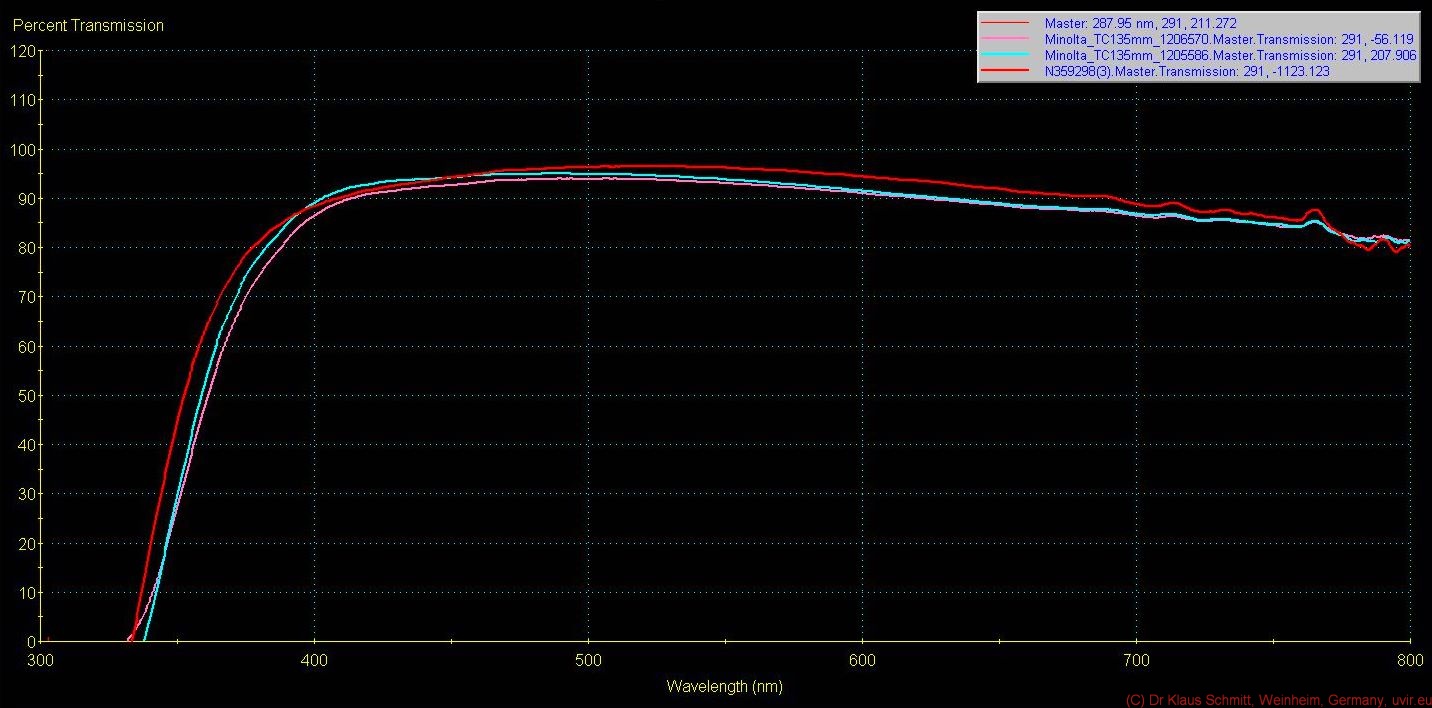
I tested some bellows lens heads the other day and the (expected) surprise was, how well that older and overlooked Minolta TC f4/135mm bellows lens head performed (teal and pink line), nearly identical to the Noflexar 35mm (red line; only about 0.2 stops less at 365nm). [I'm not sure if later made models may have the same good transmittance, as the coating may have been changed]

[click on image to see a larger one]


Here now a quick photographic test of that lens, which shows quite some focus shift in UV, the triplet lens design it is.


The micro structure that gets visible on the left petals looks promising, so quite a useful lens I have to say. Btw. it also comes mounted on a focusing helicoid for Minolta mount, sold under the same name, but the lens head can be unscrewed as it has a Leica thread mount (M39 x 26tpi) which is the standard enlarger lens mount.

Outside tests will have to be performed to see if it is free of hotspots, how free of flare it is etc.

Stay tuned, more will follow on that fascinating subject...

More info on this very interesting field may be found on my site http://www.pbase.com/kds315/uv_photos

[UV] Transmittance of some Bellows Lens Heads

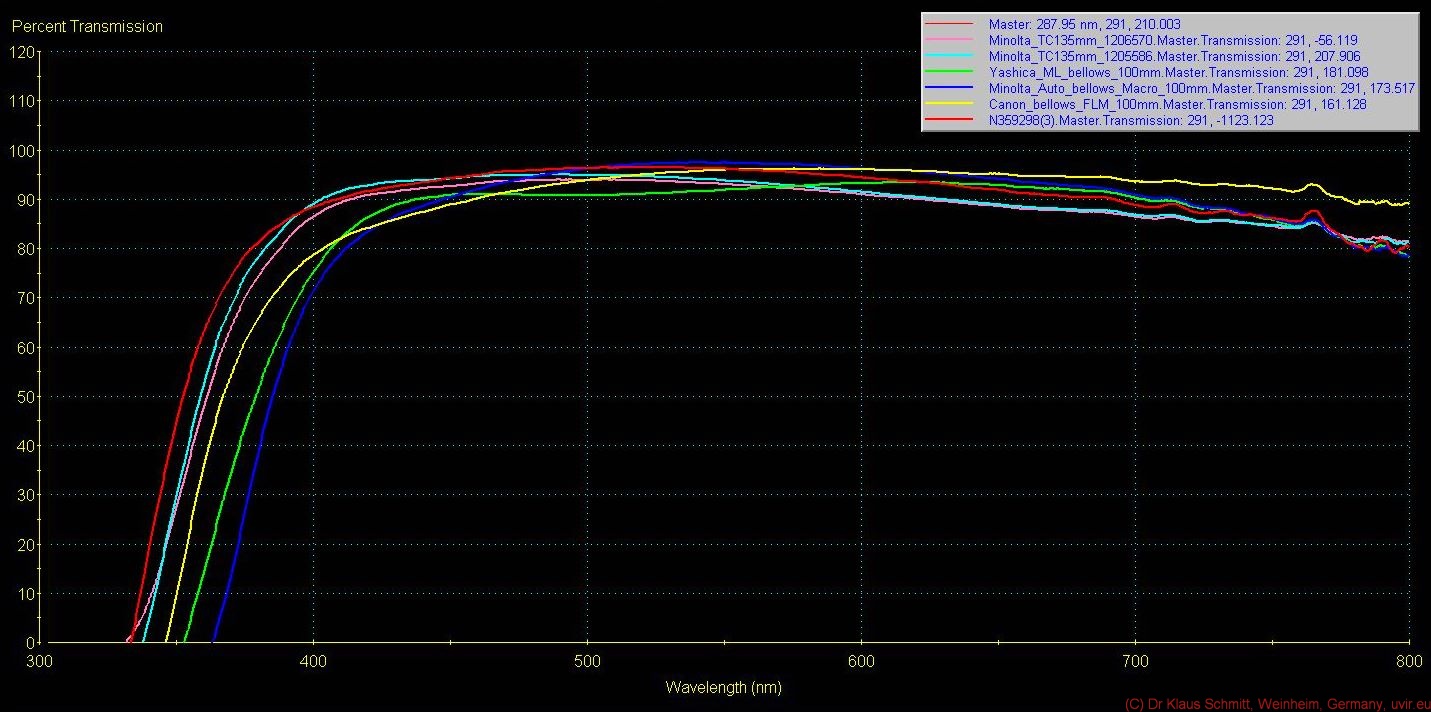
I conducted a test today to measure the UV transmittance of some older manual bellows lens heads I have here.

Be reminded that this is only a test of the suitable UV transmittance, not of other important parameters for UV photography (sharpness, contrast, freedom of flare or hotspots etc.)


Of course the well known Novoflex Noflexar 35mm has been used as a reference, as it stands out as a very well UV transmitting lens. The (expected) surprise was, how well that older and overlooked Minolta TC f4/135mm perfomed, nearly identical to the Noflexar (only about 0.2 stops less at 365nm).

I will show its photographic performance in a separate test later.

Stay tuned, more will follow on that fascinating subject...

More info on this very interesting field may be found on my site http://www.pbase.com/kds315/uv_photos

Wednesday, January 25, 2012

[UV] Lichen in reflected ultraviolet light

Today about Lichen shots in visible and ultraviolet light.

[click on image to see a larger one]

These UV images here also uses my standardized false UV color normal + high intensity palette:


Lichen on oak tree

VIS:


UV:


Lichen on another tree

VIS:


UV:


Interesting to note, how much details these UV shots reveals!

Stay tuned, more will follow on that fascinating subject...

More info on this very interesting field may be found on my site http://www.pbase.com/kds315/uv_photos