Saturday, June 23, 2012

Coryphanta vivipara: human vision vs simulated bee vison; reflected UV ultraviolet photography

My wife's cute little cactus just today opened up two if its four flowers. I wanted to show this one in its multispectral representation today. So I took some shots in normal human vision VIS, in UV using the Baader-U, Jupiter-U and the new Saturn-U (300-350nm) filter, as well as in simulated bee vision using my XBV2, XBV3 and the new, stricter XBV5 filters respectively.

[click on image to see a larger one]

Visual shot:


Simulated bee vison using XBV3 filter:
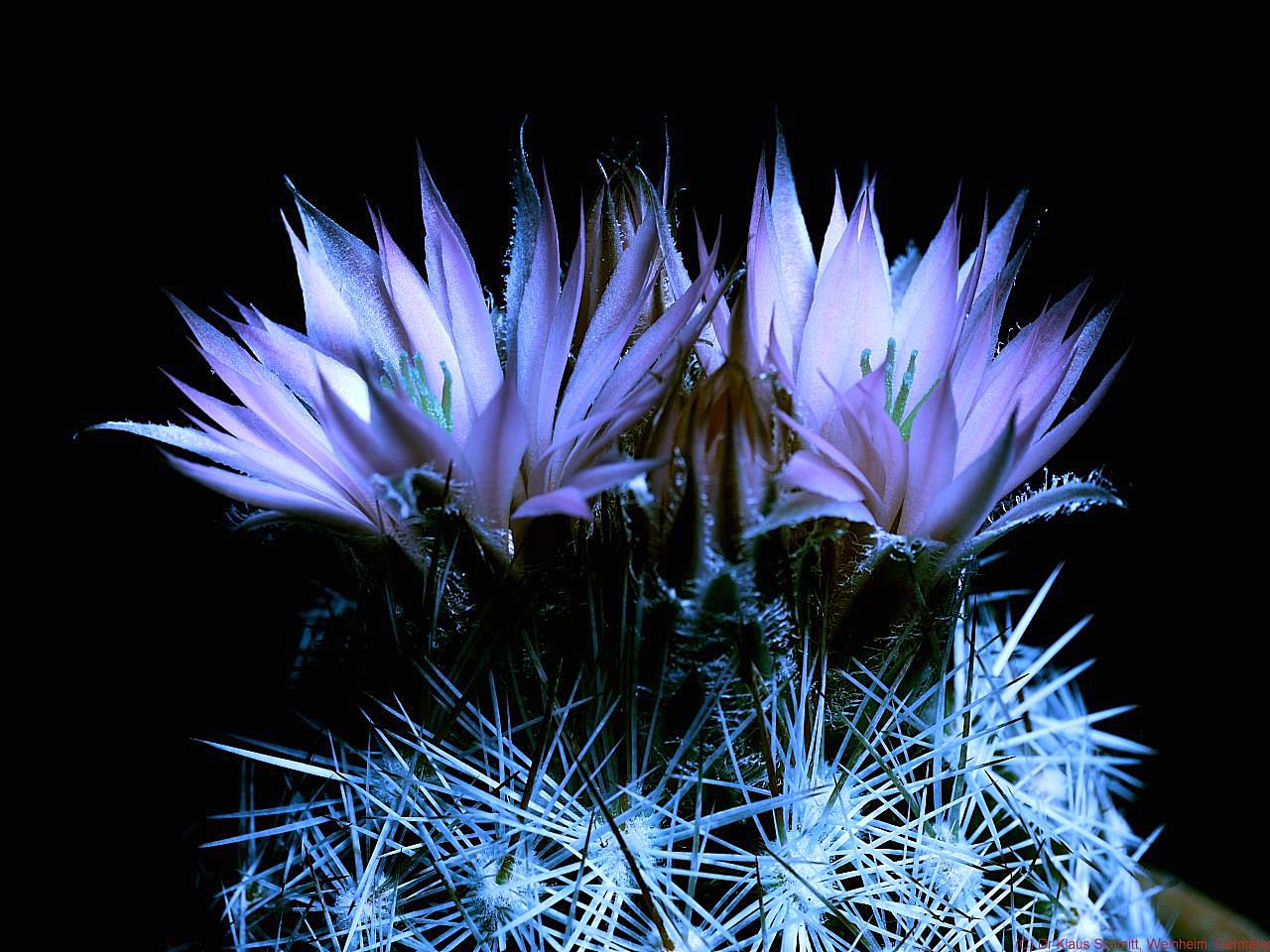

Simulated bee vison using XBV2 filter:
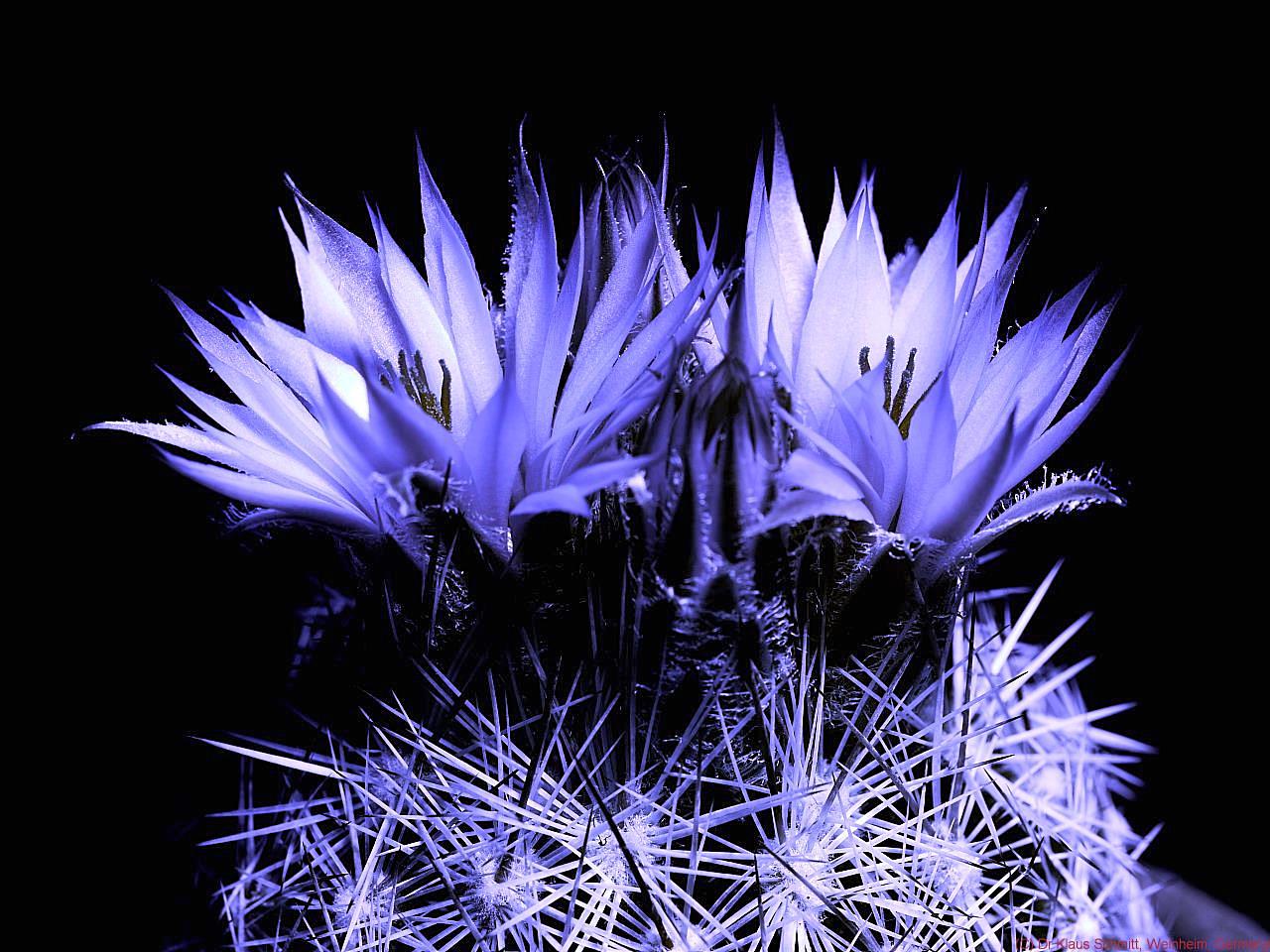

Simulated bee vison using XBV5 filter:
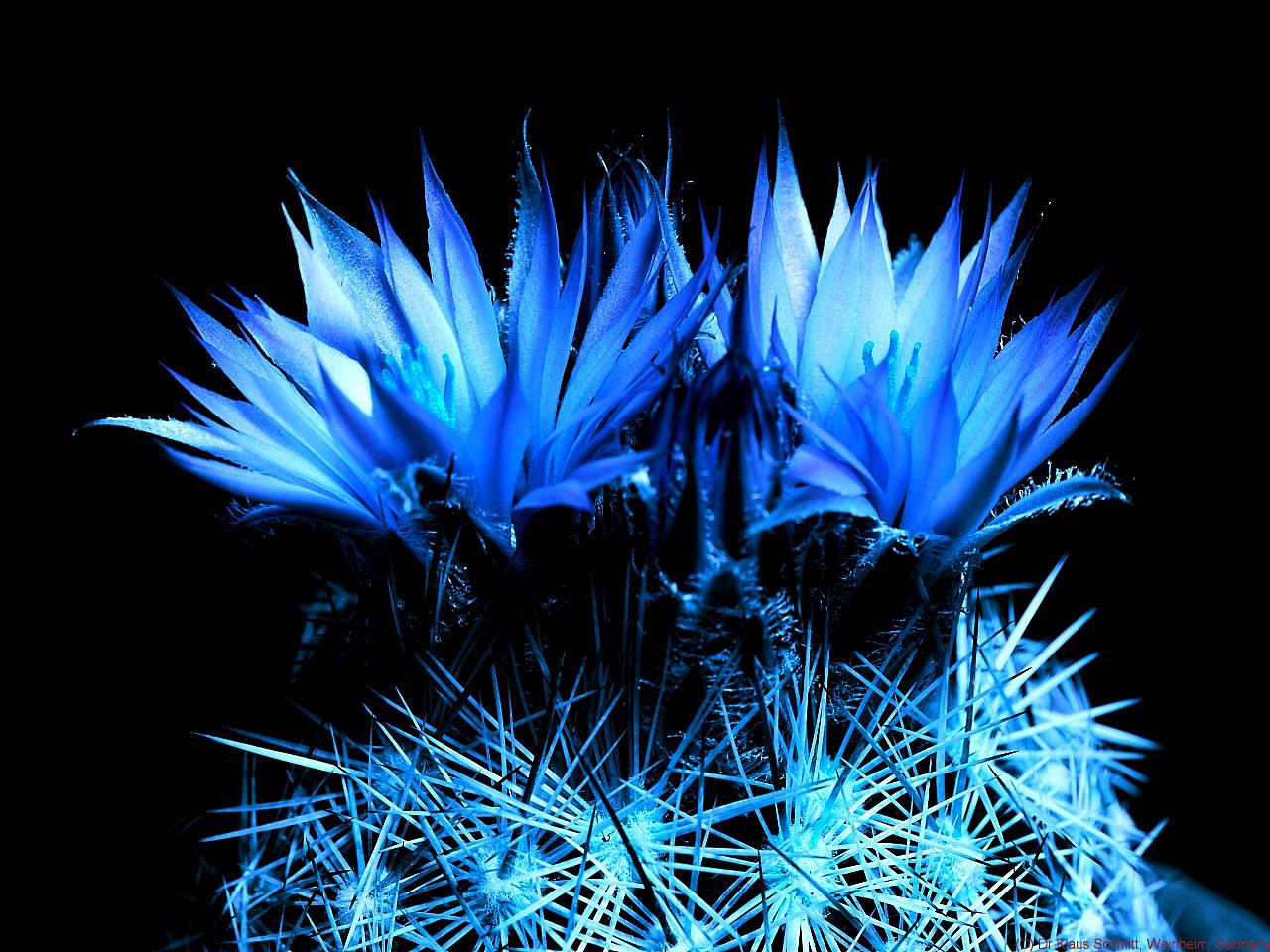

UV using Baader-U filter:


UV using Jupiter-U filter:


UV using Saturn-U (300-350nm) filter:
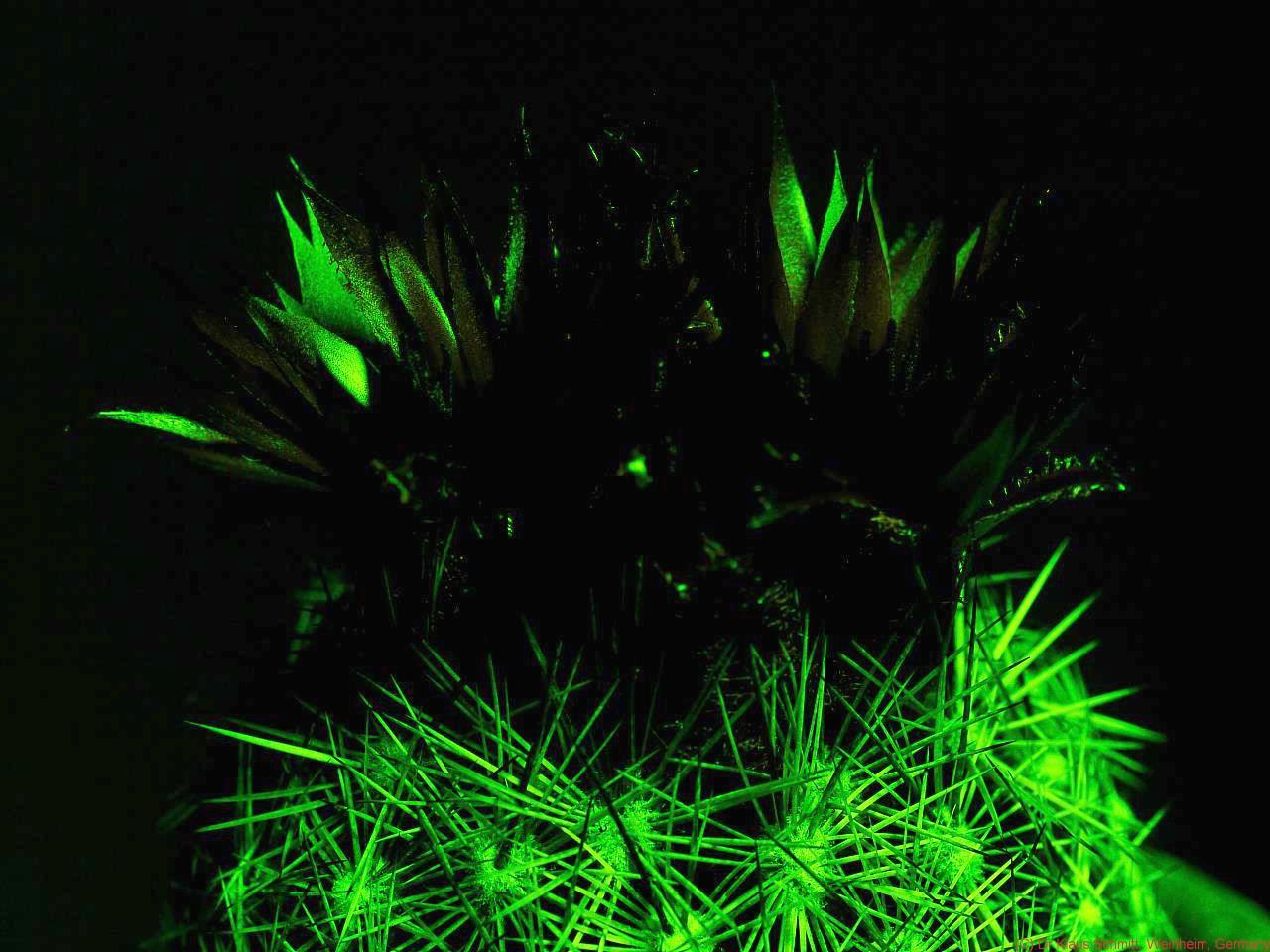

IR (basically) as it was shot using only a ND filter:


And here a polyptych of a few of those images:


Interesting to note, that the shorter waveband the filters are, the clearer they differentiate the UV reflective petals inside from the much lower reflective petal outsides.

I'm still working on my bee vision (BV) filters; BV5 is a very strict one that cuts all longer than short wave green. More about these special new filters here later in a seperate entry.


Stay tuned, more will follow on that fascinating subject...

More info on this very interesting field may be found on my site http://www.pbase.com/kds315/uv_photos

Thursday, June 21, 2012

Rudbeckia hirta: human vision vs simulated bee vison; reflected UV ultraviolet photography II

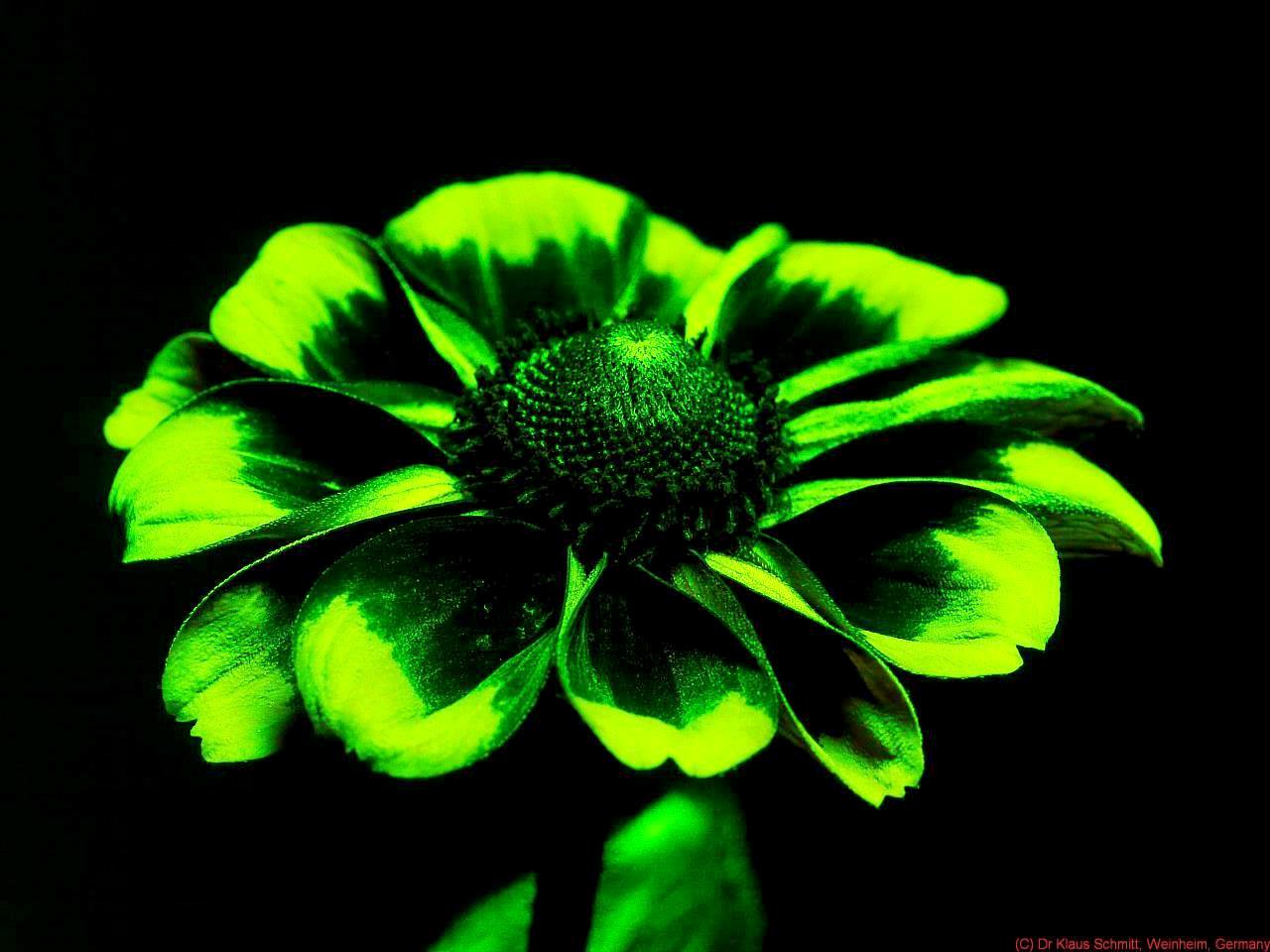
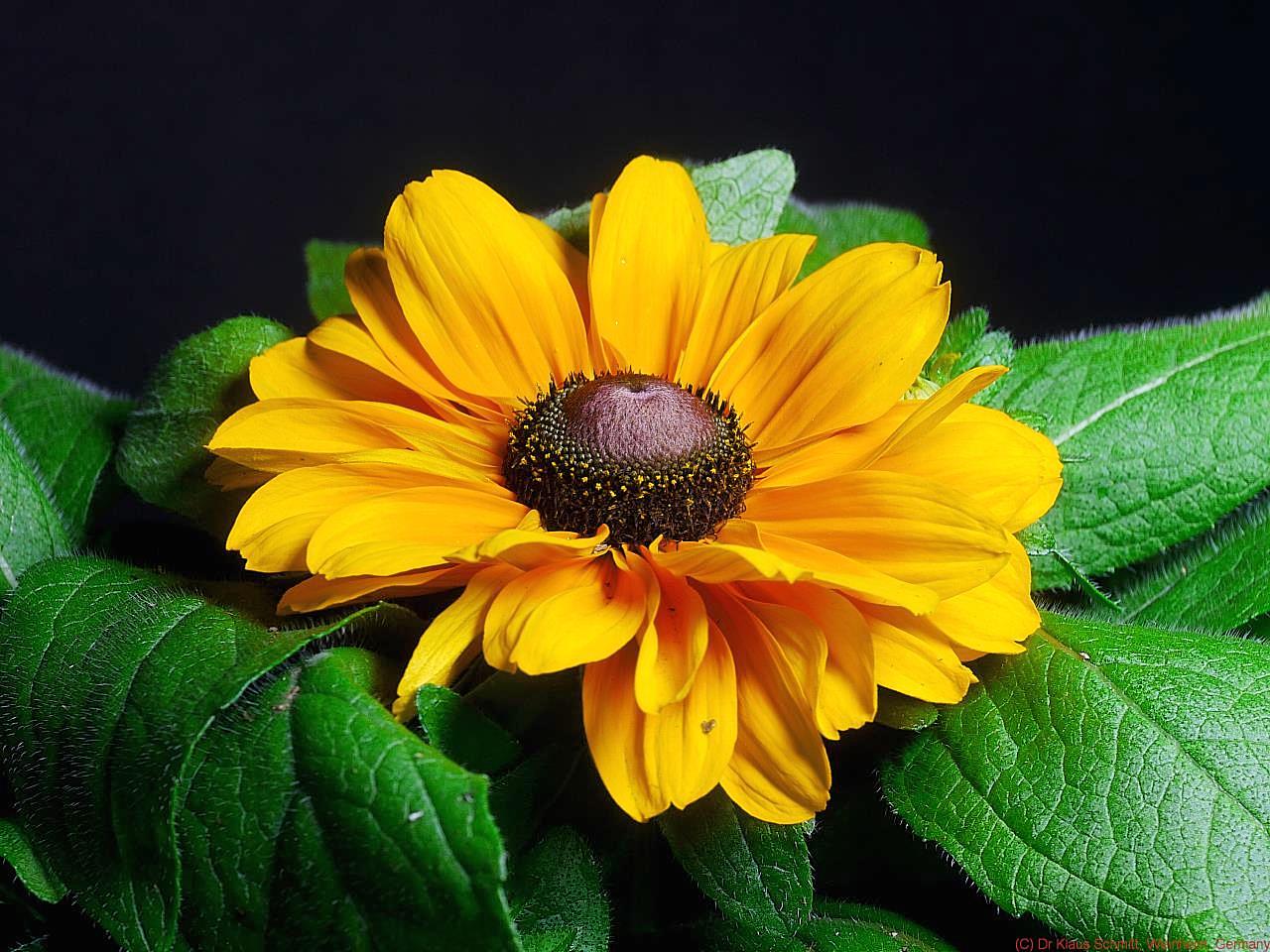
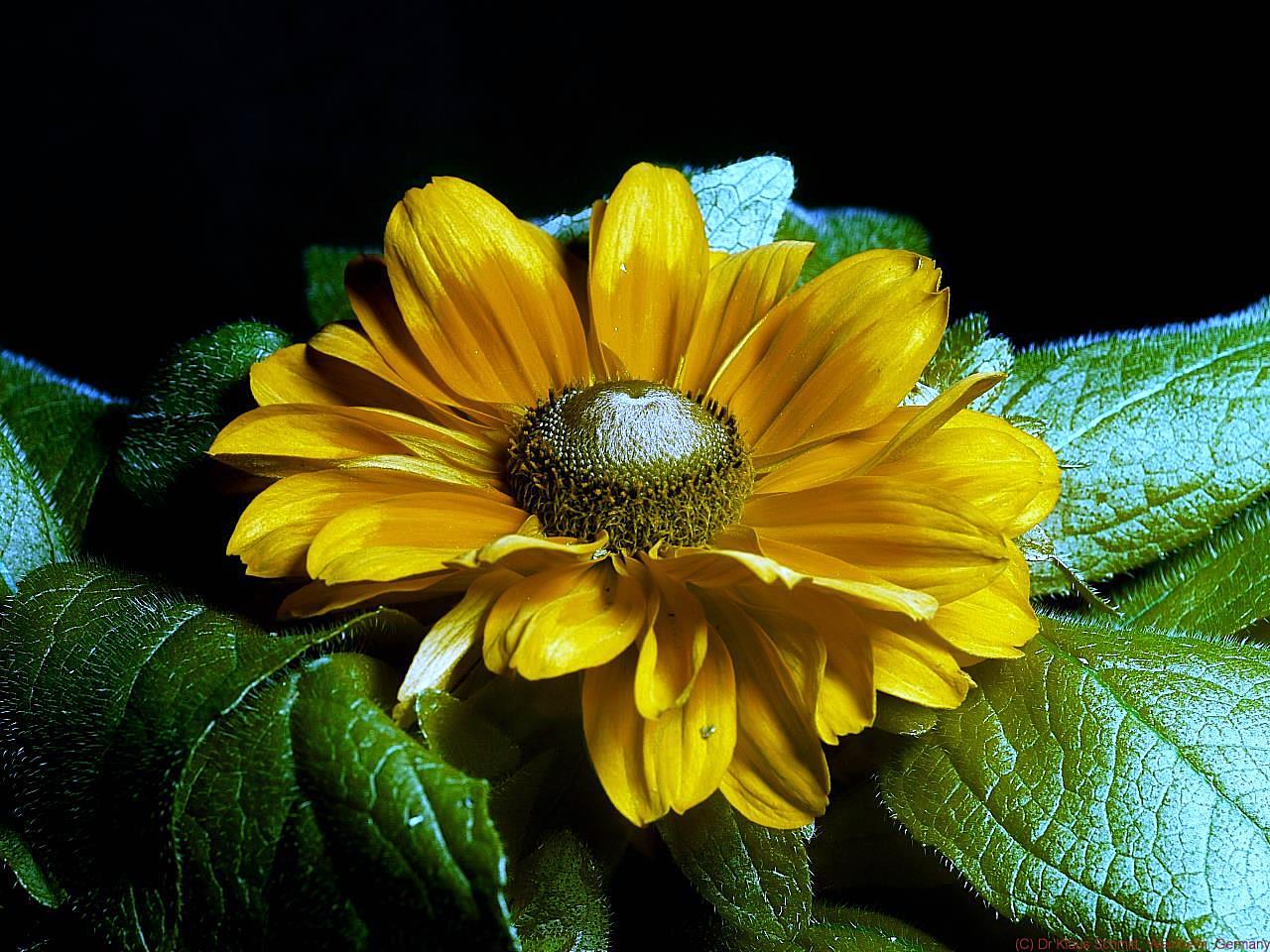
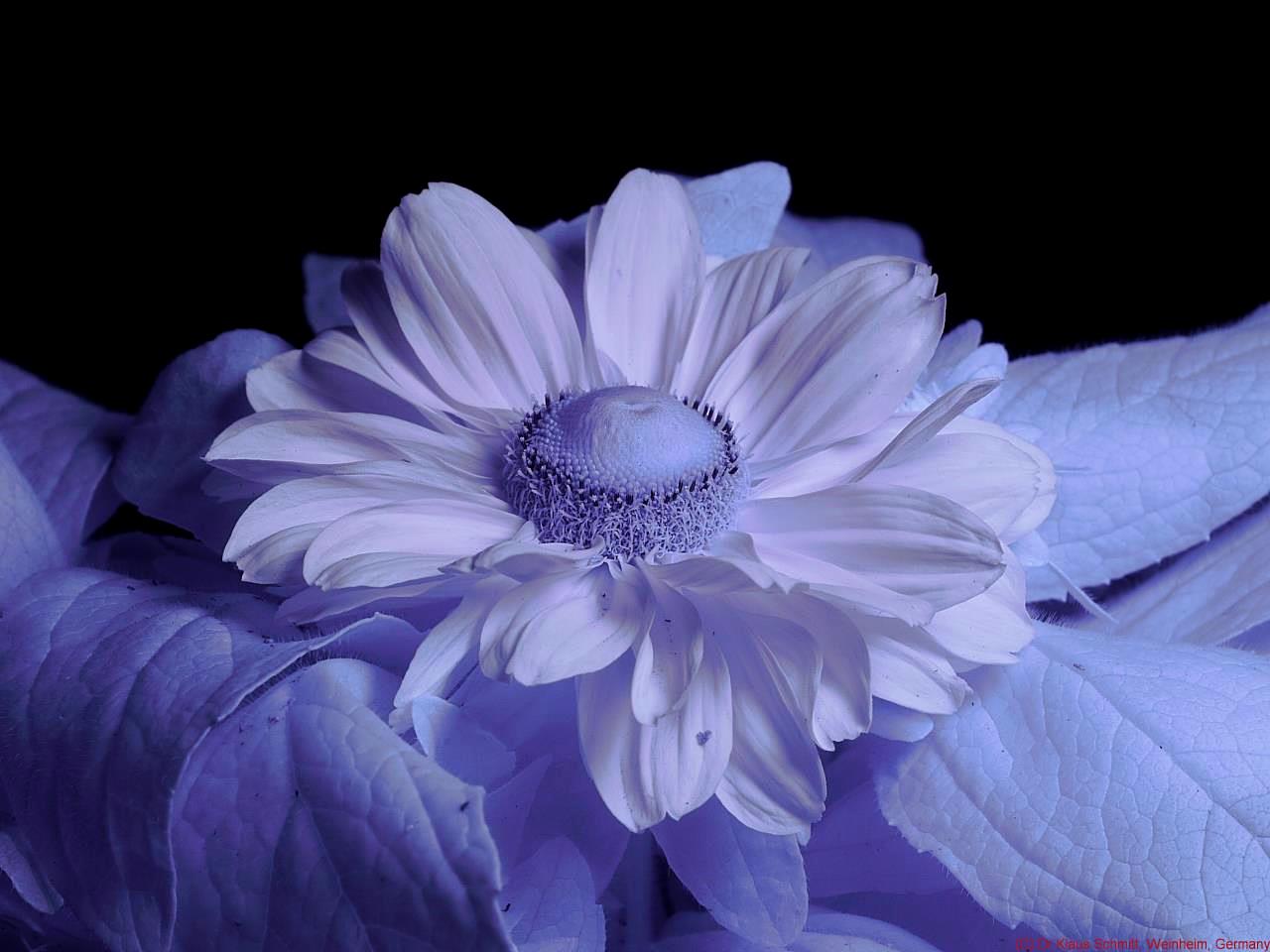
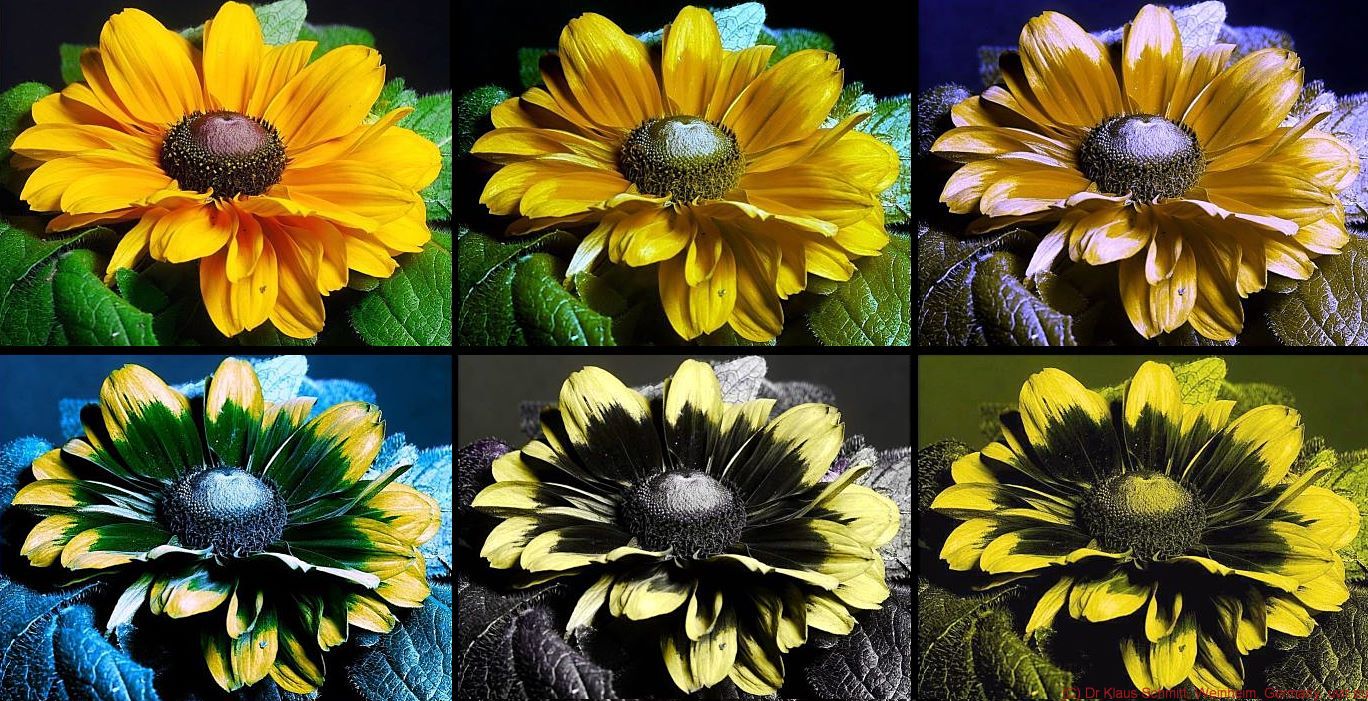
I had discovered some flowering Rudbeckias the other day. So this is another R. hirta as I have shown before and I wanted to also show this one in its multispectral representation. So I took some shots in normal human vision VIS, in UV using the Baader-U, Jupiter-U and the new Saturn-U (300-350nm) filter, as well as in simulated bee and butterfly vision using my XBV2, XBV3 and the new, stricter XBV5 filters respectively.

[click on image to see a larger one]

Visual shot:


Simulated butterfly vison using XBV3 filter:


Simulated butterfly vison using XBV2 filter:


Simulated bee vison using XBV5 filter:


UV using Baader-U filter:


UV using Jupiter-U filter:


UV using Saturn-U (300-350nm) filter:


IR (basically) as it was shot using only a ND filter:


And here a polyptych of a few of those images:


As you may have noticed, I'm still working on my bee vision (BV) filters; BV5 is a very strict one that cuts all longer than short wave green.

More about these special new filters here later in a seperate entry.


Stay tuned, more will follow on that fascinating subject...

More info on this very interesting field may be found on my site http://www.pbase.com/kds315/uv_photos
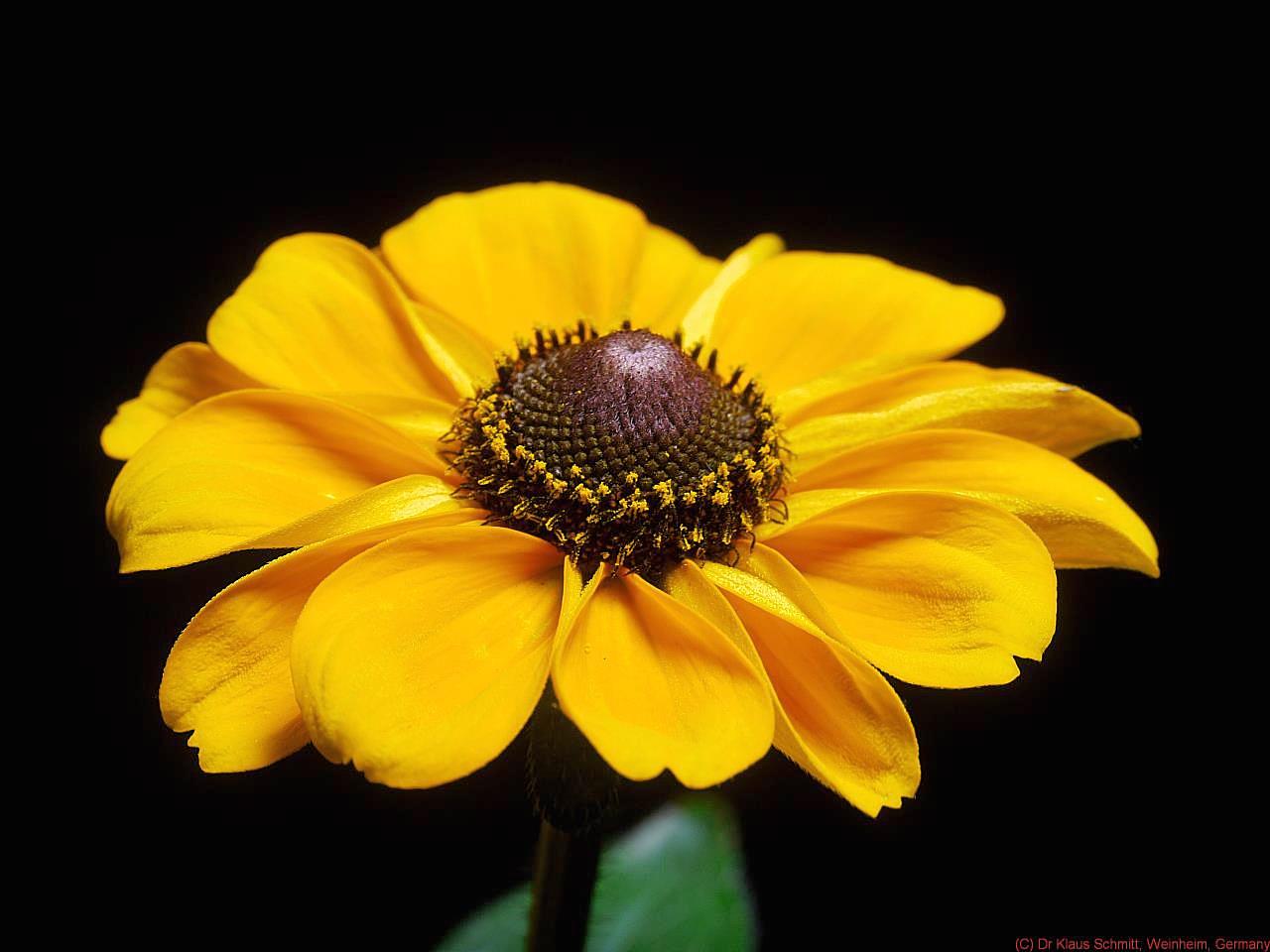
Tuesday, June 19, 2012

Rudbeckia hirta: human vision vs simulated bee vison; reflected UV ultraviolet photography

Today I discovered some flowering Rudbeckias. So this is R. hirta and wanted to show this one in its multispectral respresentation. So I took some shots in normal human vision VIS, in UV using the Baader-U, Jupiter-U and the new Saturn-U (300-350nm) filter, as well as in simulated bee vision using my XBV2, XBV3 and the new, stricter XBV5 filters respectively.

[click on image to see a larger one]

Visual shot:


Simulated butterfly vison using XBV3 filter:


Simulated butterfly vison using XBV2 filter:


Simulated bee vison using XBV5 filter:


UV using Baader-U filter:


UV using Jupiter-U filter:


UV using Saturn-U (300-350nm) filter:


IR (basically) as it was shot using only a ND filter:


And here a polyptych of a few of those images:


As you may have noticed, I'm still working on my bee vision (BV) filters; BV5 is a very strict one that cuts all longer than short wave green.

More about these special new filters here later in a seperate entry.


Stay tuned, more will follow on that fascinating subject...

More info on this very interesting field may be found on my site http://www.pbase.com/kds315/uv_photos

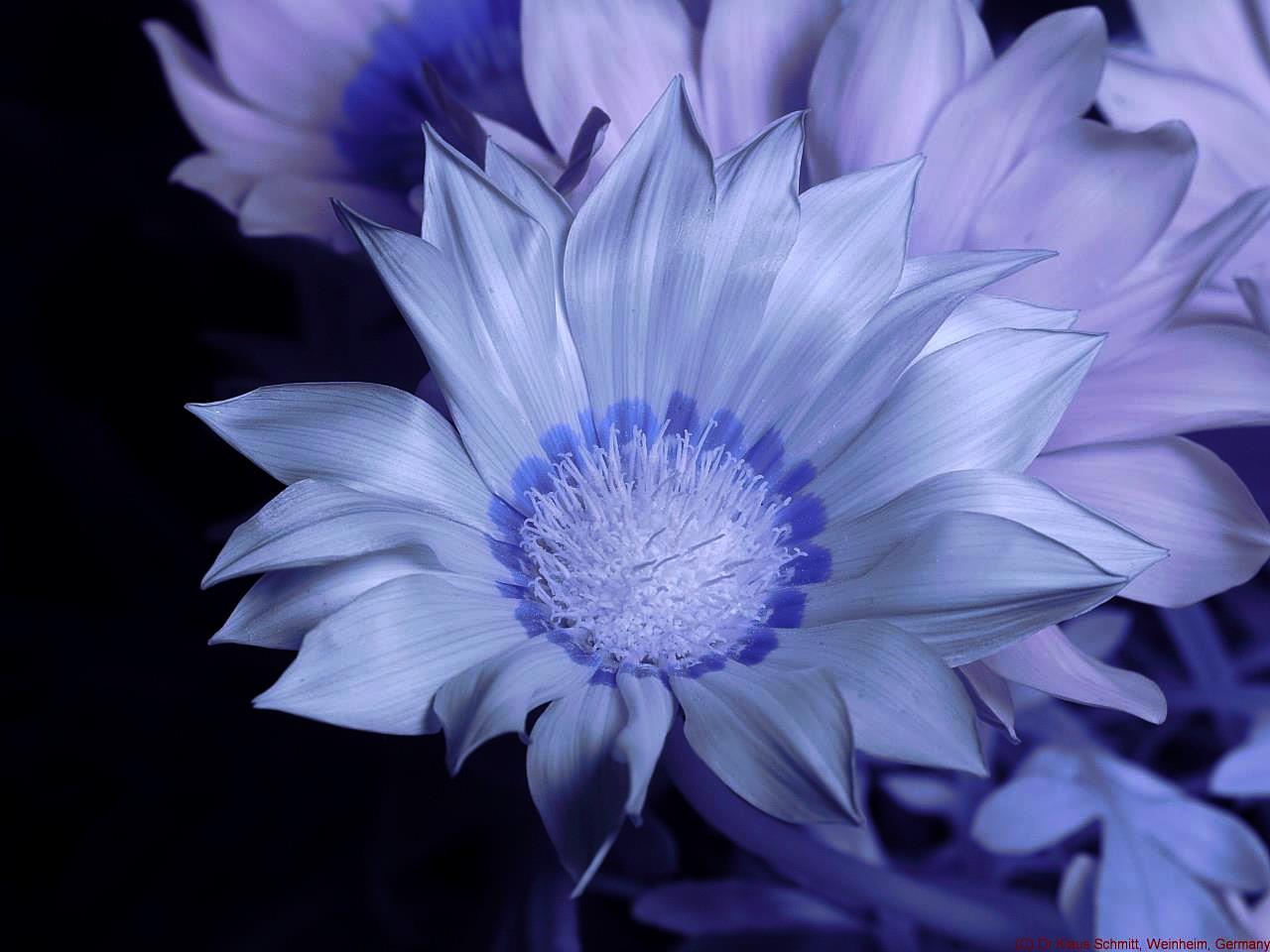
Gazania rigens "alba": human vision vs simulated bee vison; reflected UV ultraviolet photography

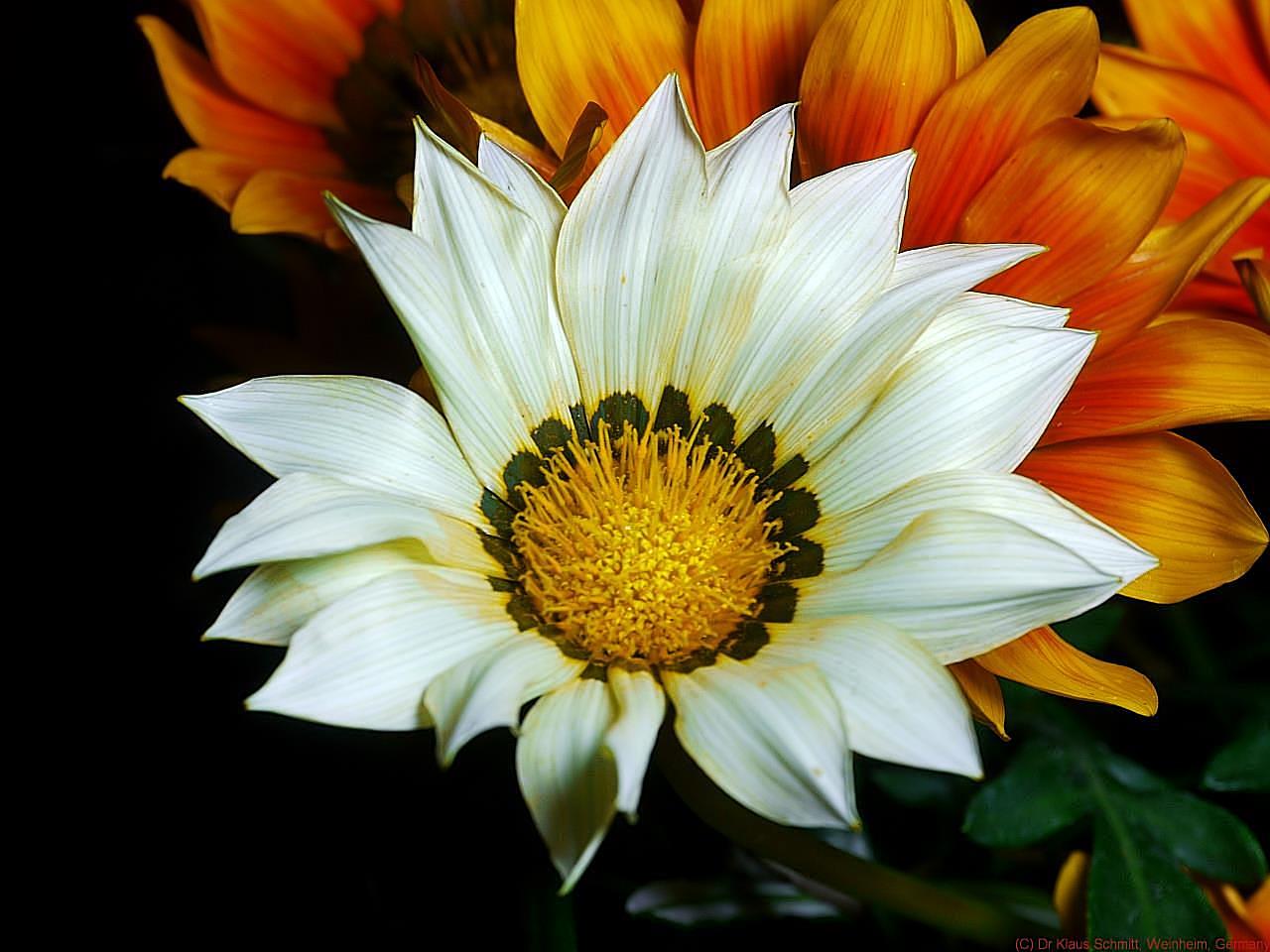
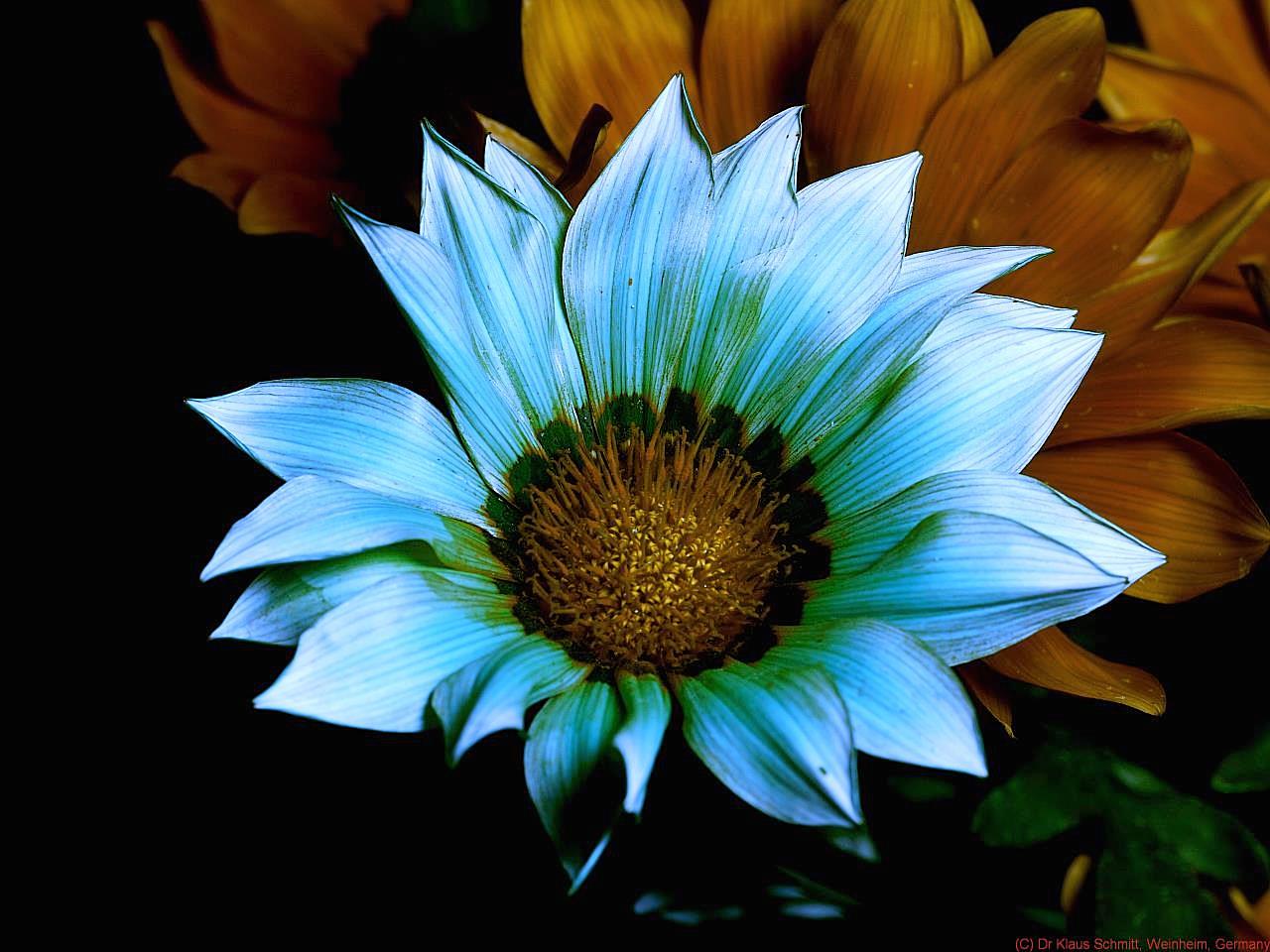
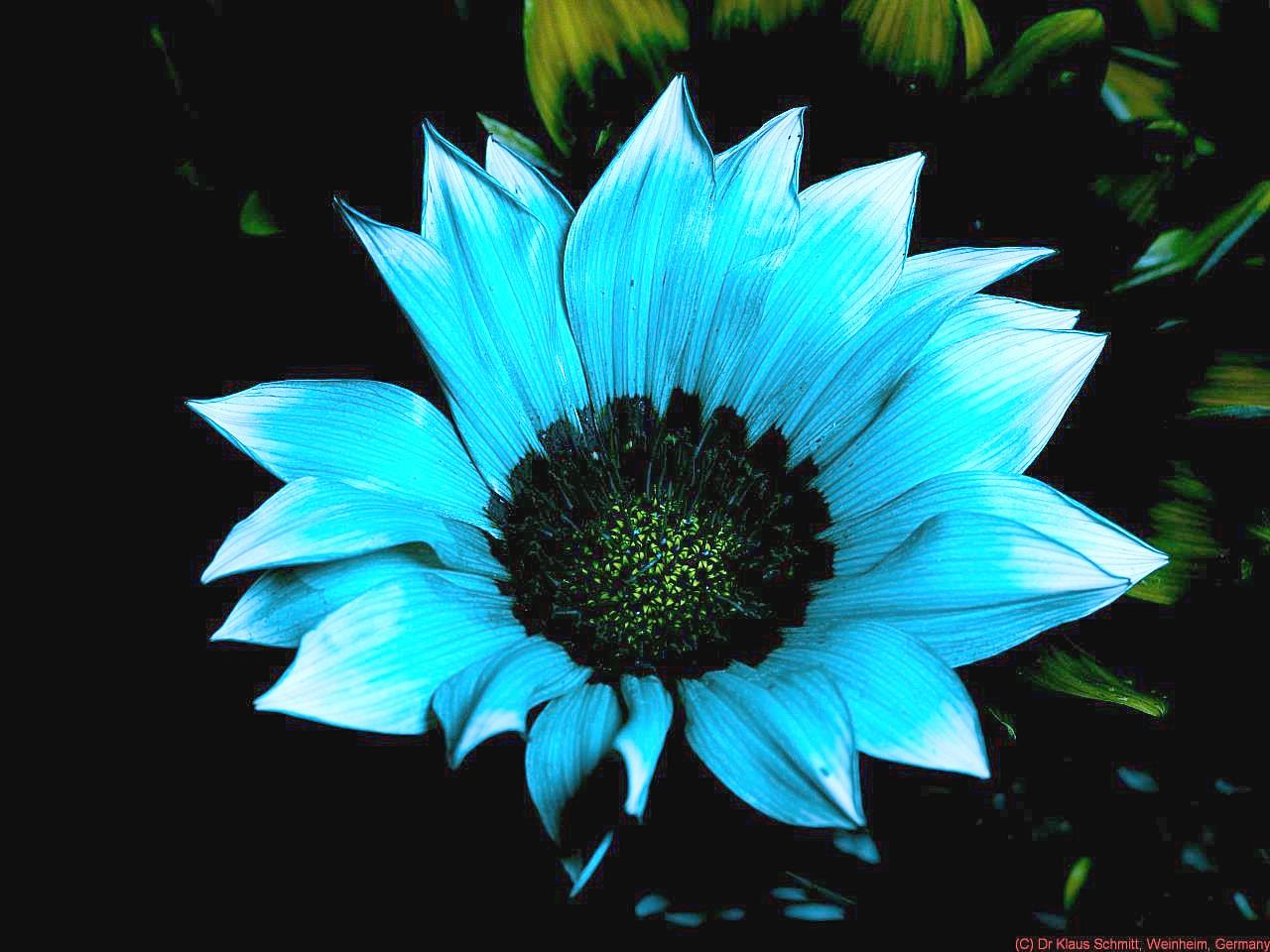
I discovered a white "alba" form of a Gazania rigens flower today and wanted to show this one in its multispectral respresentation. So I took some shots in normal human vision VIS, in UV using the Baader-U, Jupiter-U and the new Saturn-U (300-350nm) filter, as well as in simulated bee vision using my XBV2, XBV3 and the new, stricter XBV5 filters respectively.

[click on image to see a larger one]

Visual shot:


Simulated bee vison using XBV3 filter:


Simulated bee vison using XBV2 filter:


Simulated bee vison using XBV5 filter:


UV using Baader-U filter:


UV using Jupiter-U filter:


UV using Saturn-U (300-350nm) filter:


IR (basically) as it was shot using only a ND filter:


As you may have noticed, I'm still working on my bee vision (BV) filters; BV5 is a very strict one that cuts all longer than short wave green.

More about these special new filters here later in a seperate entry.


Stay tuned, more will follow on that fascinating subject...

More info on this very interesting field may be found on my site http://www.pbase.com/kds315/uv_photos

Monday, June 18, 2012

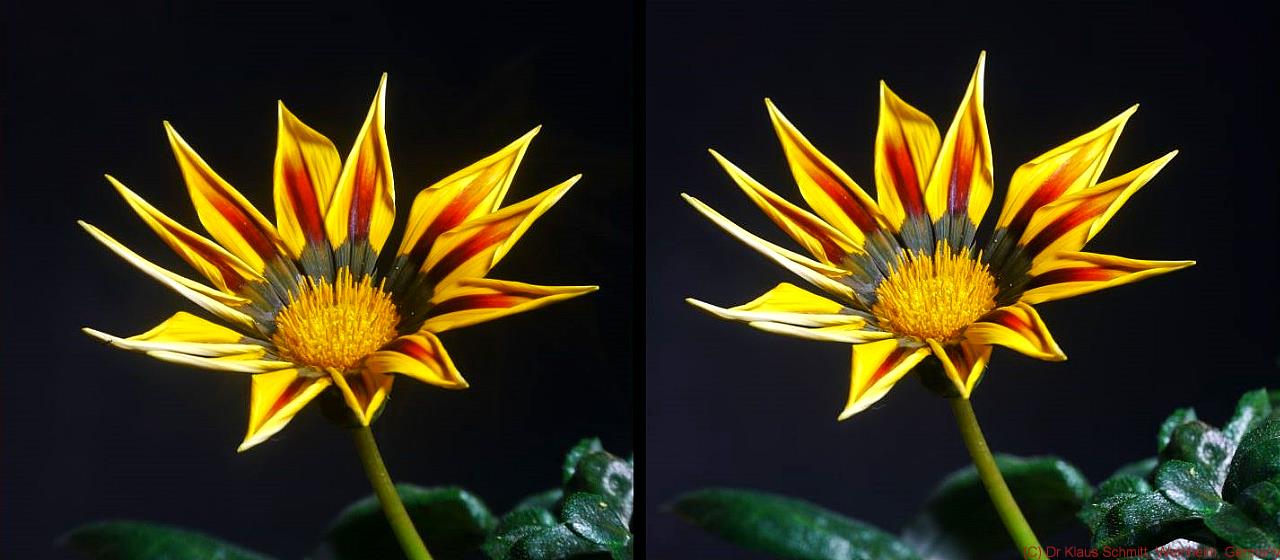
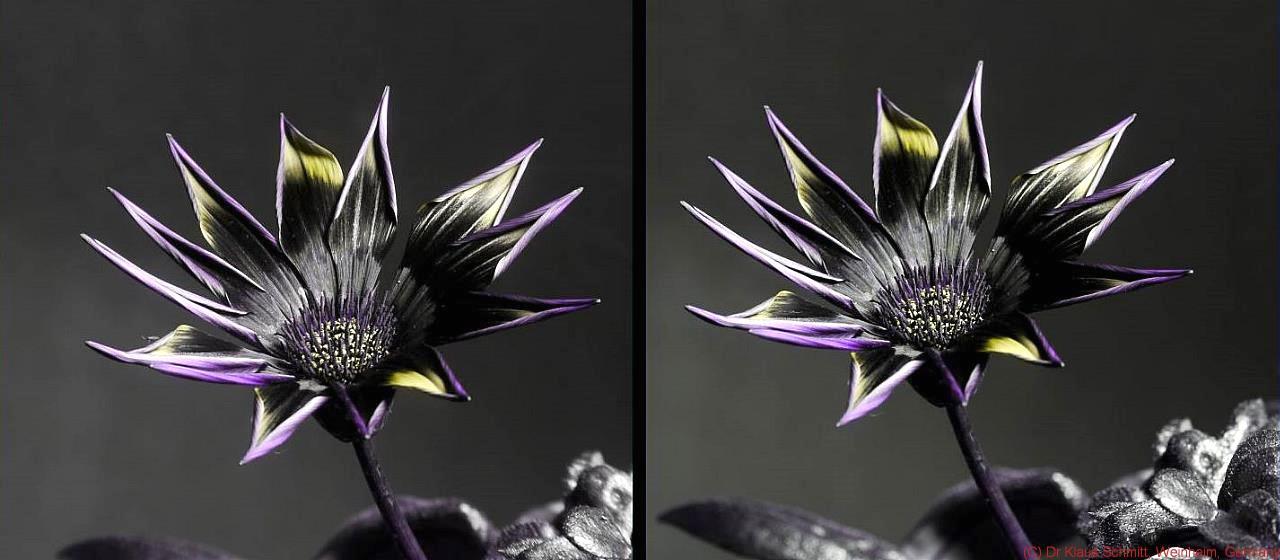
[UV] Old Achromatic vs modern Cerco Quartz Fluorite Lens for Ultraviolet Photography

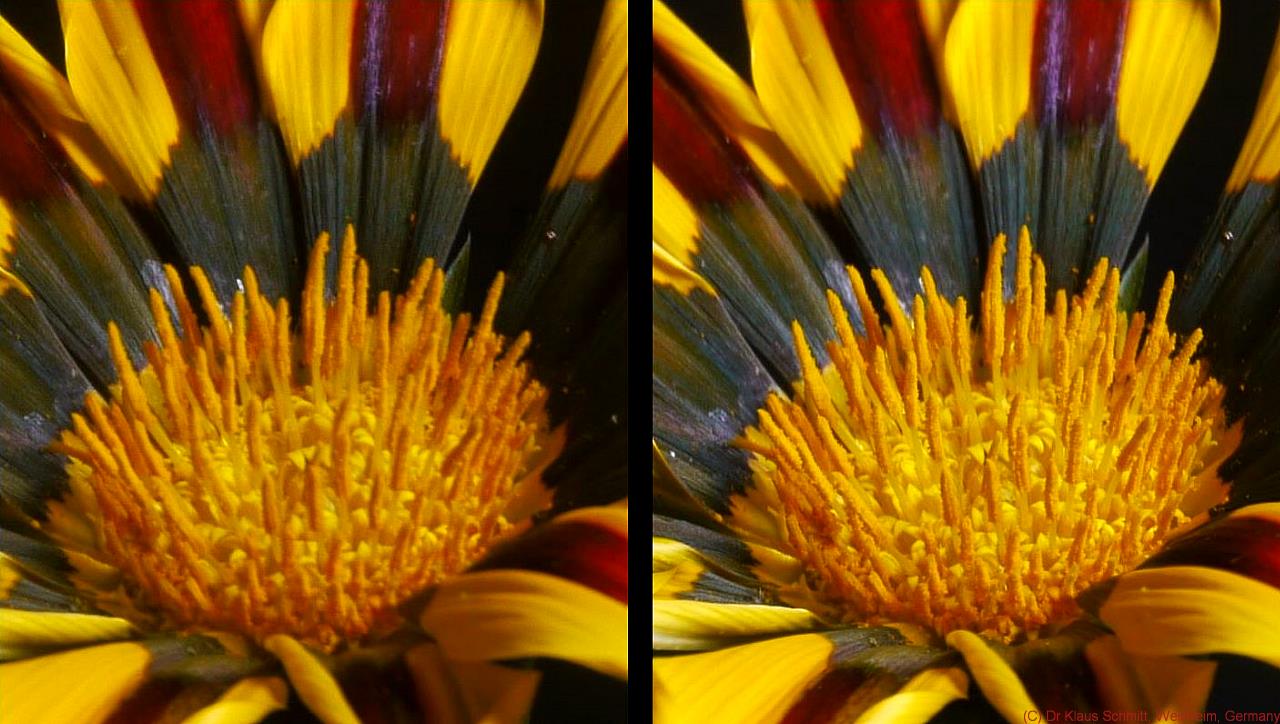
Well, you may remember that I have shown here results using an older quartz fluorite lens from a spectrometer system. Here that now tested against my Cerco 94mm lens using a Gazania rigens flower that I have shown here a few times before. The Cerco images ("in dubio pro reo") have been adjusted in size a bit, to compensate for the different focal lengths (94mm vs about 82mm).

Here the results and I leave it to you to determine which shot was done using which lens; it is easy anyway as I will show also 1:1 crops.

[click on image to see a larger one]

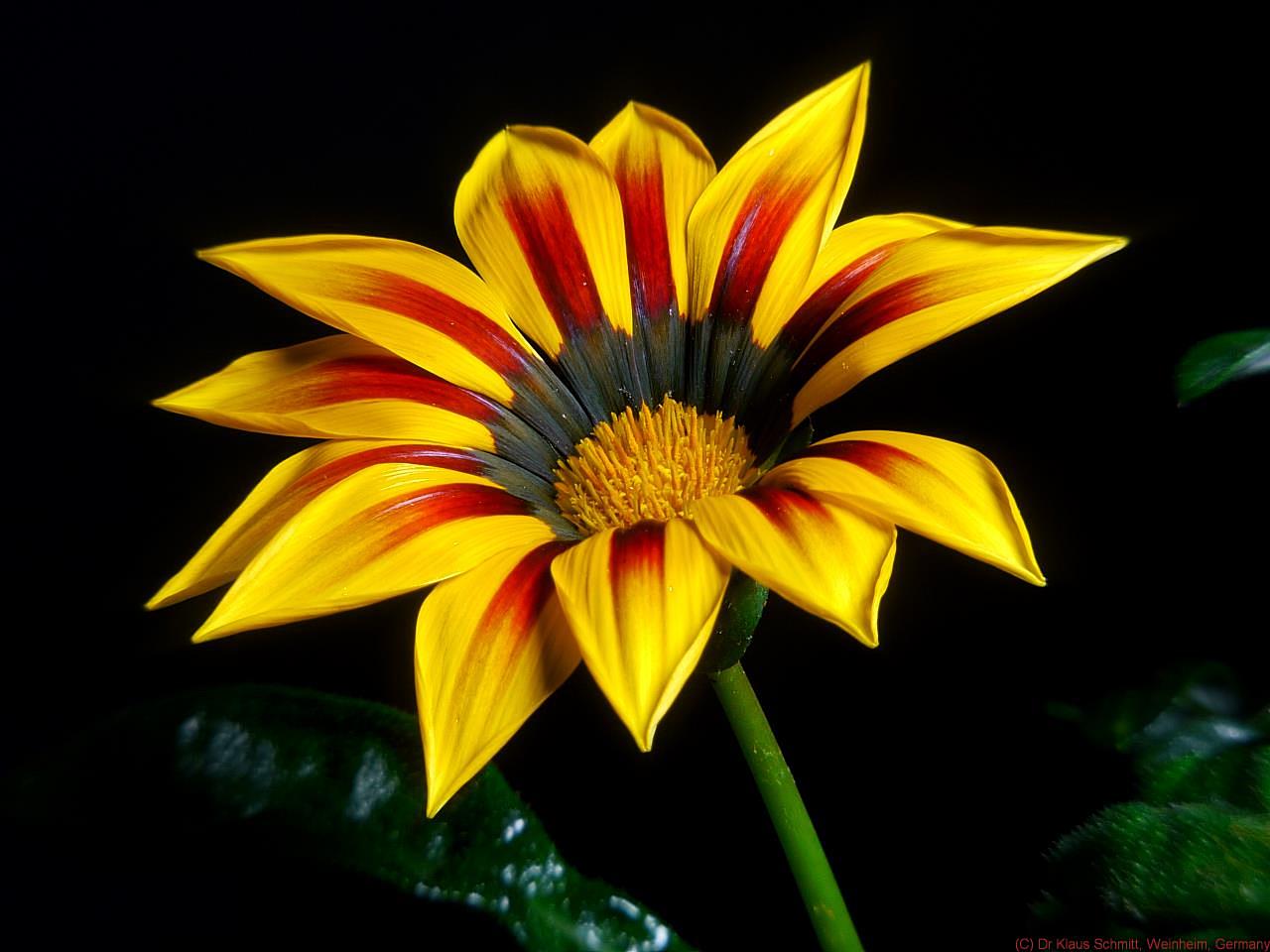
Visual shot:


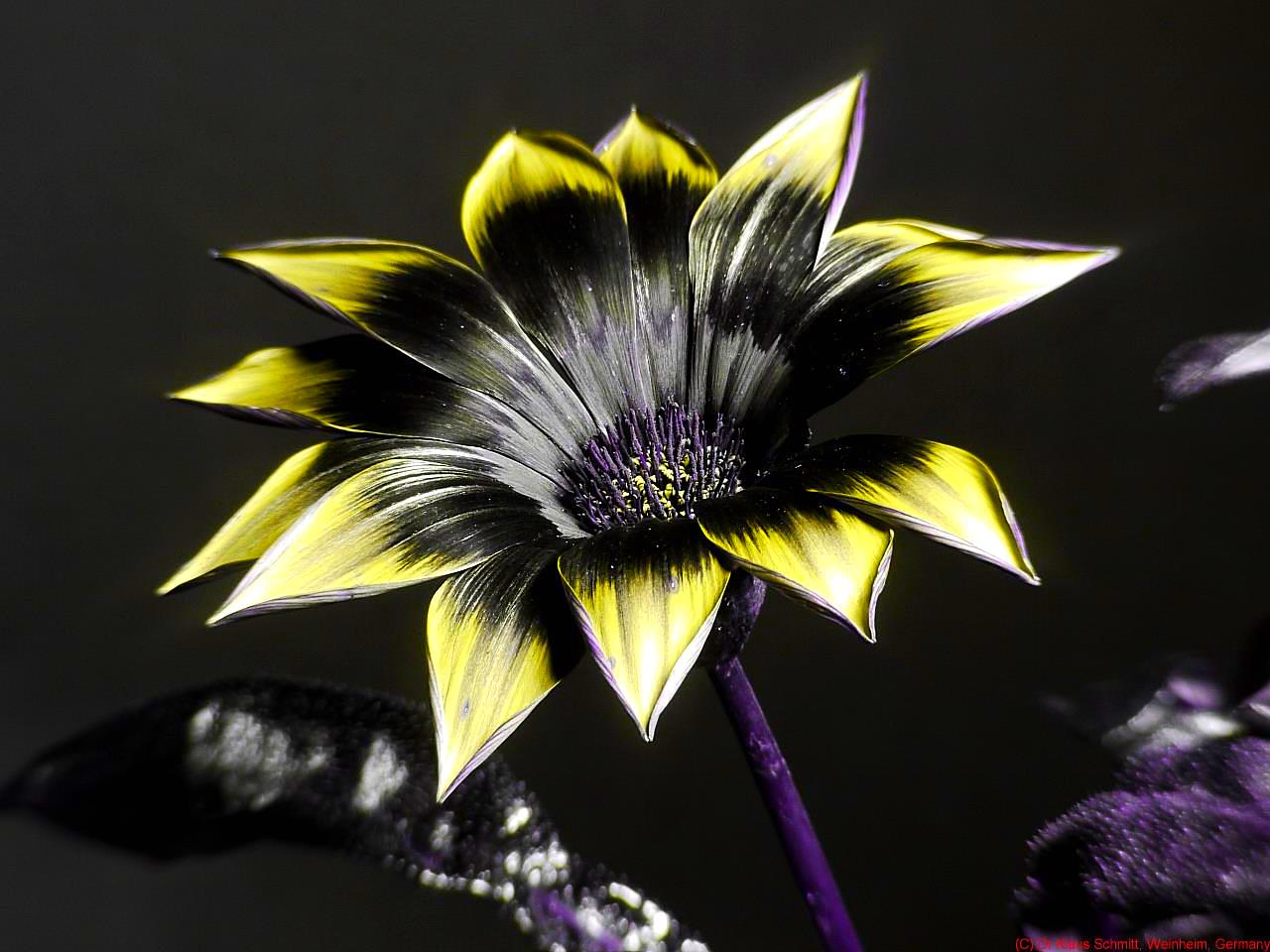
UV using Baader-U filter:


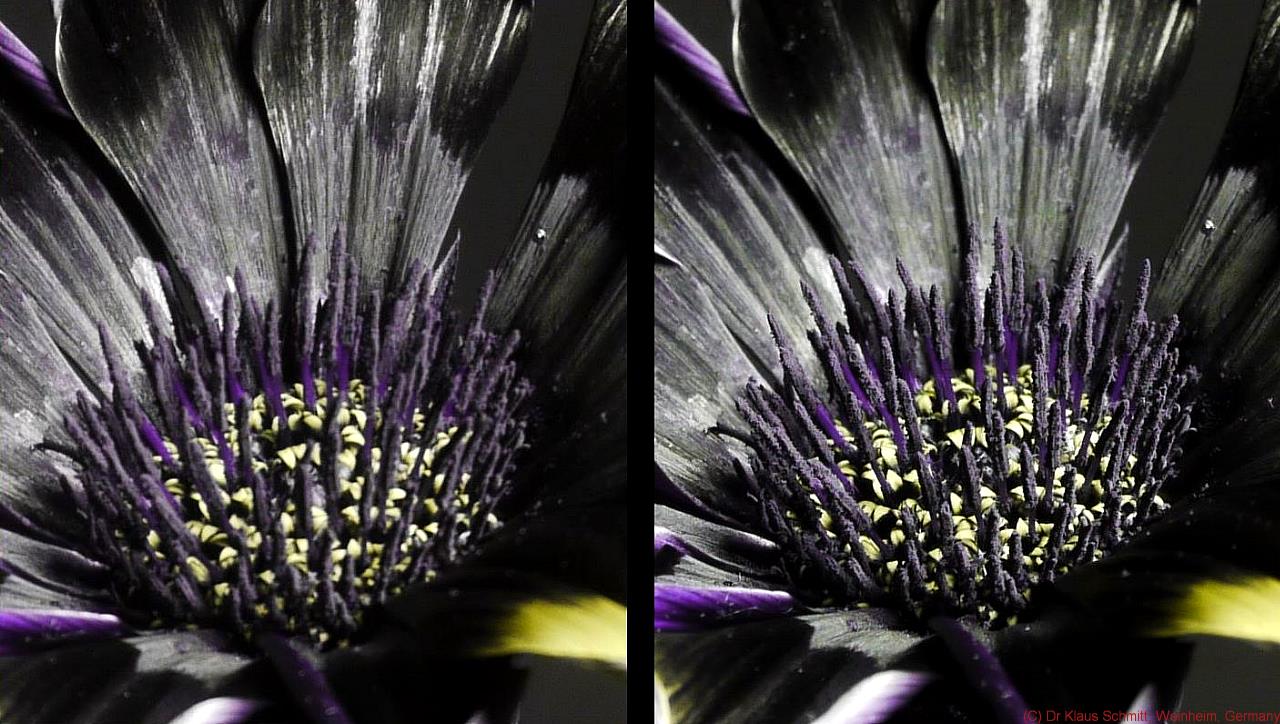
Visual shot (detail):


UV using Baader-U filter (detail):


[the UV focus is not exactly identical for that last shot, so I'm not sure if that was caused by focus shift or most likely by a slight movement when I changed filters ... oh well]

Not that bad for such a relatively cheap part...

Stay tuned, more will follow on that fascinating subject...

More info on this very interesting field may be found on my site http://www.pbase.com/kds315/uv_photos

Saturday, June 16, 2012

Gazania rigens: human vision vs simulated bee vison using a quartz singlet lens for reflected UV ultraviolet photography (III)

This is a 3rd set of shots with the same flower Gazania rigens flower that I have shot previously with a quartz-fluorite lens and the same setup as in shots before using a custom made up UV lens from a simple quartz singlet, stopped down to around f16 (estimated as no scale). Shots are in normal human vision VIS, in UV using the Baader-U and Jupiter-U filter, as well as in simulated bee vision using my XBV2 and XBV3 filters respectively. Flower placed into the center, higher magnification, otherwise unchanged setup as before.

[click on image to see a larger one]

Visual shot:


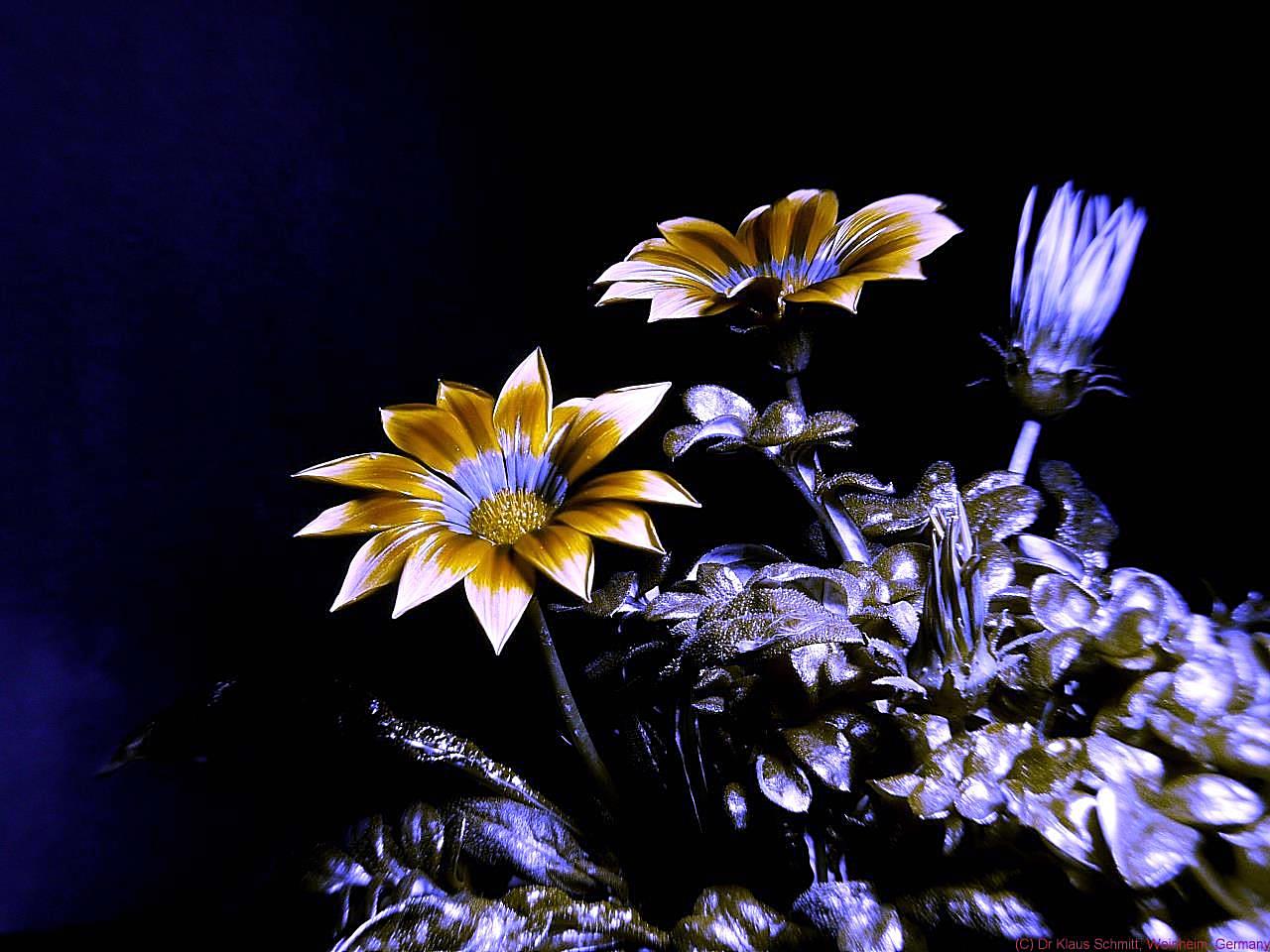
Simulated bee vison using XBV3 filter:


Simulated bee vison using XBV2 filter:


Simulated bee vison using XBV5 filter:


UV using Baader-U filter:


UV using Jupiter-U filter:


I haven't re-adjusted the UV focus, so the rear of the flower drifts into blur, that could be avoided, if so wanted by individually adjusting focus for each shot.

I used a 365nm UV LED for focusing, that worked pretty well, even stopped down that much.

In my opinion this central placement is the best way to use this lens singlet, as it minimizes the visible blur, yet delivers acceptable sharpness in that whole spectral range.


Stay tuned, more will follow on that fascinating subject...

More info on this very interesting field may be found on my site http://www.pbase.com/kds315/uv_photos

Gazania rigens: human vision vs simulated bee vison using a quartz singlet lens for reflected UV ultraviolet photography (II)

This is a 2nd set of shots with the same flower Gazania rigens flower that I have shot previously with a quartz-fluorite lens and the same setup as in shots before using a custom made up UV lens from a simple quartz singlet, stopped down to around f16 (estimated as no scale). Shots are in normal human vision VIS, in UV using the Baader-U and Jupiter-U filter, as well as in simulated bee vision using my XBV2 and XBV3 filters respectively.

[click on image to see a larger one]

Visual shot:


Simulated bee vison using XBV3 filter:


Simulated bee vison using XBV2 filter:


Simulated bee vison using XBV5 filter:


UV using Baader-U filter:


UV using Jupiter-U filter:


The idea behind that 2nd set was to get a better estimate of the VIS-UV focus shift (measured 5.8%, VIS is quite larger) as well as to show the effect of out-of-center imaging, to get an idea how the blur develops. I guess that gets pretty clear now.


Stay tuned, more will follow on that fascinating subject...

More info on this very interesting field may be found on my site http://www.pbase.com/kds315/uv_photos