Friday, September 14, 2012

Rudbeckia triloba: human vision vs simulated bee vison; reflected UV ultraviolet photography

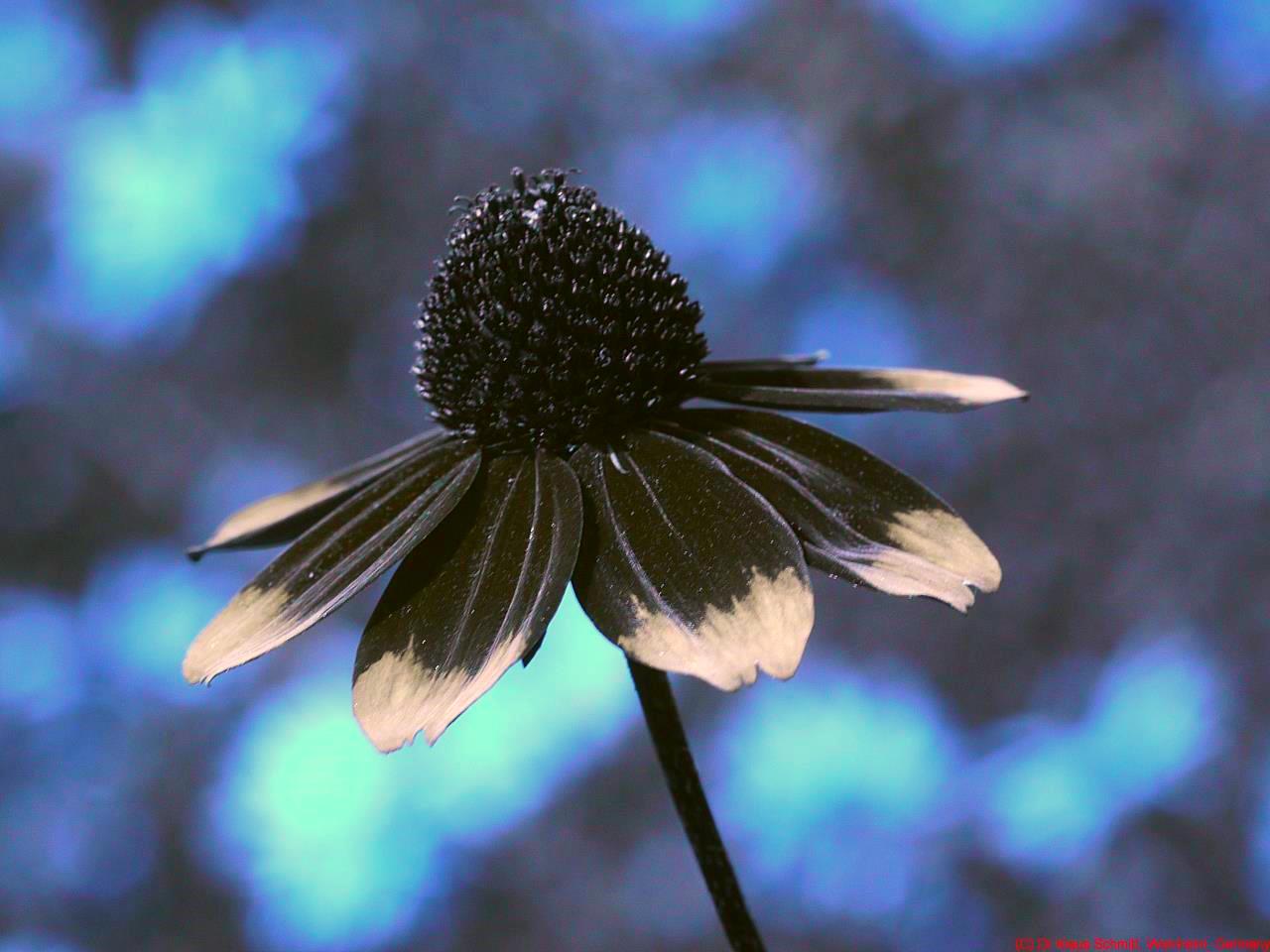
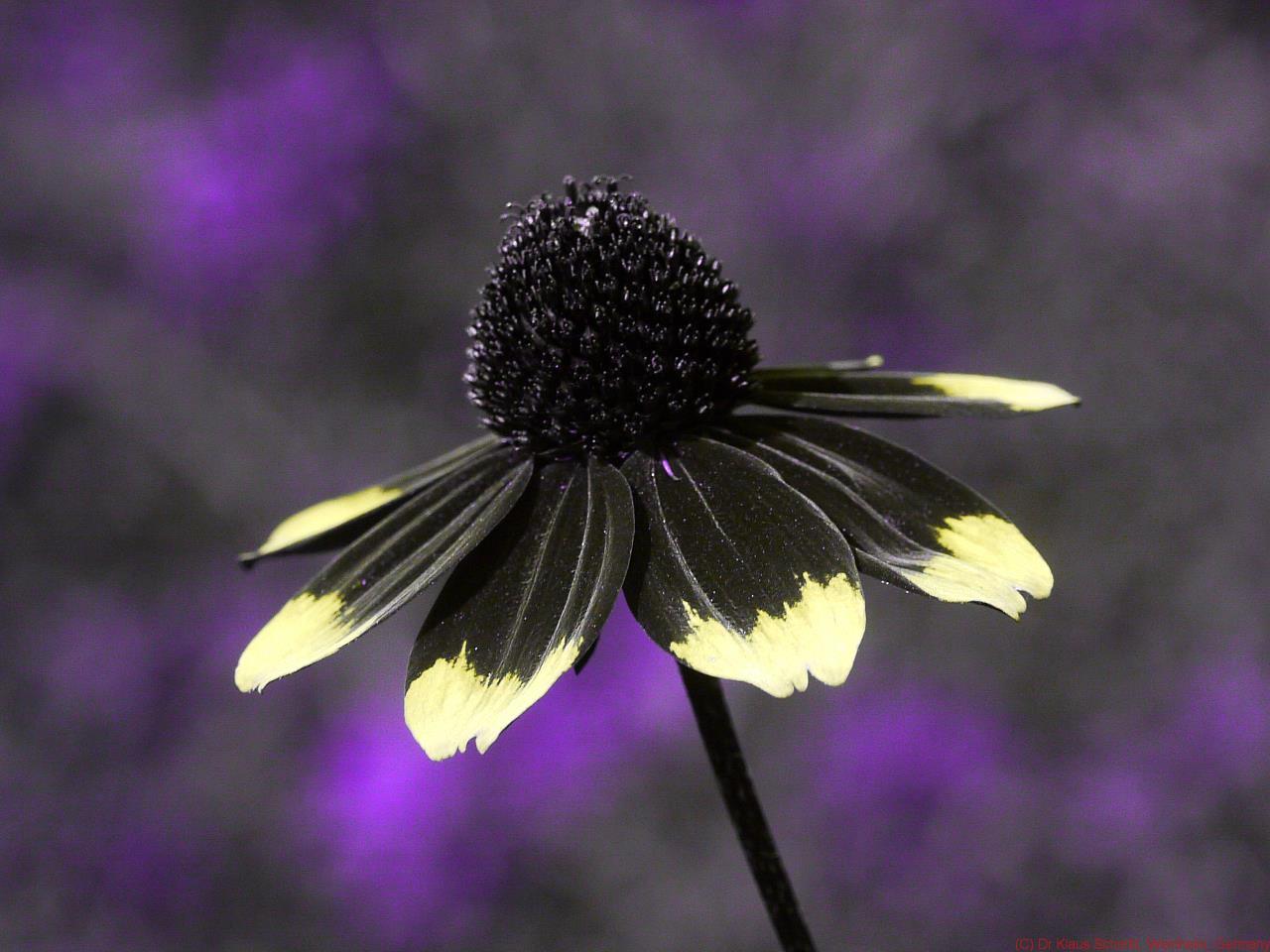
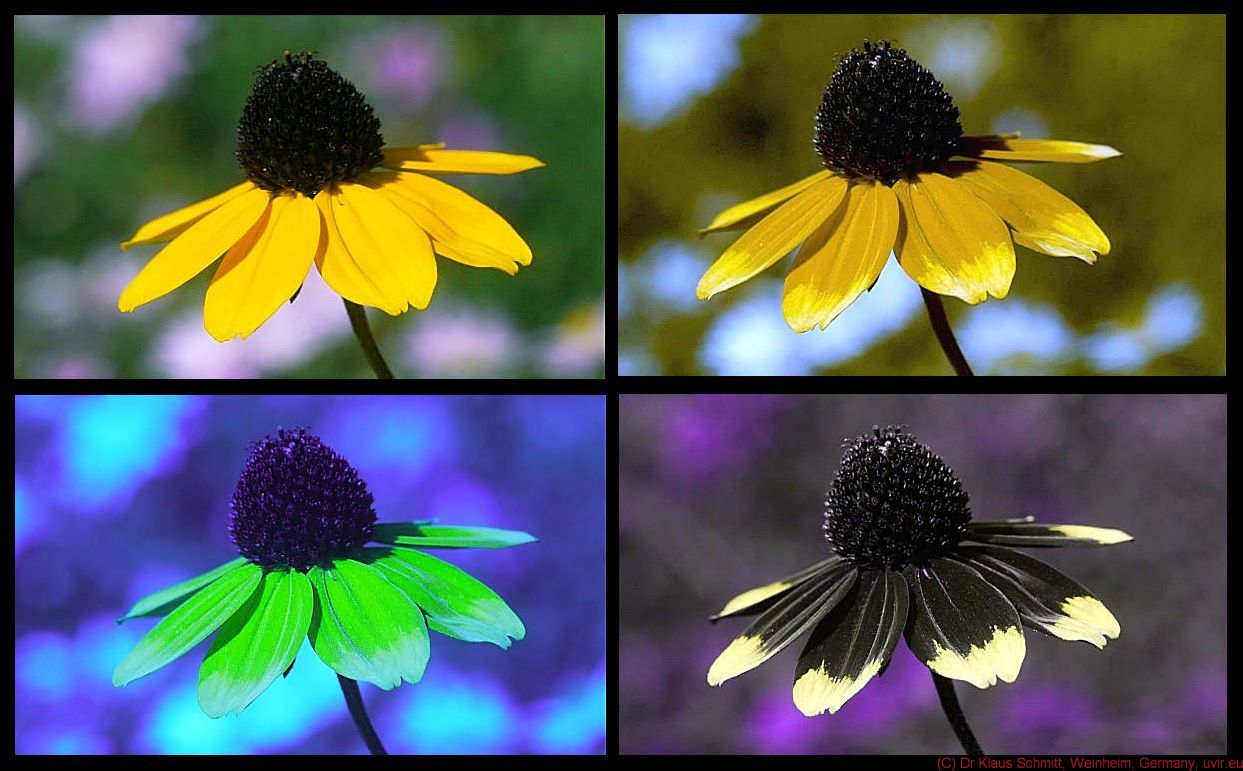
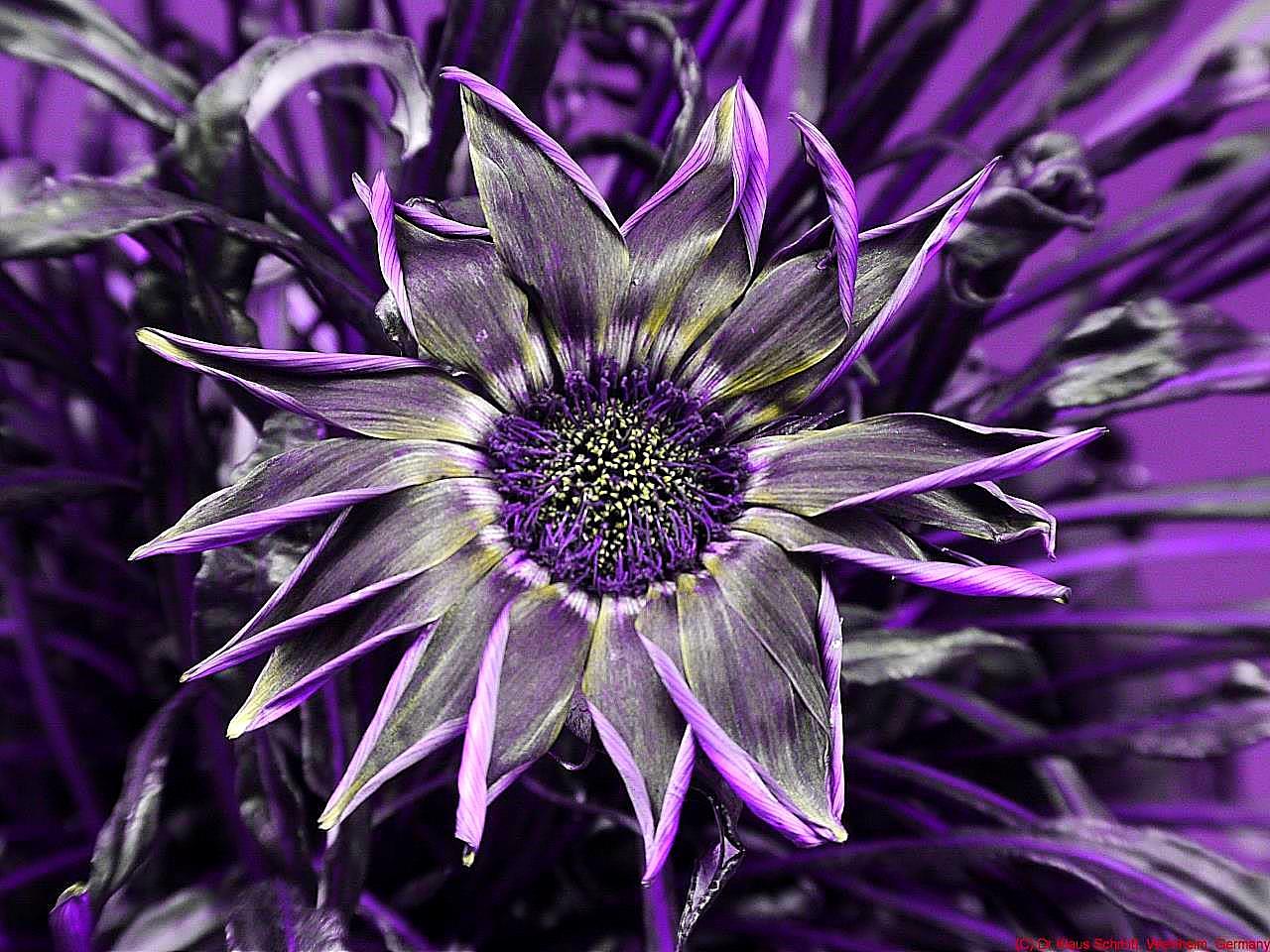
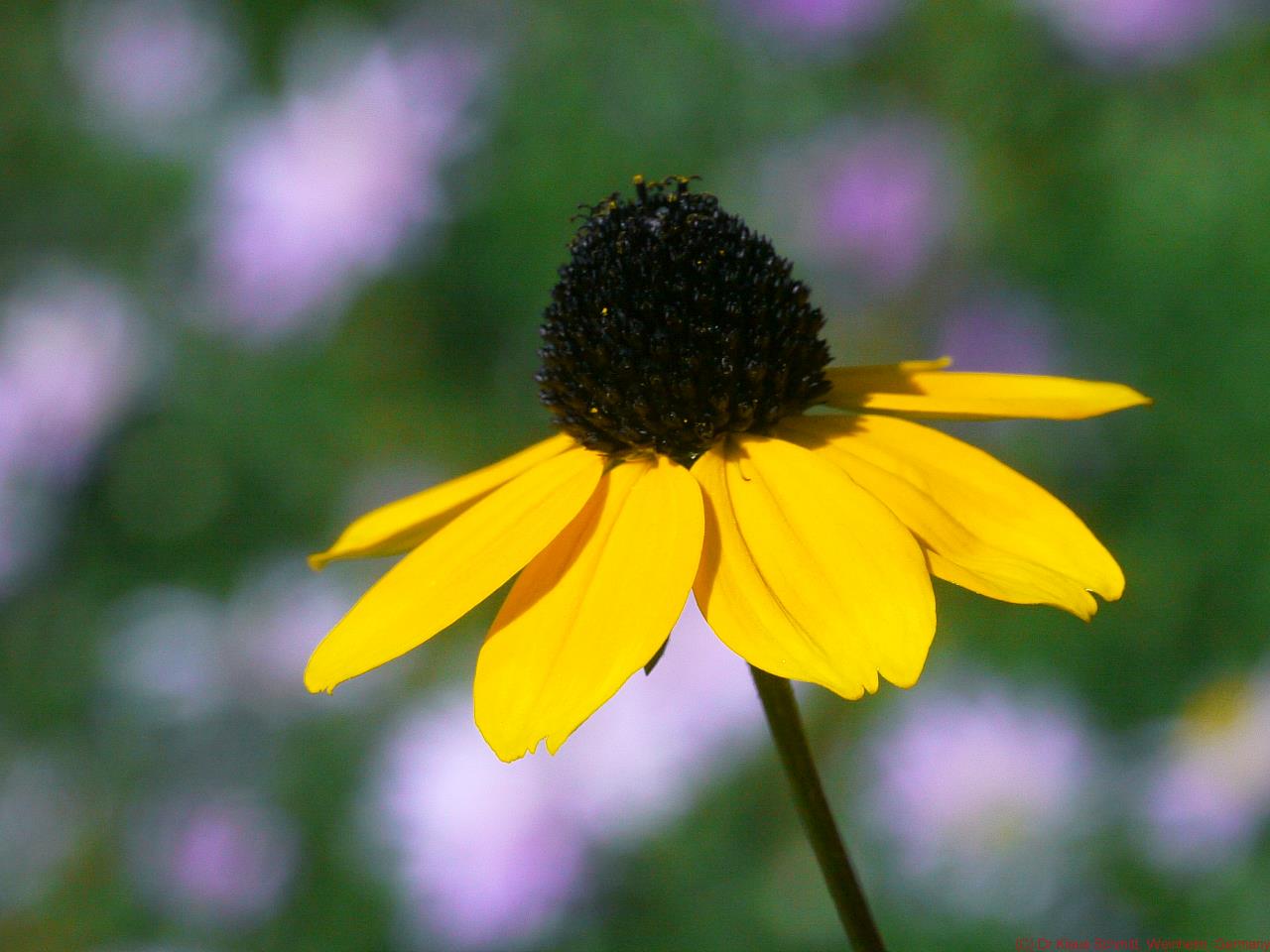
Today about a Rudbeckia triloba in its multispectral representation, shot in Herrmanshof Park, Weinheim, Germany. I took the shots on a very windy and cloudy day using sunlight in normal human vision VIS, in UV using the Baader-U filter, as well as in simulated bee vision using my XBV2, XBV6 and XNUV filters respectively.

[click on image to see a larger one]

Visual shot:


Simulated bee vision using XBV2 filter:


Simulated bee vision using XBV6 filter:


Simulated bee vision using XNUV filter:


UV using Baader-U filter:


And here a polyptych of them all:


The new filtering technique makes the very prominent UV reflectance of the petals clearly visible.

Stay tuned, more will follow on that fascinating subject...

More info on this very interesting field may be found on my site http://www.pbase.com/kds315/uv_photos

Achromatic Quartz Fluorite Lens: Ultraviolet Photography and Simulated Bee Vision

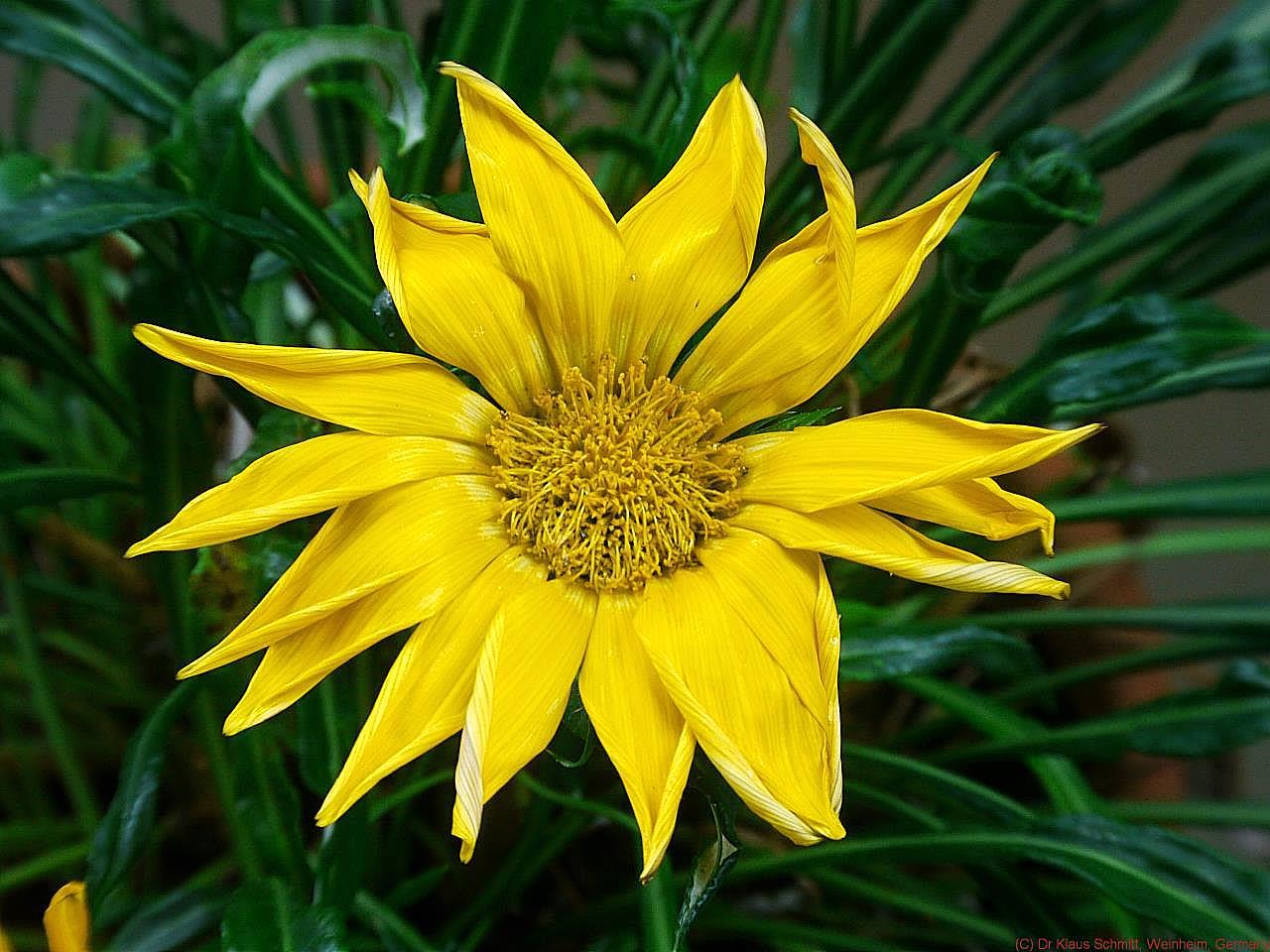
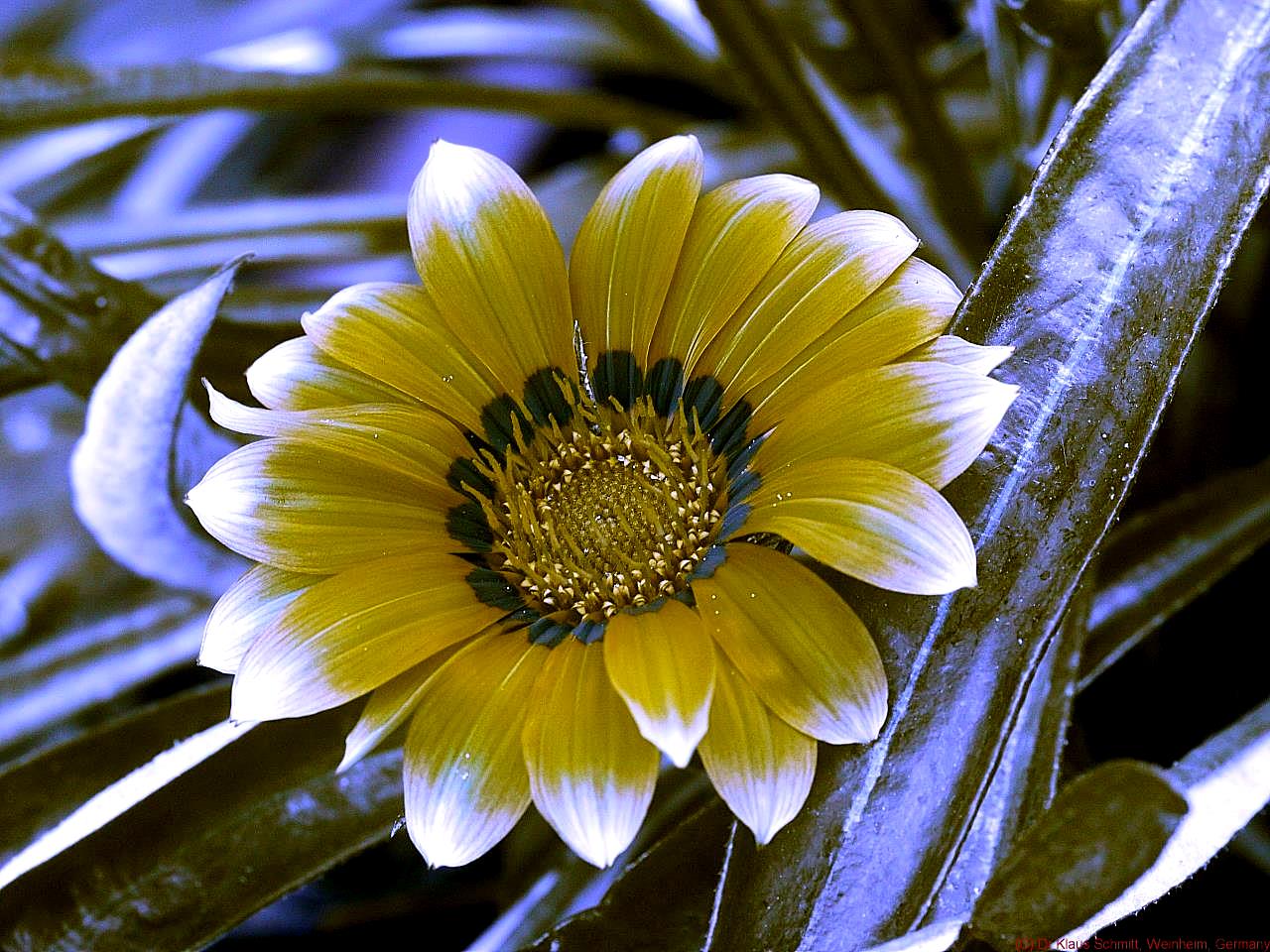
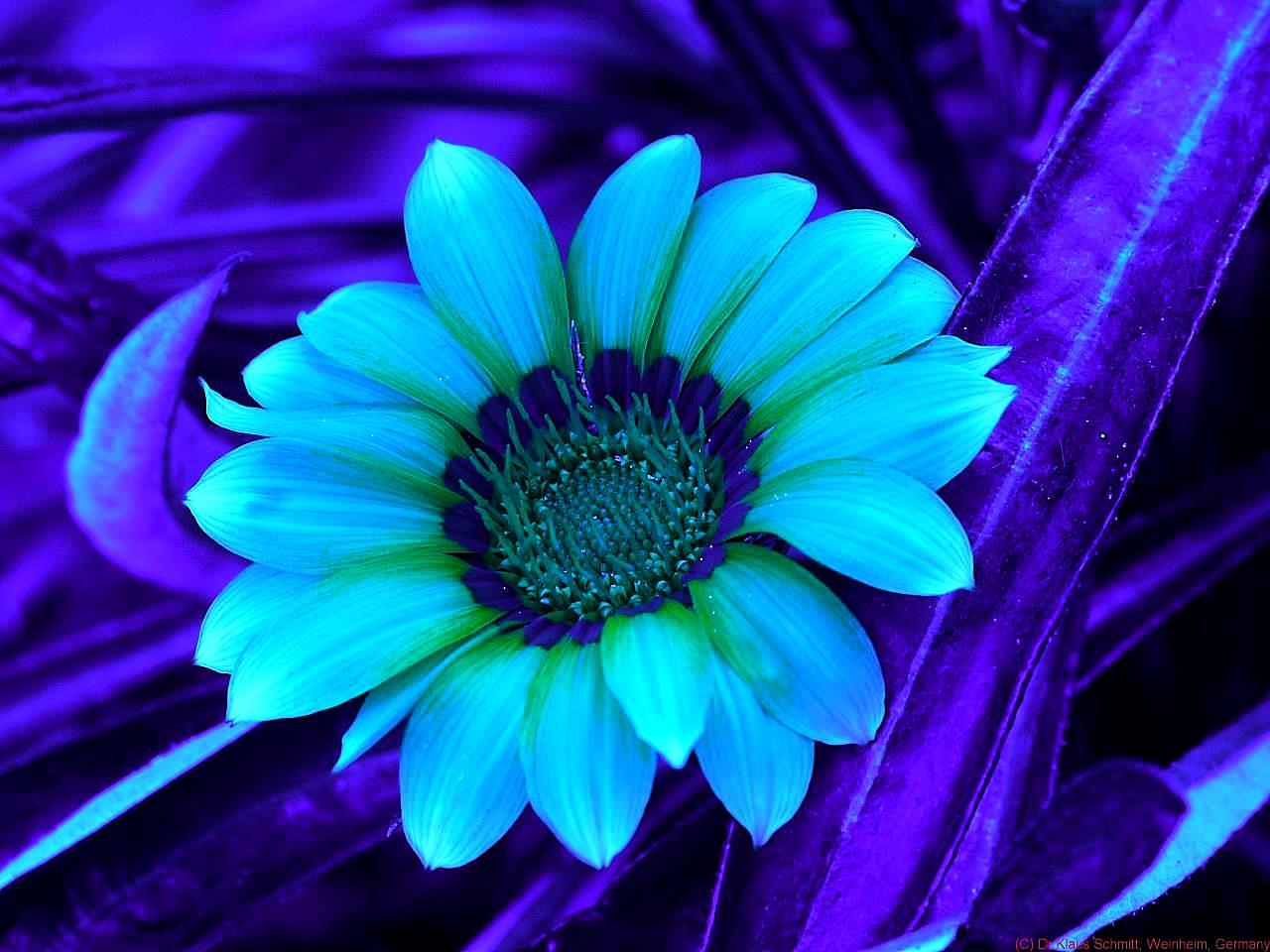
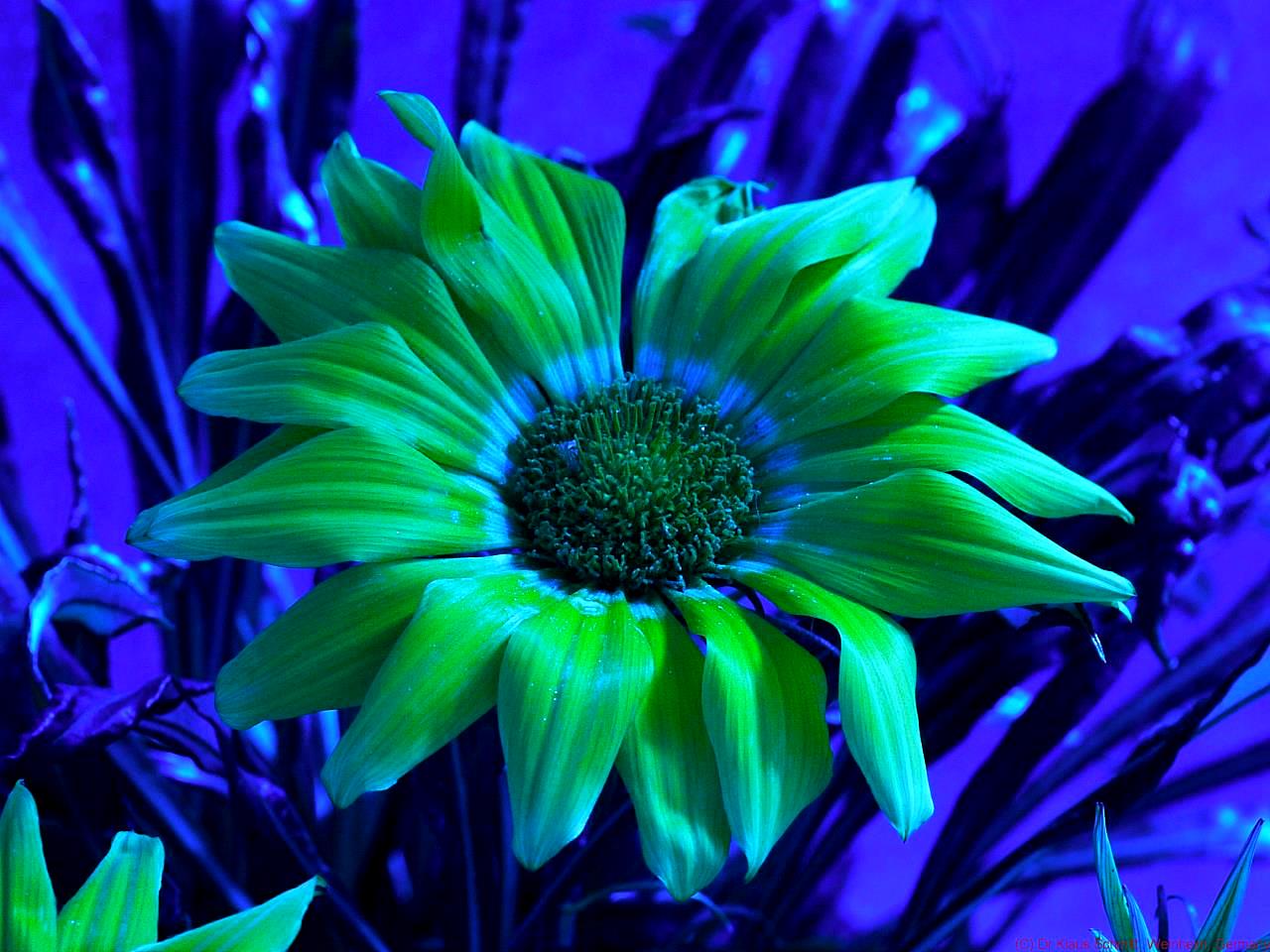
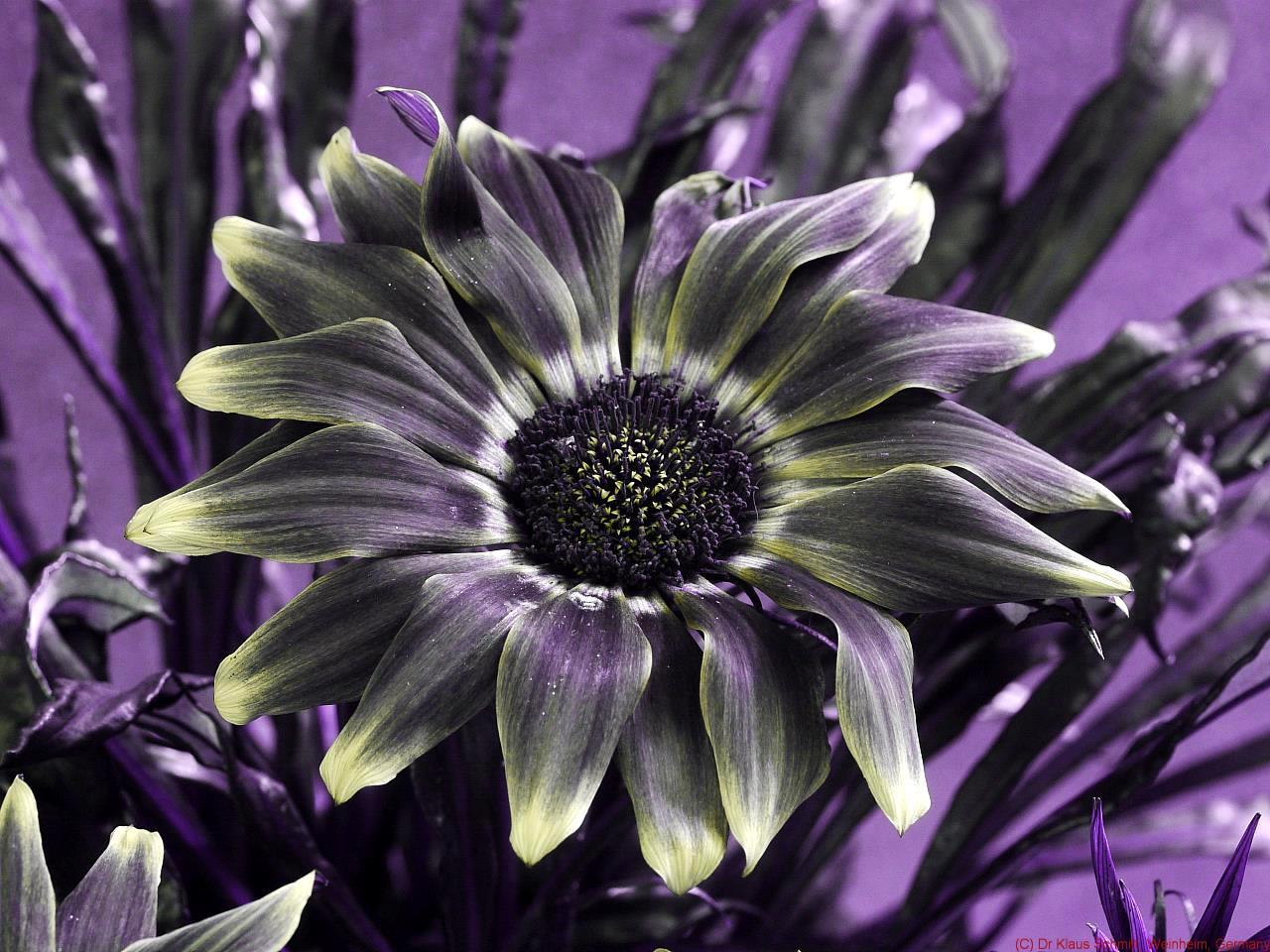
Well, I had taken apart some older equipment a while ago and have extracted the quartz fluorite optics that was hidden in it. I now have added some focusing helicoid, as well as I had some front and rear adapters made to mount it. Results of using it I had shown here and here and today will even show a few more results using it. A yellow Gazania flower in its last stages served as a model for some multispectral shots, all at approx f8-f11.

[click on image to see a larger one]

Visible light shot:


Simulated bee vision using XBV3 filter :


Simulated bee vision using XBV2 filter:


Simulated bee vision using XBV6 filter:


UV using Baader-U filter:


It only has a quite small focus shift of about 1/2mm when shooting macro, but that could have been expected from a well corrected quartz fluorite lens.


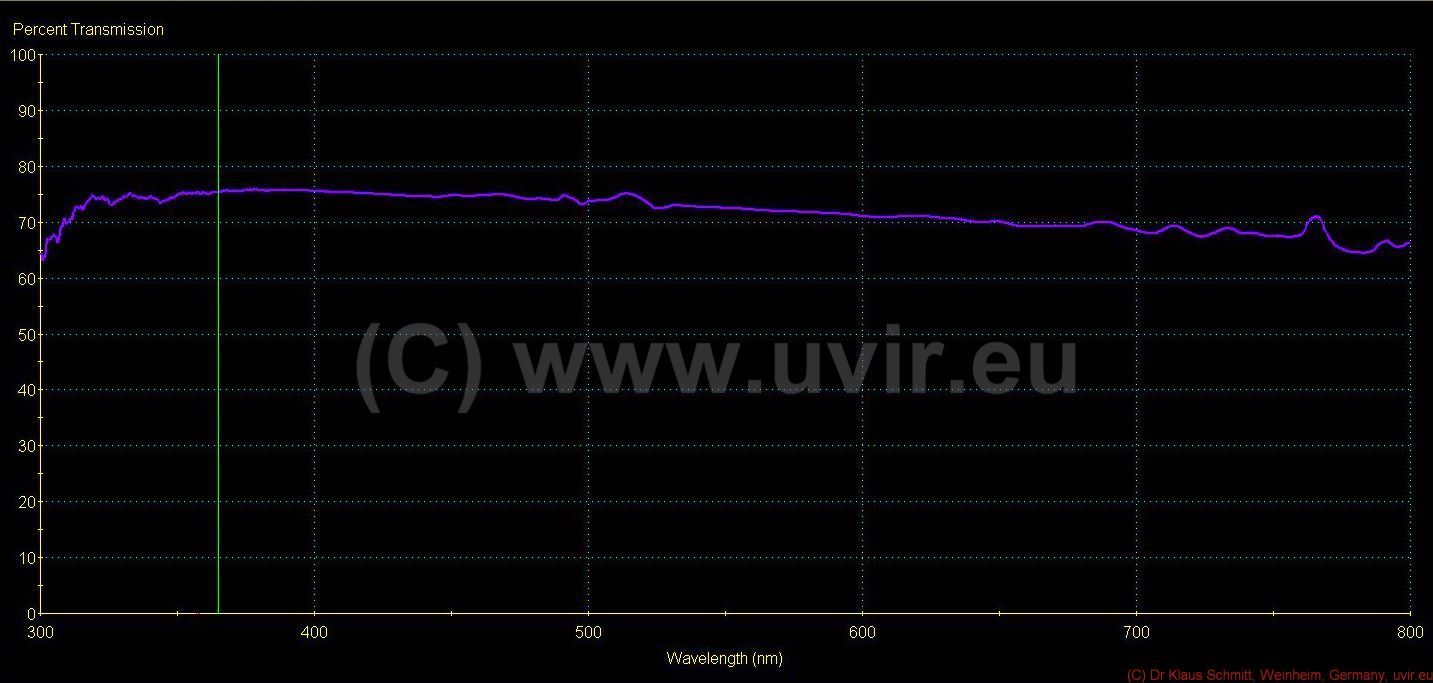
UV transmittance is also quite good, as was expected from a quartz-fluorite lens and stays rather flat even beyond 300nm.

More about that used quartz fluorite lens is  HERE.


Stay tuned, more will follow on that fascinating subject...

More info on this very interesting field may be found on my site http://www.pbase.com/kds315/uv_photos

Wednesday, September 12, 2012

High Power UV LED Radiation System: 365nm 385nm 395nm 400nm 405nm

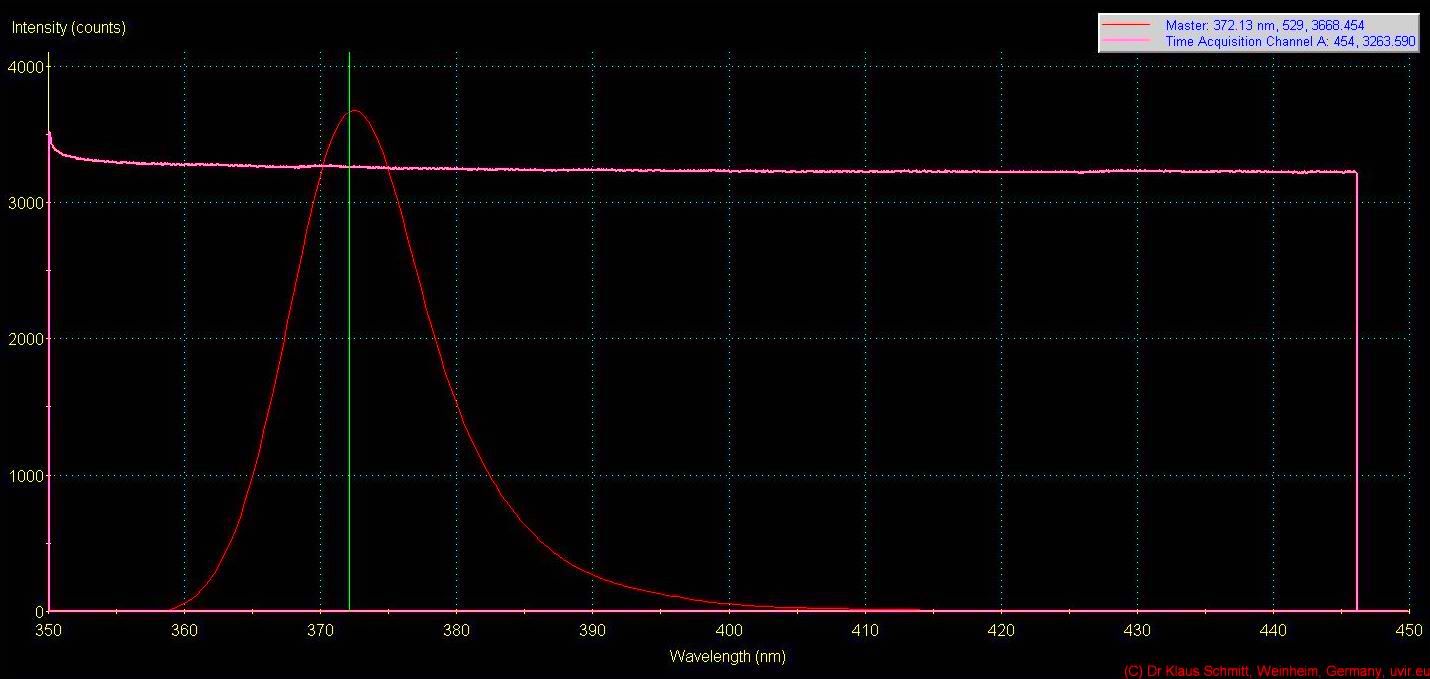
Today, after having previously shown the Nichia based NC4U133 (365nm) / NC4U134 (385nm) systems, I present here my newest High Power UV LED Radiation System with easily exchangeable radiation heads for nominal wavelength of 365nm, 385nm, 395nm, 400nm and 405nm using the most modern 40W UV LEDs. [Other visible or IR wavelngth also possible as well as high power white light for comparison studies. Optional: infrared or wire remote system control]

A specifically designed beam homogenizing system allows a very even radiation field that can be factory adjusted to a desired size. One example being a 365nm (nominal) head with a 55mm radiation field, evenness of radiation <20%, precisely adjustable radiation strength 2 ... 30mW/cm². The AC operated system is cooled and has been designed for long term radiation sessions up to several hours.

[click on image to see a larger one]

Radiation Head with mounted homogenizing optics:


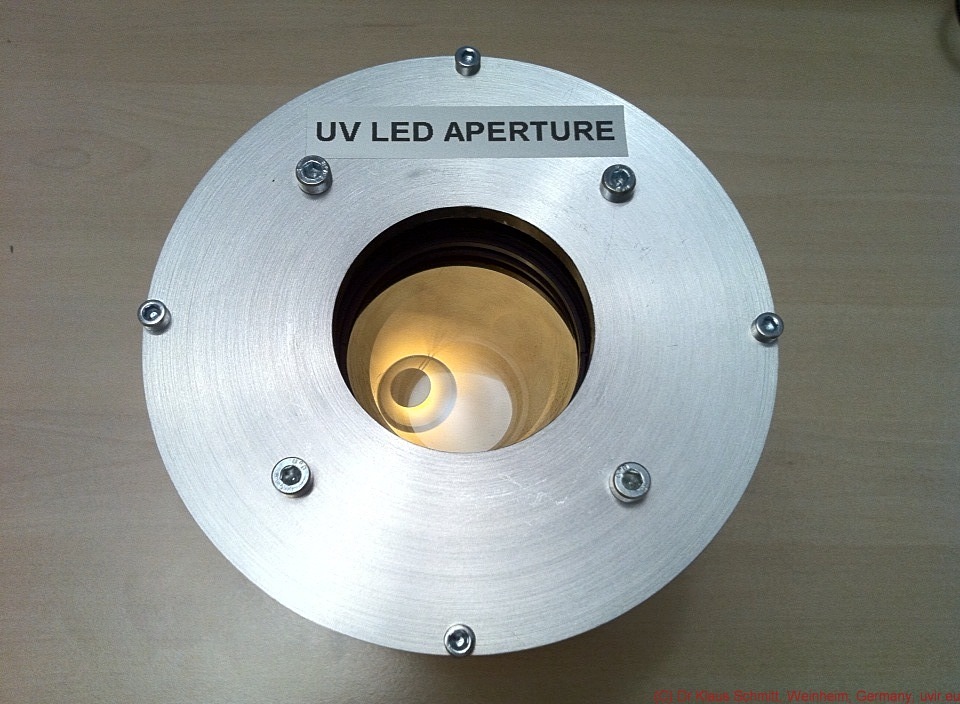
Homogenizing optics, beam exit aperture showing UV coated fused silica optics:


System in stable operation for some 10.000sec (3h) at full power:


The system is useful for different applications, such as very even UV radiation for photocatalytic processes, to stimulate visible fluorescence, for reflected UV photography, forensic, dermatological and detal examinations and photographic recording, curing of UV glue / bonding, as well as leakage detection etc.

Stay tuned, more will follow on that fascinating subject...

More info on this very interesting field may be found on my site http://www.pbase.com/kds315/uv_photos

Monday, September 10, 2012

Filter leakage in reflected UV ultraviolet photography - DIY filter vs Baader-U II

Today again about leakage in reflected UV photography and how to deal with it. I have posted about that before here.

I wanted to show here some examples using SCHOTT UG11 in comparison with using IR suppressing SCHOTT S8612 filter glass of different thickness and to show how such IR leakage can be efficiently cured - at least for most normal shooting conditions. In early morning or late evening sunlight, where IR is predominant or when shooting against the sun or when reflective elements are present in an image, that won't work then, sometimes not even when using the otherwise excellent Baader-U filter.

[click on image to see a larger one]

So here an example for strong IR leakage using only 2.5mm SCHOTT UG11:

So how does that picture should look like? Here what the Baader-U filtered result looks like:


And here the result of my shorter wave, IR leak proof Jupiter-U filter:


It is pretty obvious, that IR leakeage virtually destroys the importatnt aspect of that image, as well as it softens the image, i.e. a strong lack of contrast is caused.
So let's see if stacking 1mm of SCHOTT S8612 filter onto the UG11 filter solves the problem:


Nice, but was it enough? Let's see what 2mm of SCHOTT S8612 will bring us:


Much better now, as the contrast is strongly enhanced, the UV pattern on petals is quite nicely present. So what I can recommend is stacking 2mm of SCHOTT S8612 filter glass onto SCHOTT UG1, UG11 UV transmissive filter glass (also works with HOYA U-340), but unfortunately if total cost are taken into account, this is not really far from getting a Baader-U filter...

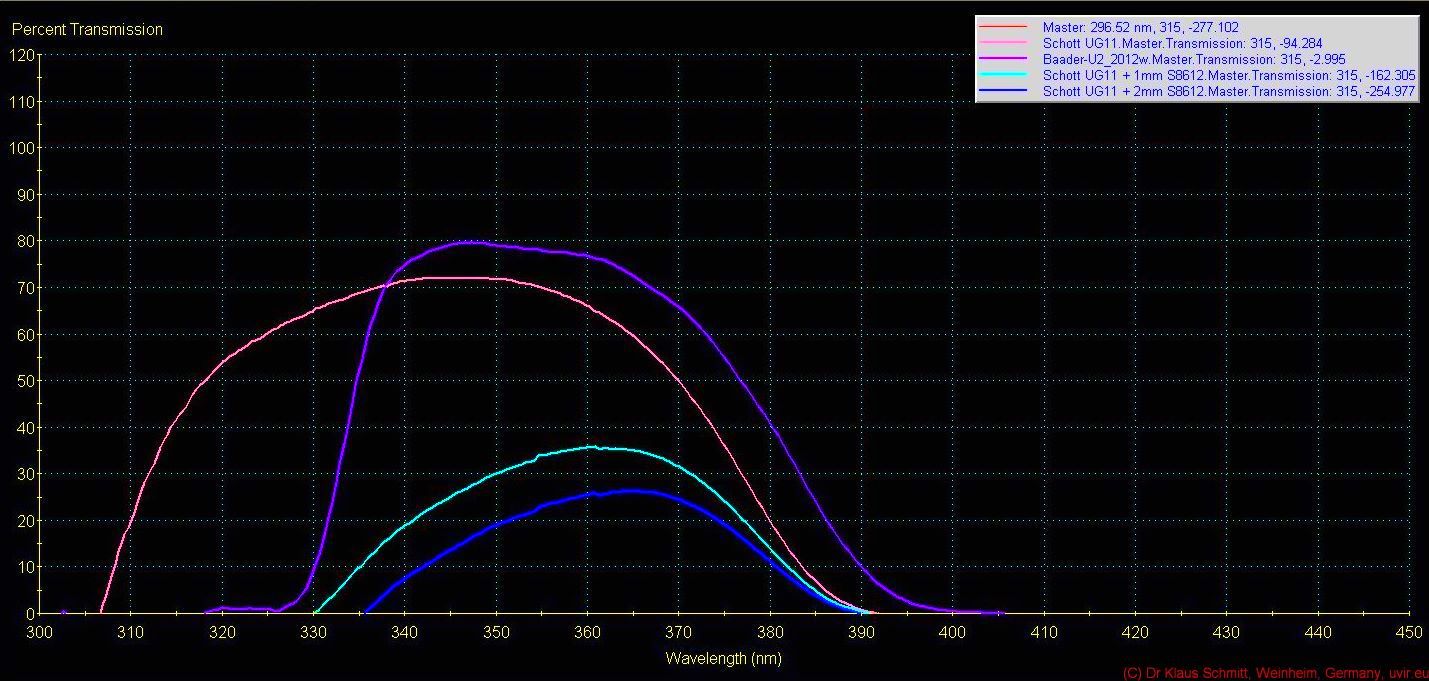
And there is another BUT, the lower overall transmission caused by stacking such filters. Have a look at my measurements here, which clearly shows, that controlling leakage using ionic colored filter glass comes at a considerable transmission loss:


In that case, one of about 1.7 stops mathematically; in real use due to the sensor sensitivity curve, it is less than that, but still a significant one. And I haven't even talked about ghost images when stacking uncoated filters or the reflectance loss of about 8% per filter glass. So company Baader obviously made her homework very well, if you compare the results of the graph above (Baader-U is denoted by the violet line, the SCHOTT UG11 stacked with 2mm SCHOTT S8612 is denoted by the blue line), showing the very high reached UV transmission, rather flat broadband. It does not reach very deep into UV, but most UV sensitive cameras will anyway not be able to reach that deep and/or when using normal glass based lenses, where even the best of those barely reach beyond 330nm.

CAVEAT: on 2nd thought there seems to be something wrong with these S8612 filters I got from a US filter making company, as the resulting UV transmission is much lower than expected when compared to results of the SCHOTT filter calculation software. In principle only the UV transmission seems to be affected, not the leakage suppressing part, so the made statements are all valid, except the possible 1.7 stop loss. I will update about that here, as soon as I have found out about it. Btw. SCHOTT BG40 may be used as a replacement for S8612, but needs about double the thickness.
UPDATE as of 09-2012: As it turns out, these S8612 filters were cladded on both sides using some optical glass (B270) to prevent them from graying (an oxidation process this S8612 filter glass type shows) and this cladding has been attached to the S8612 using some UV cured adhesive. Most likely that B270 glass used and/or the used adhesive absorb UV more than expected, hence leading to the results measured above. So if you would like to use S8612 filter glass, make sure you get uncladded filters (and have to accept the fact that it may over the years need repolishing).


There is a newer part III about IR leakage in UV photography here.

Stay tuned, more will follow on that fascinating subject...

More info on this very interesting field may be found on my site http://www.pbase.com/kds315/uv_photos
Gazania hybride: human vision vs simulated bee vison; reflected UV ultraviolet photography III

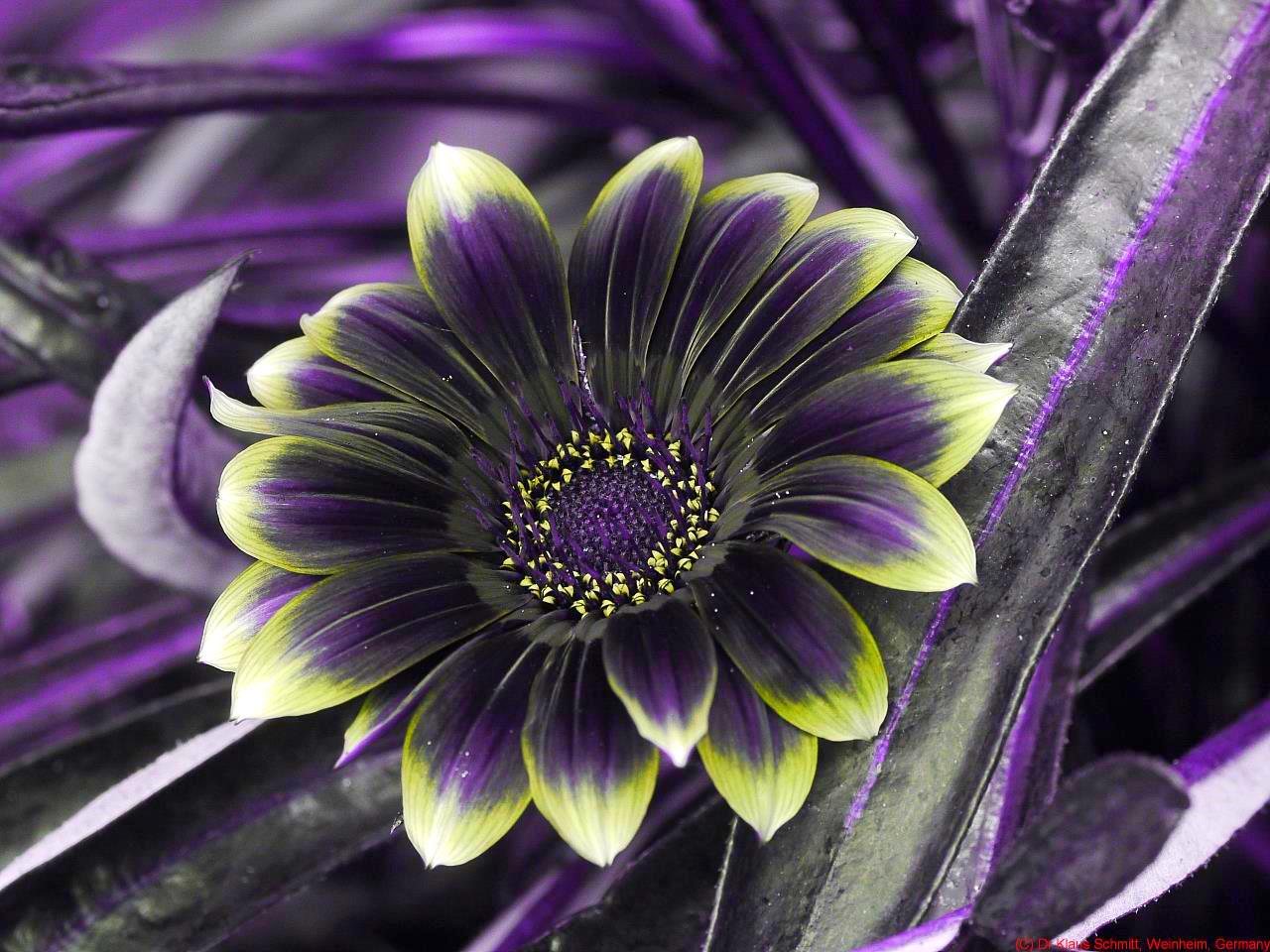
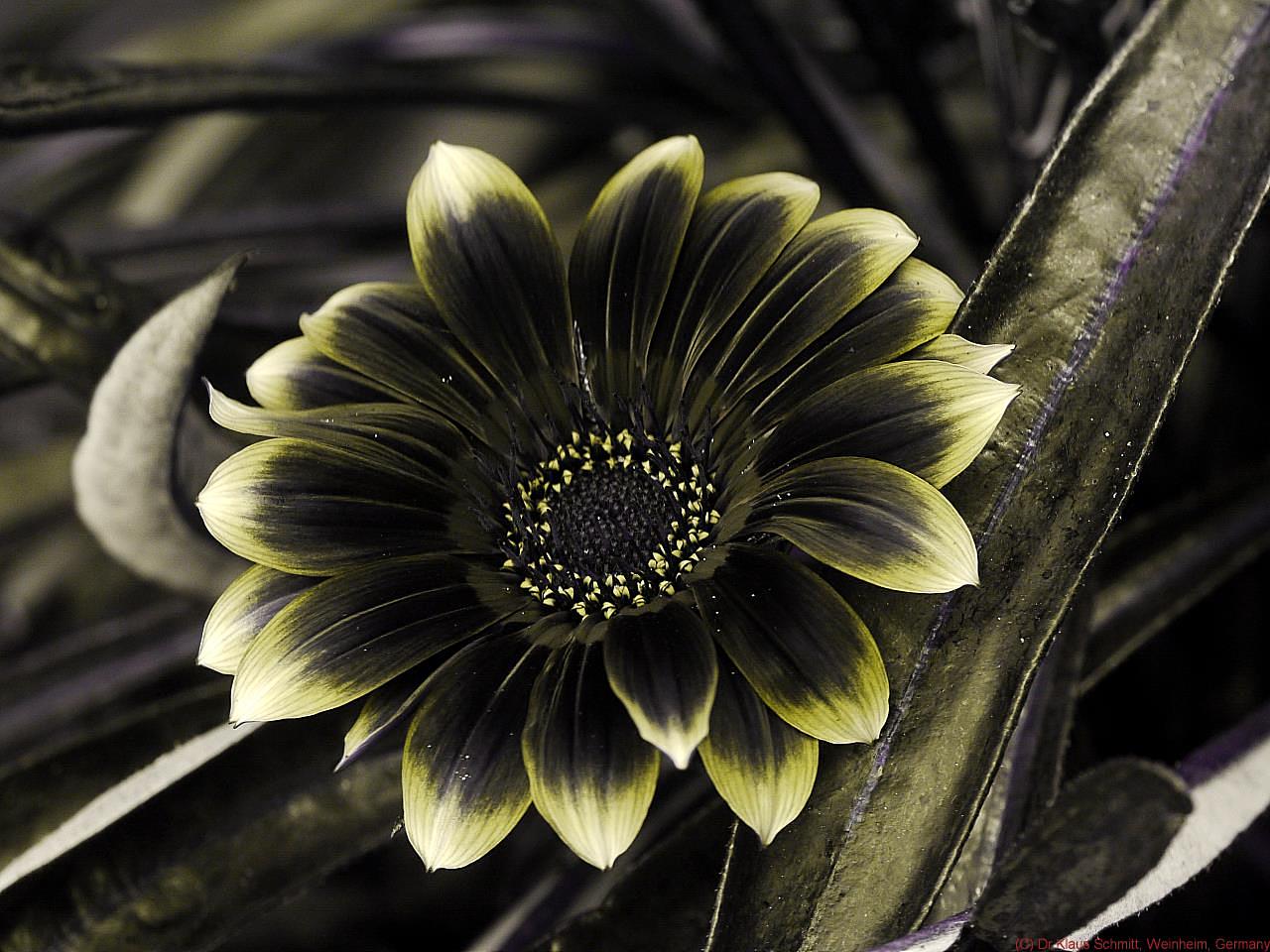
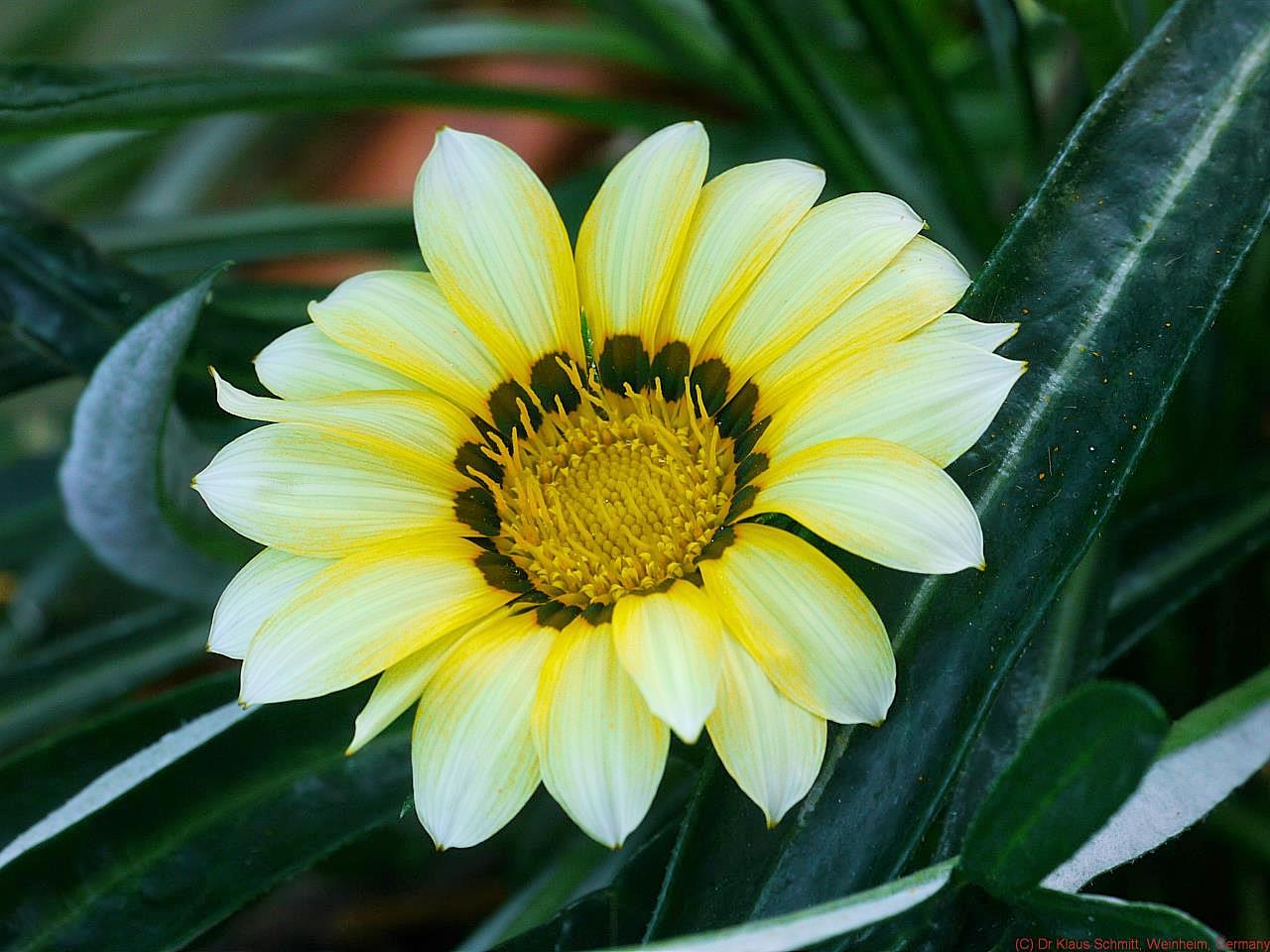
Today about a creamy white Gazania, that when it just opens up, has some yellowish petal color that gets lost after a day. Here shown in its multispectral representation. I took some outside shots using sunlight in normal human vision VIS, in UV using the Baader-U and Jupiter-U filter, as well as in simulated bee vision using my XBV2, XBV3 and XBV6 filters respectively.

[click on image to see a larger one]

Visual shot:


Simulated bee vision using XBV3 filter:


Simulated bee vision using XBV2 filter:


Simulated bee vision using XBV6 filter:


UV using Baader-U filter:


UV using Jupiter-U filter:


And here a polyptych of them all:


Quite interesting how this new filtering technique makes the very different UV reflectance of the petals visible.


Stay tuned, more will follow on that fascinating subject...

More info on this very interesting field may be found on my site http://www.pbase.com/kds315/uv_photos
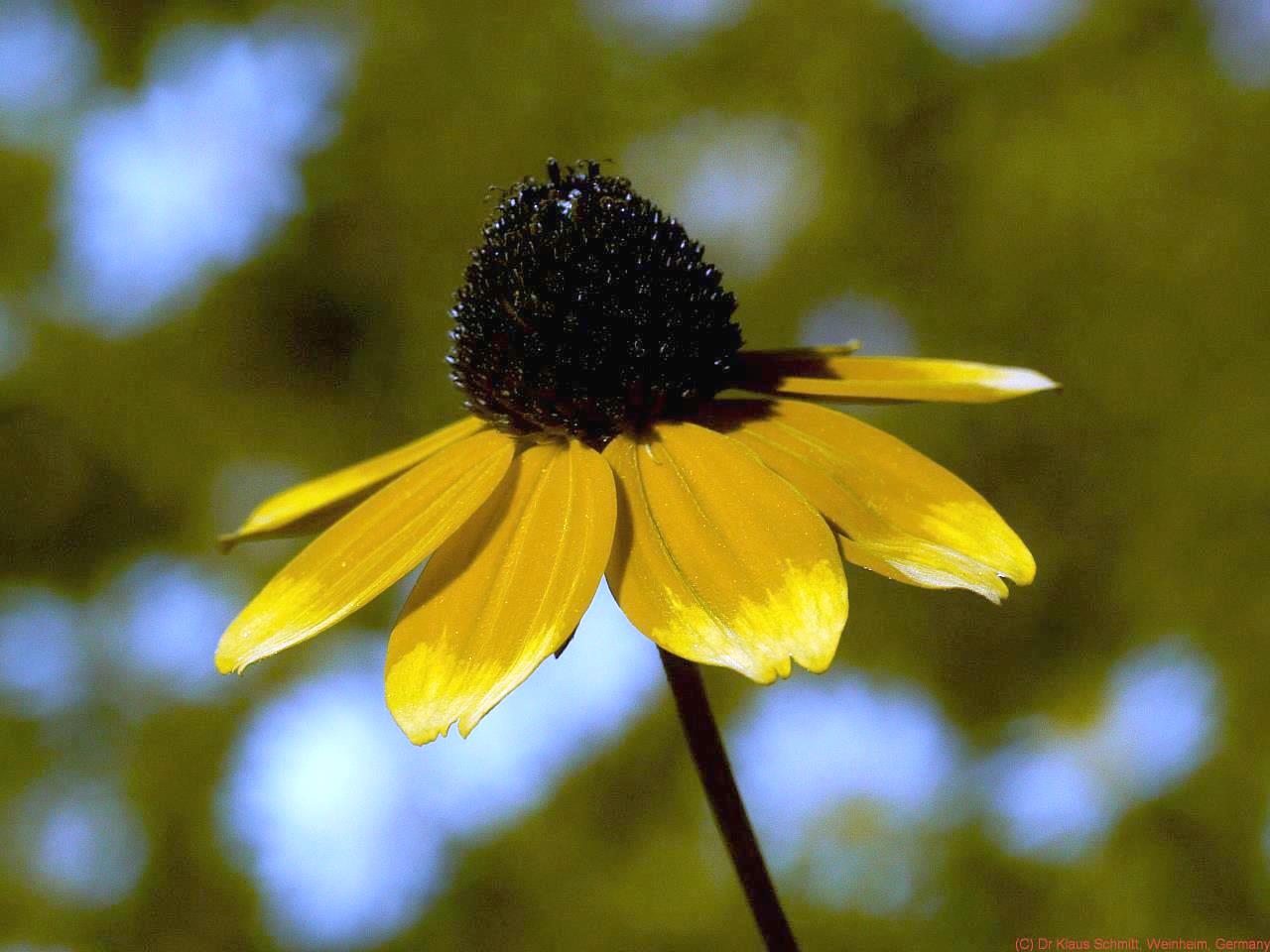
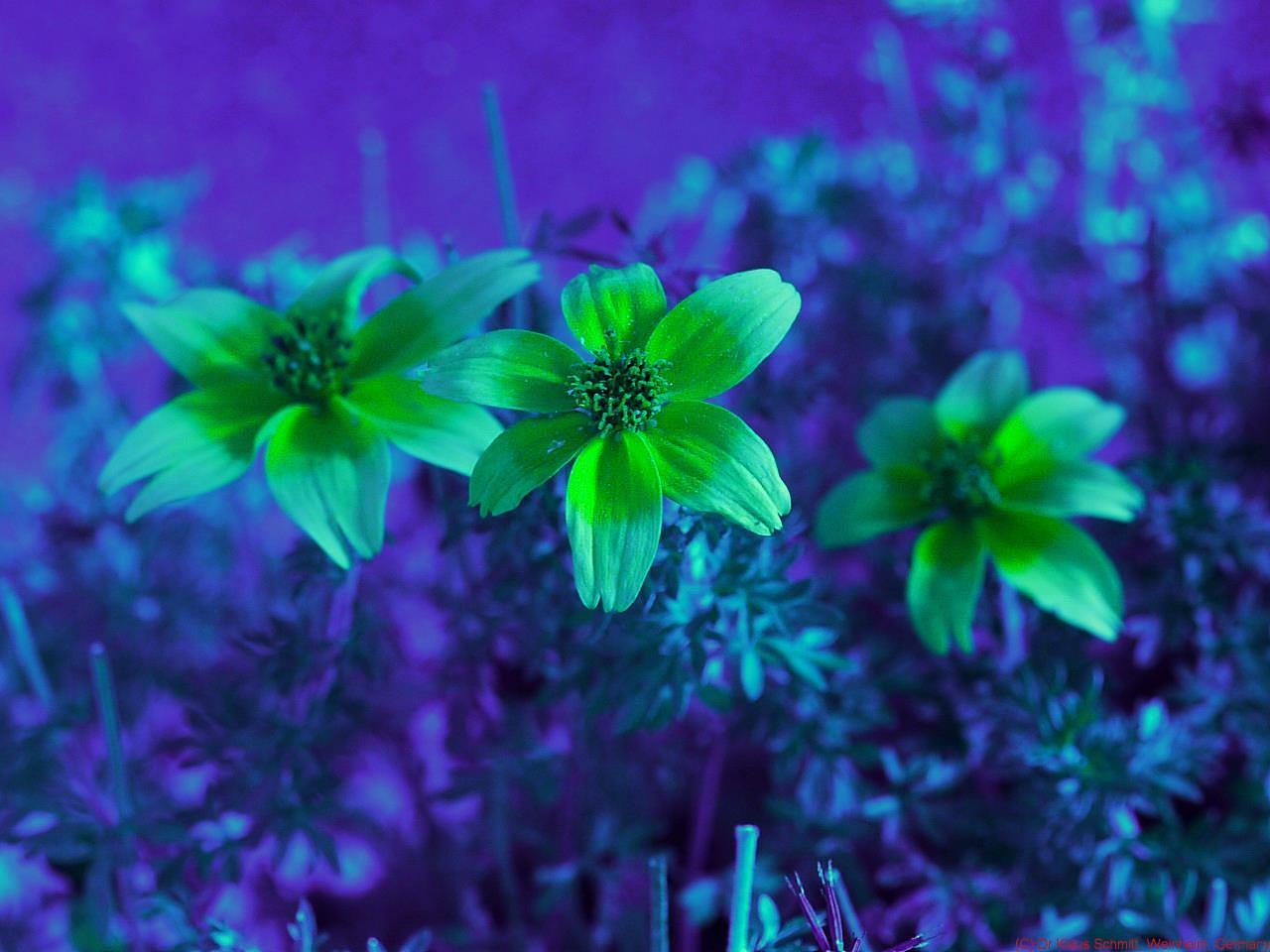
Bidens: human vision vs simulated bee vison II

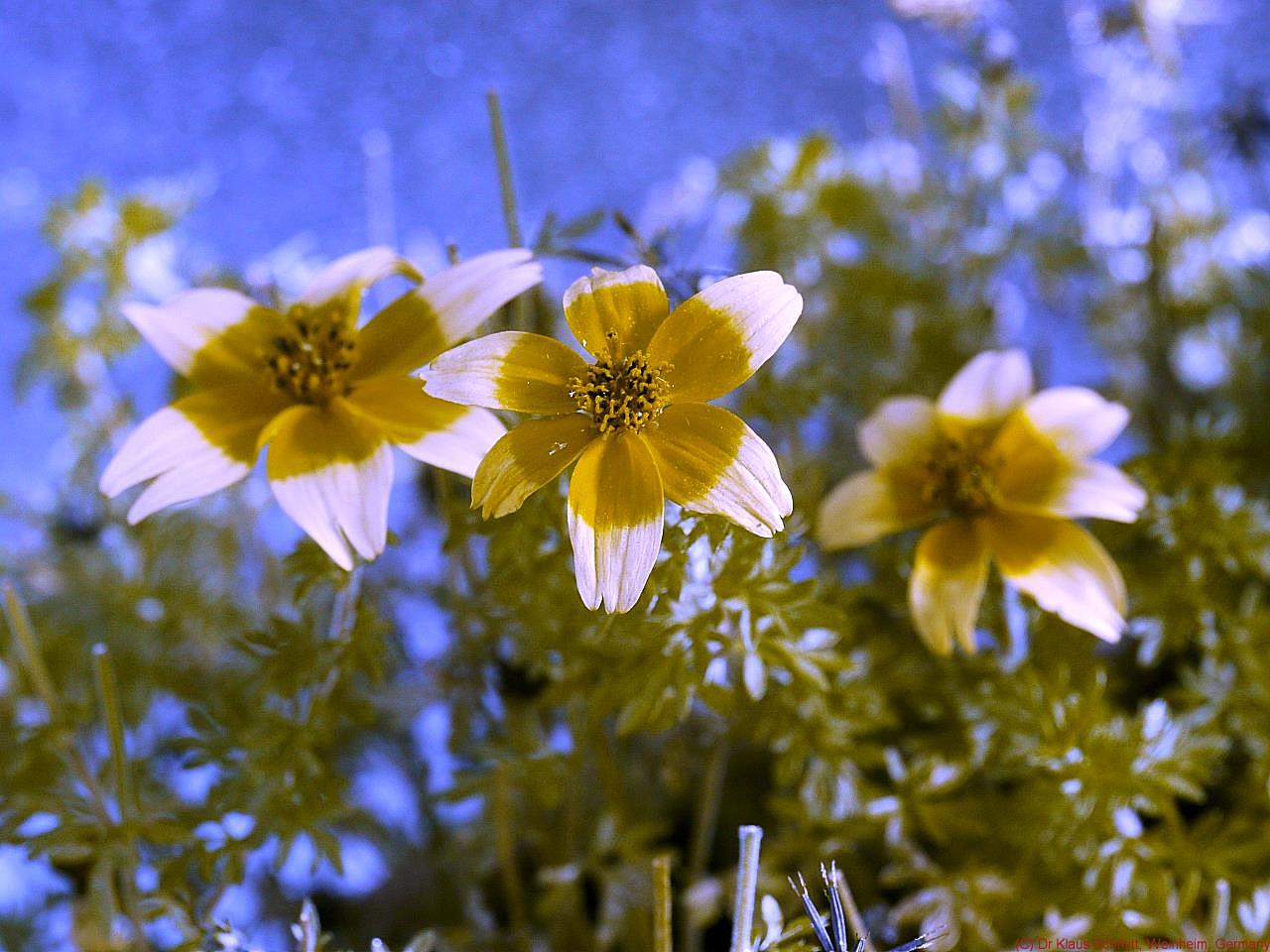
Today about a Bidens ferulifolia flower, one of my fav UV "models" shot outside using sunlight. Shots were done in normal human vision, in UV using the Baader-U filter as well as in simulated bee vision using my various XBV filters respectively, that simulate insect / bee vision in just one shot.

[click on image to see a larger one]

Visual shot:


Simulated bee vison using XBV3 filter:


Simulated bee vison using XBV2 filter:


Simulated bee vison using XBV6 filter:


UV using Baader-U filter:


This flower has a very prominent UV pattern (365nm peak) on its UV-bright petal tips, that's why I like it as a standard test target a lot.


Stay tuned, more will follow on that fascinating subject...

More info on this very interesting field may be found on my site http://www.pbase.com/kds315/uv_photos
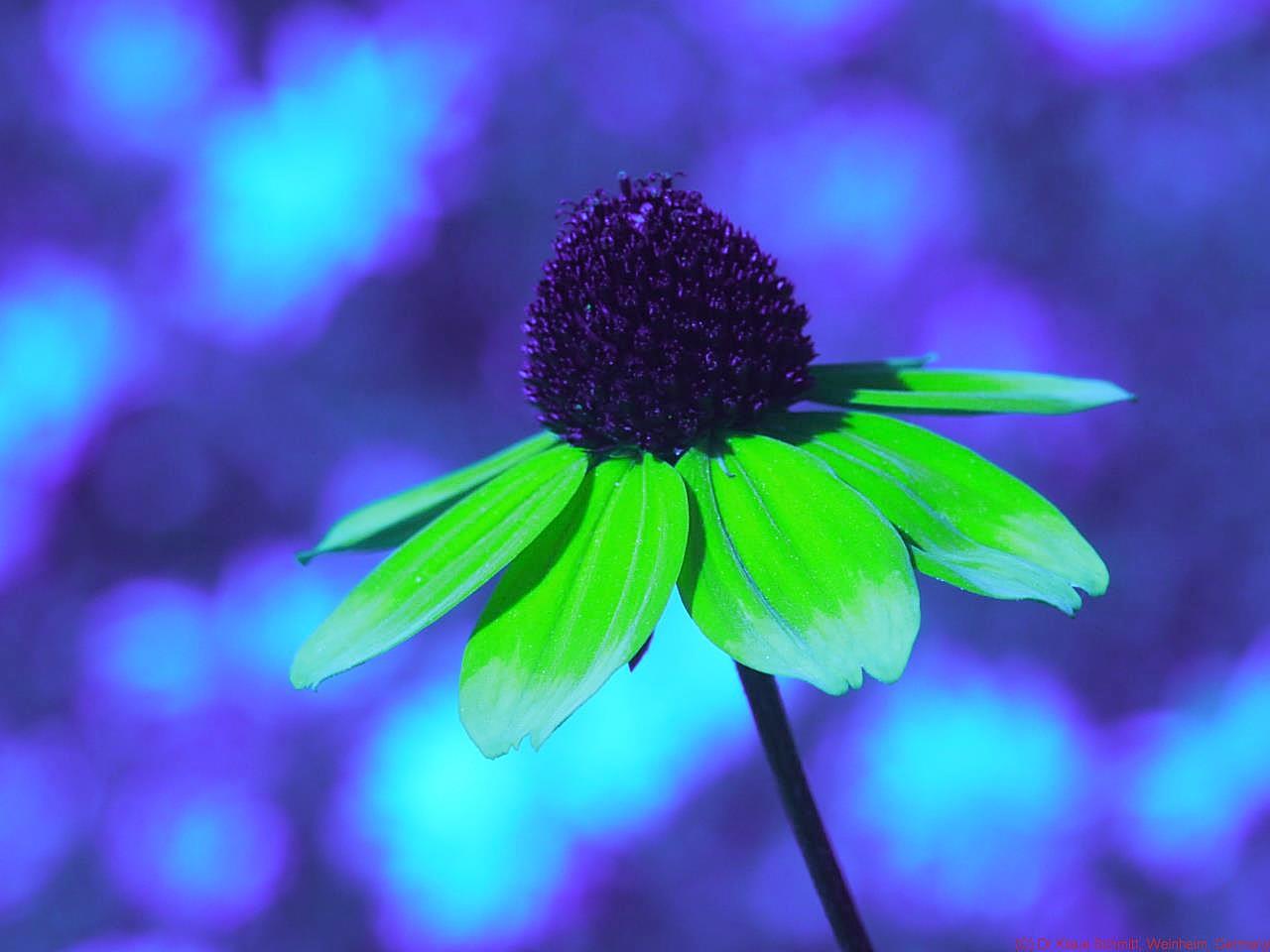
Saturday, September 8, 2012

Gazania yellow hybride: human vision vs simulated bee vison; reflected UV ultraviolet photography

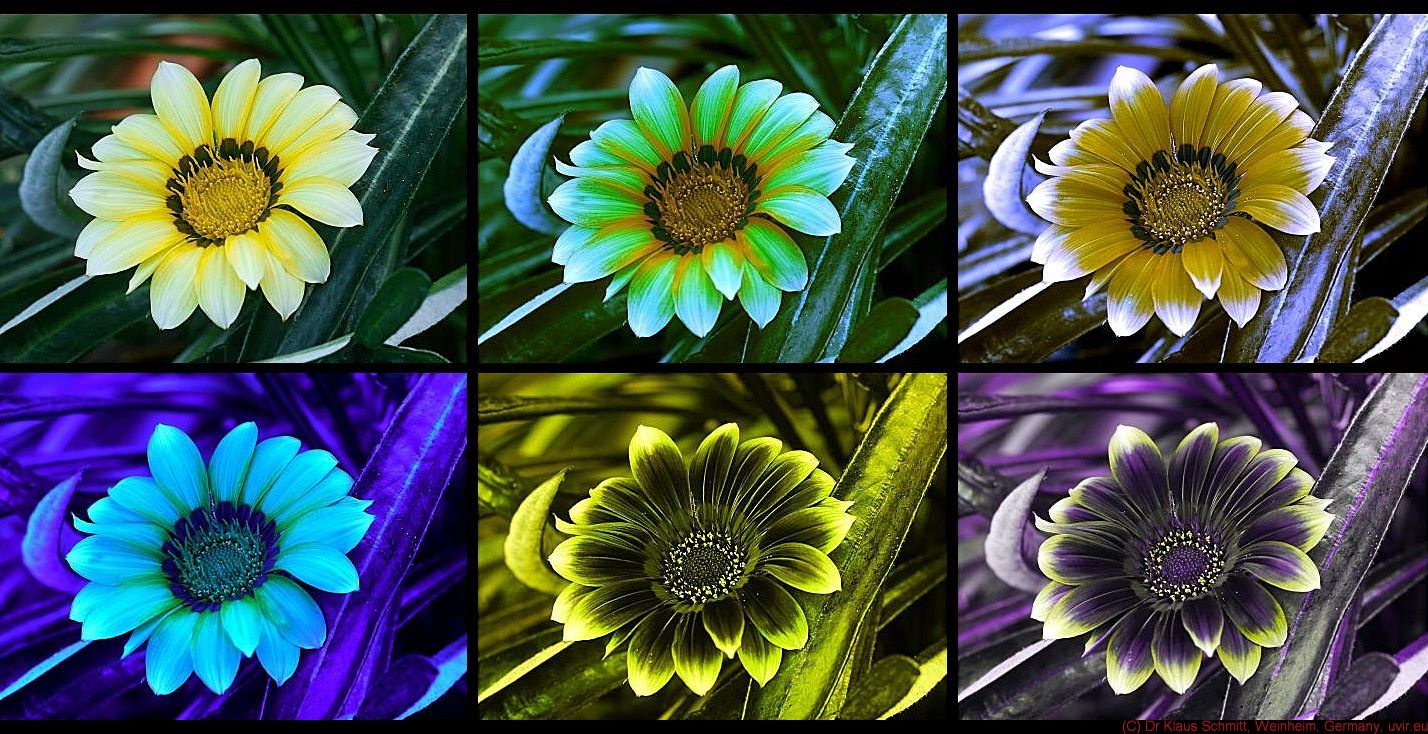
Today about a yellow Gazania flower I had posted about it studio shots before, so here again it is in multispectral representation. I took some shots outside in normal human vision VIS, in UV using the Baader-U, as well as in simulated bee vision using my XBV2, XBV3 and the XBV6 filters respectively using sunlight.

[click on image to see a larger one]

Visual shot:


Simulated bee vision using XBV3 filter:


Simulated bee vision using XBV2 filter:


Simulated bee vision using XBV6 filter:


UV using Baader-U filter:


Quite interesting how this new filtering technique makes the very different reflectance of the petal visible. A bit different than the Xenon flash shots as it was evening sunlight though.


Stay tuned, more will follow on that fascinating subject...

More info on this very interesting field may be found on my site http://www.pbase.com/kds315/uv_photos