Monday, October 8, 2012

X135 UV calibrated f2.8/135mm lens: golden reflected UV ultraviolet photography

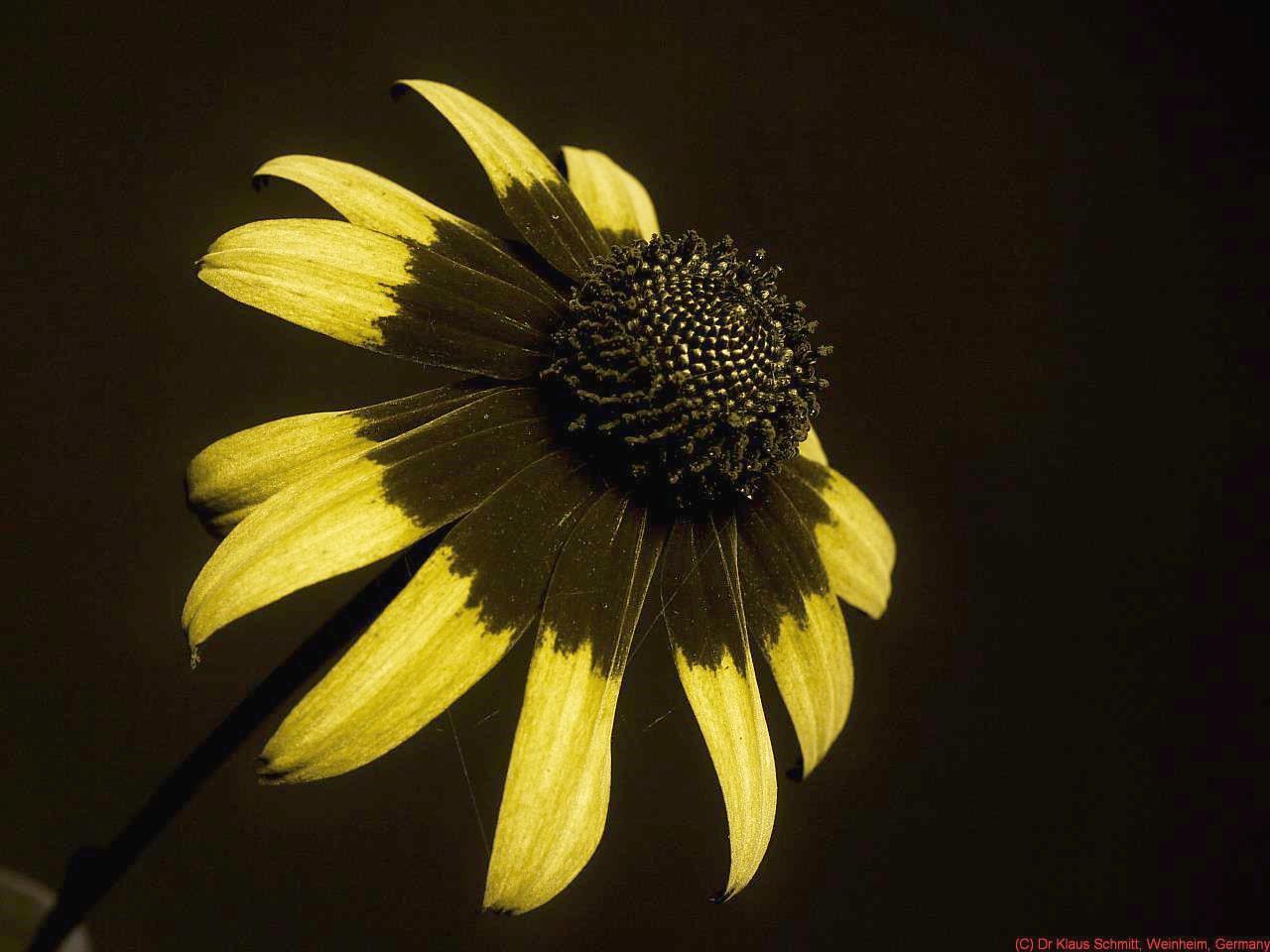
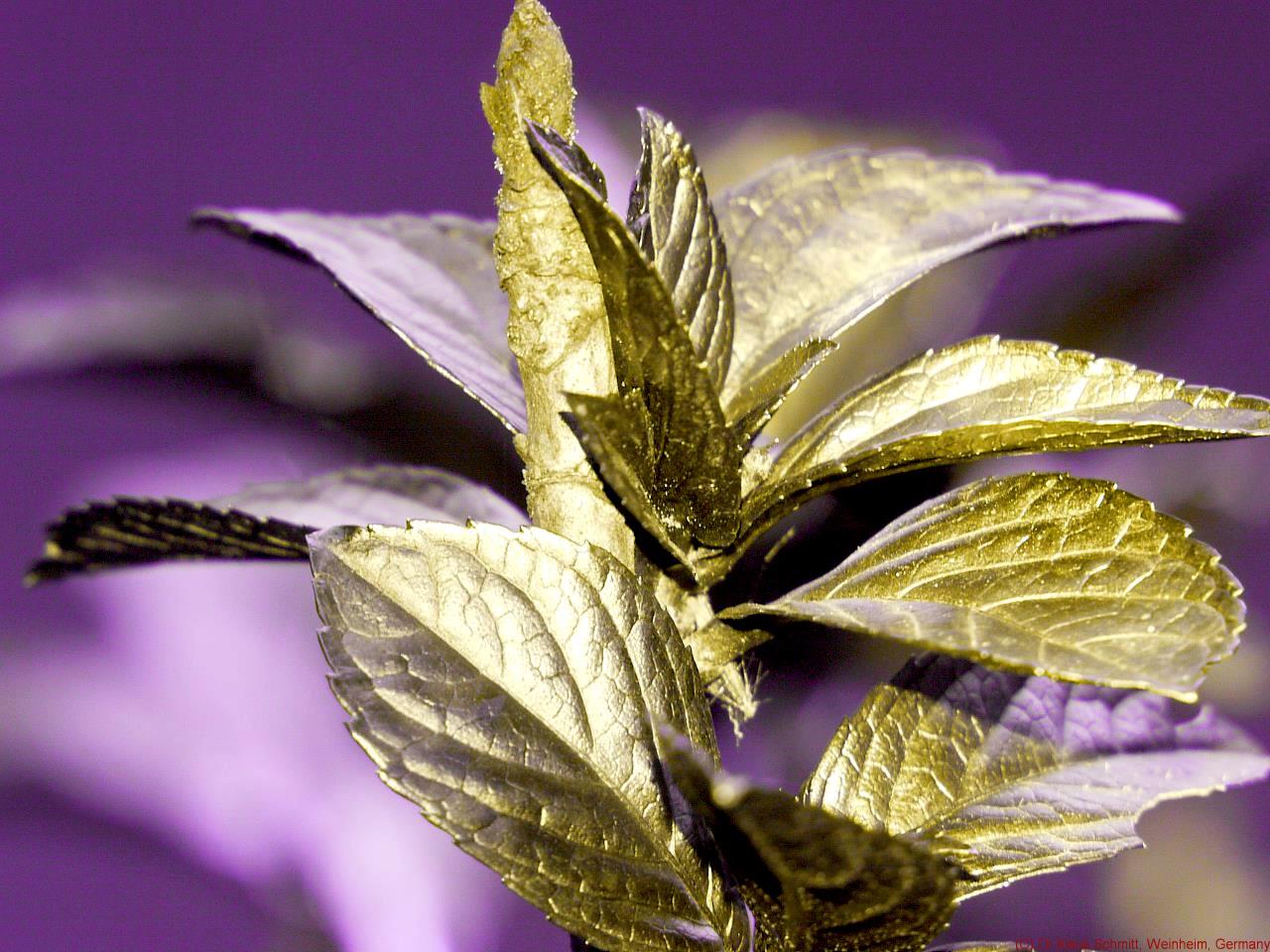
Well, today I dug out this lens of mine that I have calibrated and used for reflected UV photography a while ago. It has a 5e/5g design and I have posted about it here .

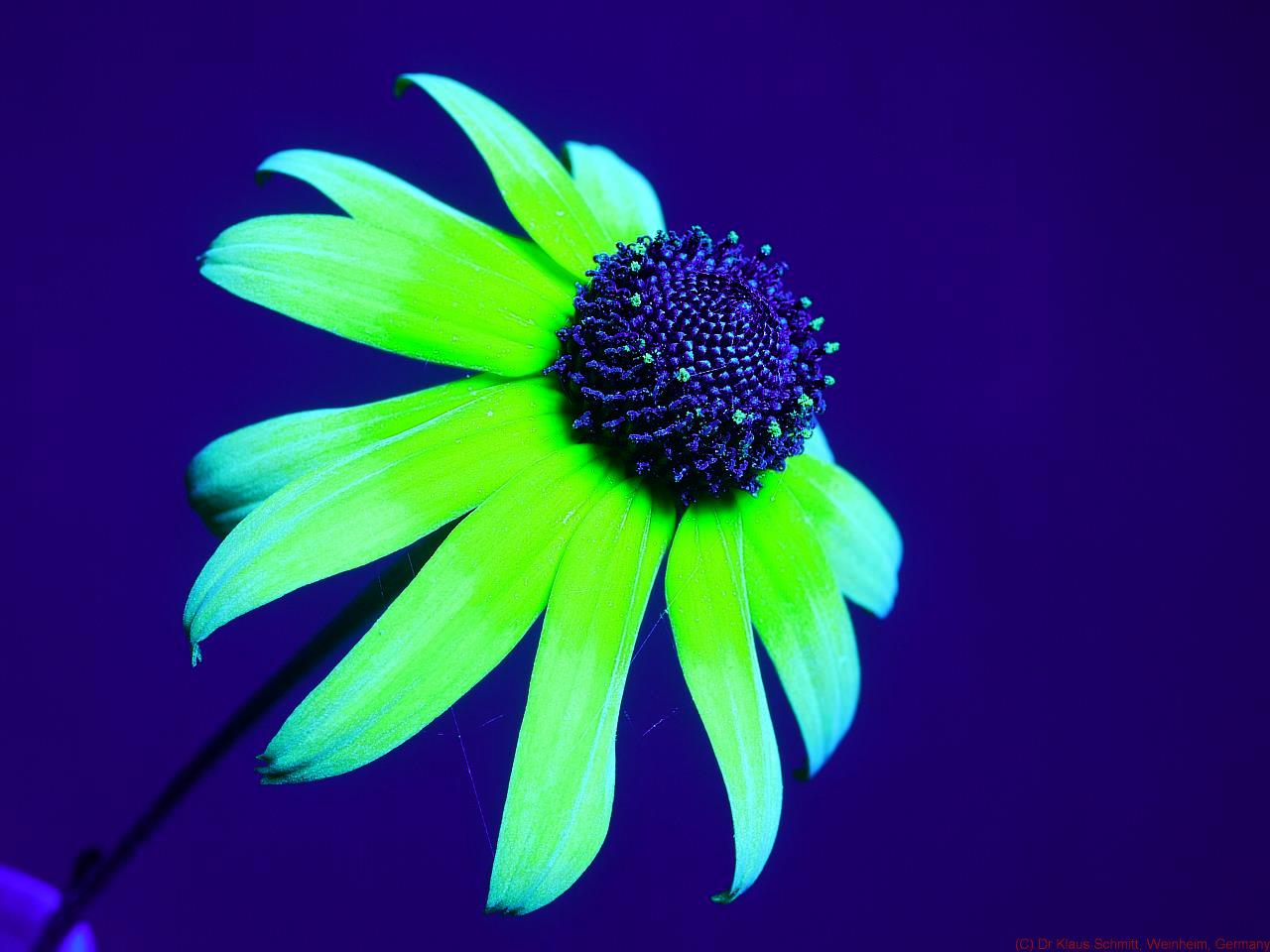
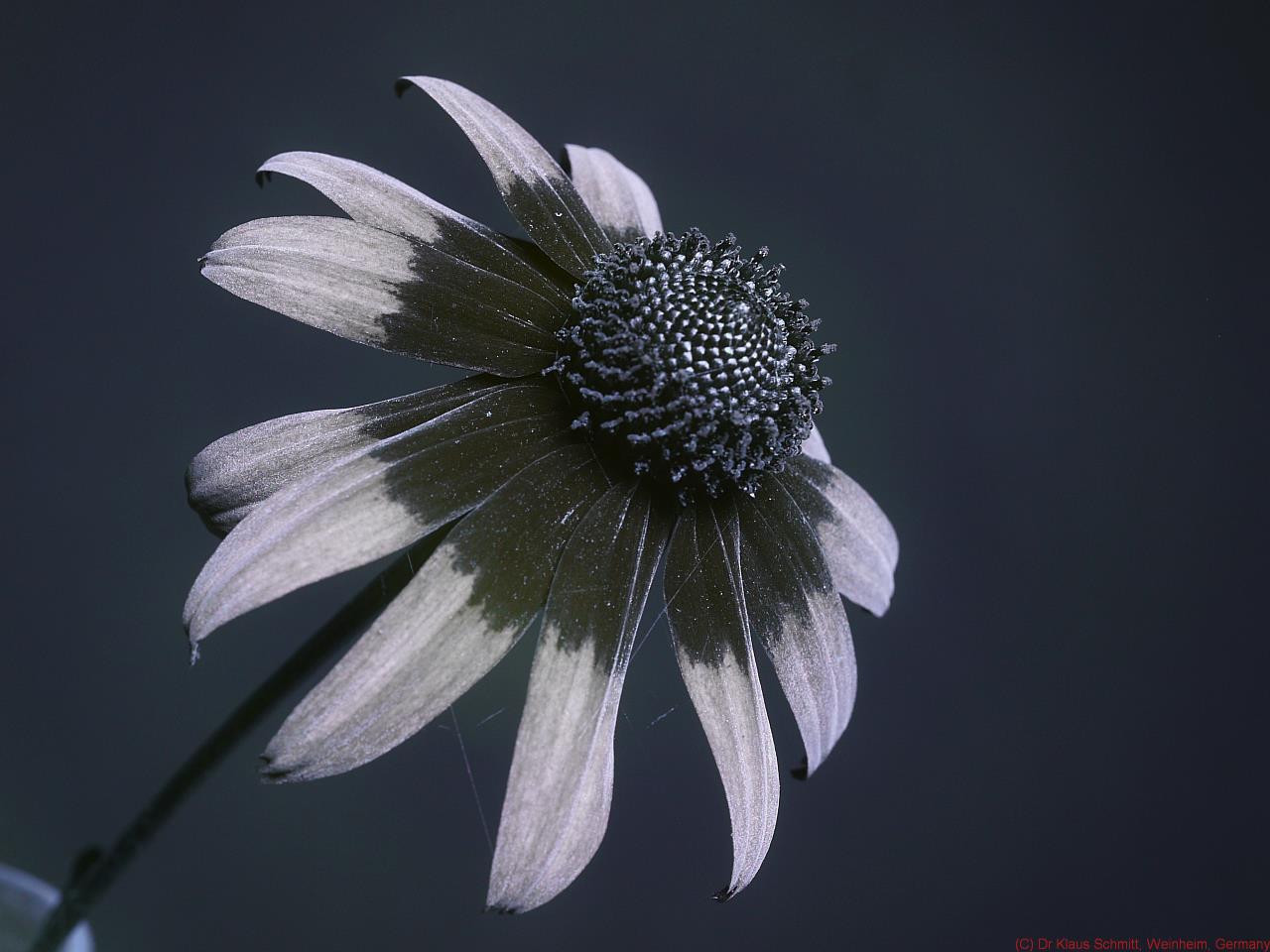
So today about UV photography using this lens, executed using one of my last Rudbeckia fulgida flowers. Sunlight was used as a light source.

Oh well and I forgot to mention that I used my special "golden" processing for these autumnal shots, which I have already used HERE and HERE.

[click on image to see a larger one]


and here some autumnal leafs, Hydrangea in that case...


This was more some "artsy" playing with light then my usual documentary work, but still the very prominent UV pattern of that Rudbeckia gets nicely visible.

Stay tuned, more will follow on that fascinating subject...

More info on this very interesting field may be found on my site http://www.pbase.com/kds315/uv_photos

Tuesday, October 2, 2012

Carl Zeiss Jena Lamegon 38mm: UV ultraviolet photography II

Well, I dug out this lens last weekend and took a few shots with it again, when I remembered that it can also be used for UV (and IR) despite its complex 8e/4g lens design incorporating lots of glass elements and a few cemented ones, based on the famous Biogon design of Dr Bertele. In my first Blog entry about this lens about a year ago I was referring to my friends site about such special and rare lenses HERE and there are also some UV and IR shots.

So today about UV photography using this lens, executed using one of my last Rudbeckia fulgida flowers. Shots were done using the UV Baader-U and XNUV filter as well as the bee vision simulating XB4 filter. My modified Xenon flash was used as a light source. Oh, and no focus correction was done!

[click on image to see a larger one]

Visual image using UV/IR Cut filter:


Simulated Bee vision using XBV4 filter:


UV image using XNUV filter:


UV image using Baader-U filter (with usual whitebalance):


UV image using Baader-U filter (with special whitebalance to resemble a quartz fluorite lens):

Well, the UV transmission is not that great, as may be seen from the colors of the second to last image, but still quite useful and especially sharp. So, maybe you you understand why I was so surprised again about the performance of that lens - no wonder its larger brothers (8/110mm and 5.6/55mm) were used in cold war as a aerial imaging lenses. And btw. if you like to see how amazingly this lens performs in the visual, have a look HERE from 2011 and HERE from this year.

Stay tuned, more will follow on that fascinating subject...

More info on this very interesting field may be found on my site http://www.pbase.com/kds315/uv_photos

Friday, September 28, 2012

Lichen: human vision vs simulated bee vison; reflected UV ultraviolet photography II

Today again about that same Lichen (most likely Xanthoria parietina and Physcia adscendens grown into each other), that I found growing on a broken branch. Shots in UV were done using an older approx 85mm quartz/fluorite lens, the UV Baader-U and XNUV filter, the bee vision simulating XB2 and XB4 filter as well as a UG11 + S8612 (cladded, 2mm) filter stack. My modified Xenon flash was used as a light source.

[click on image to see a larger one]

Human vision image using UV/IR Cut filter:


Bee vision image using XBV3 filter:


Bee vision image using XBV2 filter:


UV image using XNUV filter:


UV image using Baader-U filter:


 UV image using UG11 + S8612 (cladded, 2mm) filter stack:


Quite interesting to note that also this old quartz / fluorite lens nicely reproduces, how Lichen reflects UV light in these differently colored sub-UV bands I have written earlier about. Really nice to have that target for UV photography when flowers will be gone...

HERE it is shot using my CERCO 94mm quartz/fluorite lens and HERE in UV induced visible fluorescence..

Stay tuned, more will follow on that fascinating subject...

More info on this very interesting field may be found on my site http://www.pbase.com/kds315/uv_photos

Thursday, September 27, 2012

Lichen: UV induced visible fluorescence and reflected UV; ultraviolet photography

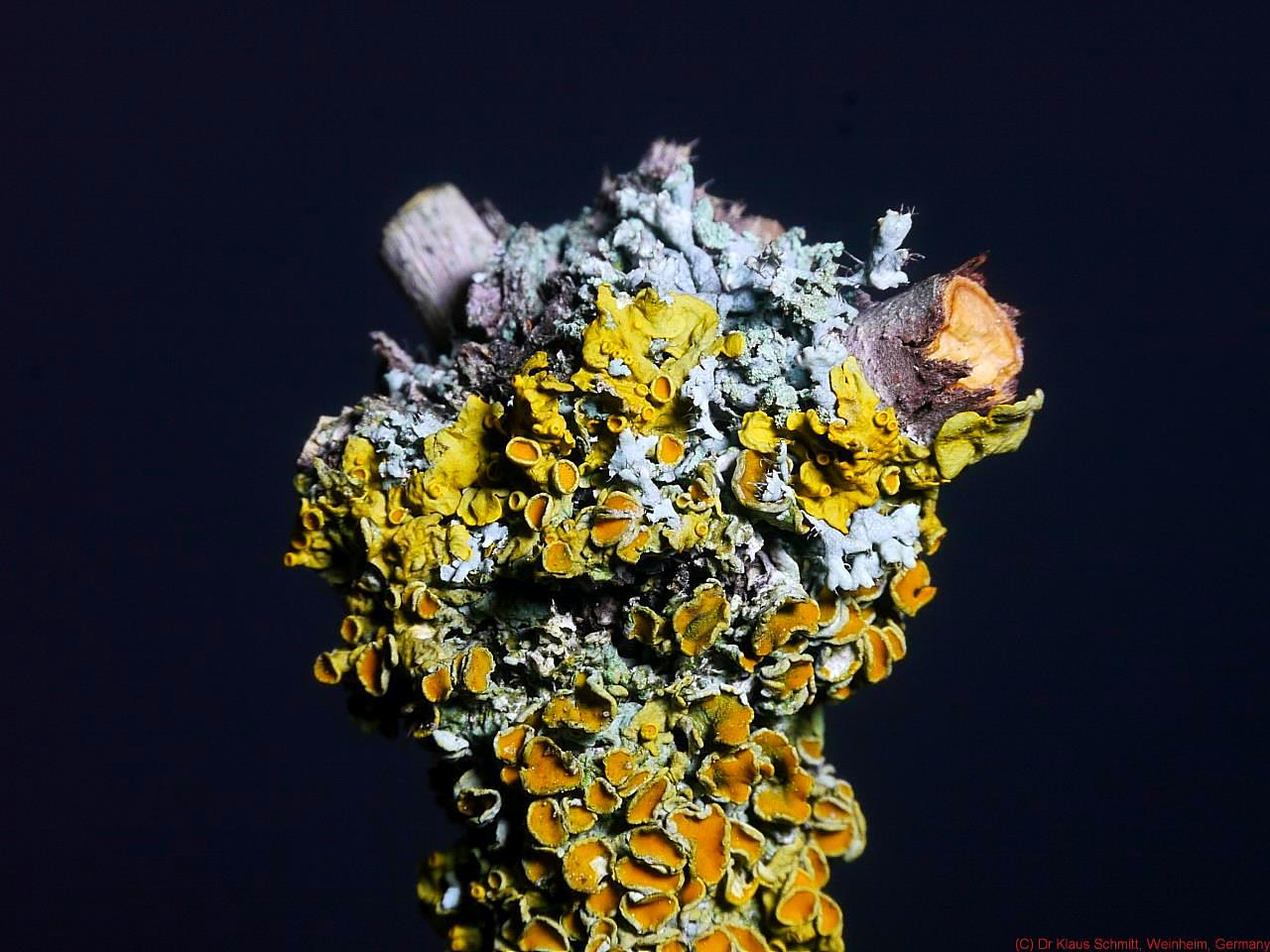
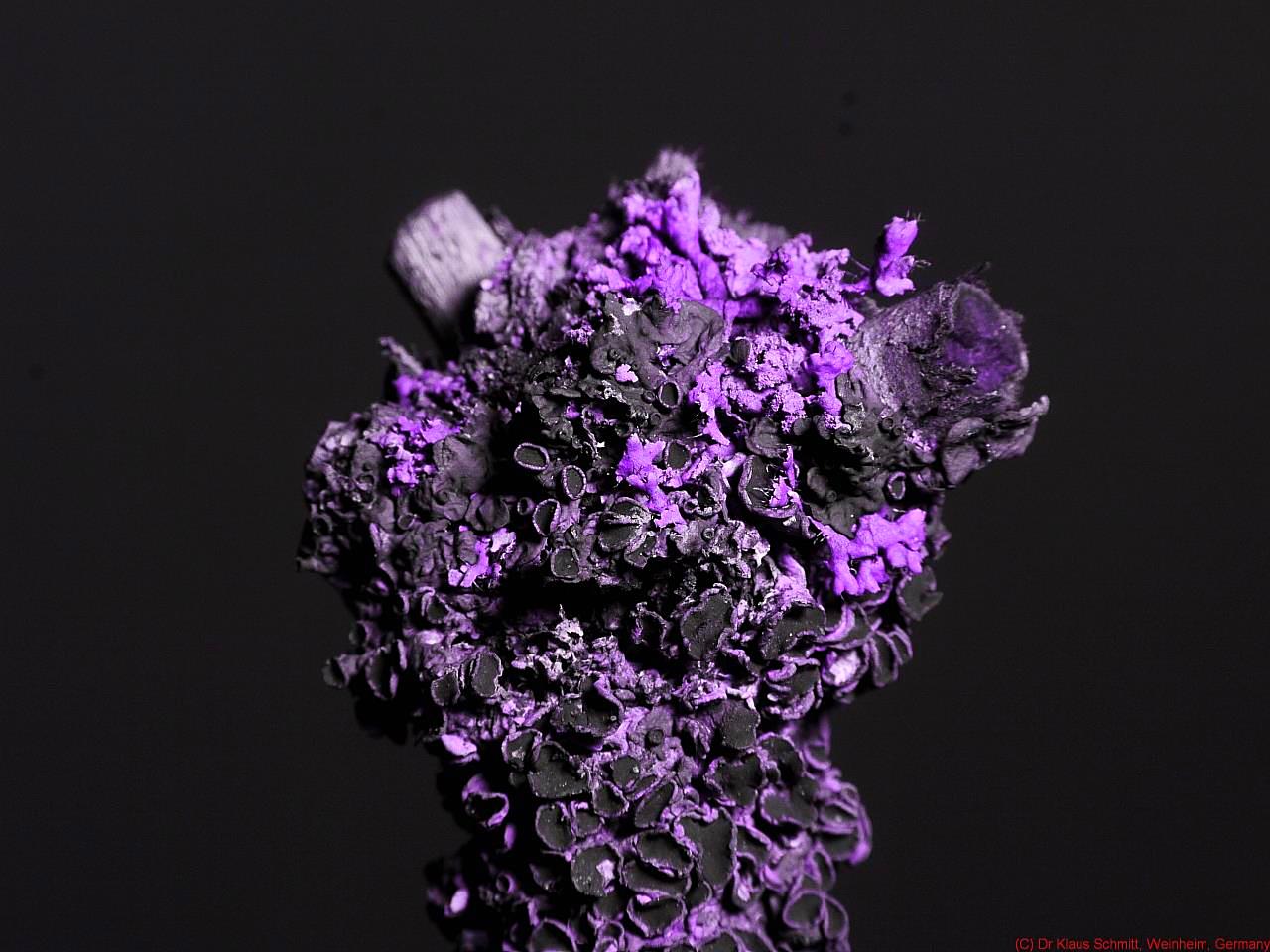
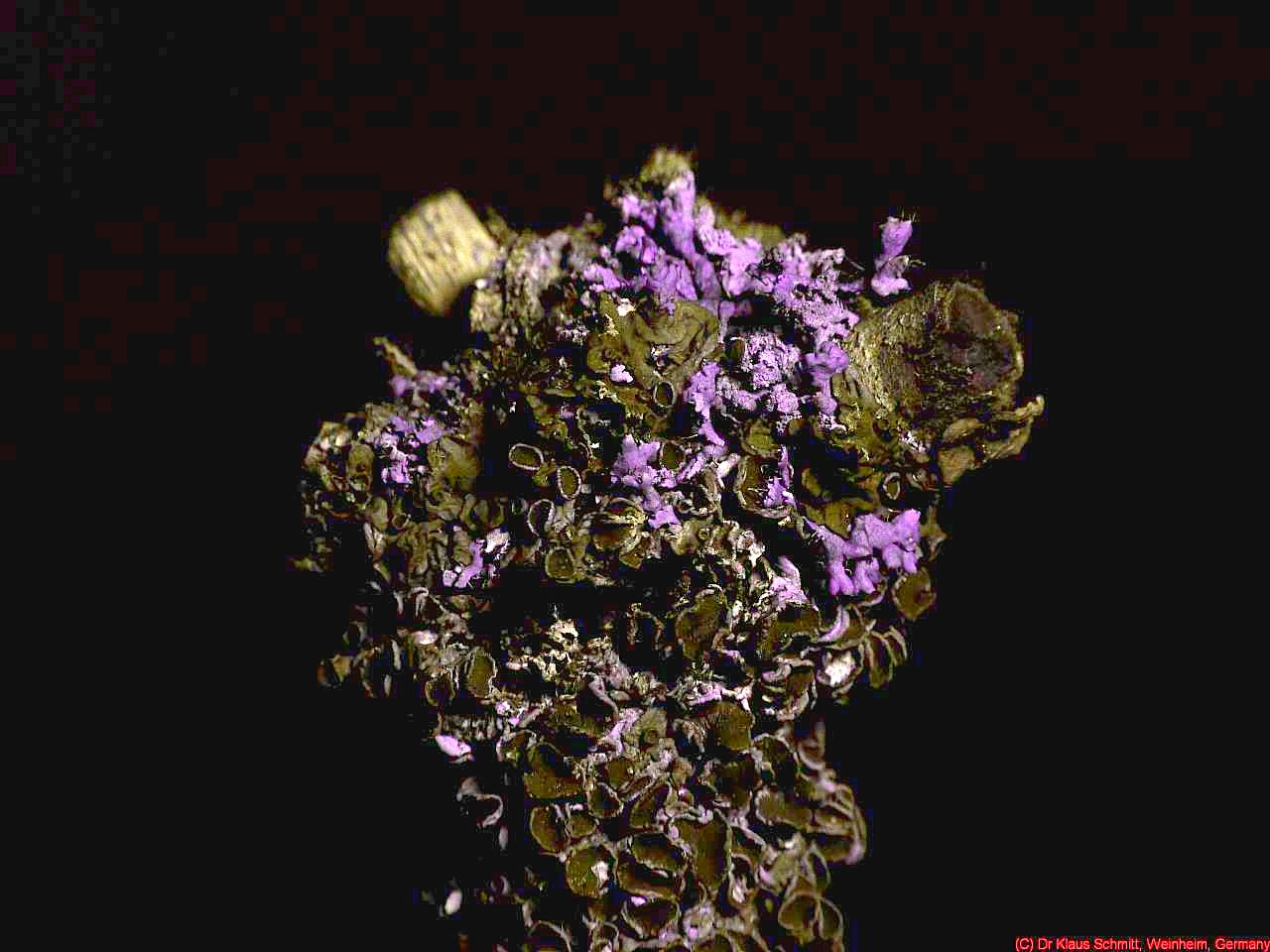
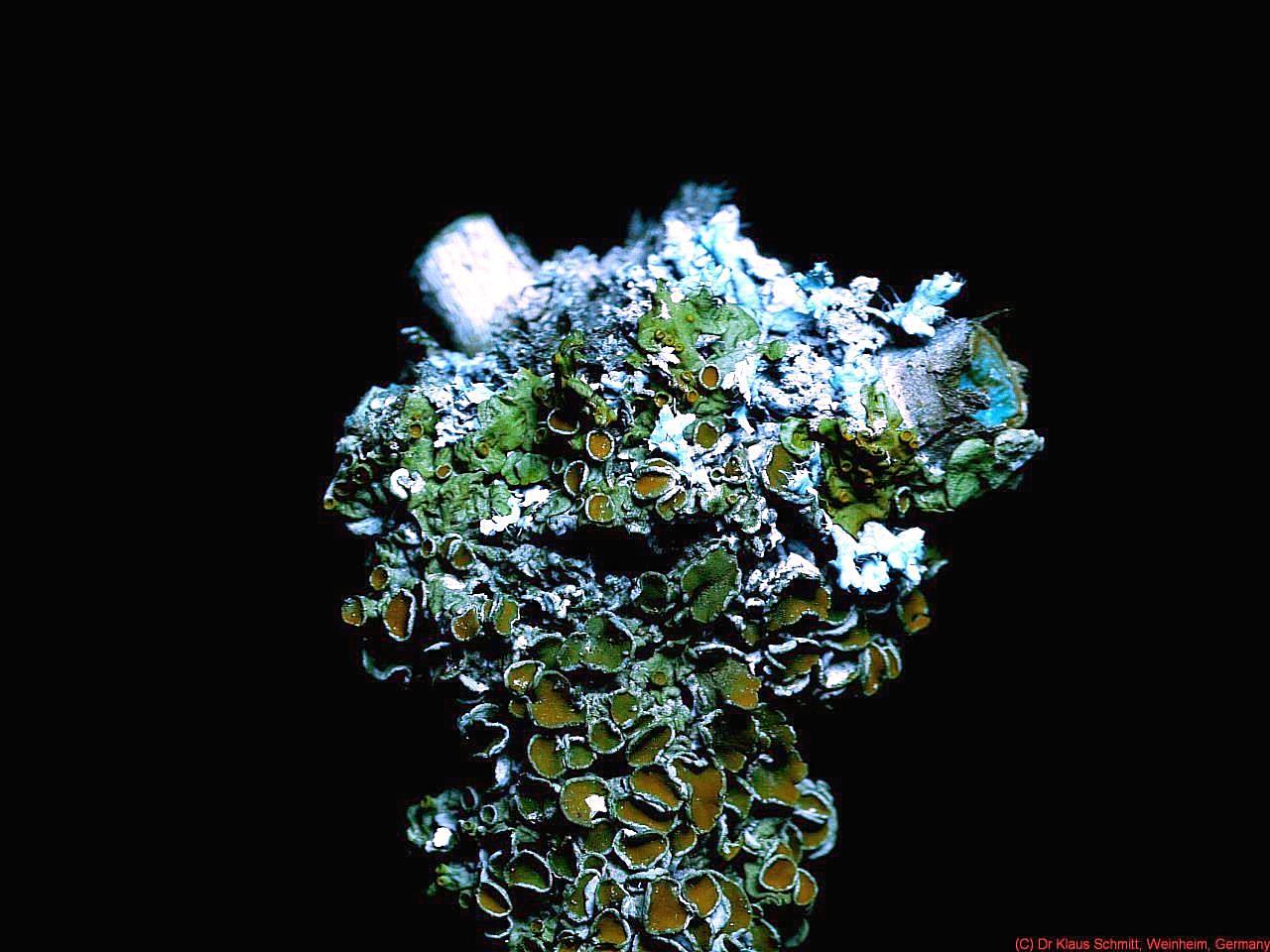
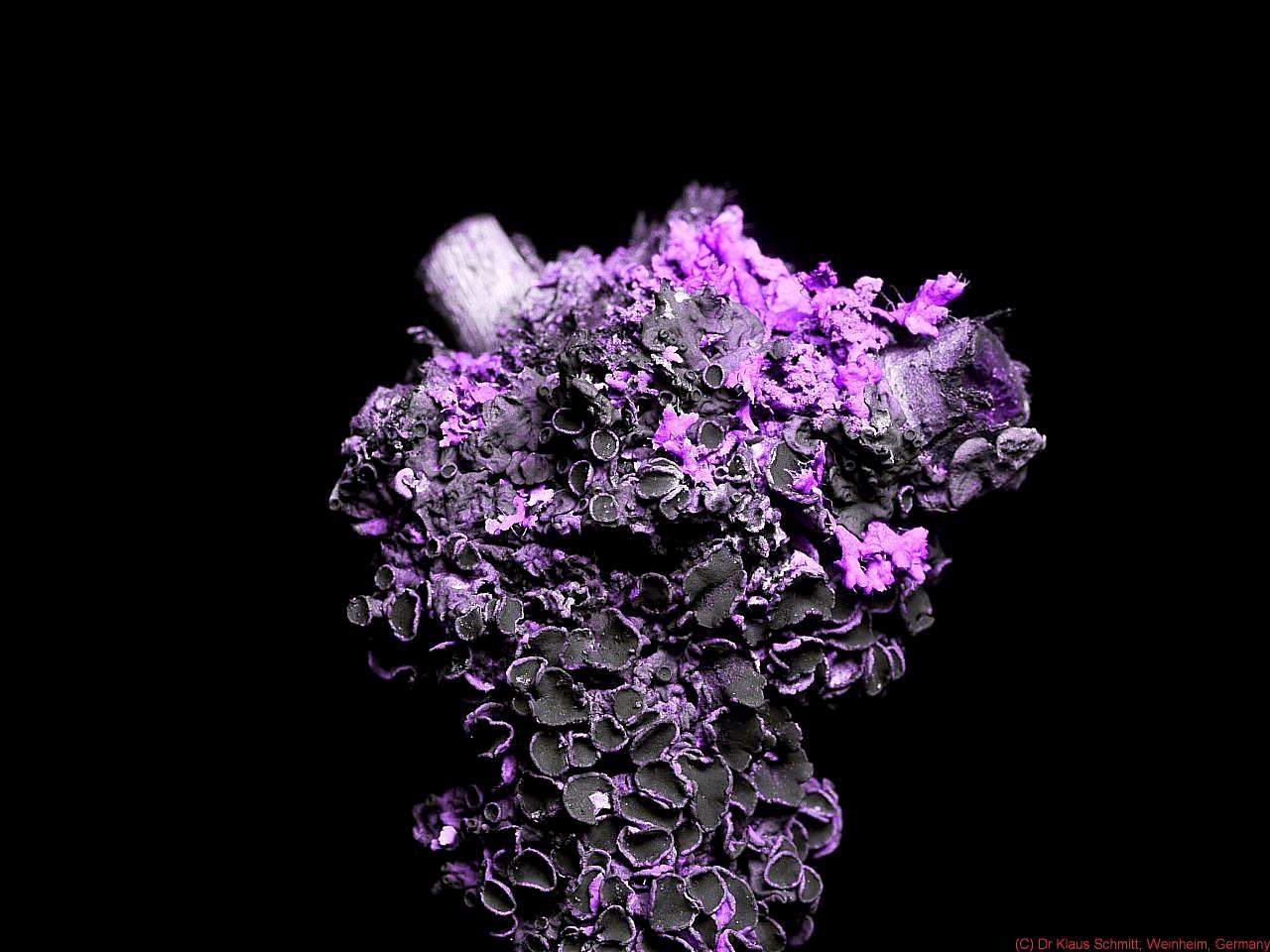
Today again about that same Lichen (most likely Xanthoria parietina and Physcia adscendens grown into each other) that I found growing on a broken branch that I have shown in reflected UV and UV induced visible fluorescence. So here a quadriptych of VIS-FL-UV images, just for viewing pleasure and of course also for comparison.

[click on image to see a larger one]

Quadriptych VIS-FL-UV:

Well, it seems that a little broken branch laying in the mud, can have quite some hidden and invisible beauty, that was just waiting to be revealed...

Stay tuned, more will follow on that fascinating subject...

More info on this very interesting field may be found on my site http://www.pbase.com/kds315/uv_photos

Wednesday, September 26, 2012

Lichen: UV induced visible fluorescence; UV ultraviolet photography

Today again about that same Lichen I have reported about (most likely Xanthoria parietina and Physcia adscendens grown into each other), that I found growing on a broken branch. Shots now were done in UV induced visible fluorescence (UVIVF) using my CERCO 94mm quartz/fluorite lens, the Baader UV/IR Cut filter as well as my Nichia high power UV LED system that was used as a light source.

[click on image to see a larger one]

Human vision image using UV/IR Cut filter:

UVIVF image using a special UV Cut filter:

UVIVF image using Baader UV/IR Cut filter:

Quite interesting colors get visible. So also that is nice to know as a target for UV photography when all flowers will be gone soon...


Stay tuned, more will follow on that fascinating subject...

More info on this very interesting field may be found on my site http://www.pbase.com/kds315/uv_photos
Lichen: human vision vs simulated bee vison; reflected UV ultraviolet photography

Today about some Lichen (most likely Xanthoria parietina and Physcia adscendens grown into each other), that I found growing on a broken branch. Shots in UV were done using my CERCO 94mm quartz/fluorite lens, the UV Baader-U and bee vision XB4 filter as well as a modified Xenon flash was used as light source.

[click on image to see a larger one]

Human vision image using UV/IR Cut filter:

Bee vision image using XBV4 filter:

UV image using Baader-U filter

Quite interesting, how Lichen reflects UV light in these differently colored sub-UV bands I have written earlier about. Nice to know a target for UV photography when flowers will be gone soon...

HERE it is in UV induced visible photography.

Stay tuned, more will follow on that fascinating subject...

More info on this very interesting field may be found on my site http://www.pbase.com/kds315/uv_photos

Tuesday, September 25, 2012

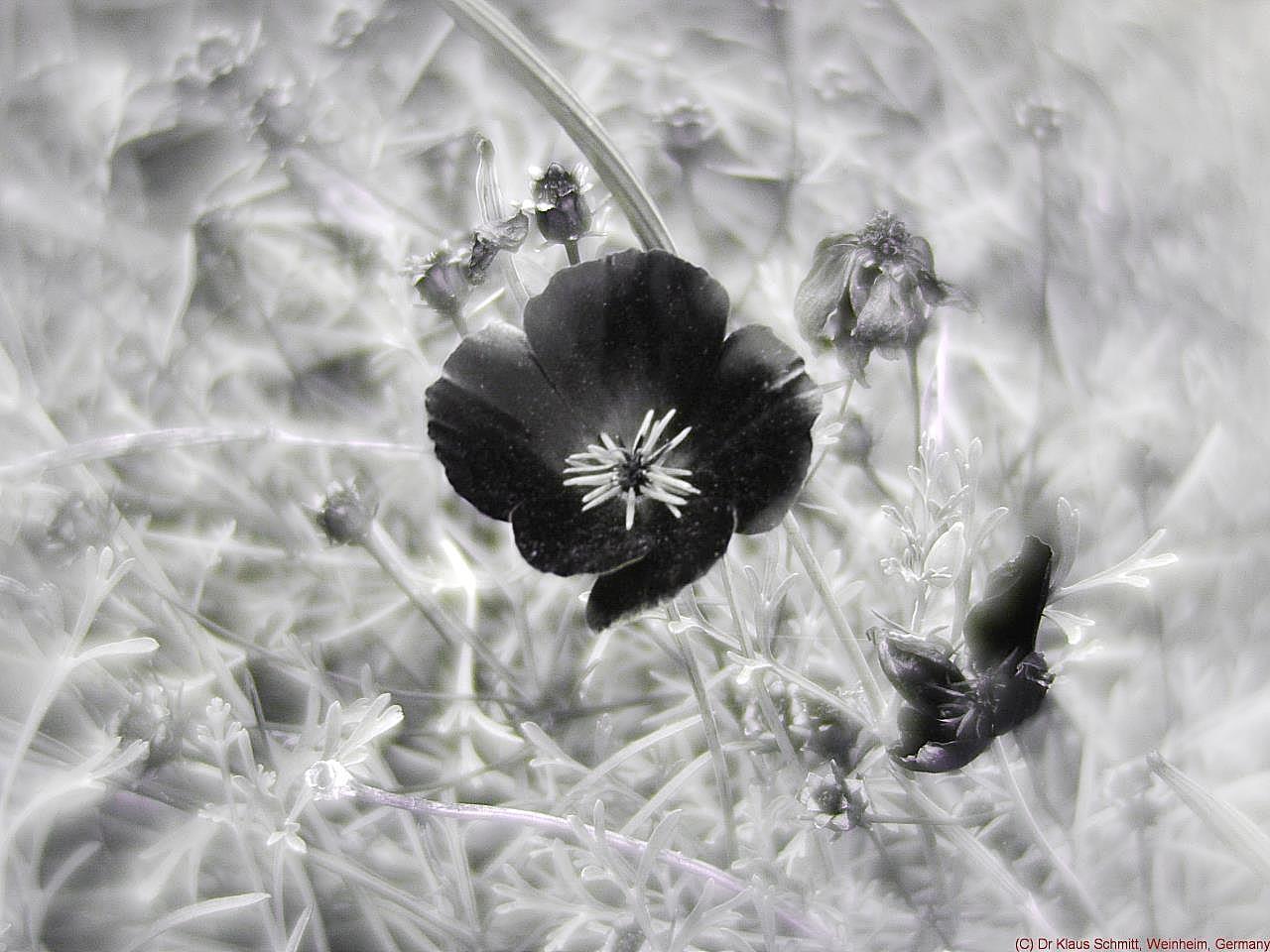
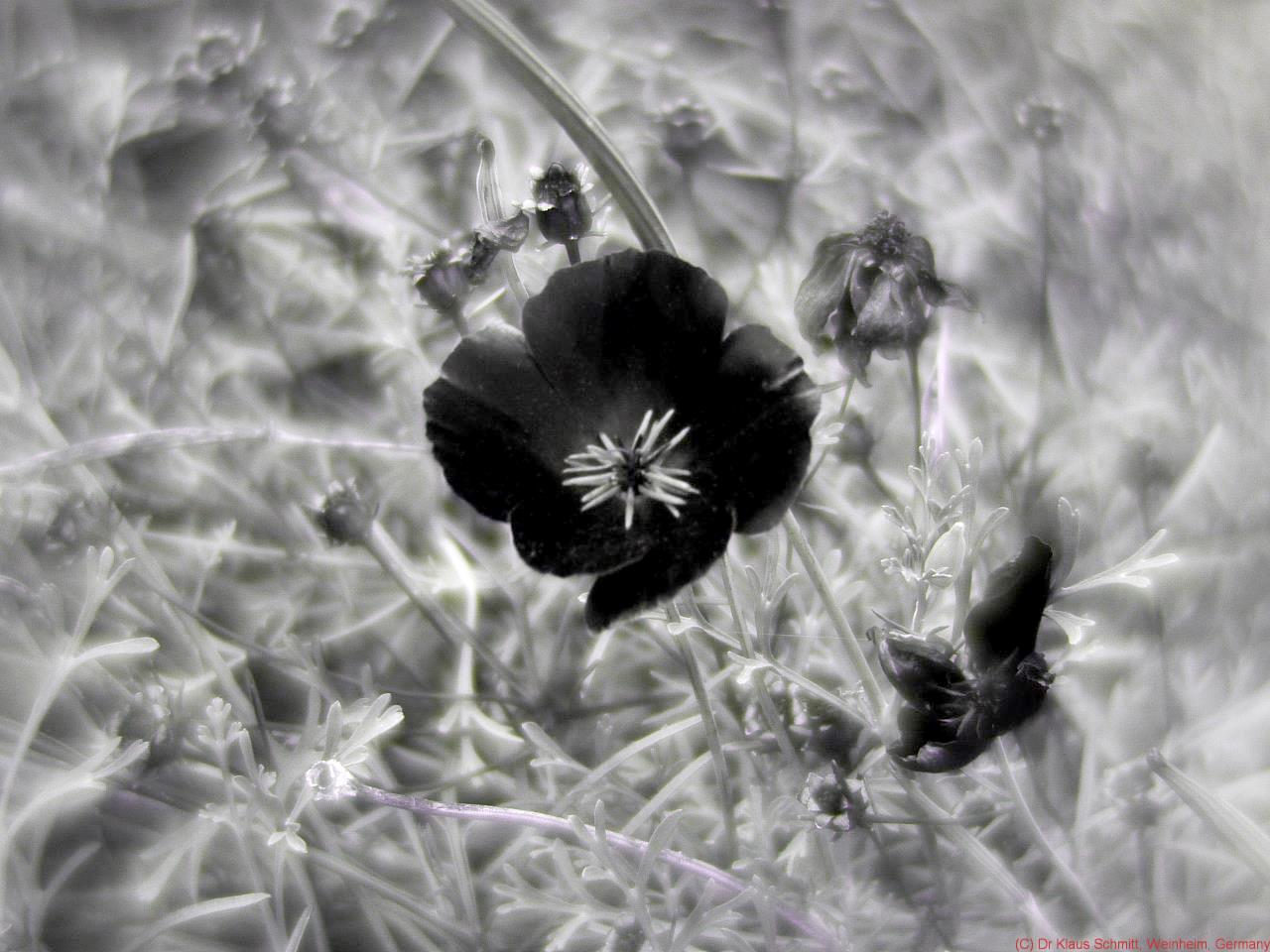
Negative Space used by Eschscholzia californica (California Poppy): UV ultraviolet photography

Today about Eschscholzia californica (California Poppy), which makes use of a very interesting concept: Negative Space. I made those shots at Herrmashof Park, Weinheim, Germany using a custom made up UV lens from a simple quartz singlet that I used before, stopped down mildly to various degrees to control a wanted soft focus effect. Shots in UV were done using the Baader-U filter and sunlight was used as light source.

[click on image to see a larger one]


The most interesting part, aside that soft focus effect was for me, how this California Poppy uses its pitch black petals (in UV) to make its anthers stand out brightly against that dark background by massively increasing contrast. To help attract pollinators? I would guess so...


Stay tuned, more will follow on that fascinating subject...

More info on this very interesting field may be found on my site http://www.pbase.com/kds315/uv_photos