Sunday, October 28, 2012

Hamamatsu A4869 UV lens f3.5/50mm for reflected UV photography

I got a loaner lens for testing, a Hamamatsu f3.5/50mm UV lens, made of quartz and fluorite, a 5e/5g design, with obviously uncoated lens elements (which might be the reason for the prominent hotspot that it shows in VIS and UV), as this is some 15-20 year old lens I have been told. It has a c-mount and was made for Hamamatsu's line of high sensitive and intensified UV cameras, hence its image circle is just 16mm as per its specs. I measured the latter and the real image circle is larger (certainly not as well defined), about 25-27mm, so it will not cover APS-C sensors, that require at least 30.1mm.

[click on image to see a larger one]

 First thing tested was vignetting, which it shows quite some wide open, if used with a 21mm image sensor.

Vignetting, fully open on a 21mm diameter imager:


Well, I was curious to see how it would perform in VIS and UV, so I took a few shots with it, using for UV my "work horse" UV filter, the Baader-U. This lens has a common 40.5mm filter thread, so mounting filters was easy, just a step ring was needed. Unfortunately the lens front rotates while focusing as do many other lenses. I used sunlight for the outside shots and Xenon flashlights for the studio macro shots, using a Rudbeckia fulgida flower as a target.

Outside shot, VIS, fully open:
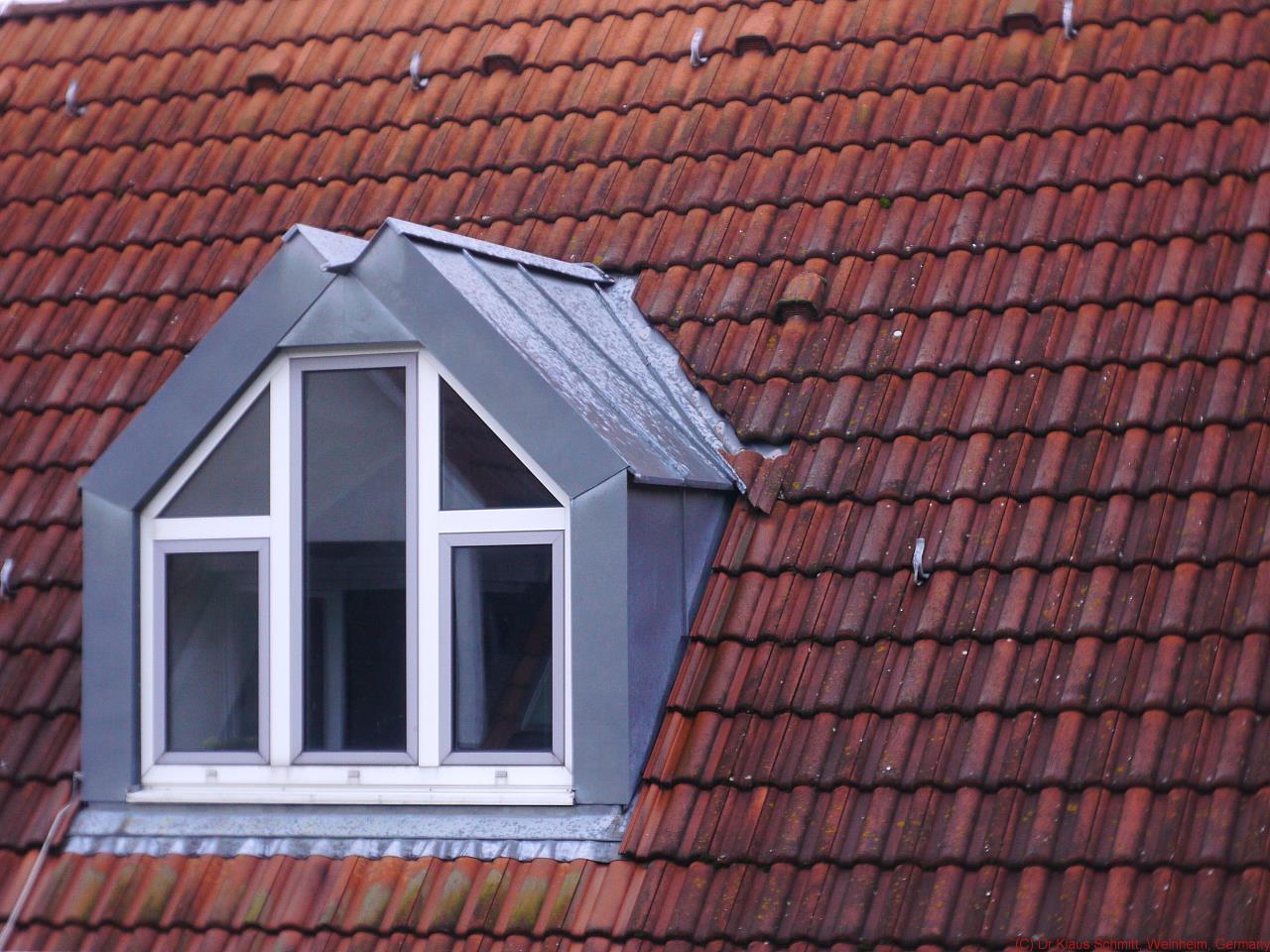

Outside shot, UV, fully open:


Outside shot, VIS, stopped down to f8:
 

Outside shot, UV, stopped down to f8:
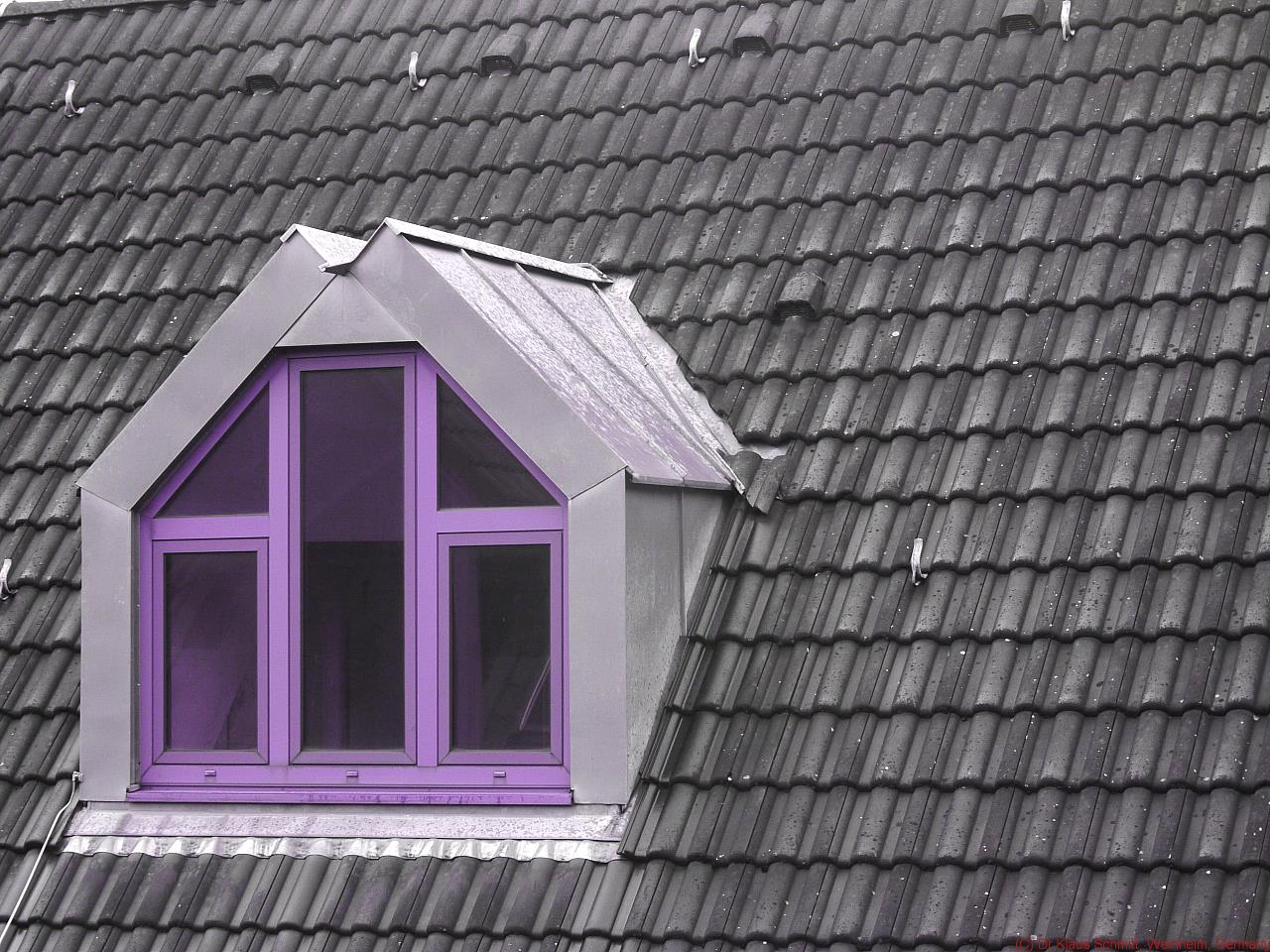
 

Stopping down significantly reduces blurriness that is visible wide open even in the image center as well as some curvature of field and enhances imaged sharpness considerably.

It gets quite obvious, that stopping down the lens (from about f8 onwards) makes visible a quite prominent hotspot that is has in VIS + UV in certain lighting situations:

Outside shot, VIS, stopped down to f11, central hotspot:
 

Outside shot, UV, stopped down to f11, central hotspot:


Now on to studio macro shots...

Macro shot, UV, stopped down to f11:
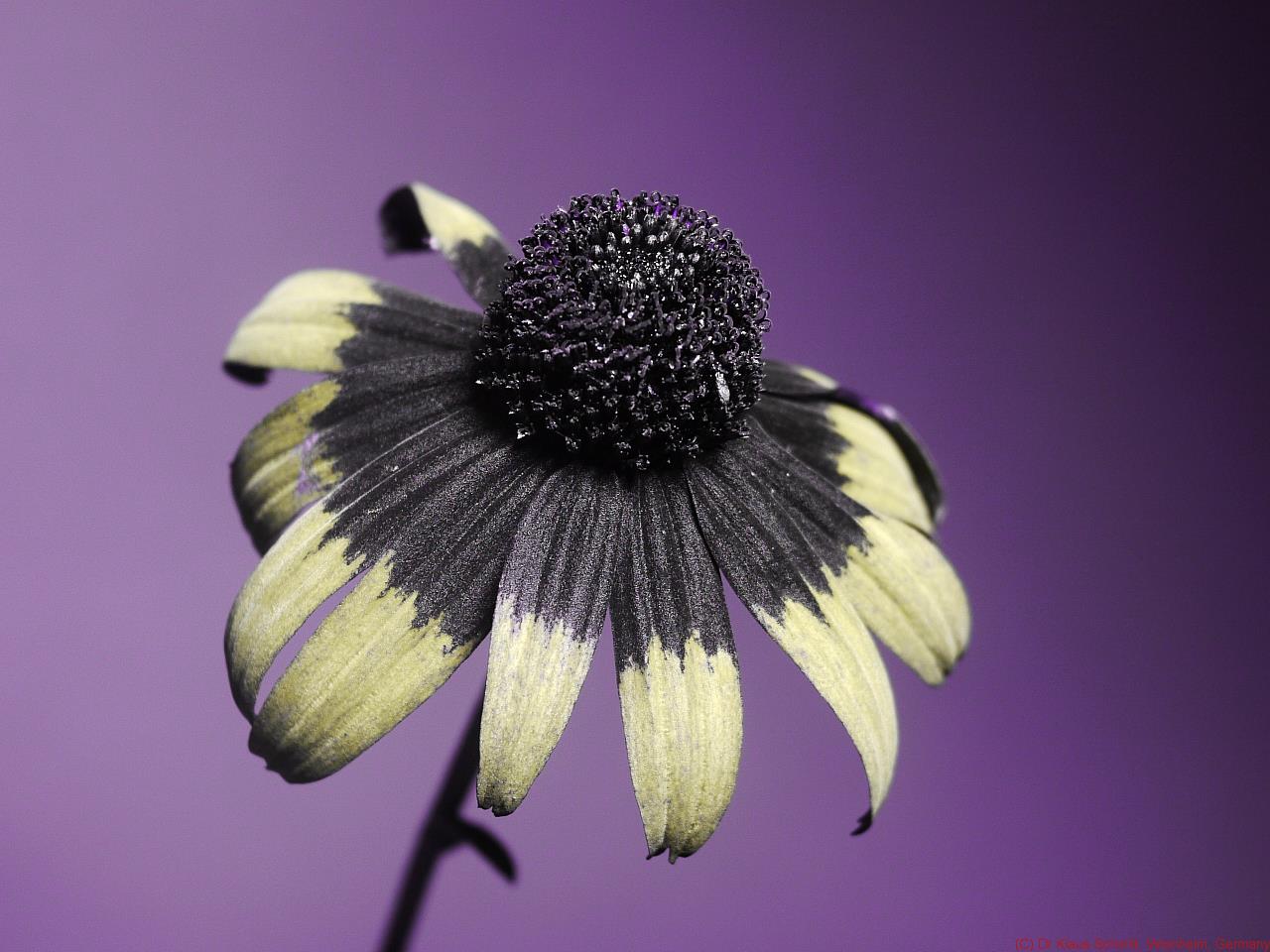
 

Macro shot, UV, stopped down to f11, detail :
 
The detail shows some strange artifacts which could either result from the flower being wet or lacking lens resolution. More research needs to be done on that.

Here is its transmission graph versus some normal and quartz fluorite reference lenses:
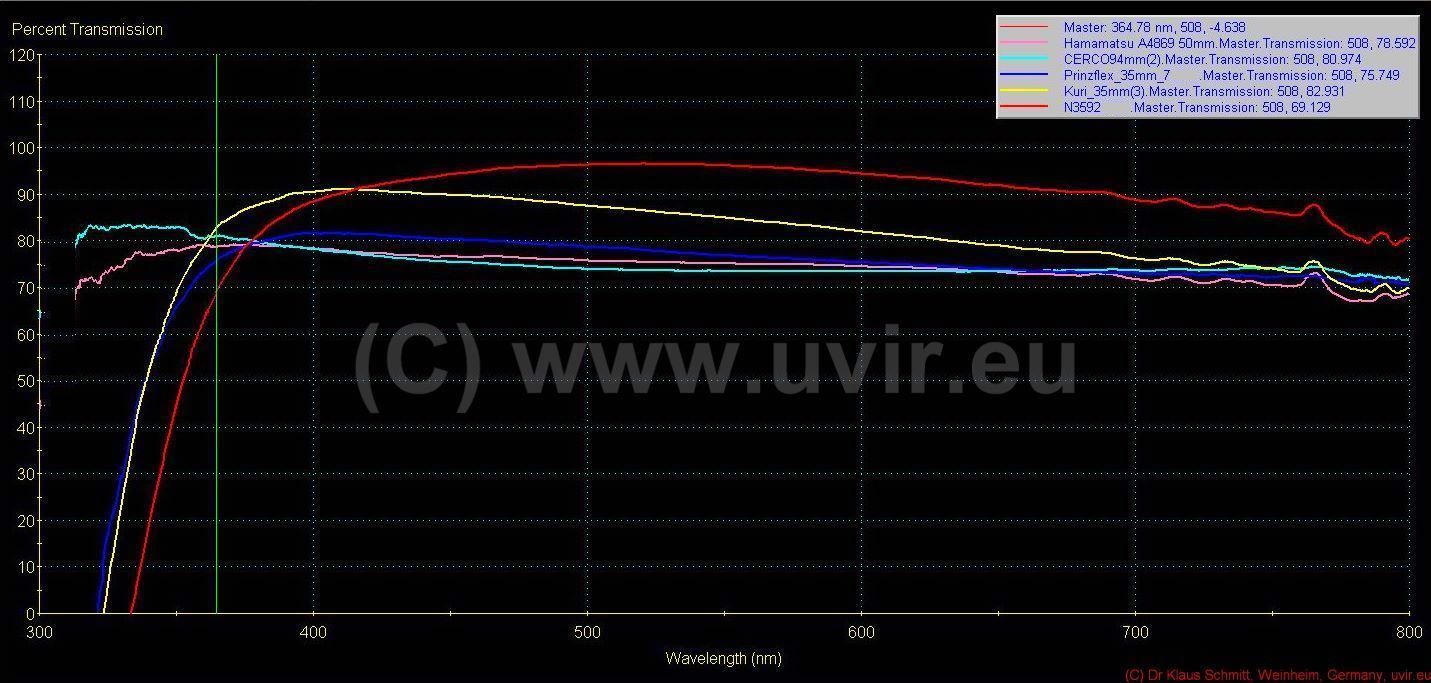
 
[Be reminded that this measuring setup used is valid to about 310-320nm onwards, so both quartz fluorite lenses transmit UV better than shown]

To summarize, this (rather expensive $$$$) Hamamatsu A4869 f3.5/50mm UV lens is certainly not a bad lens. That prominent hotspot it has needs carefully controlled lighting situations to avoid spoiled images, which in the field outside cannot be secured, so it's "hit and miss" unfortunately. So I would rather recommend it for studio work only. Also the lens needs to be stopped down to at least f8 to achieve a flat field and sufficient sharpness. In studio the lens performs much better, as my examples show and a thin c-mount extension ring added gives the needed close up/macro focusing distance, that this lens otherwise not has (closest focusing is 0.6 meters, 2ft). Infinity focus was perfectly adjusted and no re-collimation was needed.

P.S.: It has been confirmed by Hamamatsu staff that this lens is about 15 years old and was designed to match the needs of maximum 2-3 Mpix cameras. Hence the limited resolution and most likely the artifacts are diffraction effects. Further it was mentioned to me that the found hotspot may be the result of uncoated lens elements being used, so stray and reflected light bounces between them and the shiny sensor surface.

Stay tuned, more will follow on that fascinating subject...

More info on this very interesting field may be found on my site http://www.pbase.com/kds315/uv_photos

Colorful reflected UV ultraviolet photography II

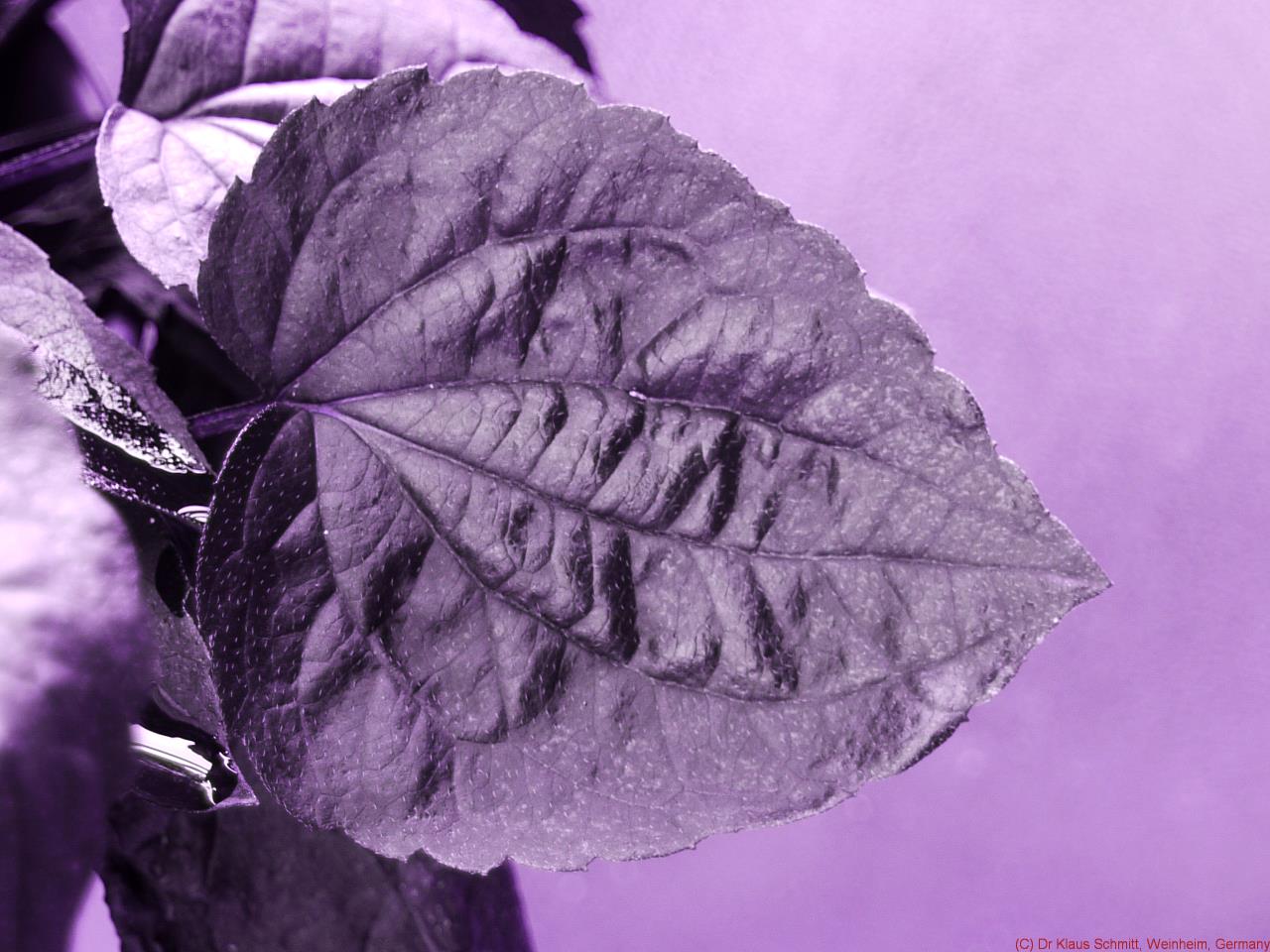
I have been wondering why reflected UV photography would have to look so drab in terms of colors often. So here some more recent experiments with a bit colorful background and various UV lights, when shooting it in reflected UV light using my "work horse" UV filter, the Baader-U filter and a quartz fluorite lens. Well, I was using one of my last Rudbeckia fulgida flowers for that, as the first snow is coming...

[click on image to see a larger one]

Conventional, looking monochrome:
 

Added front light:
 

Colorful, wider band:
 

Colorful Variant 1:
 

Colorful Variant 2:
 

Now this is "artsy" playing with light, but still documents very well the wonderful and prominent UV pattern this flower has...

Stay tuned, more will follow on that fascinating subject...

More info on this very interesting field may be found on my site http://www.pbase.com/kds315/uv_photos

Thursday, October 25, 2012

Golden reflected UV ultraviolet photography VII

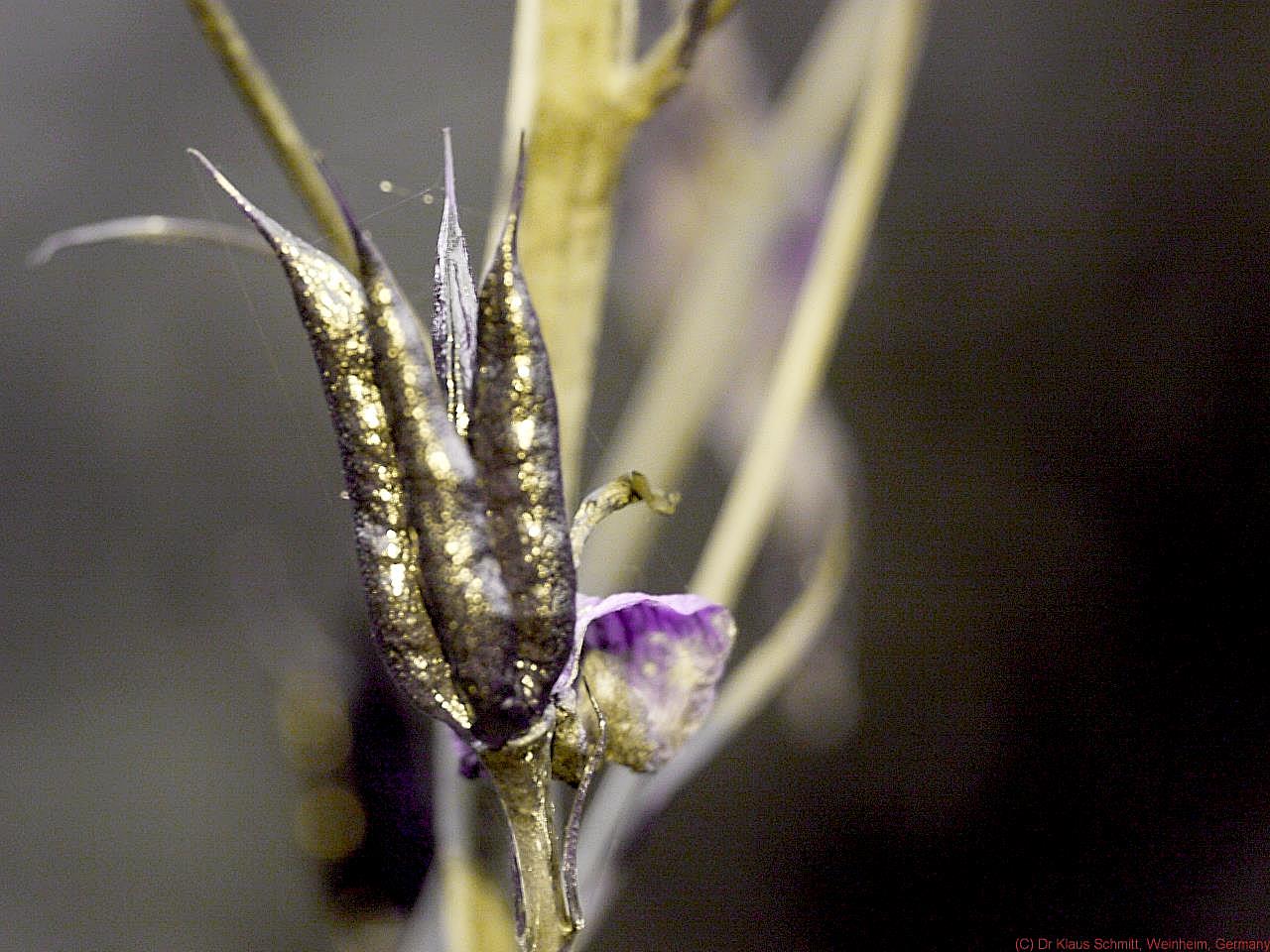
Today was one of these last sunny October days with golden sunrays in the evening, so I grabbed my UV equipment and went to the park for some more "golden" UV shots. I used the 94mm CERCO quartz fluorite lens for those. Also here my special "golden" processing for these shots has been used.

[click on image to see a larger one]

Salvia leaf:


Delphinium seedhead:


iridescent blue Delphinium:


water droplets on leaf:


Quite amazing high resolution this type of UV photography shows.

Stay tuned, more will follow on that fascinating subject...

More info on this very interesting field may be found on my site http://www.pbase.com/kds315/uv_photos

Friday, October 19, 2012

Lens Resolution: Golden reflected UV ultraviolet photography VI

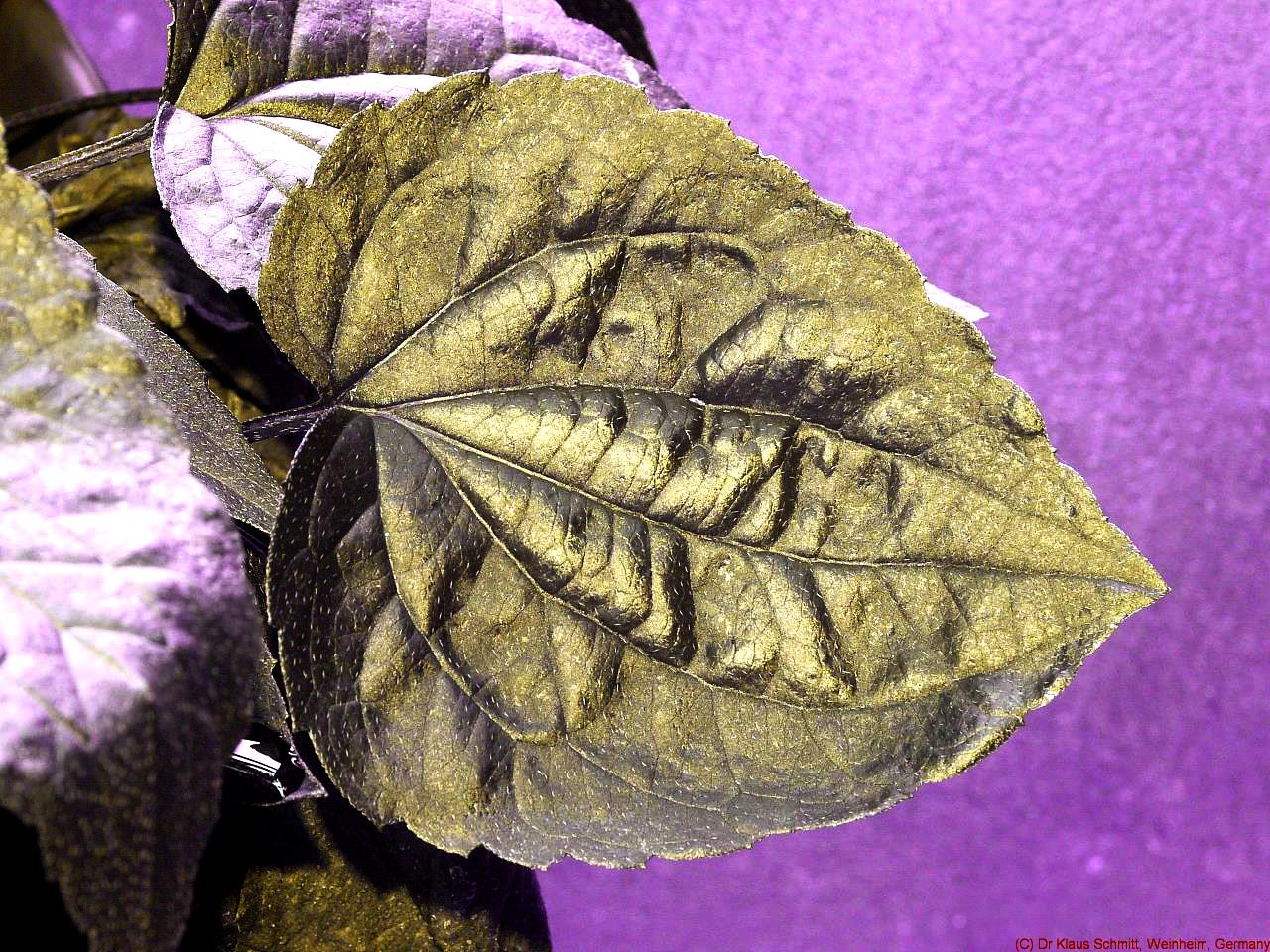
Today I would like to use those recent "golden shots" of autumnal Rudbeckia fulgida leafs to show the different performance of lenses, an older 50mm enlarger lens and the 94mm CERCO quartz fluorite lens. Distance to the leaf was chosen to achieve about matching images. Also here my special "golden" processing for these shots has been used.

[click on image to see a larger one]

old enlarger lens:


CERCO lens:


Here a diptych to make comparison easier, Cerco lens is left:


It gets pretty obvious, that the Cerco lens delivers a much higher resolution and sharpness.

Stay tuned, more will follow on that fascinating subject...

More info on this very interesting field may be found on my site http://www.pbase.com/kds315/uv_photos
Thursday, October 18, 2012

Rudbeckia: Golden reflected UV ultraviolet photography V

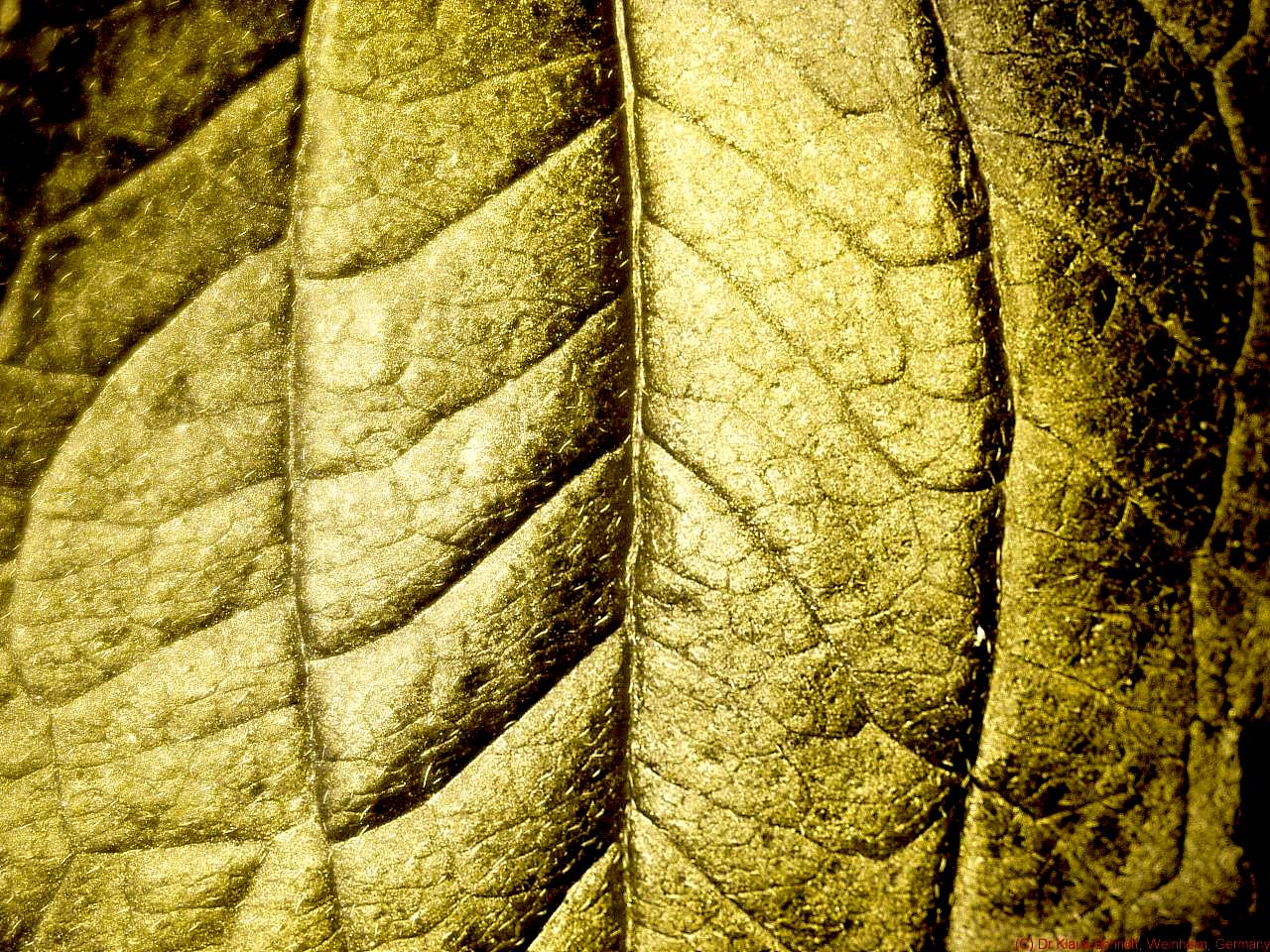
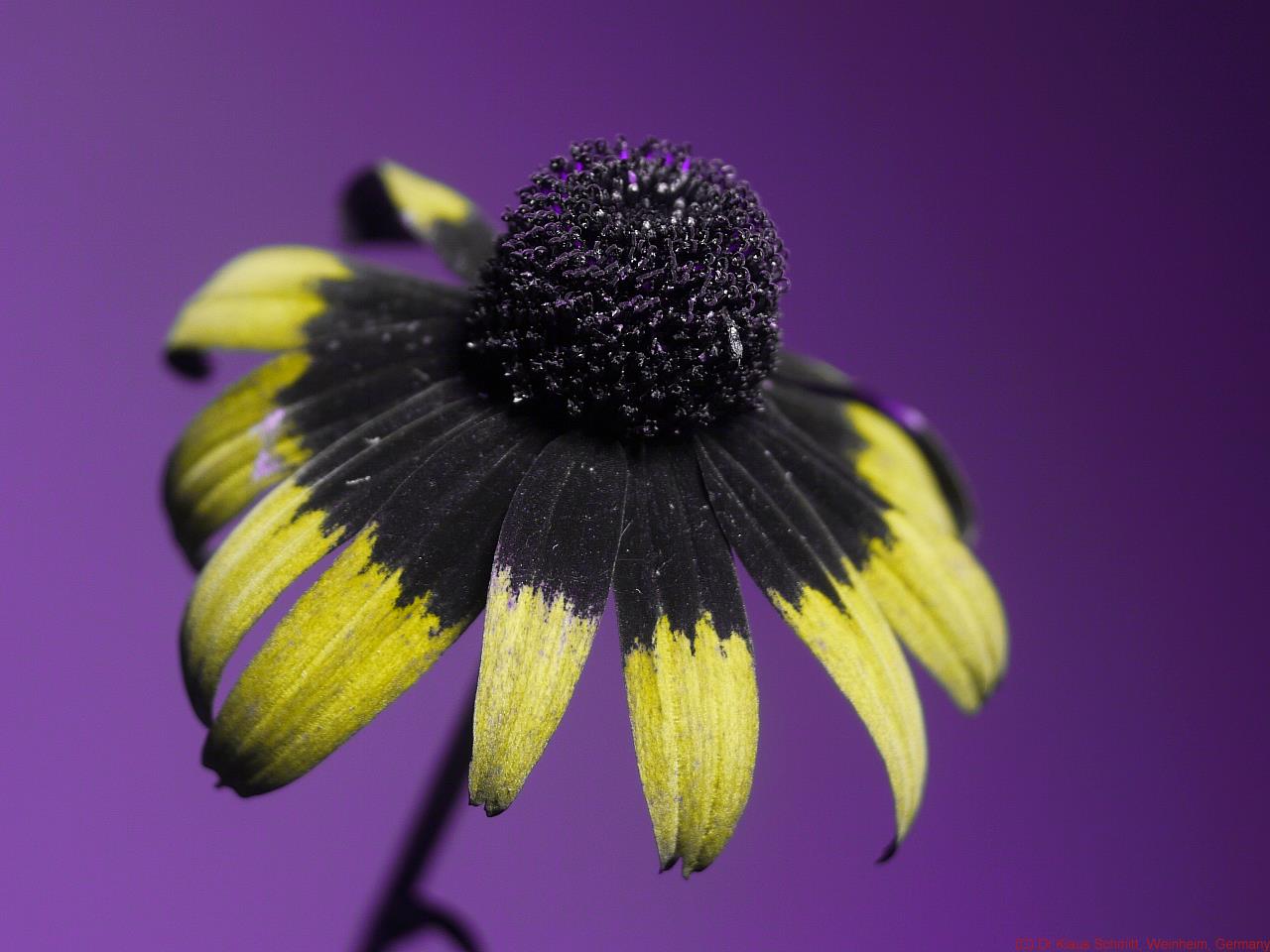
Today more "golden shots" of an autumnal plant that I had shown before, Rudbeckia fulgida in that case. I was using this time an older 50mm enlarger lens and was playing around with some lighting situations.

I used my special "golden" processing for these autumnal shots that I have also used a few days ago.

[click on image to see a larger one]

normal UV:


"golden" UV:


And here now shown on a different leaf, in more detail...

normal UV:


"golden" UV:


Also this was some "artsy" playing with light then my usual documentary work...

Stay tuned, more will follow on that fascinating subject...

More info on this very interesting field may be found on my site http://www.pbase.com/kds315/uv_photos
UV photography - Inspired by old bromoil prints

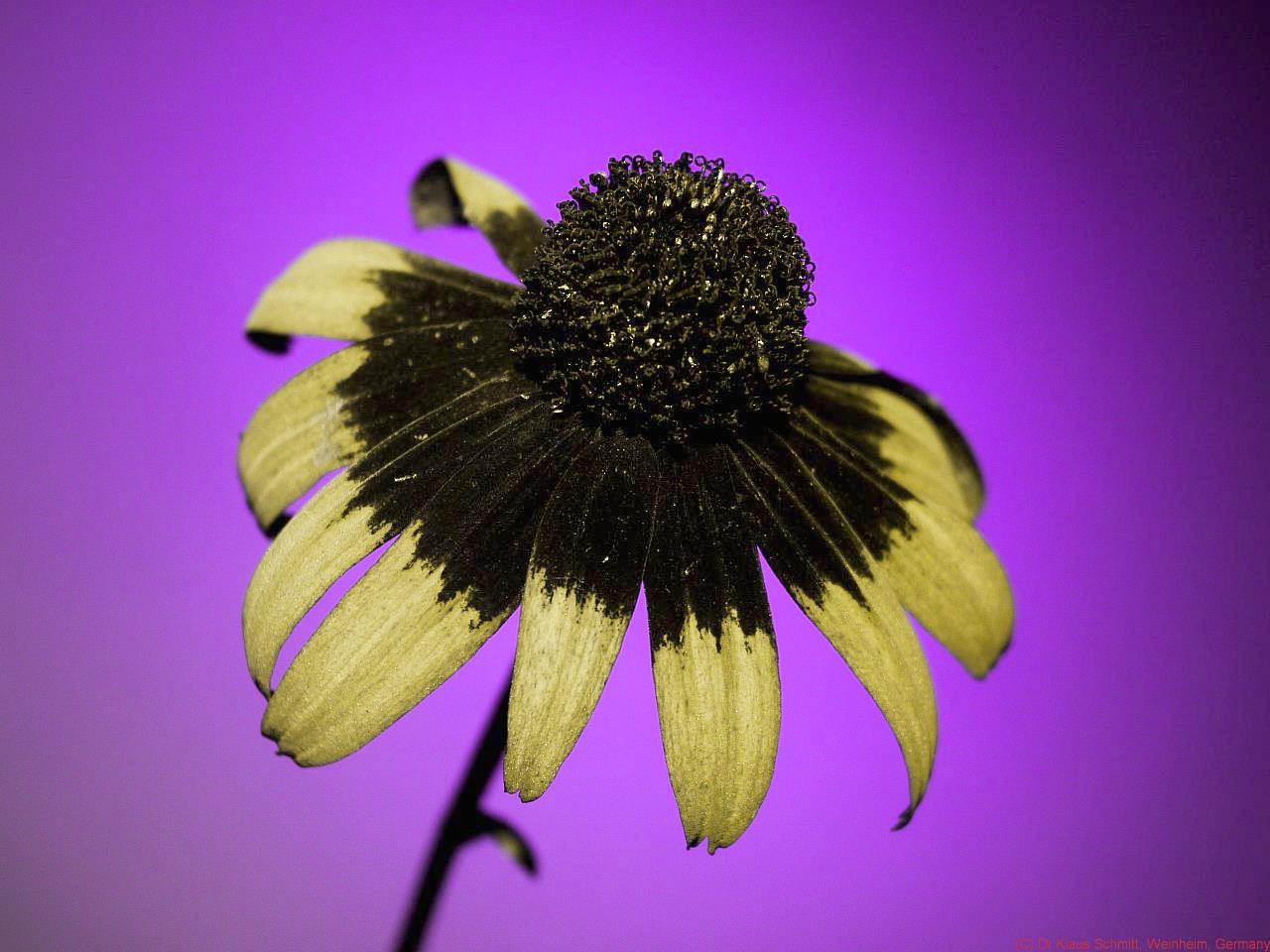
I was inspired by some old bromoil prints and used my recently developed UV photographic technique for that.This is new territory for me, so bare with me...

[click on image to see a larger one]


Stay tuned, more will follow on that fascinating subject...

More info on this very interesting field may be found on my site http://www.pbase.com/kds315/uv_photos

Tuesday, October 16, 2012

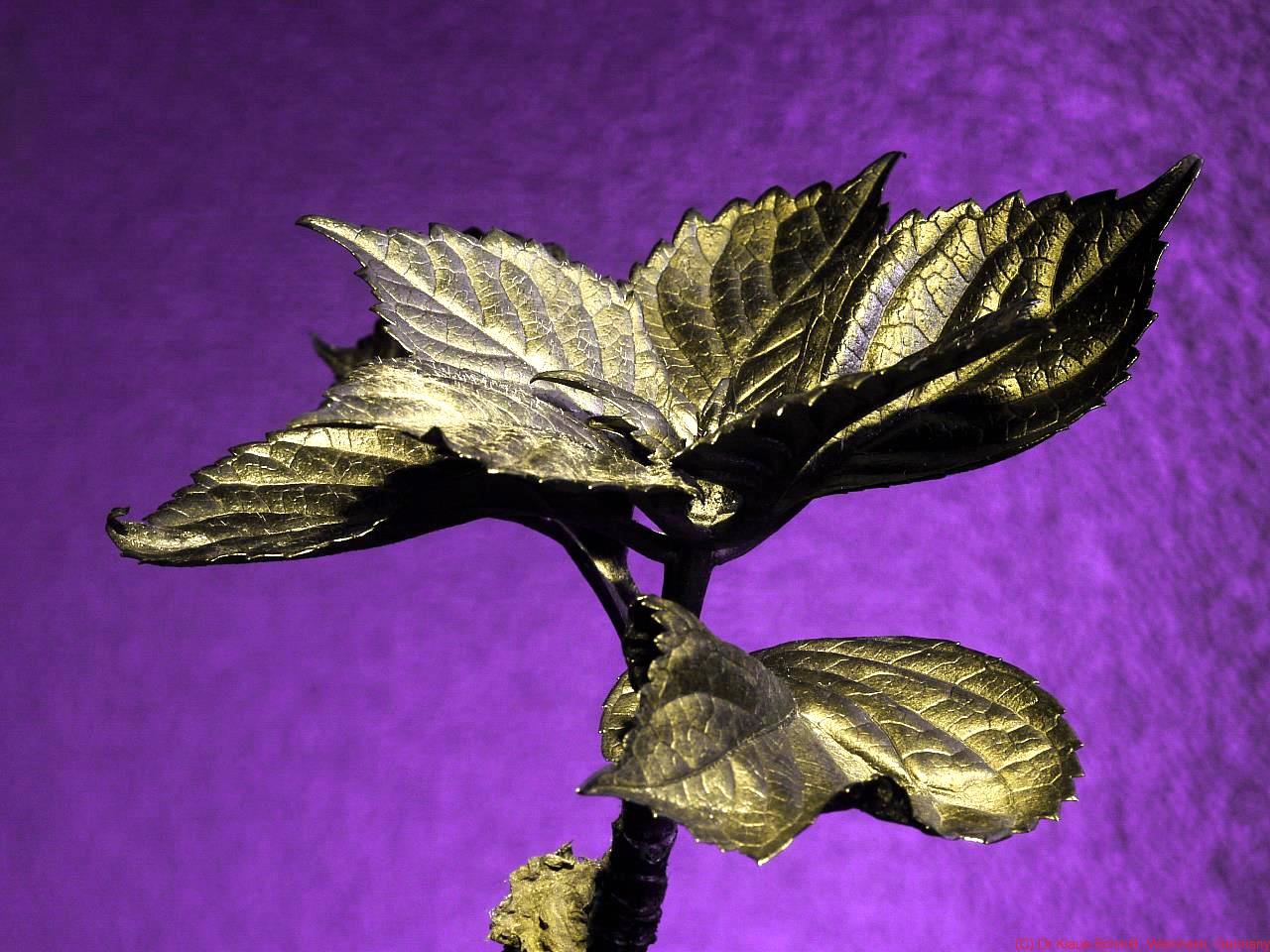
Hydrangea: Golden reflected UV ultraviolet photography IV

Today more about those "golden shots" of an autumnal Hydrangea I was presenting the other day. I was using this time my CERCO 94mm quartz fluorite lens and was playing around with some lighting situations.

I used my special "golden" processing for these autumnal Hydrangea shots that I have also used a few days ago.

[click on image to see a larger one]


Also this was some "artsy" playing with light then my usual documentary work and I quite like the results.

Stay tuned, more will follow on that fascinating subject...

More info on this very interesting field may be found on my site http://www.pbase.com/kds315/uv_photos