Tuesday, March 5, 2013

Spring Flowers 2013 - 100mm Focotar enlarger lens for reflected ultraviolet photography

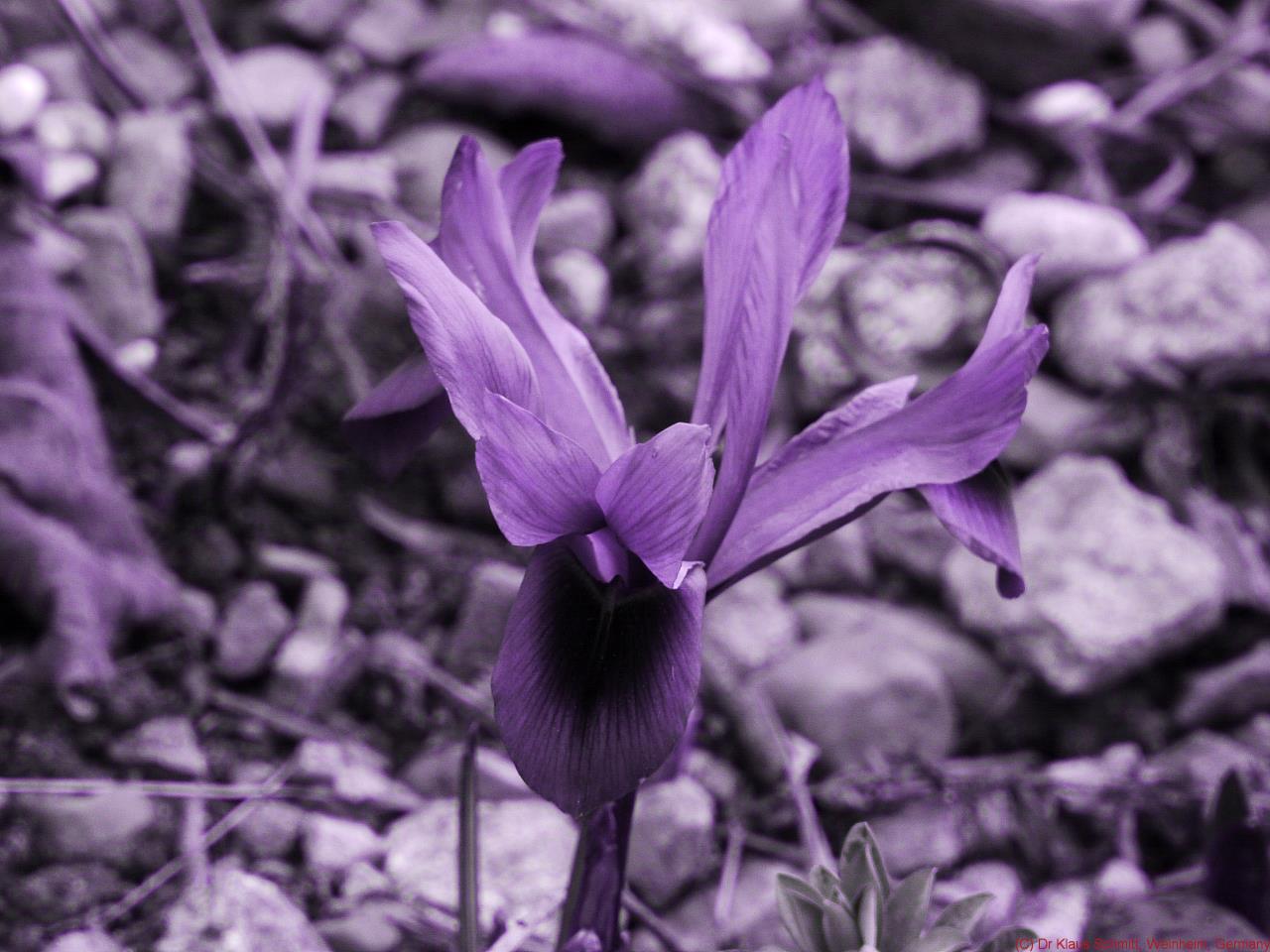
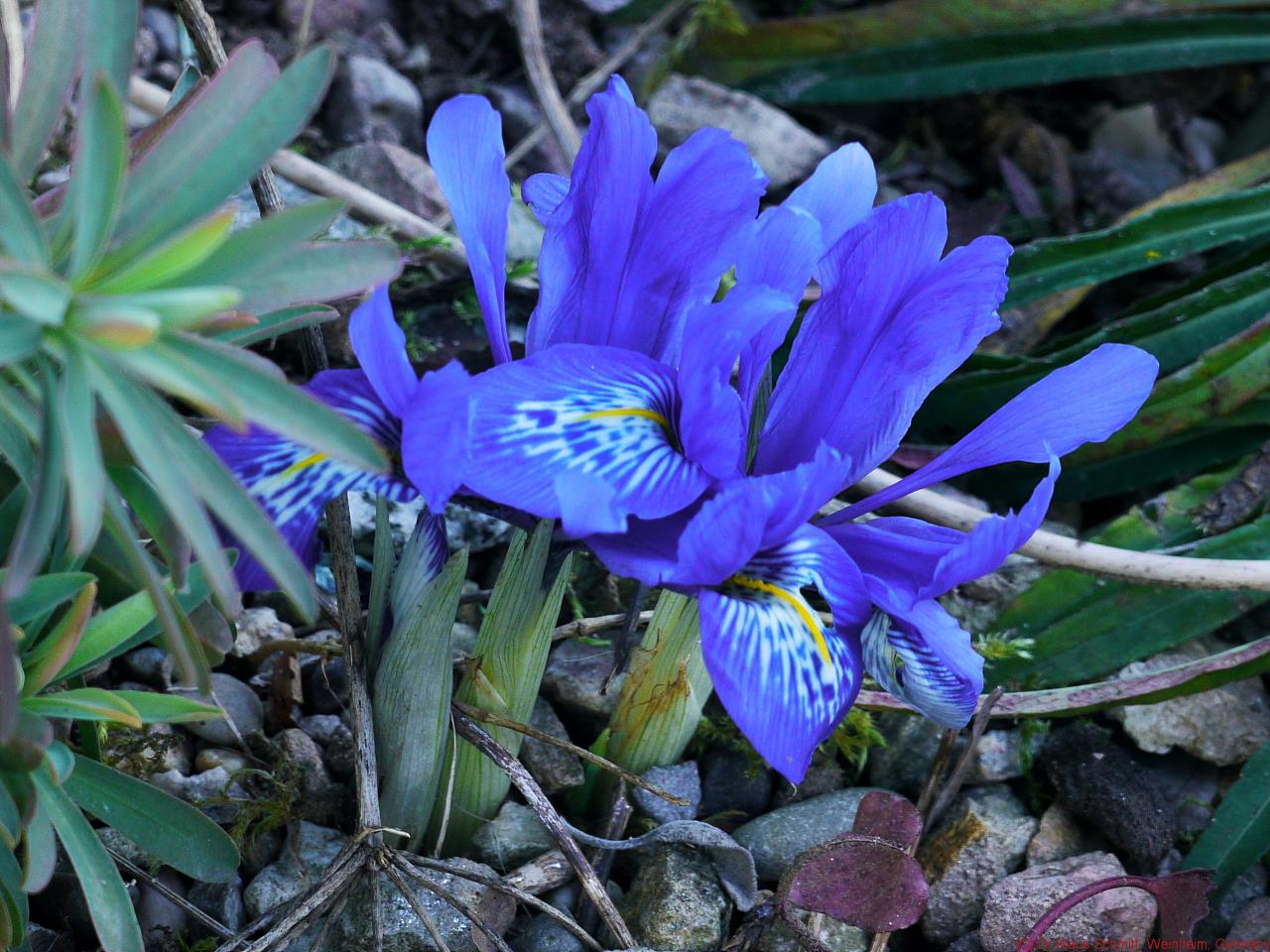
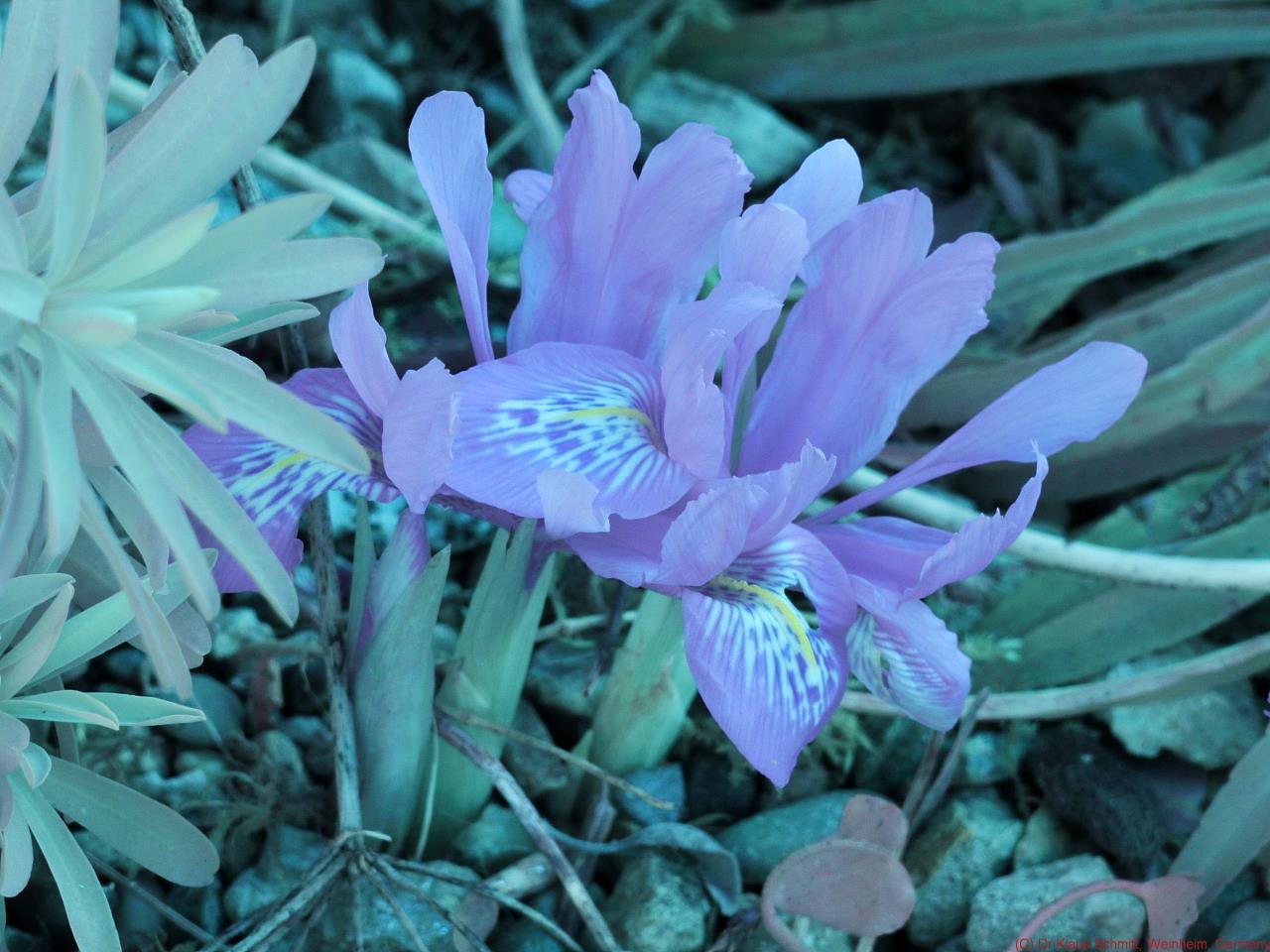
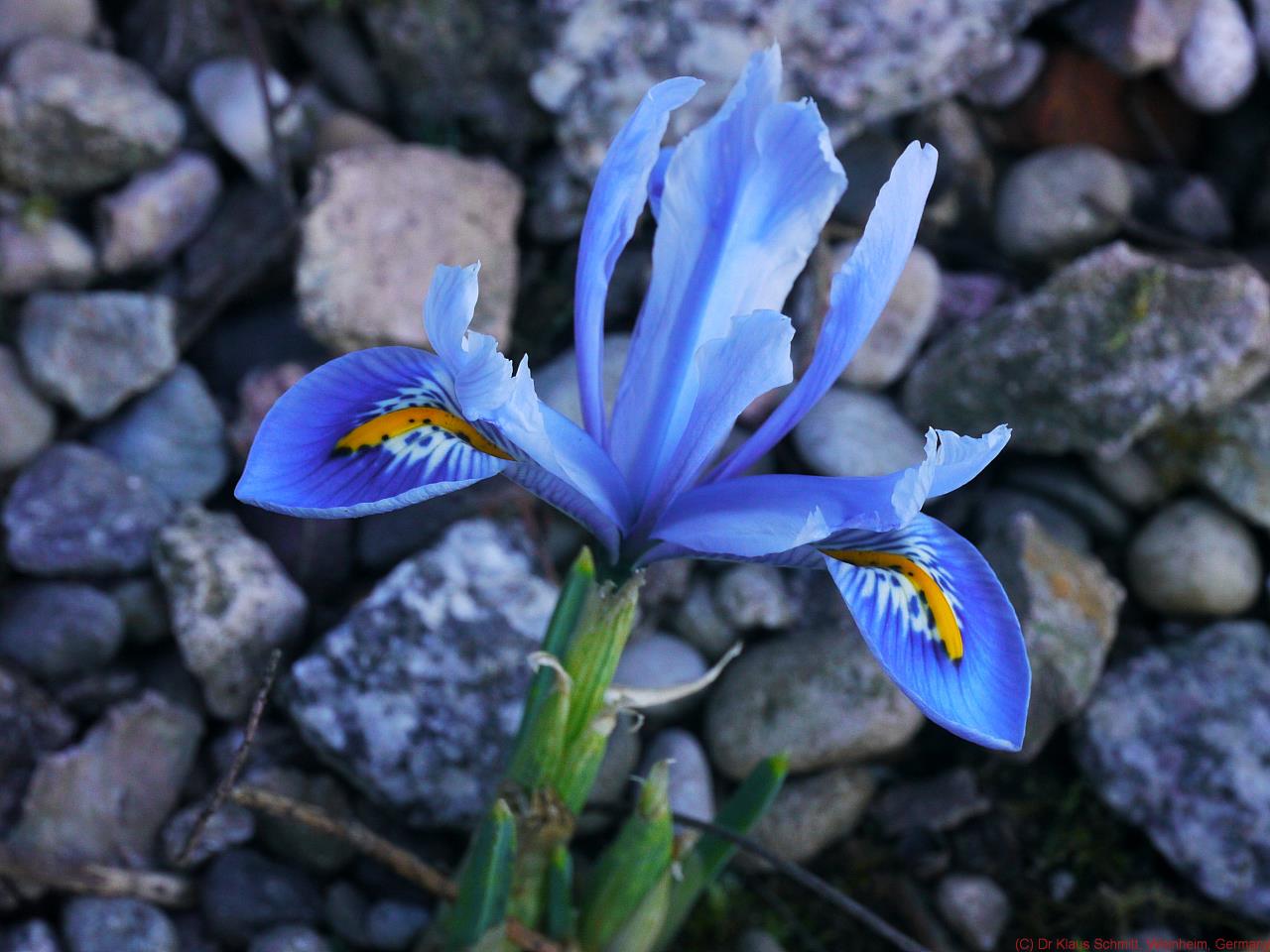
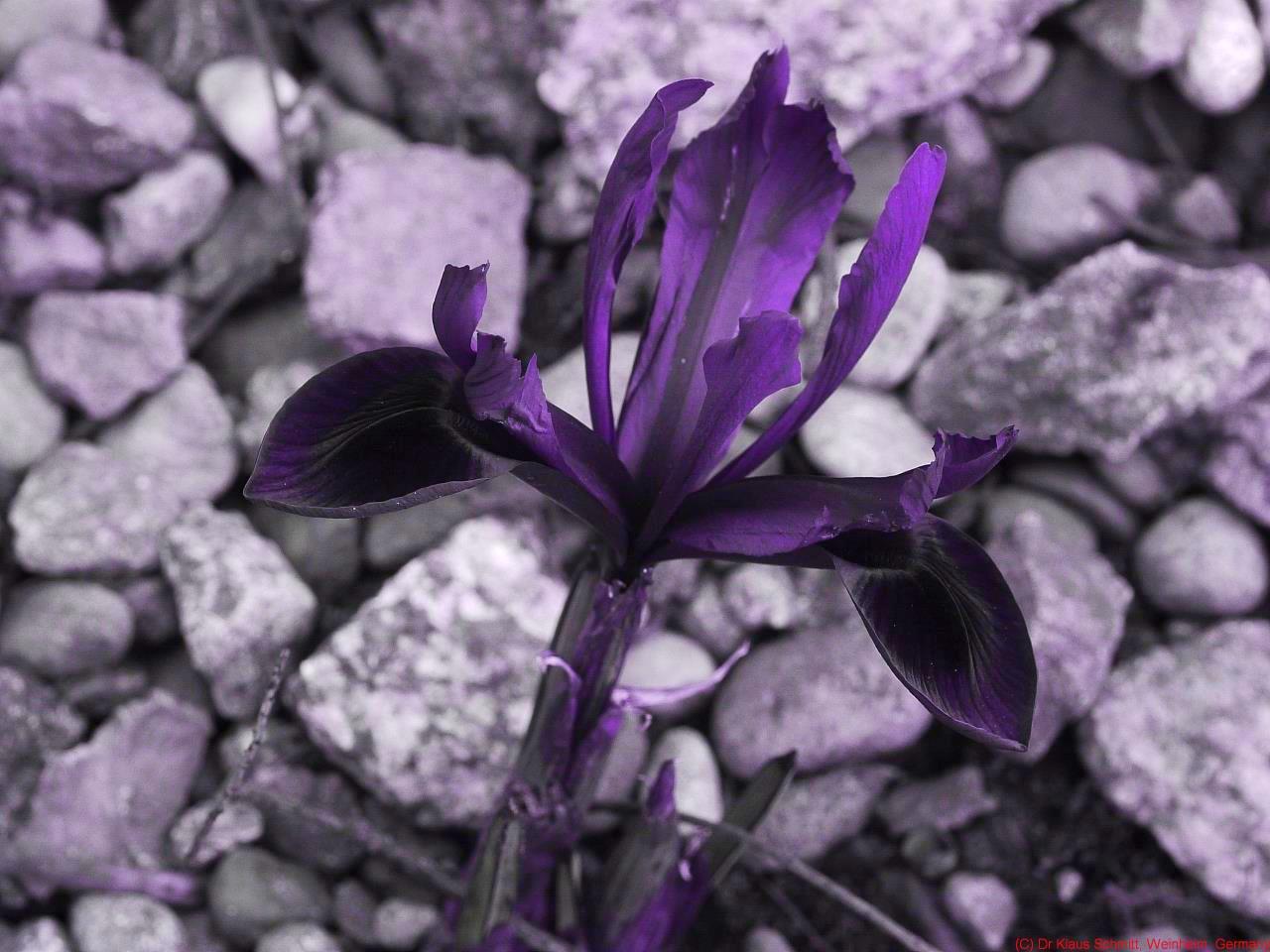
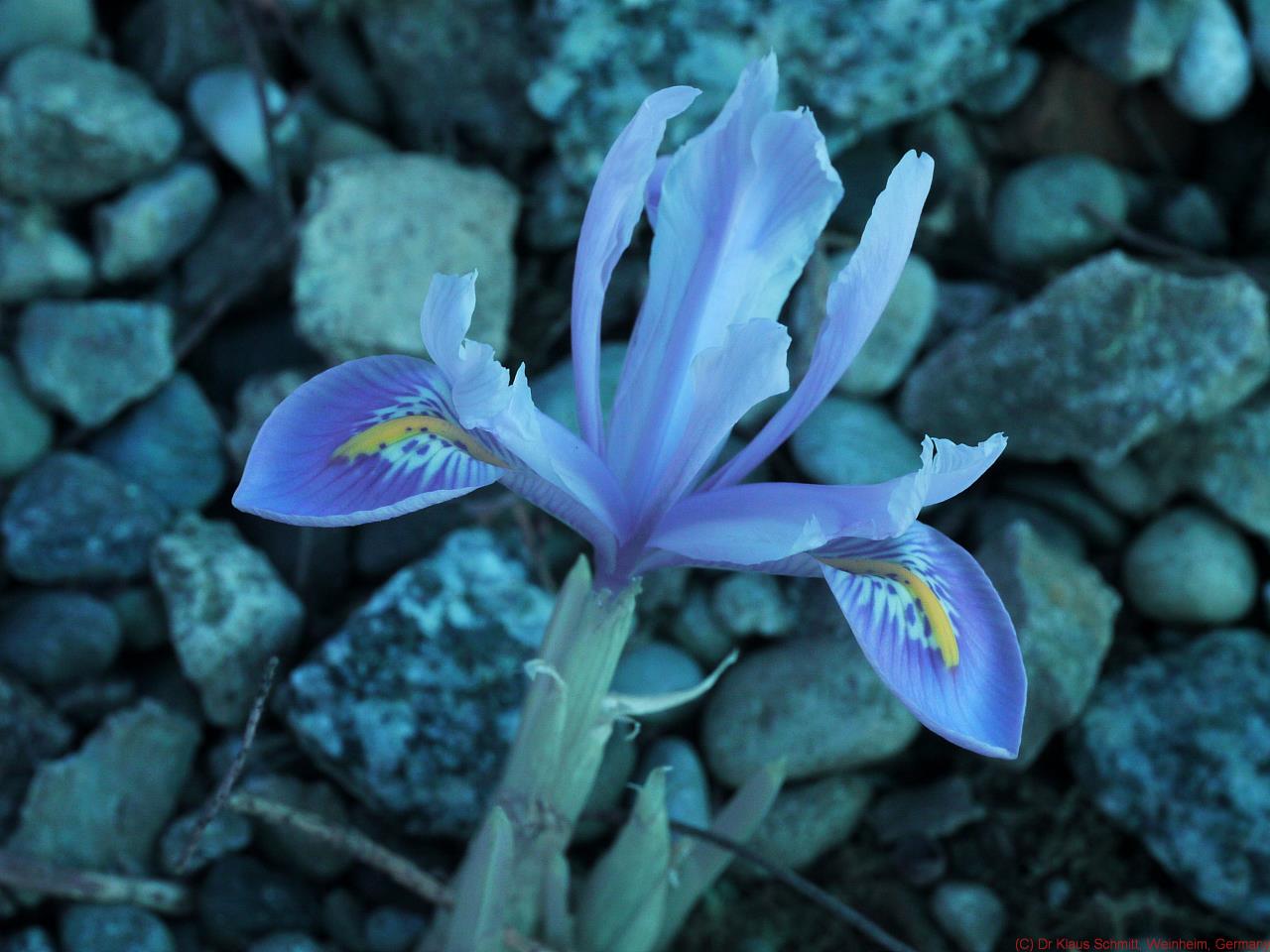
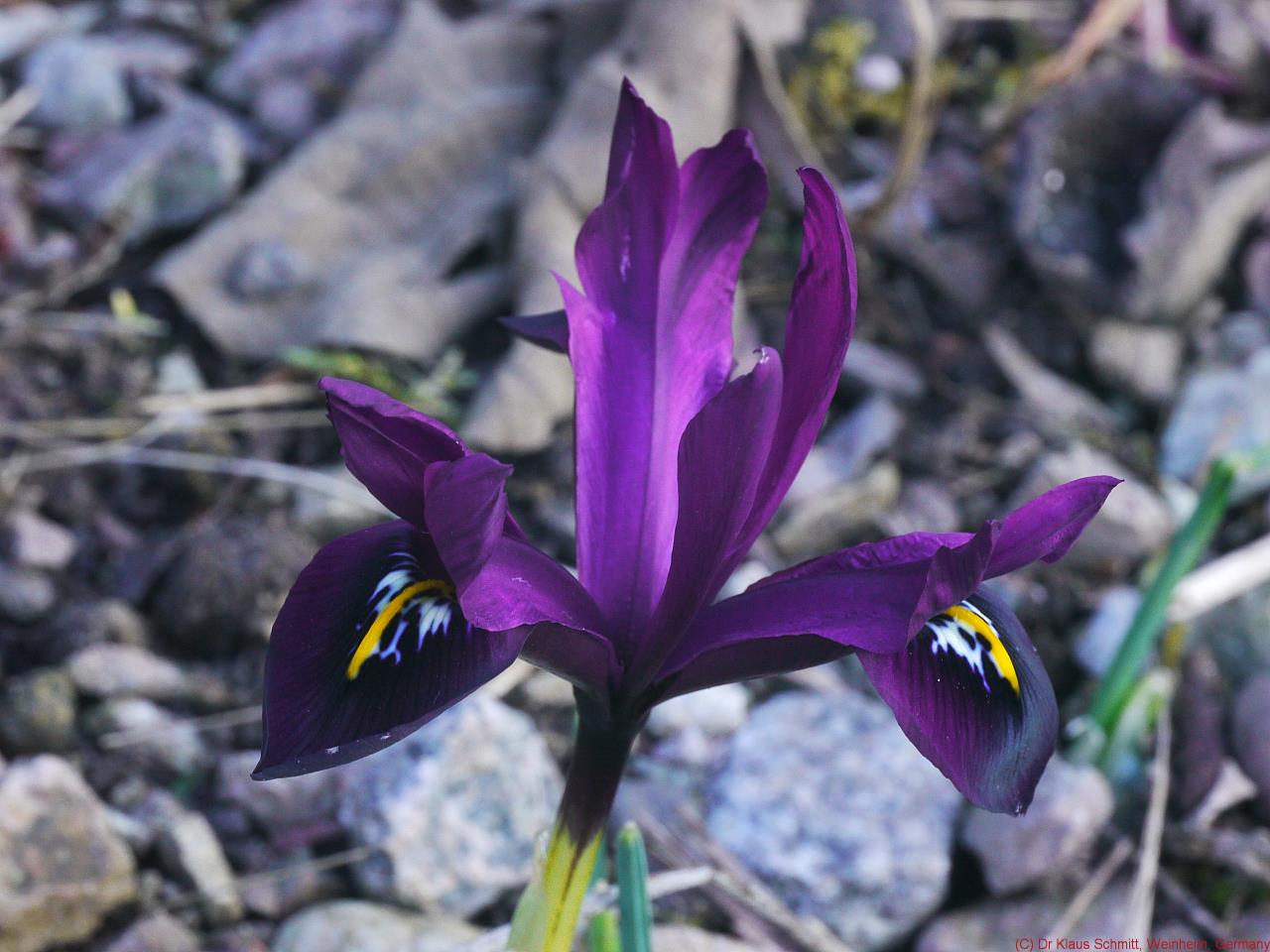
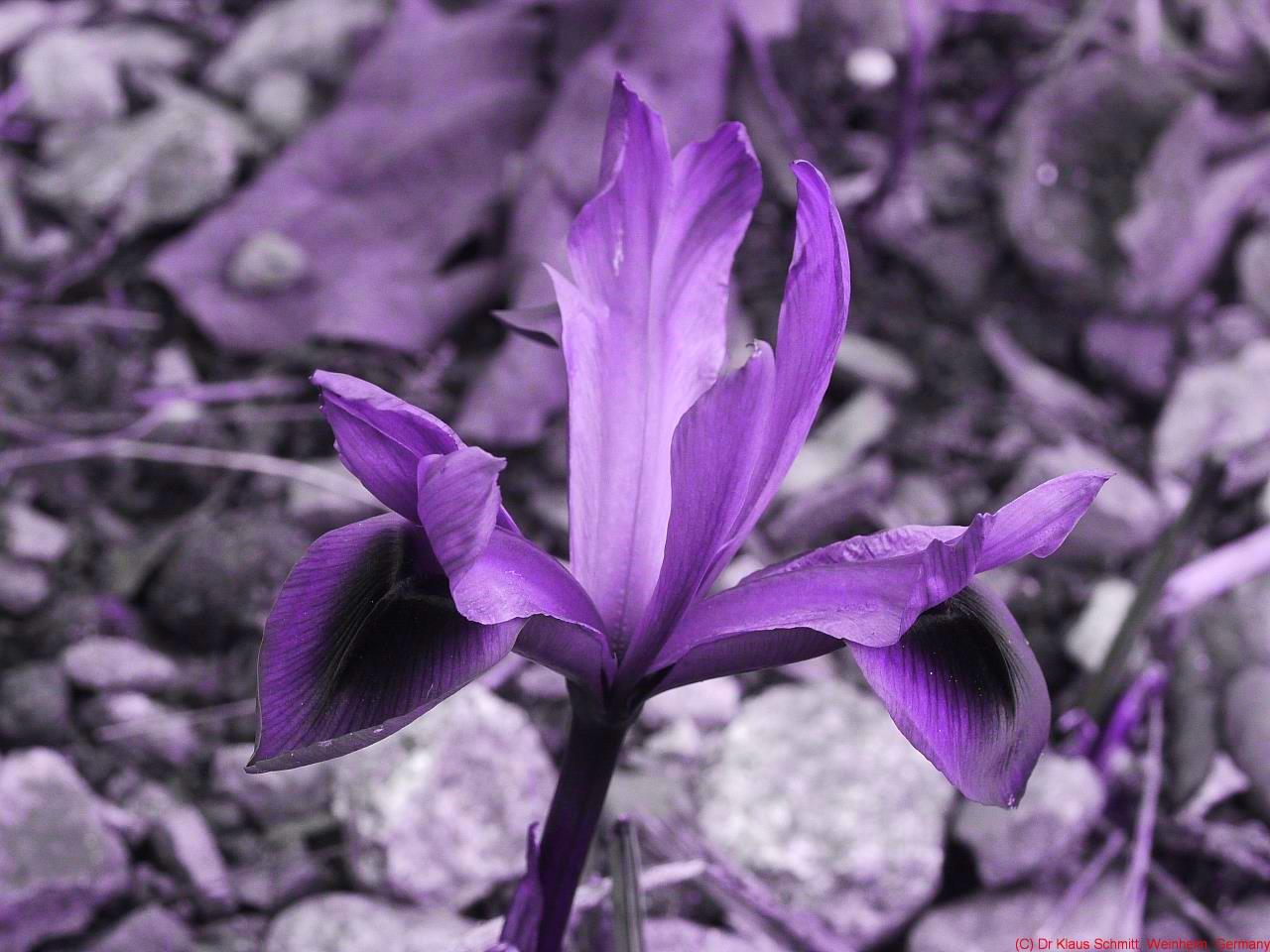
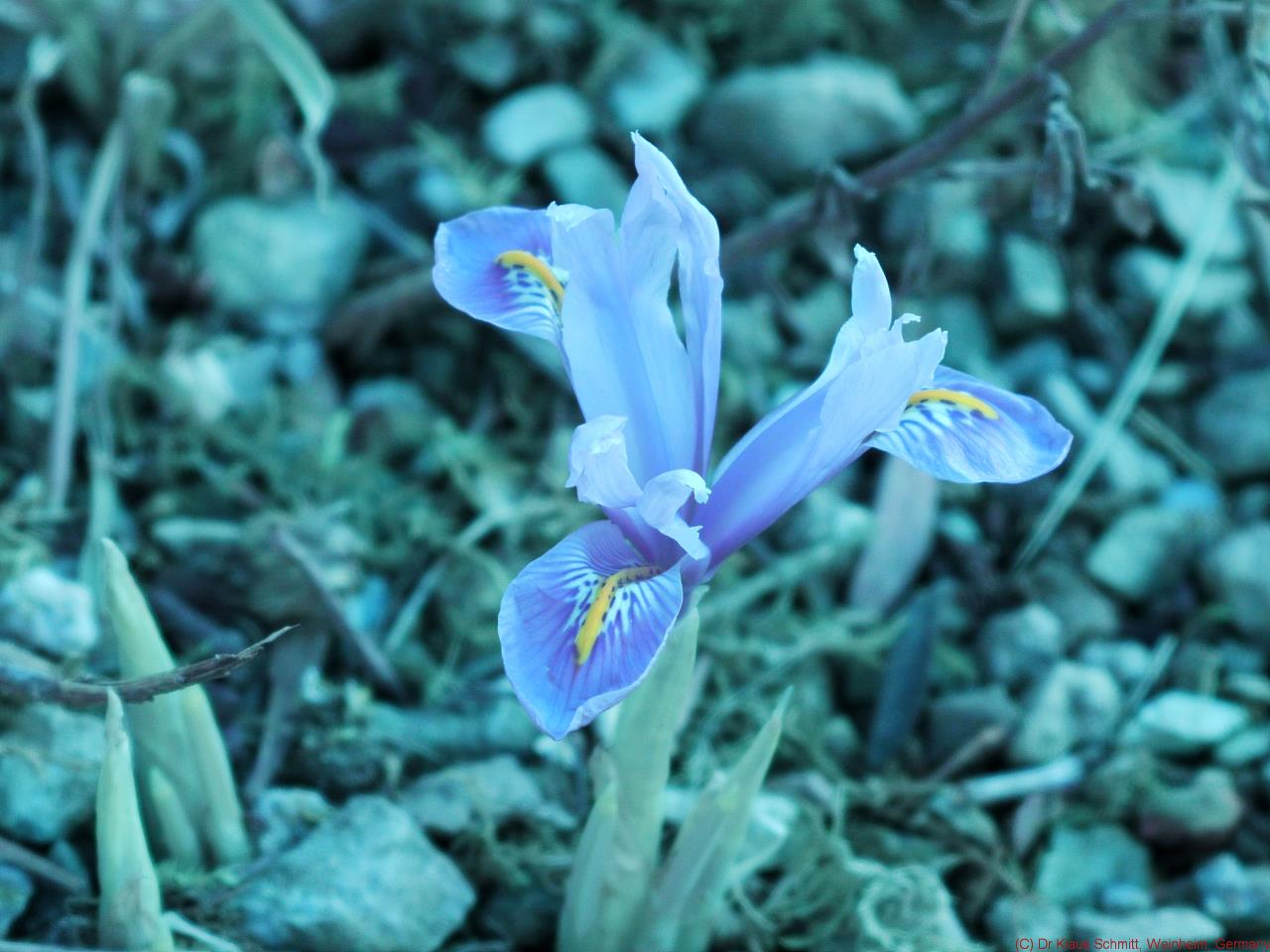
Today about the same early spring Irises shot in reflected ultraviolet photography that I had shown before when shot with the Cerco quartz fluorite lens. Filter used was my "work horse" UV filter, the Baader-U filter. Lens used was an old 100mm Focotar enlarger lens. Light source was the last sunrays of that wonderful spring Sunday. All shots were done at about f8. So, on to the results now...

[click on image to see a larger one]


Visible light image:
 

UV image using Baader-U filter (approx. 320-395nm, effective peak approx. 375nm):
 

VIS-IR image using no filter:


Visible light image:
 

UV image using Baader-U filter (approx. 320-395nm, effective peak approx. 375nm):
 

VIS-IR image using no filter:


Visible light image:
 

UV image using Baader-U filter (approx. 320-395nm, effective peak approx. 375nm):
 

VIS-IR image using no filter:
 

So, I hope you enjoy seeing some early spring flowering Irises!


Stay tuned, more will follow on that fascinating subject...

More info on this very interesting field may be found on my site http://www.pbase.com/kds315/uv_photos

Sunday, March 3, 2013

Spring Flowers 2013 - Cerco 94mm Quartz Fluorite lens for reflected ultraviolet photography II

Today about some early spring Irises in reflected ultraviolet photography using my "work horse" UV filter, the Baader-U filter. Lens was a CERCO 94mm quartz fluorite lens. Light source was the last sunrays of that wonderful spring Sunday. All shots were done at about f5.6. So, on to the results now...

[click on image to see a larger one]


Visible light image:
 

UV image using Baader-U filter (approx. 320-395nm, effective peak approx. 375nm):
 

VIS-IR image using no filter:


Visible light image:
 

UV image using Baader-U filter (approx. 320-395nm, effective peak approx. 375nm):
 

VIS-IR image using no filter:


Visible light image:
 

UV image using Baader-U filter (approx. 320-395nm, effective peak approx. 375nm):
 

VIS-IR image using no filter:
 

So, I hope you enjoy seeing some early spring flowering Irises!


There is a comparative series using teh same flowers shot with an old 100mm Focotar enlarger lens HERE.

Stay tuned, more will follow on that fascinating subject...

More info on this very interesting field may be found on my site http://www.pbase.com/kds315/uv_photos

Spring Flowers 2013 - Cerco 94mm Quartz Fluorite lens for reflected ultraviolet photography

Today about some early spring flowers, Winter Aconite and Bellis perennis in reflected ultraviolet photography using my "work horse" UV filter, the Baader-U filter, plus a new filter, consisting of a Schott UG1 + S8612 stack. Lens was a CERCO 94mm quartz fluorite lens. Light source was the last sunrays of that wonderful spring Sunday. All shots were done at about f5.6. So, on to the results now...

[click on image to see a larger one]

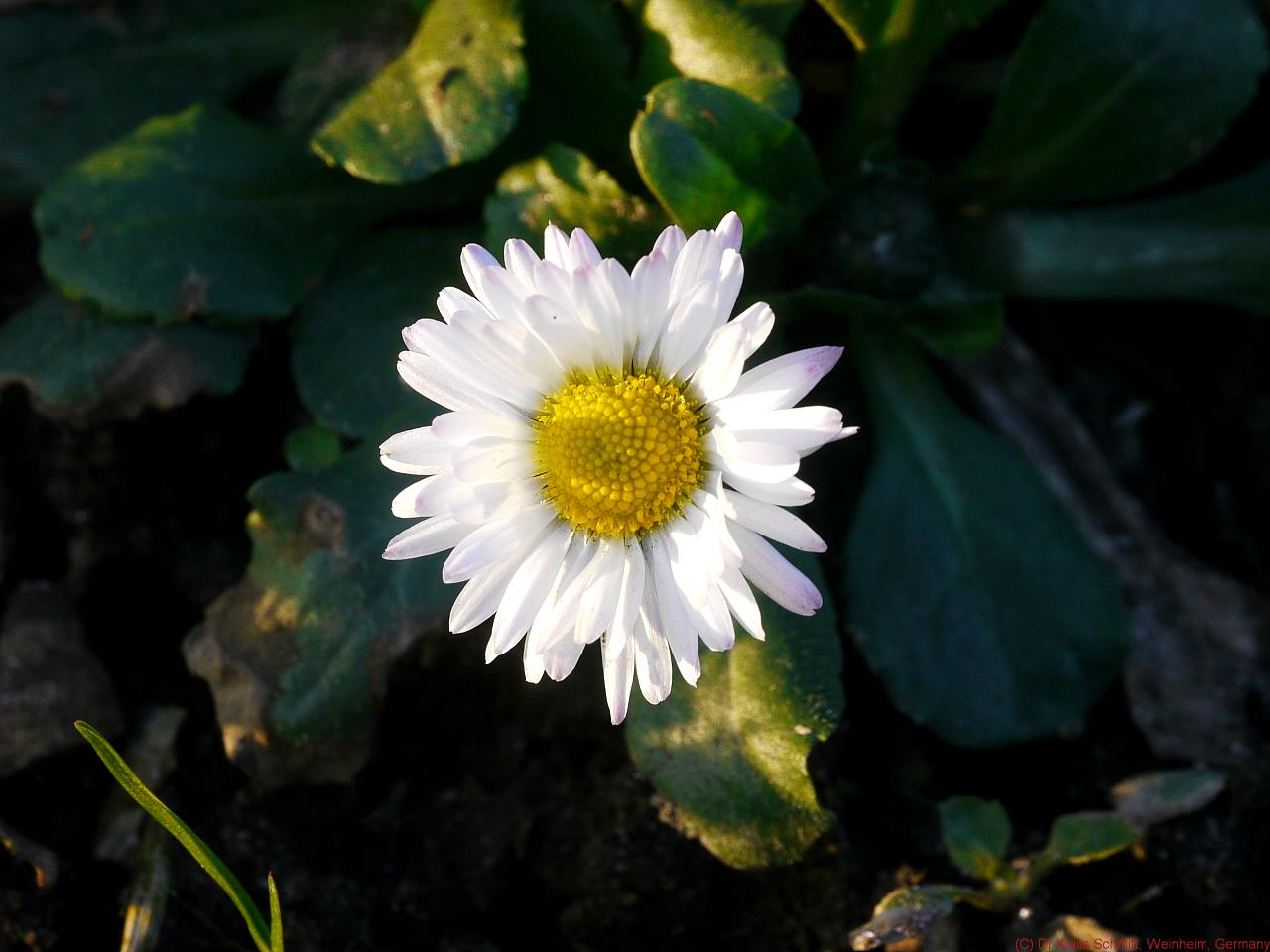
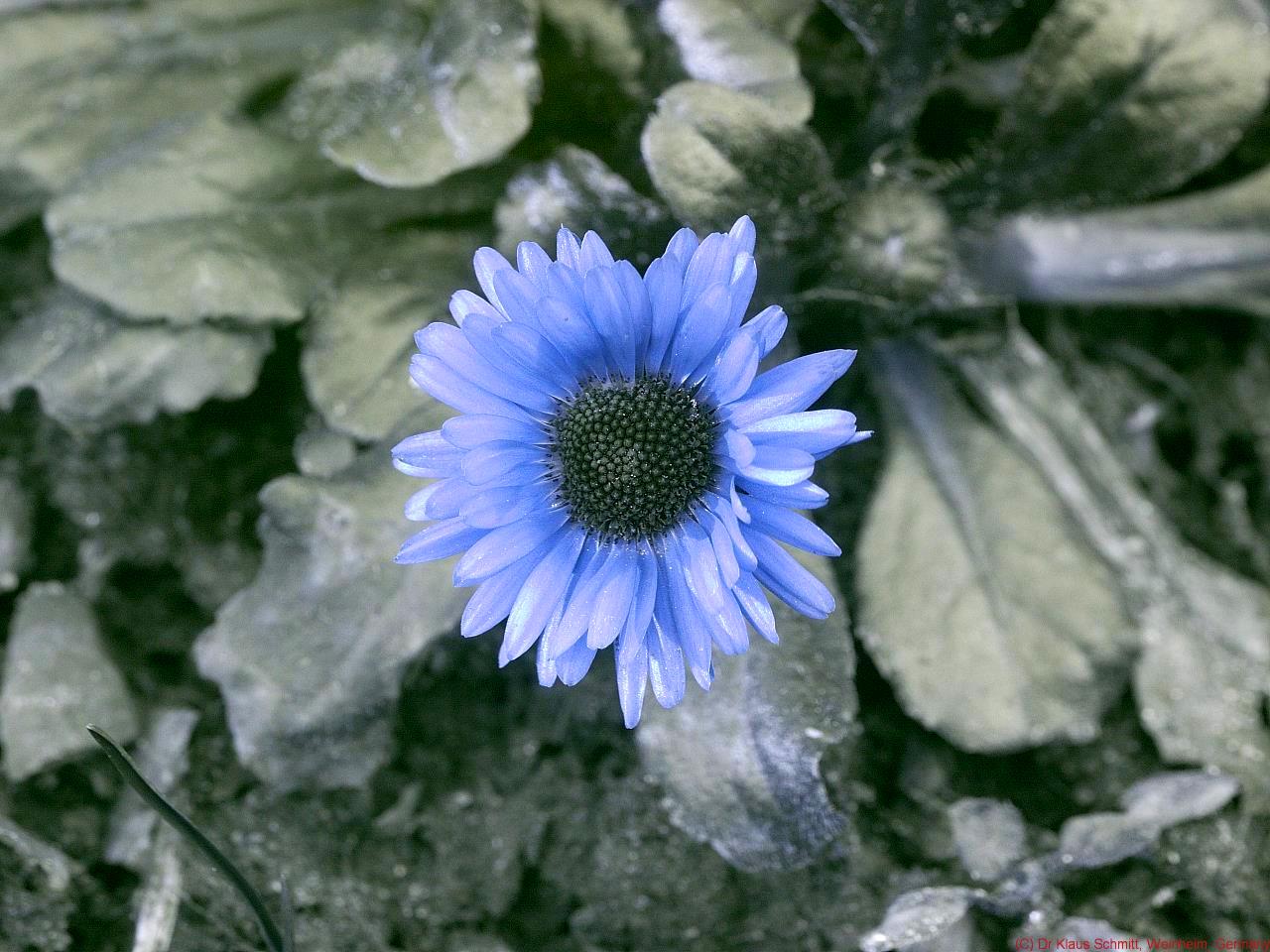
*** Bellis perennis ***

Visible light image:
 

UV image using Baader-U filter (approx. 320-395nm, effective peak approx. 375nm):
 

UV image using Schott filter stack (approx. 320-400nm, effective peak approx. 375nm) but showing some bluish leak which the Baader filter does not have :
 

VIS-IR image using no filter:
 

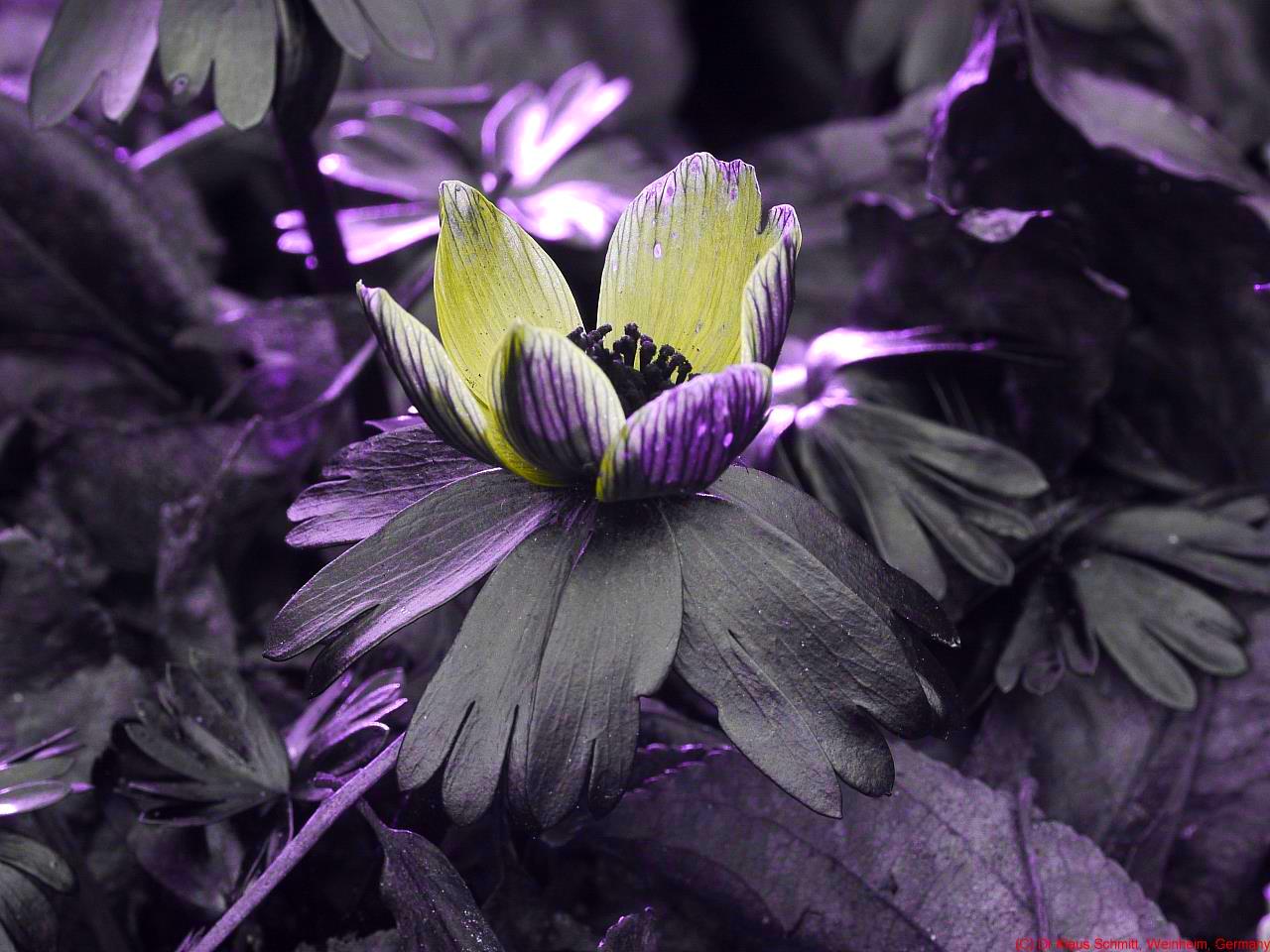
*** Winter Aconite ***

Visible light image:
 

UV image using Baader-U filter (approx. 320-395nm, effective peak approx. 375nm):
 

UV image using Schott filter stack (approx. 320-400nm, effective peak approx. 375nm) but showing some bluish leak which the Baader filter does not have:
 

VIS-IR image using no filter:
 

So, I hope you enjoy seeing some early spring flowers!


Stay tuned, more will follow on that fascinating subject...

More info on this very interesting field may be found on my site http://www.pbase.com/kds315/uv_photos

Saturday, March 2, 2013

Filter leakage in reflected UV ultraviolet photography - unsuitable UV vs Baader-U filter III

Today again about IR leakage in reflected UV photography and how to deal with it. I have posted about that before here.

So what I wanted to show to today is, how different reflected UV images look like with and without IR leakage, so to enable a potential UV shooter to detect that. Images are presented in a side-a-side waqy, to make comparisons easier.

[click on image to see a larger one]

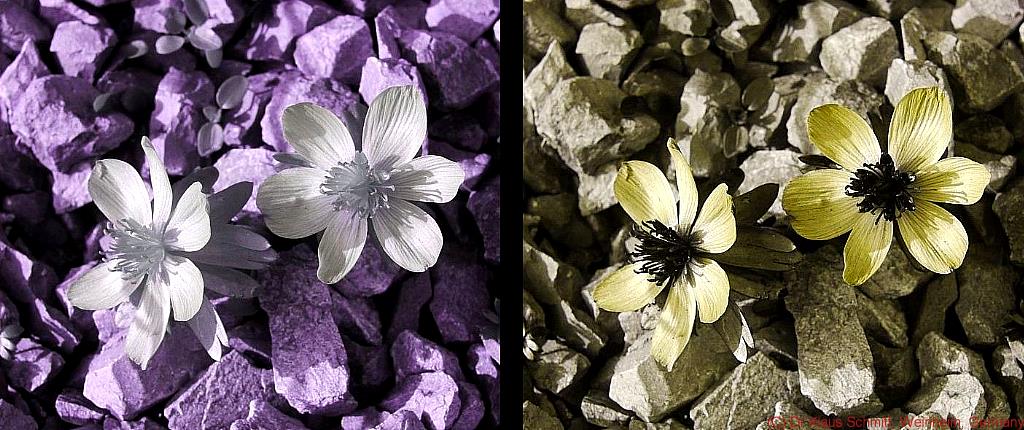
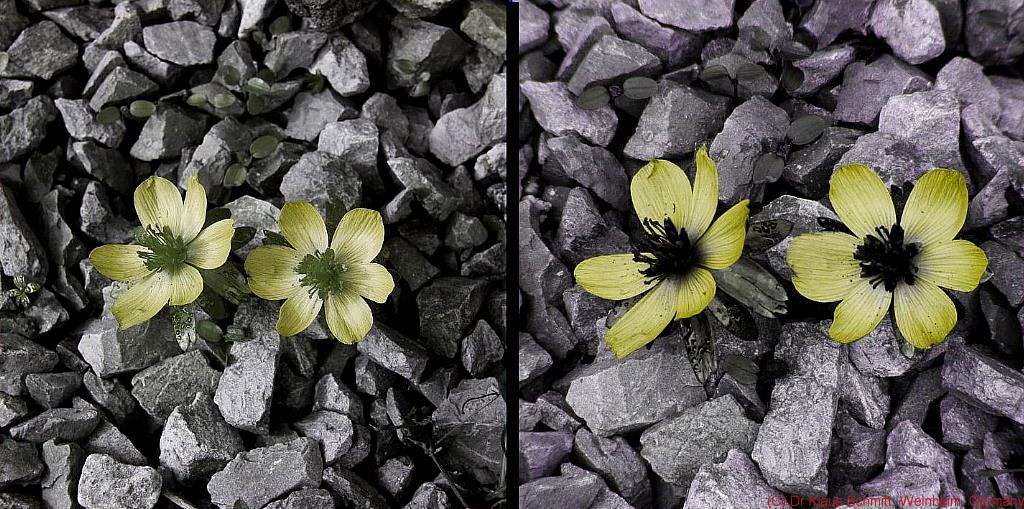
Here now the comparison with a commercially available UV filter, that not only leaks IR but also some blue vs the Baader-U 2" filter, Winter Aconite as target:

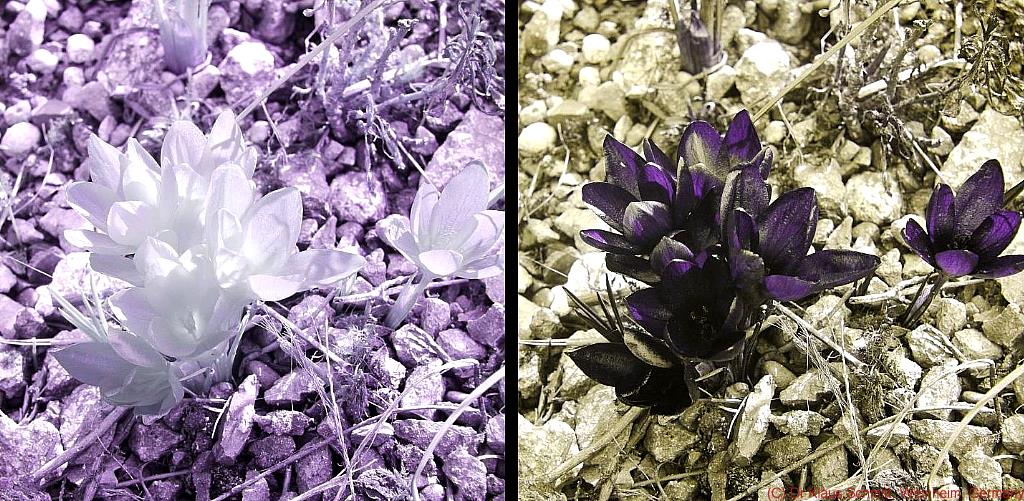
So here another example for very strong IR leakage (left), vs correct UV recording using a Baader-U 2" filter (right) using a strongly IR reflecting spring crocus as a target:


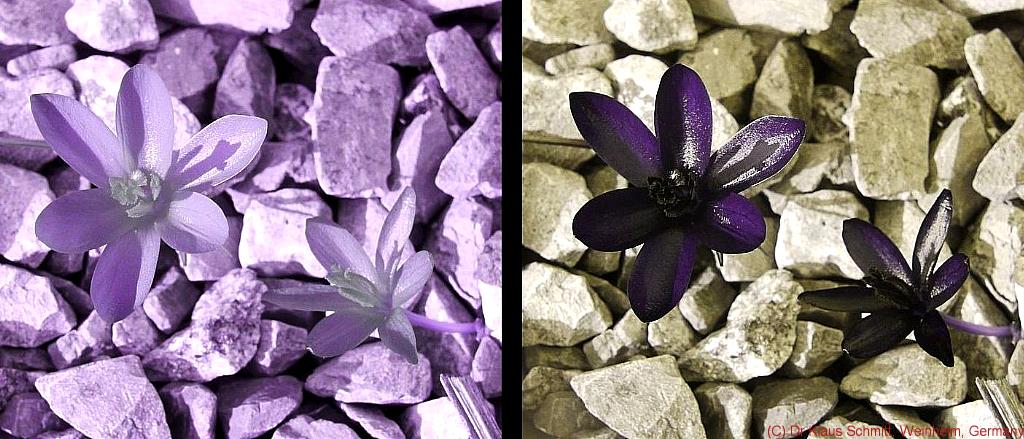
Same situation, but different angle and different crocus:

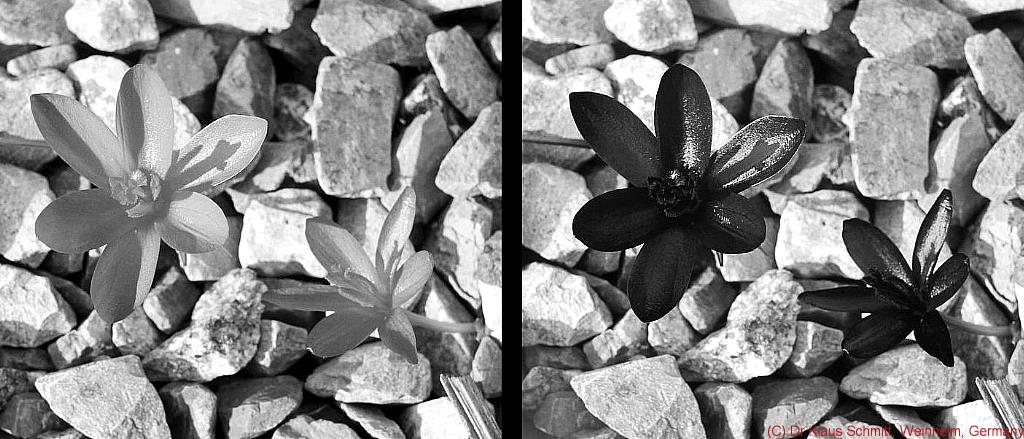
here in bw version, that shows that exposure was identical, but the pattern and structure is completely washed away by that IR leakage::

This following last example now shows the results of two different UV transmitting astro filters, left one with just a little IR leakage, but still enough to render the result useless, right the currently best filter for reflected UV in my opinion, the Baader-U 2", again using Winter Aconite as target:


Well, it was my goal to bring the attention to an often overlooked, but very important fact: IR leakage in reflected UV photography. Often beginners try to experiment with cheap UV transmitting filters, hoping to get some useful results. Unfortunately due to the very high IR sensitivity of modern sensors, just the tiny fraction of 0.1% leakage leads to useless results. So there is no way other than using highest quality UV transmission filters to secure useful results. Demand at least a IR suppression of OD3 from any UV transmitting filter, better even OD4!

Stay tuned, more will follow on that fascinating subject...

More info on this very interesting field may be found on my site http://www.pbase.com/kds315/uv_photos

Monday, February 25, 2013

Soligor 35mm vs Kuribayashi 35mm lens for reflected UV photography

Today about the Soligor f3.5 / 35mm (older style) lens in comparison to the aforementioned Kuribayashi f3.5 / 35mm lens (also sold under the Petri brand name), a quite capable lens for reflected UV photography I have written about both lenses before here. I'm using a yellow/red Phalaenopsis flower for that and my "work horse" UV filter, the Baader-U filter plus the deeper reaching Jupiter-U filter. Light source was an UV enhanced Xenon flash. All shots done at f8 and presented on a side-a-side format for easier comparison, left the Soligor, right the Kuribayashi lens.

[click on image to see a larger one]

Visible light image:
 

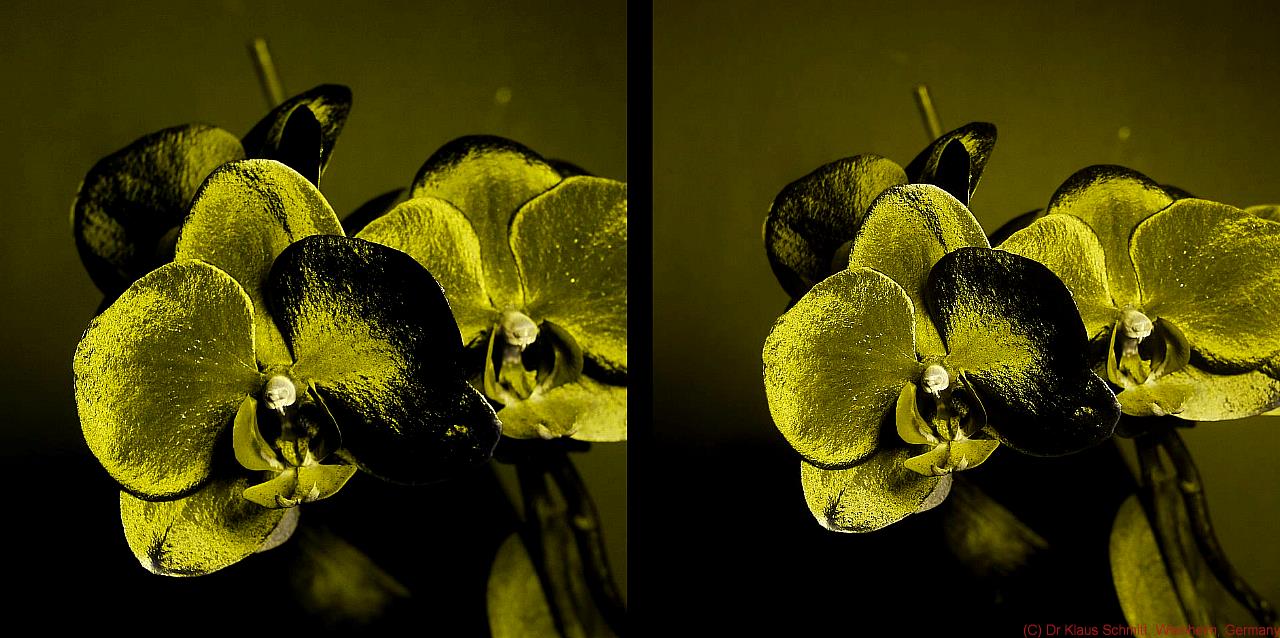
UV image using Baader-U filter (approx. 320-395nm, effective peak approx. 375nm):
 

UV image using Jupiter-U filter (approx. 280-385nm, effective peak approx. 365nm):
 

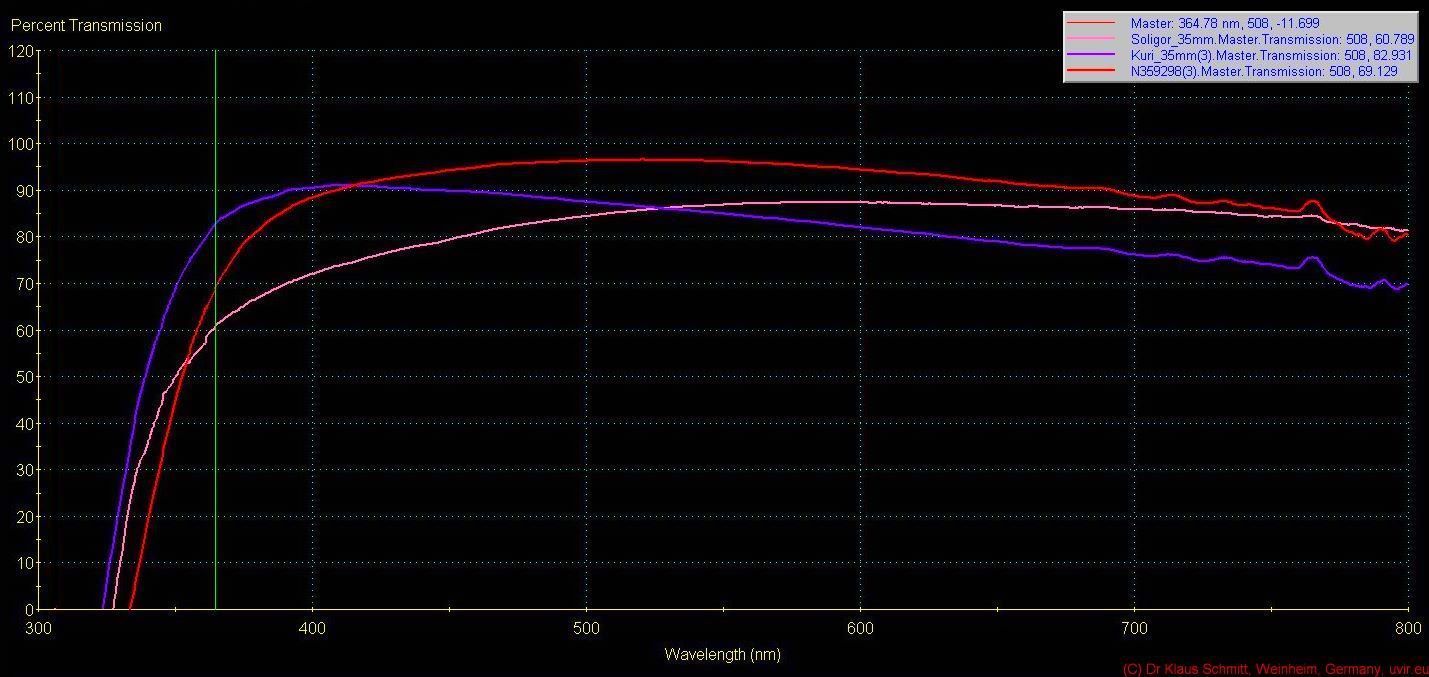
SOLIGOR lens transmission:


As I have written before, the Kuribayashi 35mm lens is quite a useful one for UV, sharp and contrasty and only having a 1.03% focus shift. The Soligor 35mm shows 1.3% focus shift and also some other differences, like a needed 2/3 stop higher exposure, as its UV transmission is lower than the one of the Kuribayashi lens. In terms of sharpness they are about even, but the Kuribayashi has the higher contrast. So in total the Soligor 35mm is a useful lens, yet reaches not quite the Kuribayashi.


Stay tuned, more will follow on that fascinating subject...

More info on this very interesting field may be found on my site http://www.pbase.com/kds315/uv_photos

Sunday, February 24, 2013

Steinheil Cassaron 40mm vs Kuribayashi 35mm for reflected UV photography

Here today a comparison between the well known Kuribayashi f3.5/35mm lens and the lesser known Steinheil Cassron f3.5/40mm lens. I'm using a yellow/red Phalaenopsis flower for that and my "work horse" UV filter, the Baader-U filter plus the deeper reaching Jupiter-U filter. Light source was an UV enhanced Xenon flash. All shots done at f8 and presented on a side-a-side format for easier comparison, left the Cassaron, right the Kuribayashi lens.

[click on image to see a larger one]

Visible light image:
 

UV image using Baader-U filter (approx. 320-395nm, effective peak approx. 375nm):
 

UV image using Jupiter-U filter (approx. 280-385nm, effective peak approx. 365nm):
 

Transmission graph:


This comparison shows, that the Kuri 35mm is hard to beat, but the Cassaron does quite well for a simple triplet lens, especially reaching quite deep into UV when the Jupiter-U filter is being used. It has 1.9% focus shift, compared to 1.0% the Kuri 35mm has. A quite useful lens and maybe even easier to find than the Kuri.


Stay tuned, more will follow on that fascinating subject...

More info on this very interesting field may be found on my site http://www.pbase.com/kds315/uv_photos
Saturday, February 23, 2013

Quartz fluorite lens vs 100mm Focotar enlarger lenses for reflected UV photography III

Today again about comparing a quartz fluorite lens with two conventional, but UV capable enlarger lenses. I have done a similar comparison for a 100mm lens here and here and a comparison for 50mm lenses previously here. I'm using a yellow/red Phalaenopsis flower for that and my "work horse" UV filter, the Baader-U filter plus the deeper reaching Jupiter-U filter. Lenses used are a CERCO 94mm quartz fluorite lens as well as two different 100mm Focotar enlarger lenses. Light source was an UV enhanced Xenon flash. All shots were done at f8 and are presented in a side-a-side format for easier comparison. CERCO lens is leftmost.

[click on image to see a larger one]

Visible light images:
 

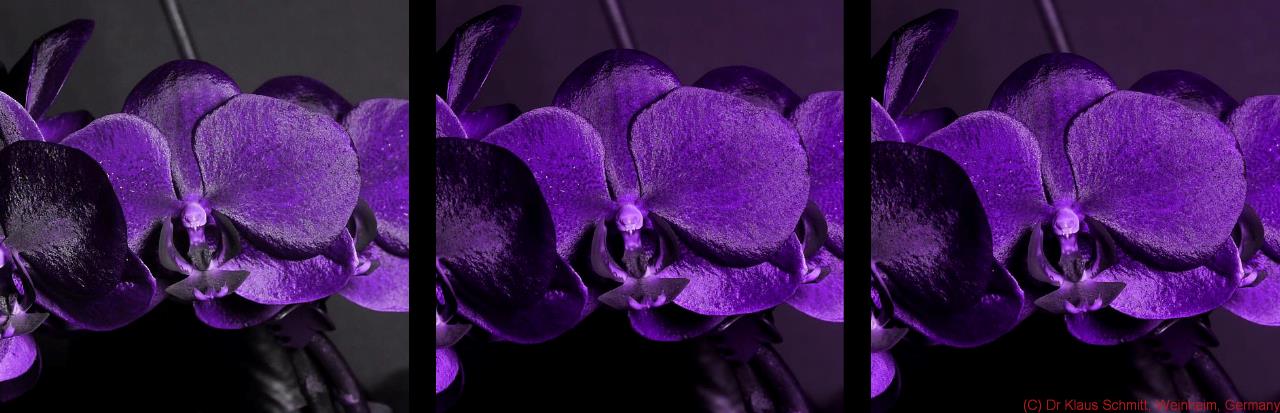
UV images using Baader-U filter (approx. 320-395nm, effective peak approx. 375nm):
 

UV images using Jupiter-U filter (approx. 280-385nm, effective peak approx. 365nm):
 

It gets pretty obvious that both enlarger lenses reach quite close to the quartz fluorite lens, but neither can't quite beat it in terms of sharpness + contrast. Admittedly both are quite close. Both enlarger lenses have a very small and nearly neglectable focus shift, 0.45% (middle lens) and 0.46% (right lens). I rate them very useful lenses and the best I have found so far!


Stay tuned, more will follow on that fascinating subject...

More info on this very interesting field may be found on my site http://www.pbase.com/kds315/uv_photos