Tuesday, March 12, 2013

35mm BESLAR enlarger lens for reflected UV photography

Today again about a simple, but as it turned out, quite UV capable BESLAR f3.5/35mm enlarger lens. I have done a similar enlarger lens comparison for a 100mm lens here and here and a comparison for 50mm lenses previously here. I'm using a yellow/red Phalaenopsis flower for that and my "work horse" UV filter, the Baader-U filter plus the deeper reaching Jupiter-U filter. Light source was an UV enhanced Xenon flash. All shots were done at f8 and are presented in a side-a-side format for easier comparison.

[click on image to see a larger one]

Images showing on the left a visible light image and on the right using the Baader-U filter (approx. 320-395nm, effective peak approx. 375nm):
 

UV images using shown on the left the Baader-U filter (approx. 320-395nm, effective peak approx. 375nm) and on the right my Jupiter-U filter (approx. 280-385nm, effective peak approx. 365nm):
 

UV detail images using shown on the left the Baader-U filter (approx. 320-395nm, effective peak approx. 375nm) and on the right my Jupiter-U filter (approx. 280-385nm, effective peak approx. 365nm):
 

Transmission graph:
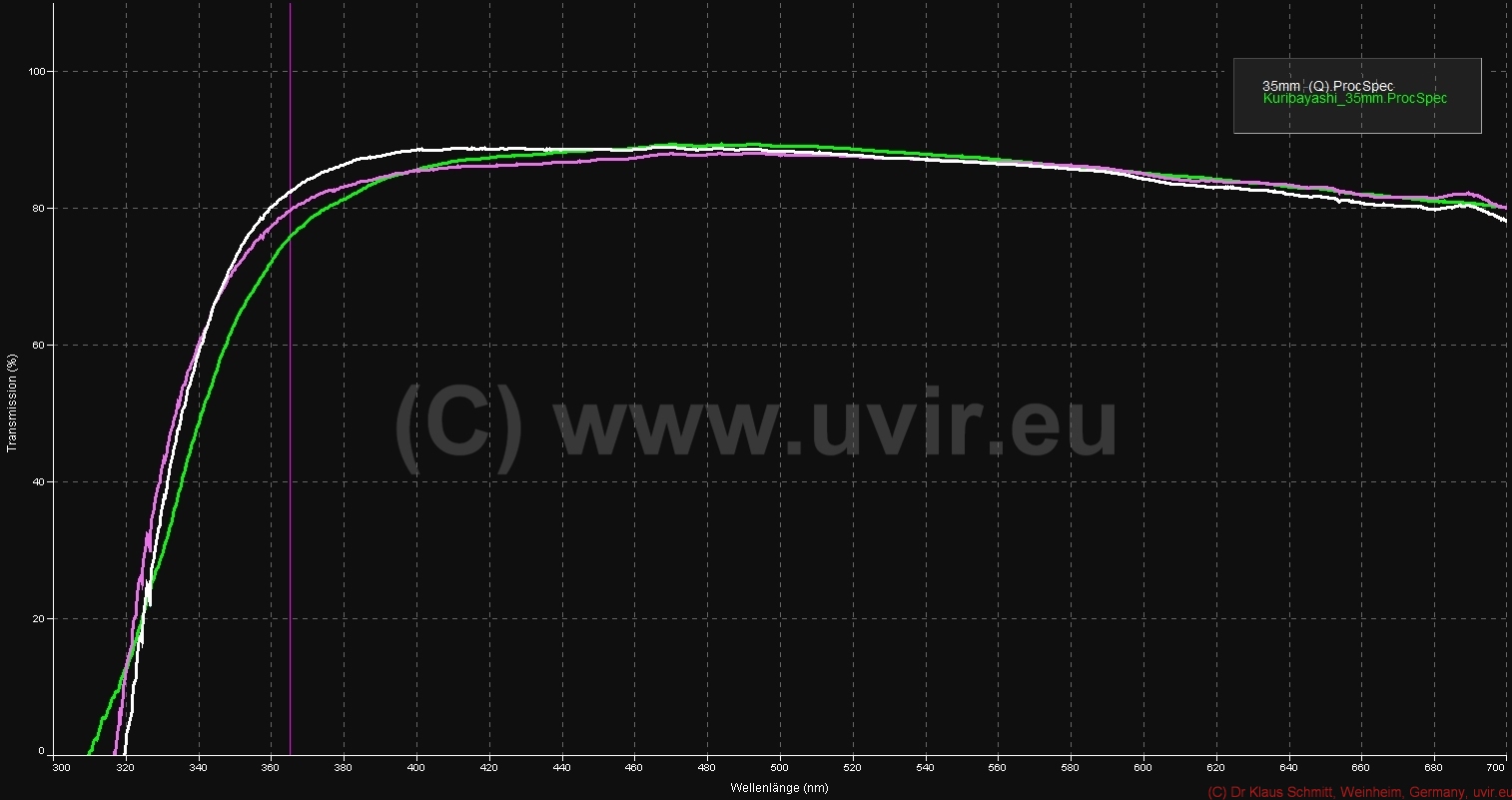
 

Well, this little enlarger lens performs acceptably well, seemingly has quite a high UV transmission of about 80% and quite a deep reach into the UV region to about 320nm (white line), compared to my new standard 35mm lens (green line), the Kuribayashi 35mm. I also tested a rebadged version under a different moniker (pink line) which seems to perform about identical.


Stay tuned, more will follow on that fascinating subject...

More info on this very interesting field may be found on my site http://www.pbase.com/kds315/uv_photos

Thursday, March 7, 2013

Anemone narcissiflora - Cerco 94mm Quartz Fluorite lens for reflected ultraviolet photography

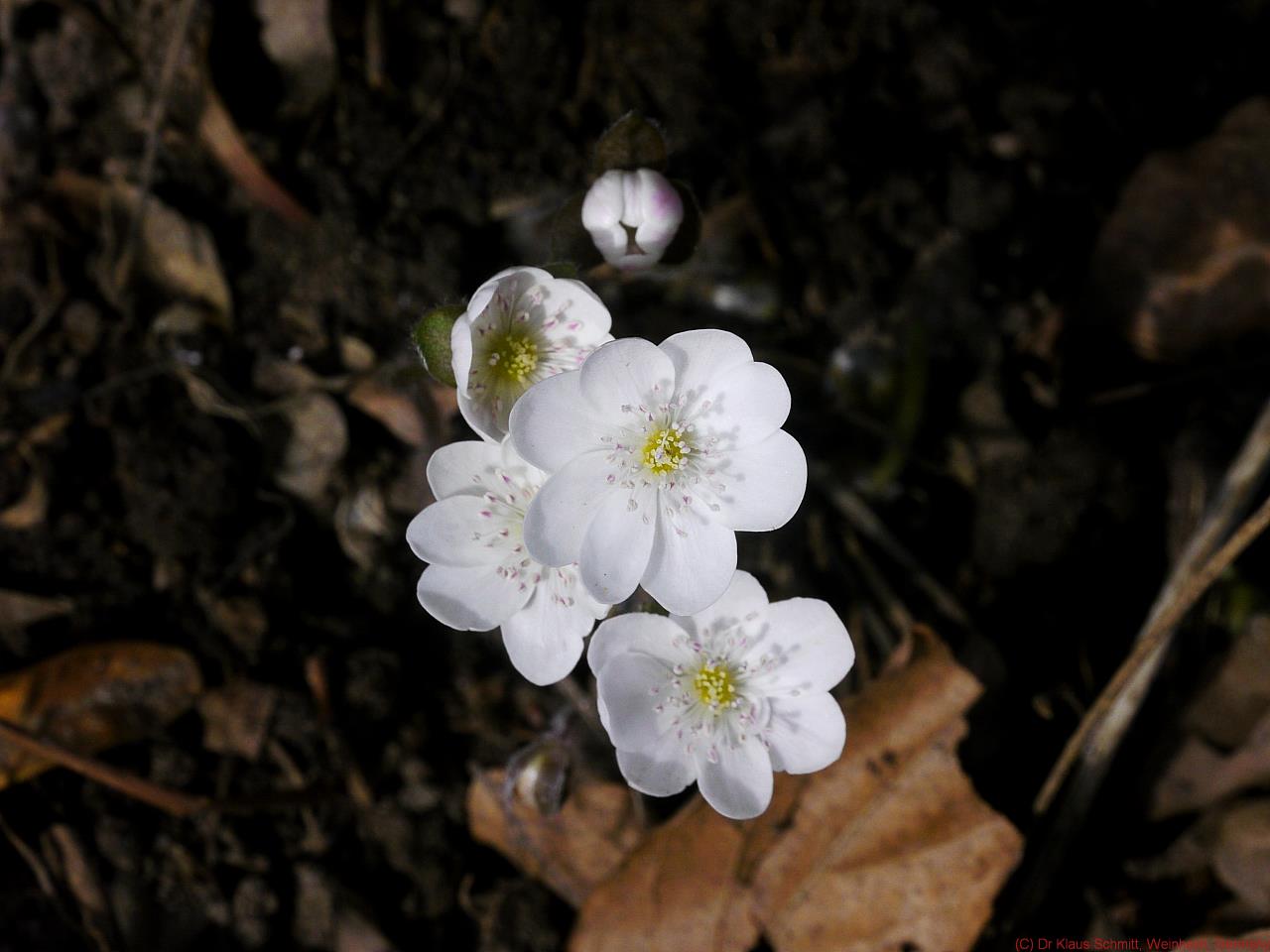
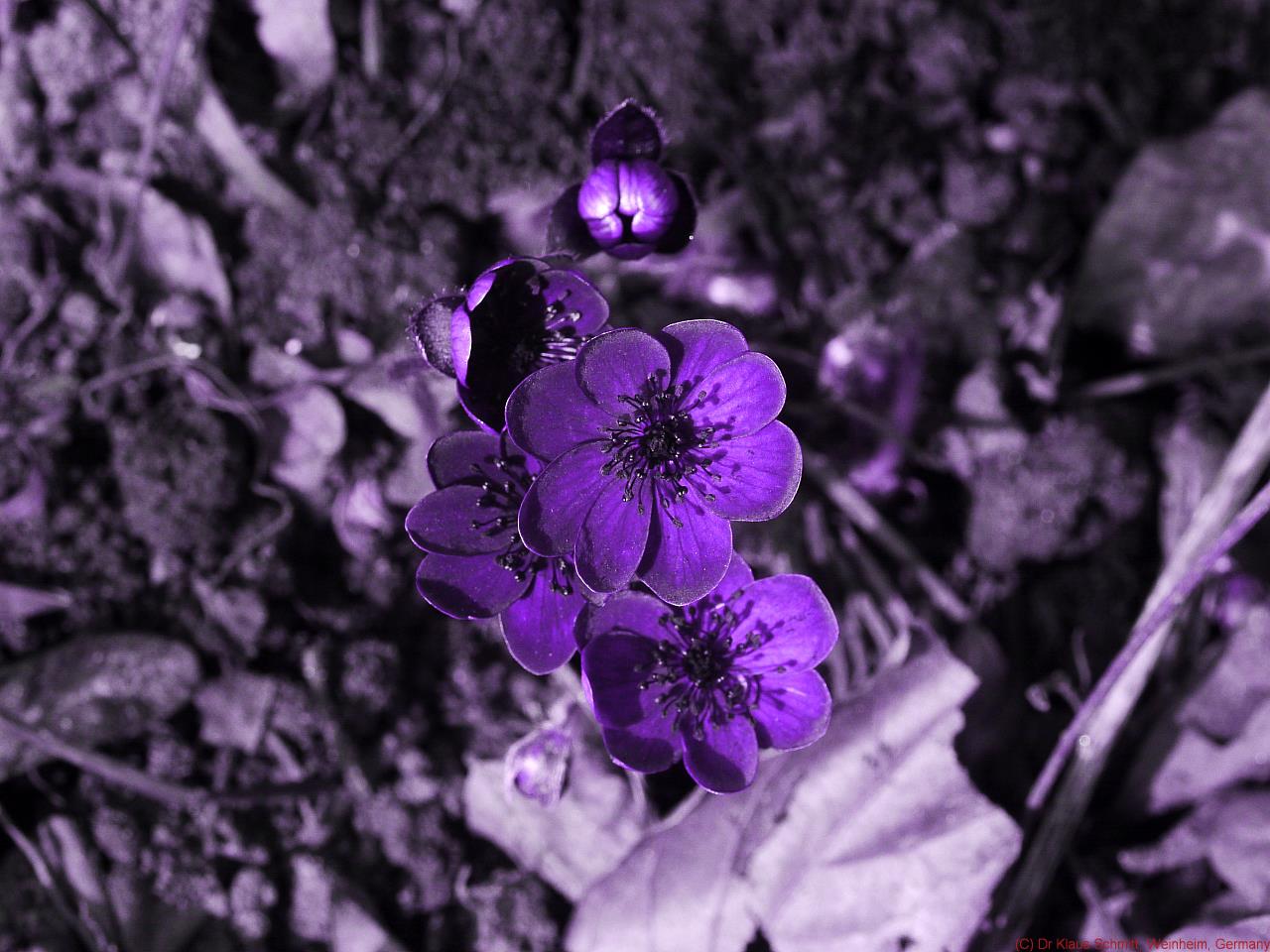
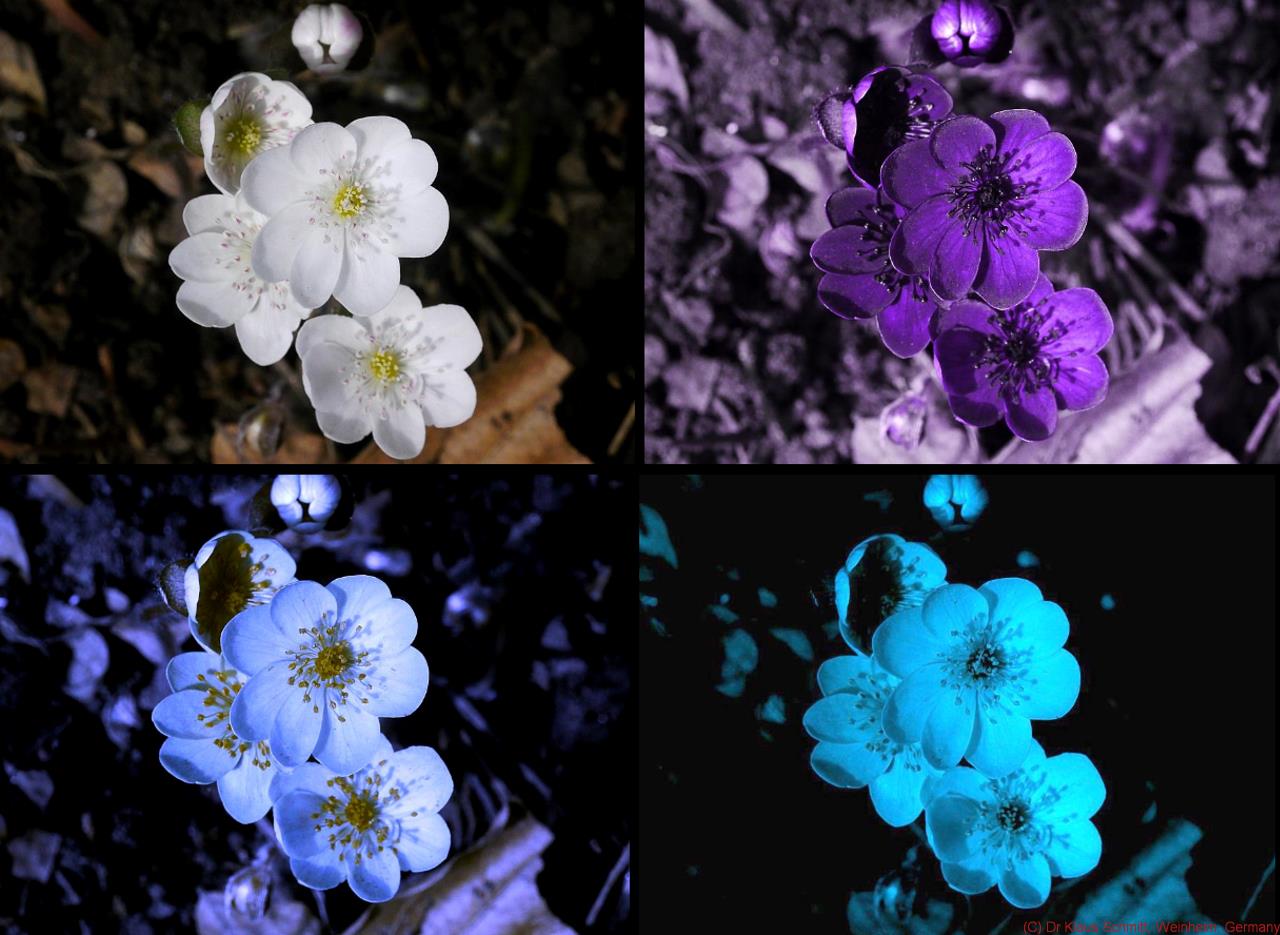
Today about some early spring flowers, here Anemone narcissiflora (most likely, but looks like a white variant of Liverwort "Anemone hepatica") in reflected ultraviolet photography using my "work horse" UV filter, the Baader-U filter as well as my XBV filters for simulating butterfly and bee vision. Lens was a CERCO 94mm quartz fluorite lens. Light source was sunlight. All shots were done at about f5.6. So, on to the results now...

[click on image to see a larger one]

Visible light image:
 

UV image using Baader-U filter (approx. 320-395nm, effective peak approx. 375nm):
 

Simulated butterfly vision (UV - VIS) using XBV3 filter:
 

Simulated bee vision (UV - VIS) using XBV6 filter:
 

Quadtryptich of the above:


This Anemone has only a very slight UV pattern, its center is UV dark and this gets nicely visible.


Stay tuned, more will follow on that fascinating subject...

More info on this very interesting field may be found on my site http://www.pbase.com/kds315/uv_photos
Wednesday, March 6, 2013

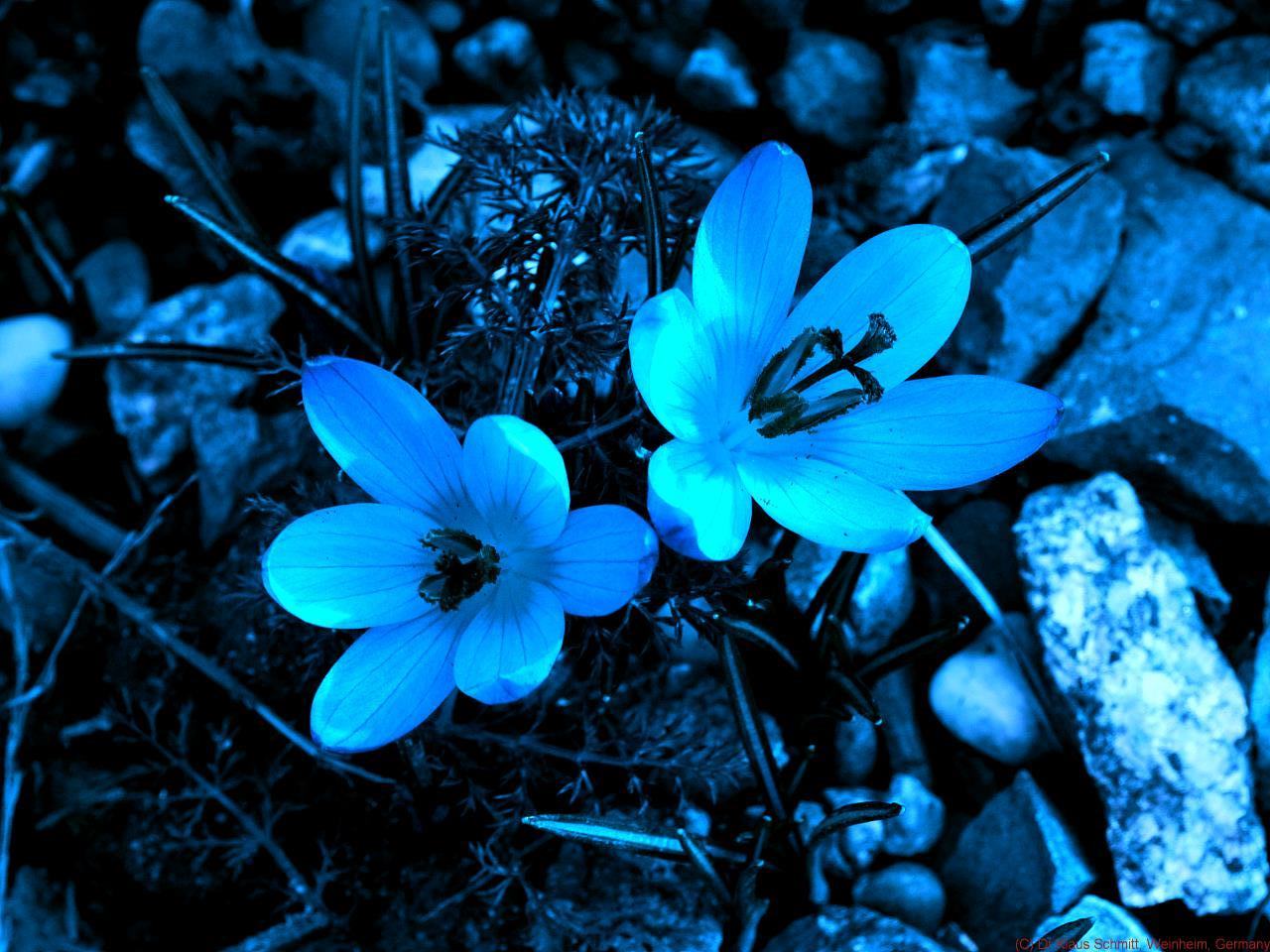
Spring Crocus - Cerco 94mm Quartz Fluorite lens for reflected ultraviolet photography

Today about some early spring flowers, here Crocus (Crocus sp.) in reflected ultraviolet photography using my "work horse" UV filter, the Baader-U filter. Lens was a CERCO 94mm quartz fluorite lens. Light source was sunlight. All shots were done at about f5.6. So, on to the results now...

[click on image to see a larger one]

Visible light image:
 

UV image using Baader-U filter (approx. 320-395nm, effective peak approx. 375nm):
 

Simulated butterfly vision (UV - VIS) using XBV3 filter:
 

Simulated bee vision (UV - VIS) using XBV6 filter:
 

Quadtryptich of the above:


Crocus usually is reflecting only in long wave UV around 380nm, visible as a bluish violet and its center (anthers, stamen) is UV dark, which gets nicely visible here.


Stay tuned, more will follow on that fascinating subject...

More info on this very interesting field may be found on my site http://www.pbase.com/kds315/uv_photos
Winter Aconite - Cerco 94mm Quartz Fluorite lens for reflected ultraviolet photography

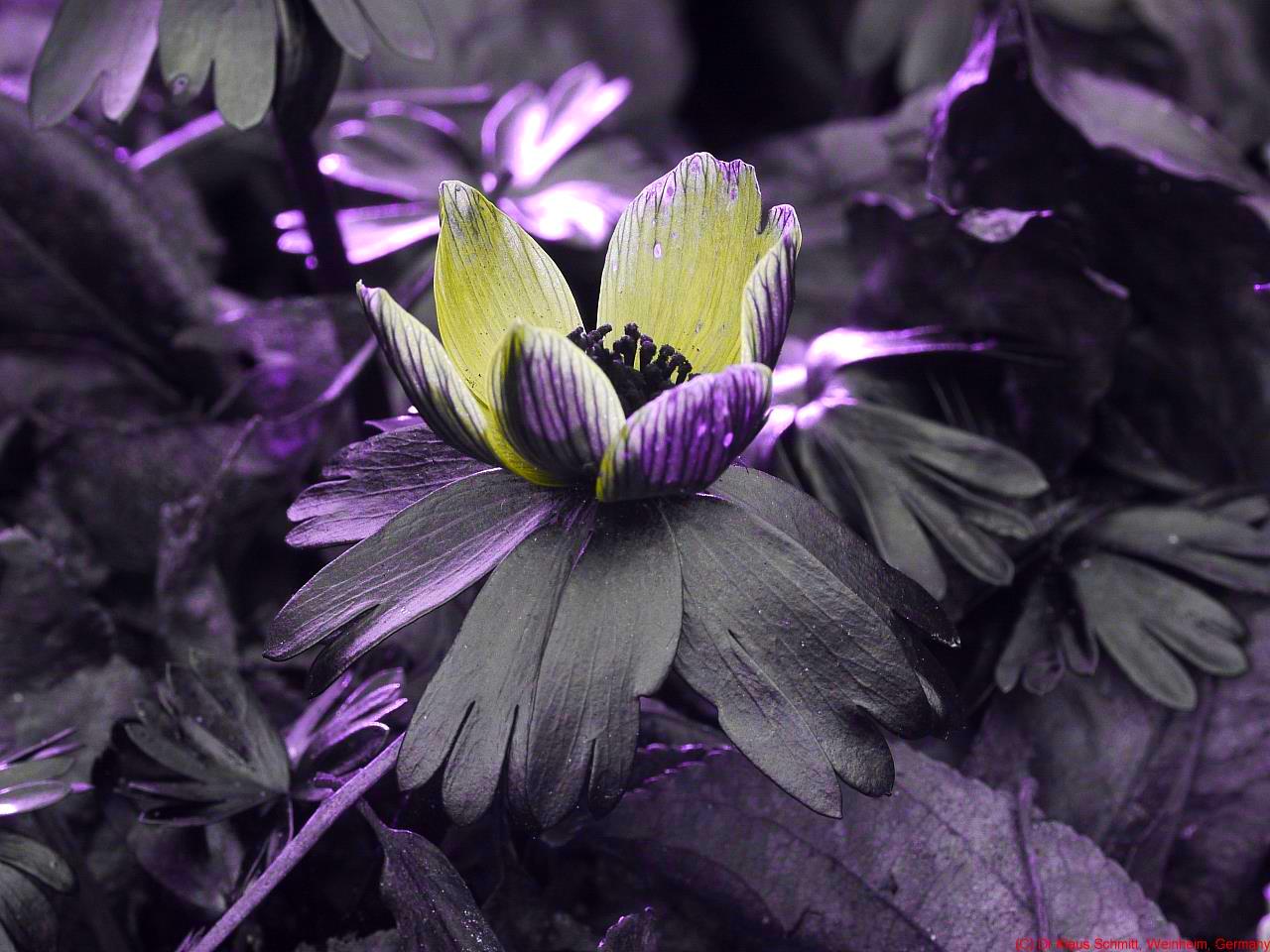
Today about some early spring flowers, here Winter Aconite (Eranthis hyemalis) in reflected ultraviolet photography using my "work horse" UV filter, the Baader-U filter as well as my XBV filters for simulating butterfly and bee vision. Lens was a CERCO 94mm quartz fluorite lens. Light source was sunlight. All shots were done at about f5.6. So, on to the results now...

[click on image to see a larger one]

Visible light image:
 

UV image using Baader-U filter (approx. 320-395nm, effective peak approx. 375nm):
 

Simulated butterfly vision (UV - VIS) using XBV3 filter:
 

Simulated bee vision (UV - VIS) using XBV6 filter:
 

Quadtryptich of the above:


Winter Aconite has a prominent UV pattern, its center (anthers, stamen) is UV dark, and the petal ground seems to have some highly reflecting spots radially centered around the stamen which gets nicely visible.


Stay tuned, more will follow on that fascinating subject...

More info on this very interesting field may be found on my site http://www.pbase.com/kds315/uv_photos

Tuesday, March 5, 2013

Spring Flowers 2013 - 100mm Focotar enlarger lens for reflected ultraviolet photography

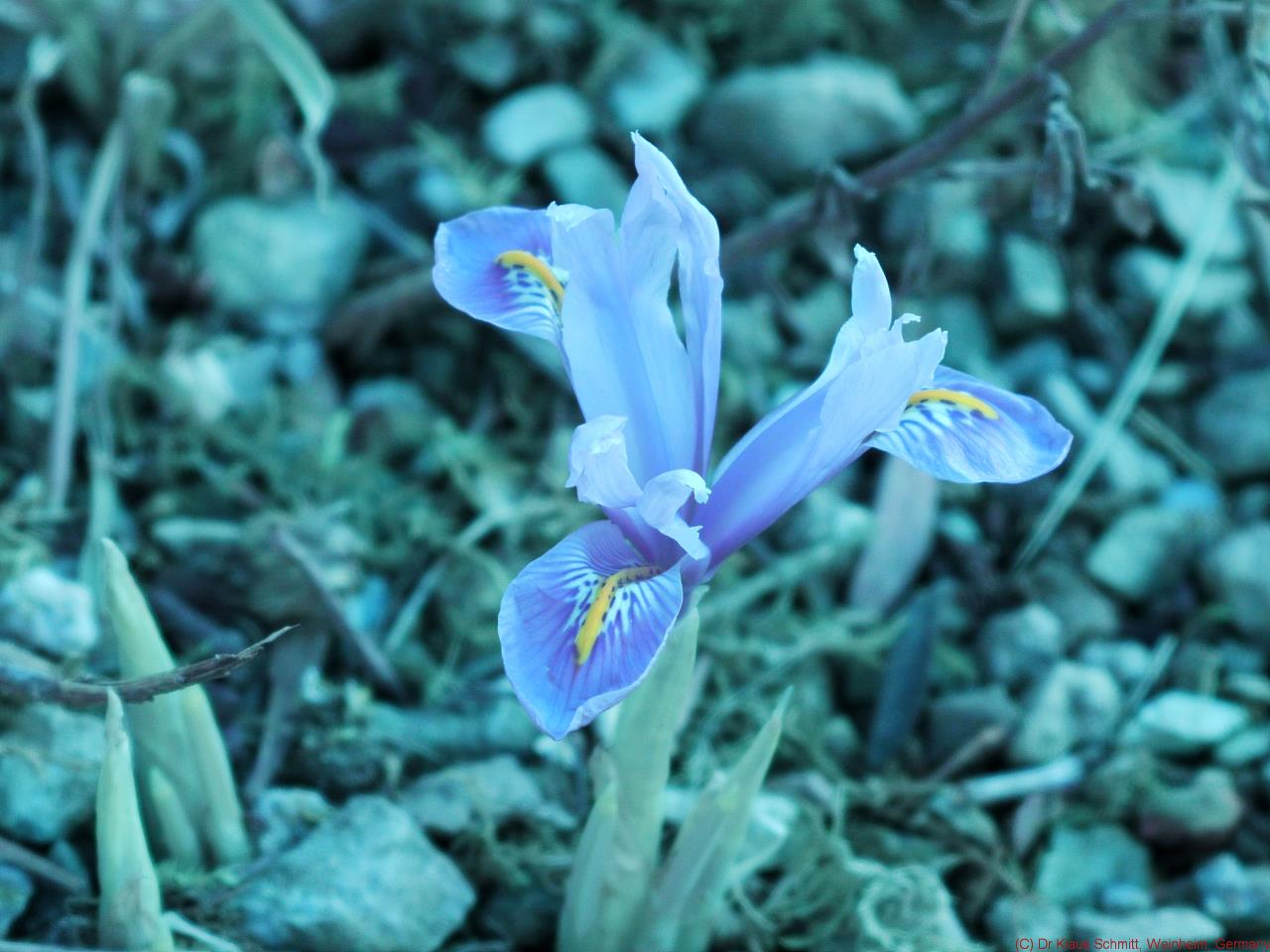
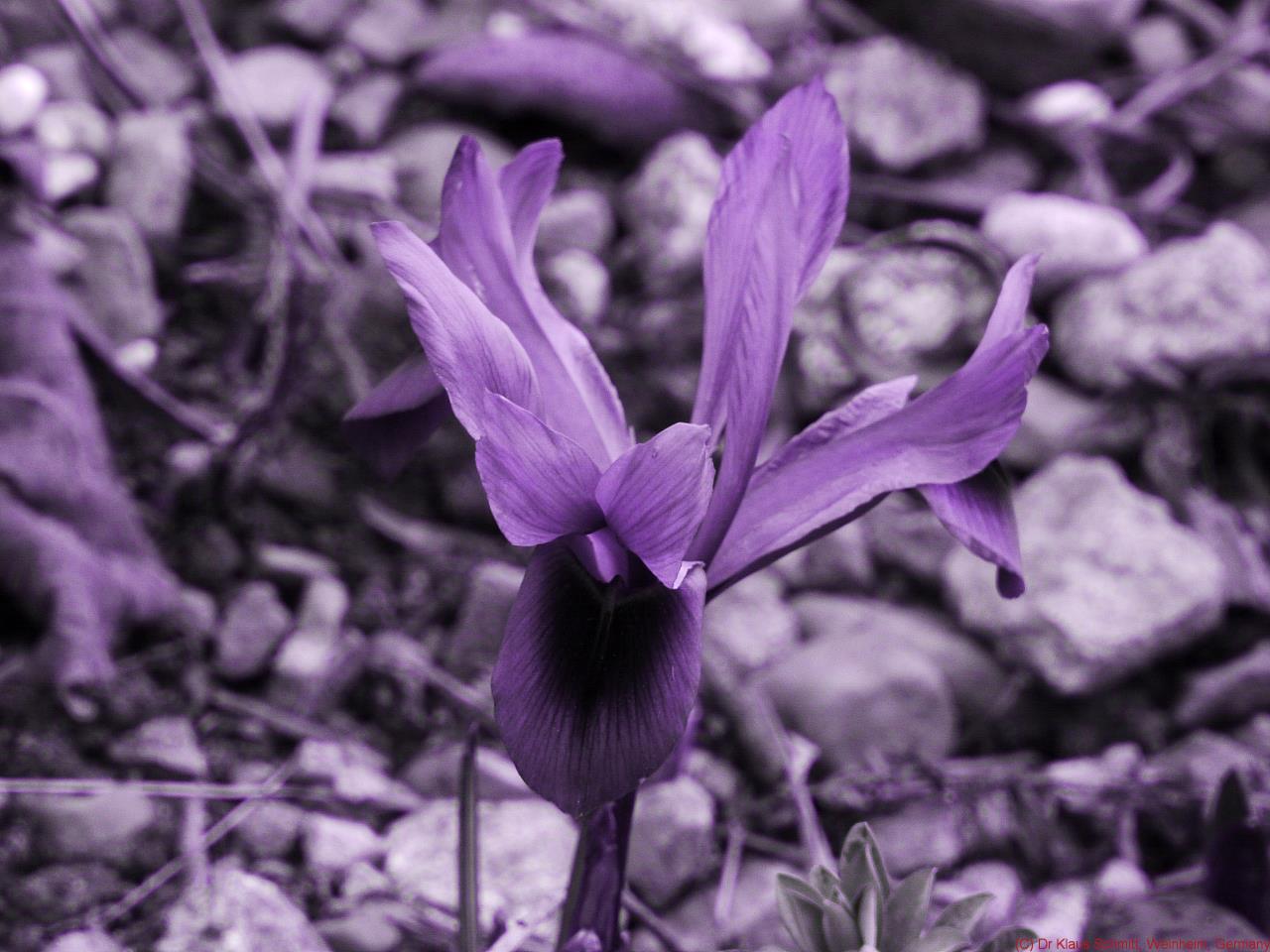
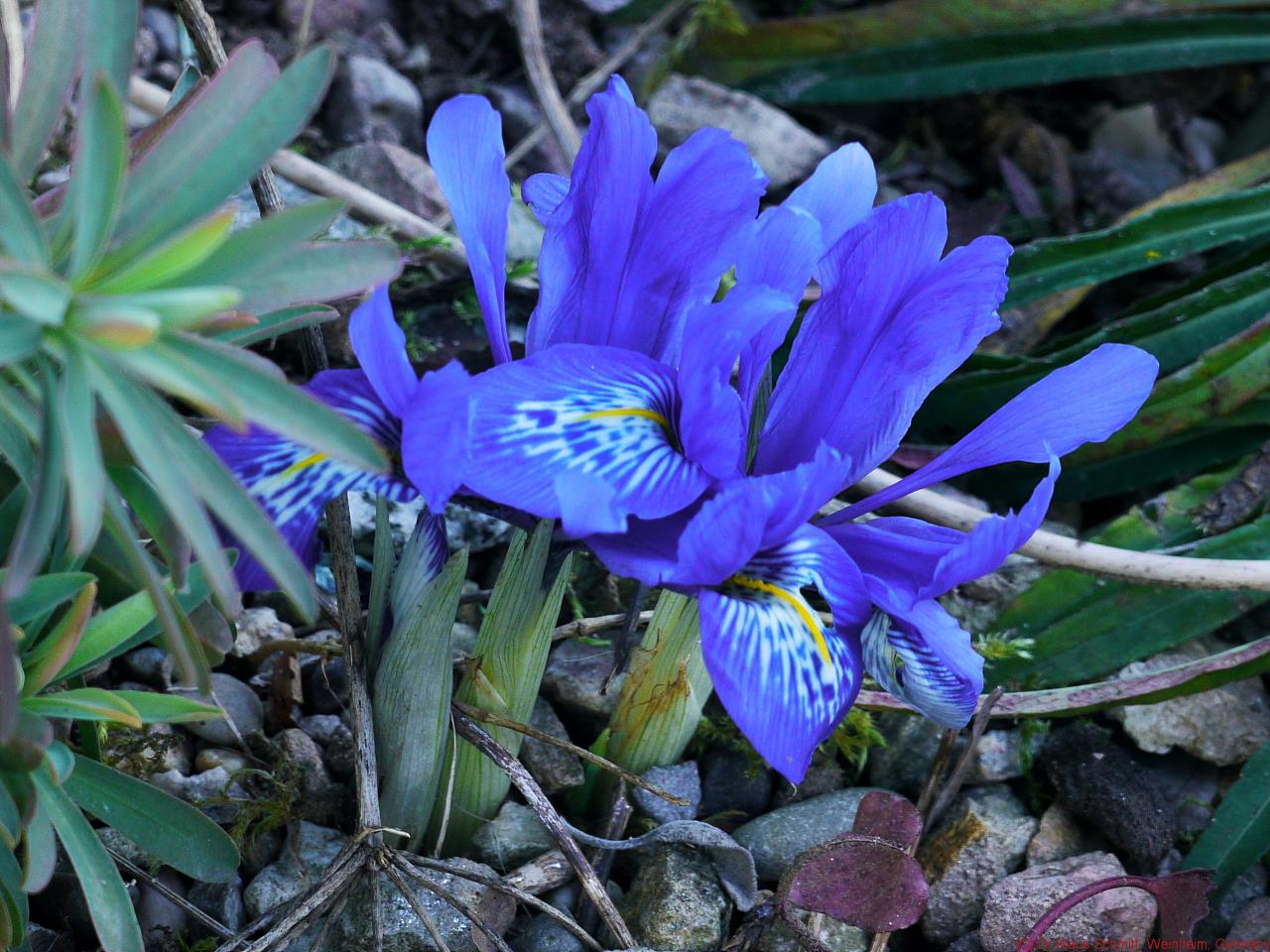
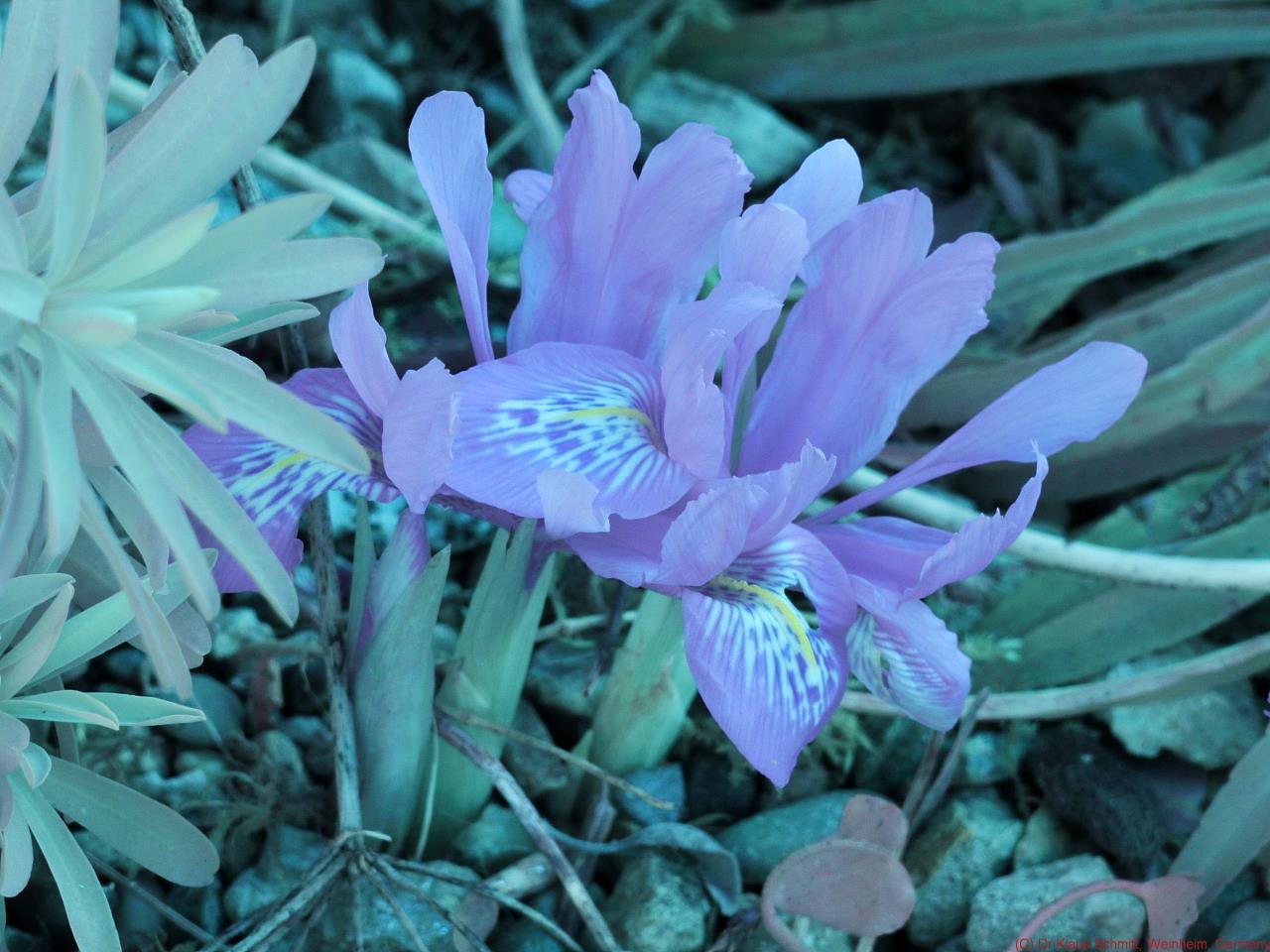
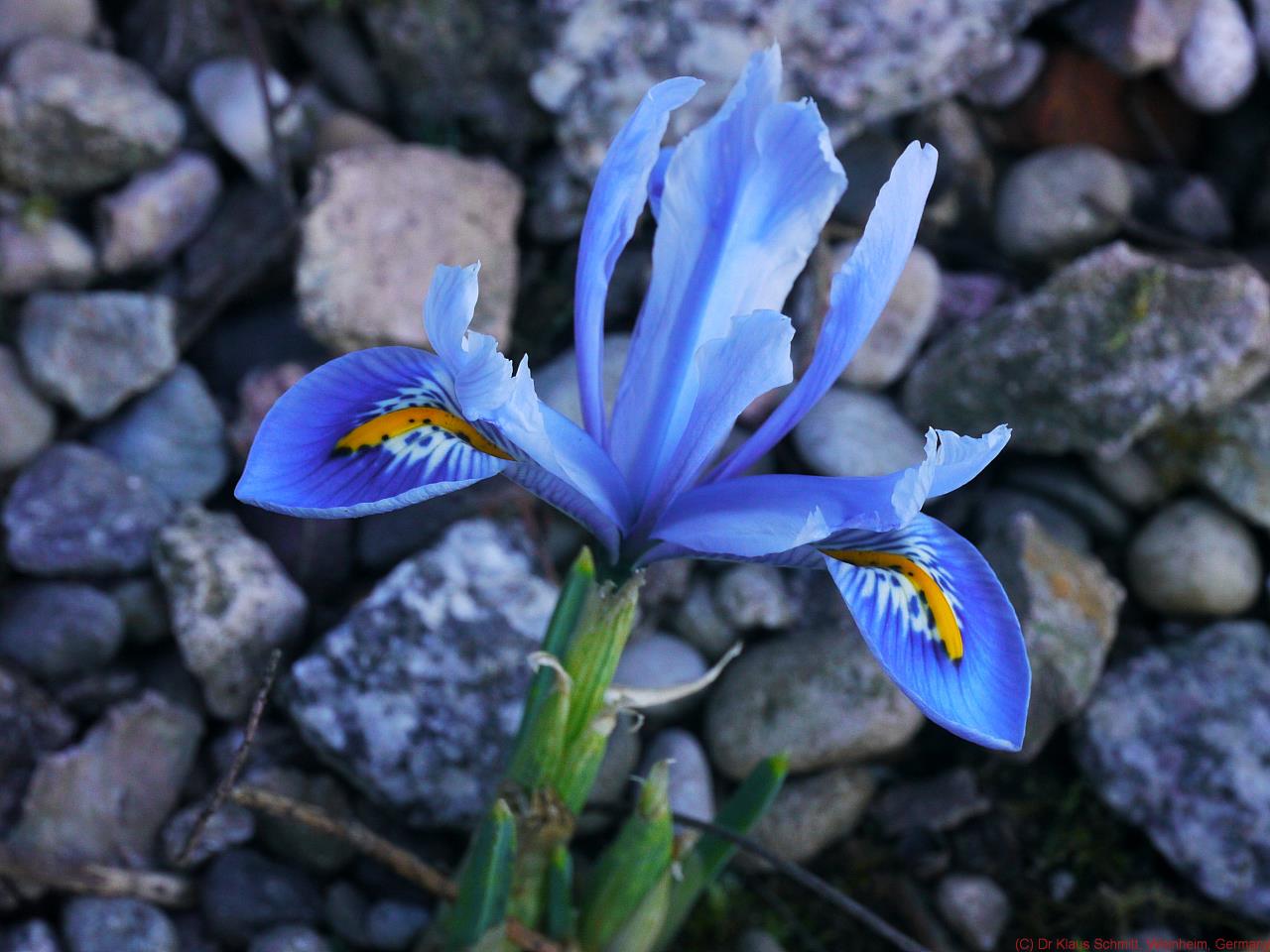
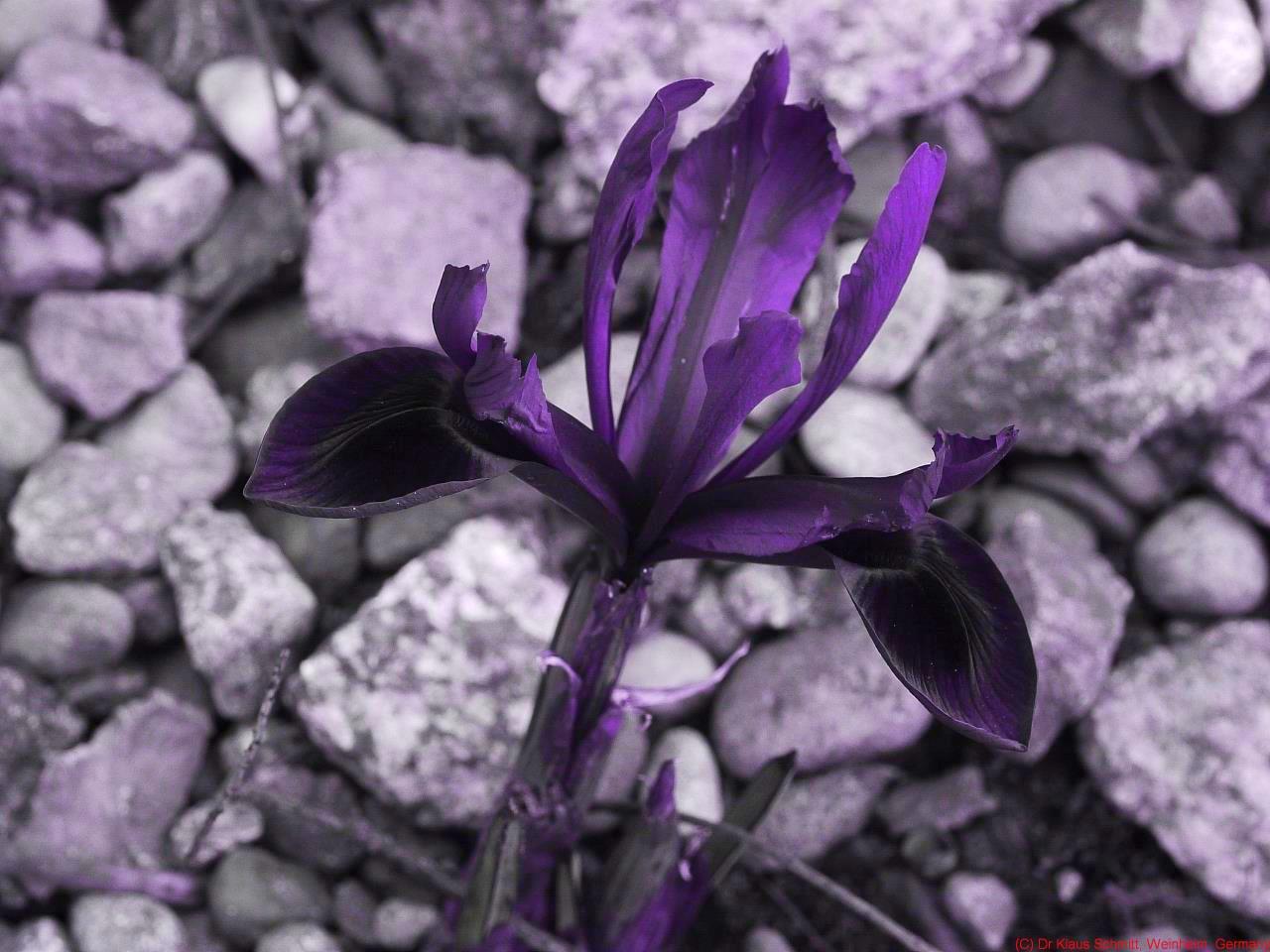
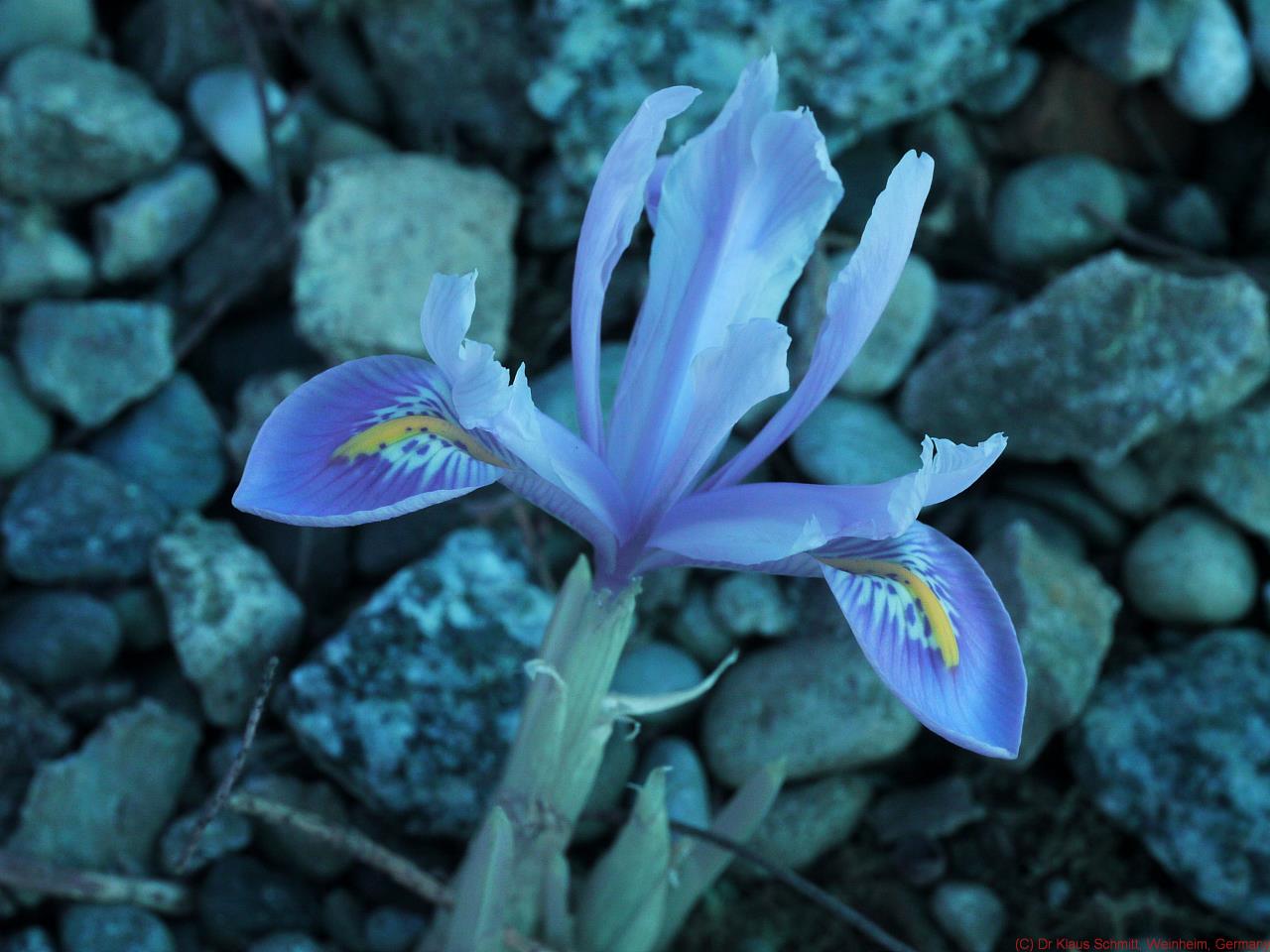
Today about the same early spring Irises shot in reflected ultraviolet photography that I had shown before when shot with the Cerco quartz fluorite lens. Filter used was my "work horse" UV filter, the Baader-U filter. Lens used was an old 100mm Focotar enlarger lens. Light source was the last sunrays of that wonderful spring Sunday. All shots were done at about f8. So, on to the results now...

[click on image to see a larger one]


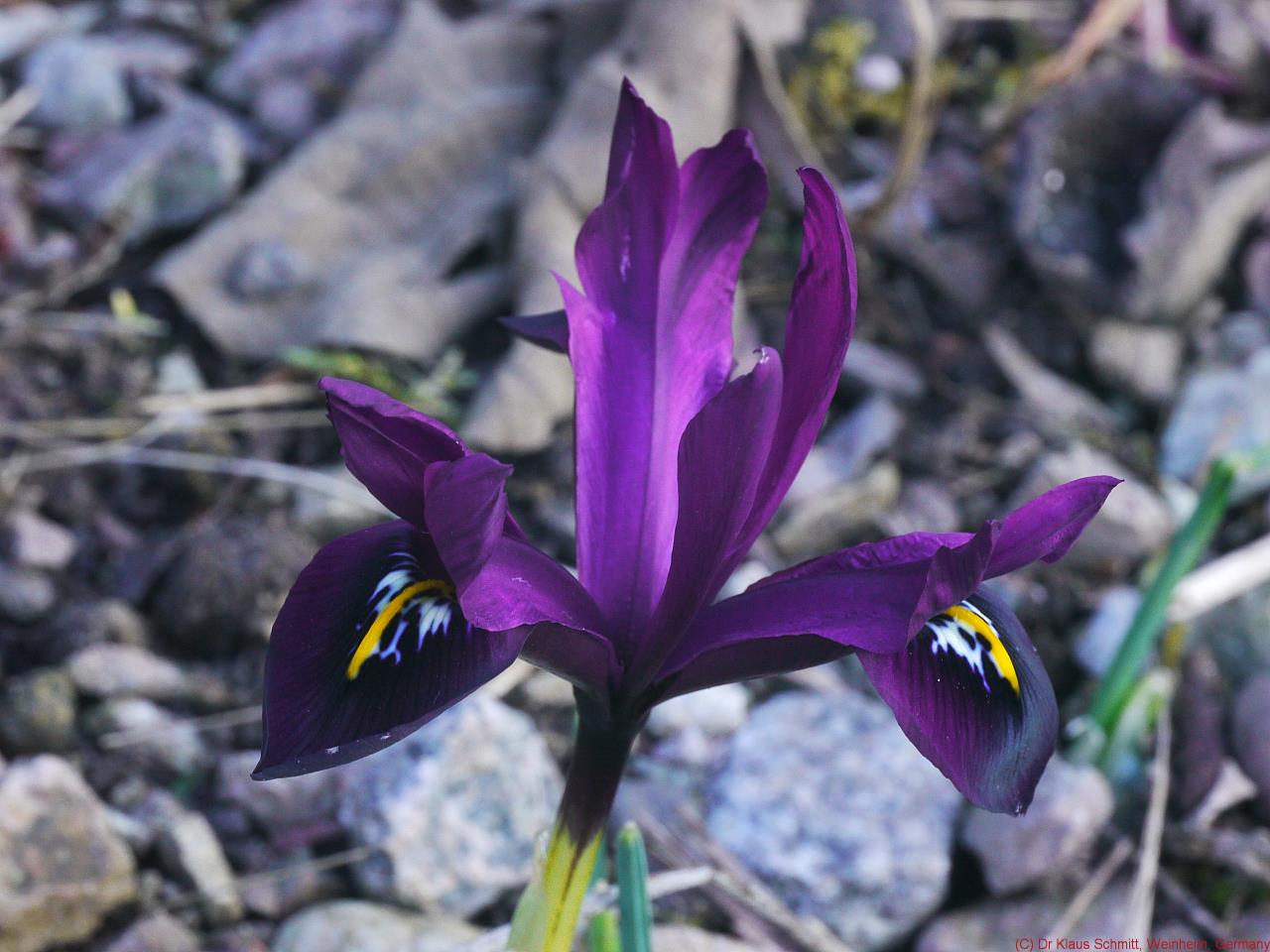
Visible light image:
 

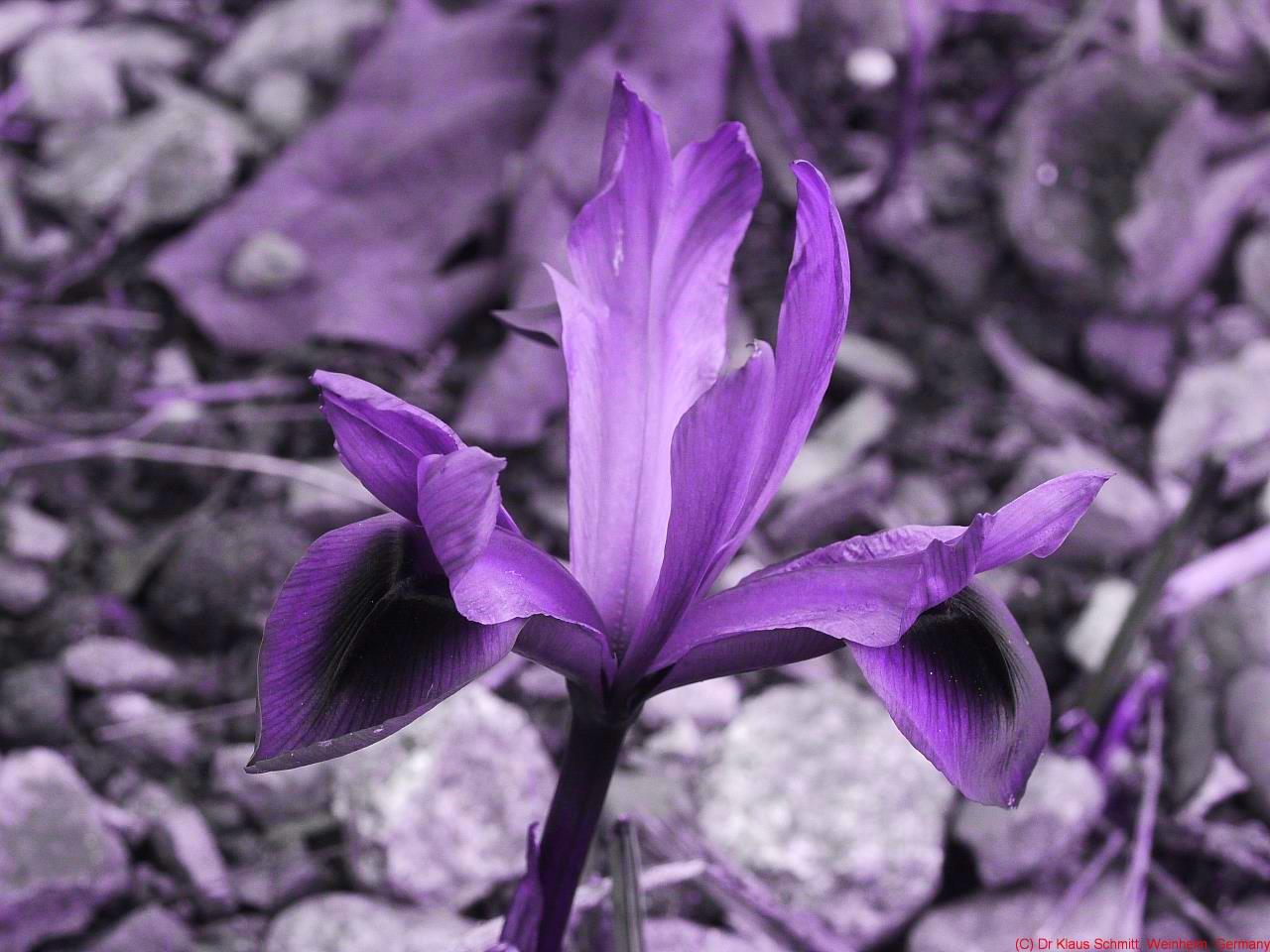
UV image using Baader-U filter (approx. 320-395nm, effective peak approx. 375nm):
 

VIS-IR image using no filter:


Visible light image:
 

UV image using Baader-U filter (approx. 320-395nm, effective peak approx. 375nm):
 

VIS-IR image using no filter:


Visible light image:
 

UV image using Baader-U filter (approx. 320-395nm, effective peak approx. 375nm):
 

VIS-IR image using no filter:
 

So, I hope you enjoy seeing some early spring flowering Irises!


Stay tuned, more will follow on that fascinating subject...

More info on this very interesting field may be found on my site http://www.pbase.com/kds315/uv_photos

Sunday, March 3, 2013

Spring Flowers 2013 - Cerco 94mm Quartz Fluorite lens for reflected ultraviolet photography II

Today about some early spring Irises in reflected ultraviolet photography using my "work horse" UV filter, the Baader-U filter. Lens was a CERCO 94mm quartz fluorite lens. Light source was the last sunrays of that wonderful spring Sunday. All shots were done at about f5.6. So, on to the results now...

[click on image to see a larger one]


Visible light image:
 

UV image using Baader-U filter (approx. 320-395nm, effective peak approx. 375nm):
 

VIS-IR image using no filter:


Visible light image:
 

UV image using Baader-U filter (approx. 320-395nm, effective peak approx. 375nm):
 

VIS-IR image using no filter:


Visible light image:
 

UV image using Baader-U filter (approx. 320-395nm, effective peak approx. 375nm):
 

VIS-IR image using no filter:
 

So, I hope you enjoy seeing some early spring flowering Irises!


There is a comparative series using teh same flowers shot with an old 100mm Focotar enlarger lens HERE.

Stay tuned, more will follow on that fascinating subject...

More info on this very interesting field may be found on my site http://www.pbase.com/kds315/uv_photos
Spring Flowers 2013 - Cerco 94mm Quartz Fluorite lens for reflected ultraviolet photography

Today about some early spring flowers, Winter Aconite and Bellis perennis in reflected ultraviolet photography using my "work horse" UV filter, the Baader-U filter, plus a new filter, consisting of a Schott UG1 + S8612 stack. Lens was a CERCO 94mm quartz fluorite lens. Light source was the last sunrays of that wonderful spring Sunday. All shots were done at about f5.6. So, on to the results now...

[click on image to see a larger one]

*** Bellis perennis ***

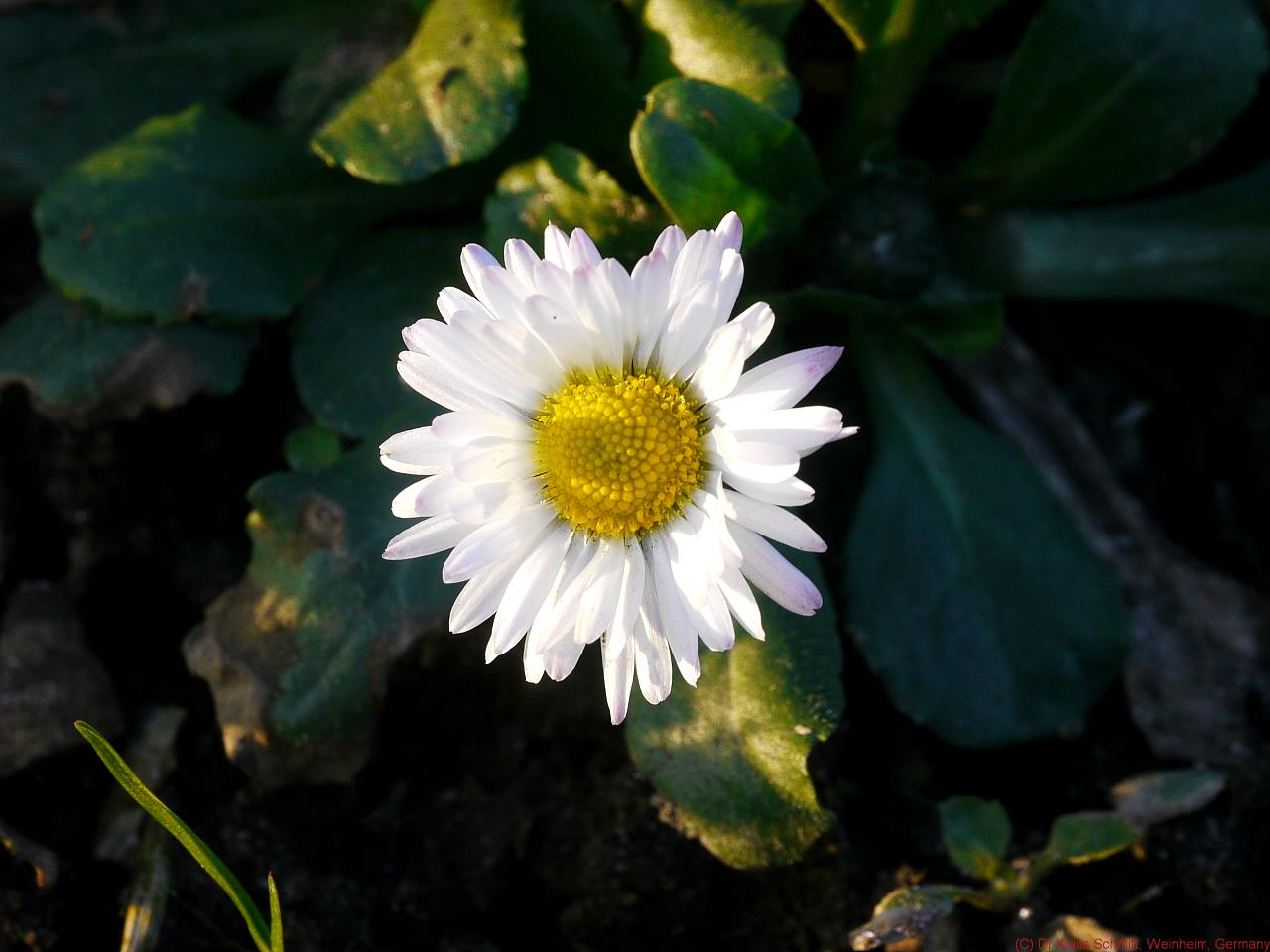
Visible light image:
 

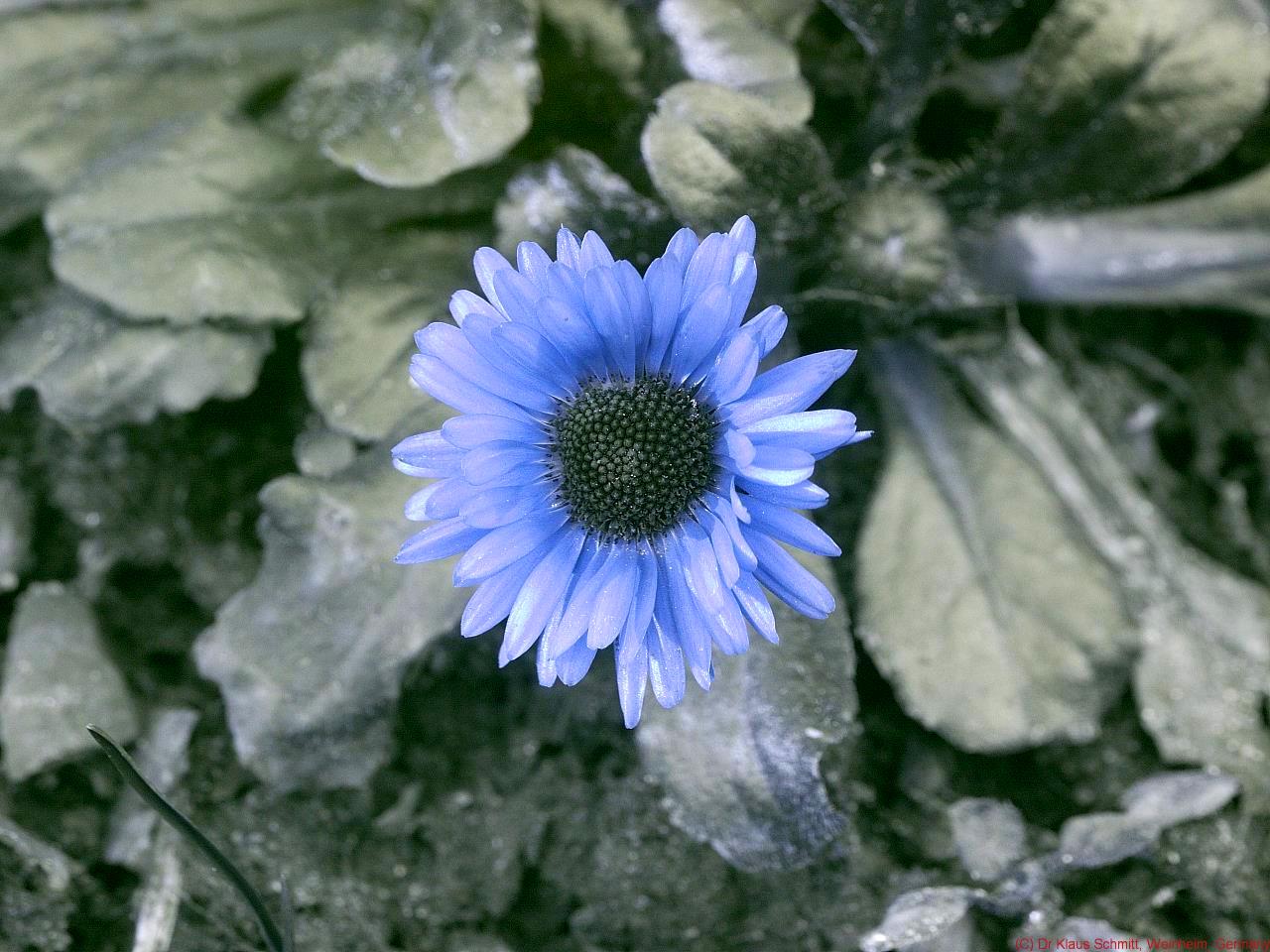
UV image using Baader-U filter (approx. 320-395nm, effective peak approx. 375nm):
 

UV image using Schott filter stack (approx. 320-400nm, effective peak approx. 375nm) but showing some bluish leak which the Baader filter does not have :
 

VIS-IR image using no filter:
 

*** Winter Aconite ***

Visible light image:
 

UV image using Baader-U filter (approx. 320-395nm, effective peak approx. 375nm):
 

UV image using Schott filter stack (approx. 320-400nm, effective peak approx. 375nm) but showing some bluish leak which the Baader filter does not have:
 

VIS-IR image using no filter:
 

So, I hope you enjoy seeing some early spring flowers!


Stay tuned, more will follow on that fascinating subject...

More info on this very interesting field may be found on my site http://www.pbase.com/kds315/uv_photos