Friday, August 3, 2018

Shiny Coneflower - Rudbeckia nitida in reflected ultraviolet photography and simulated bee and butterfly vision

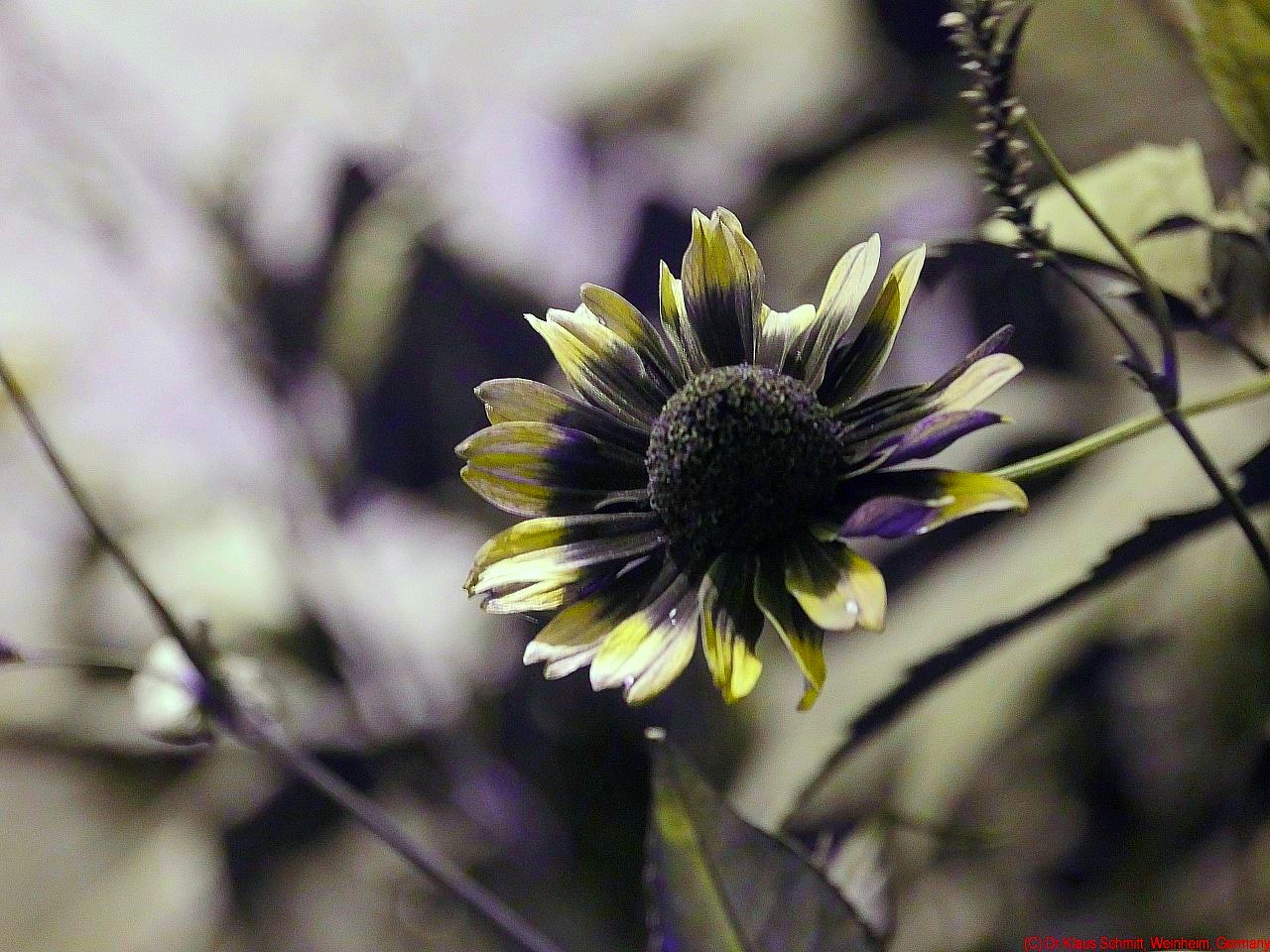
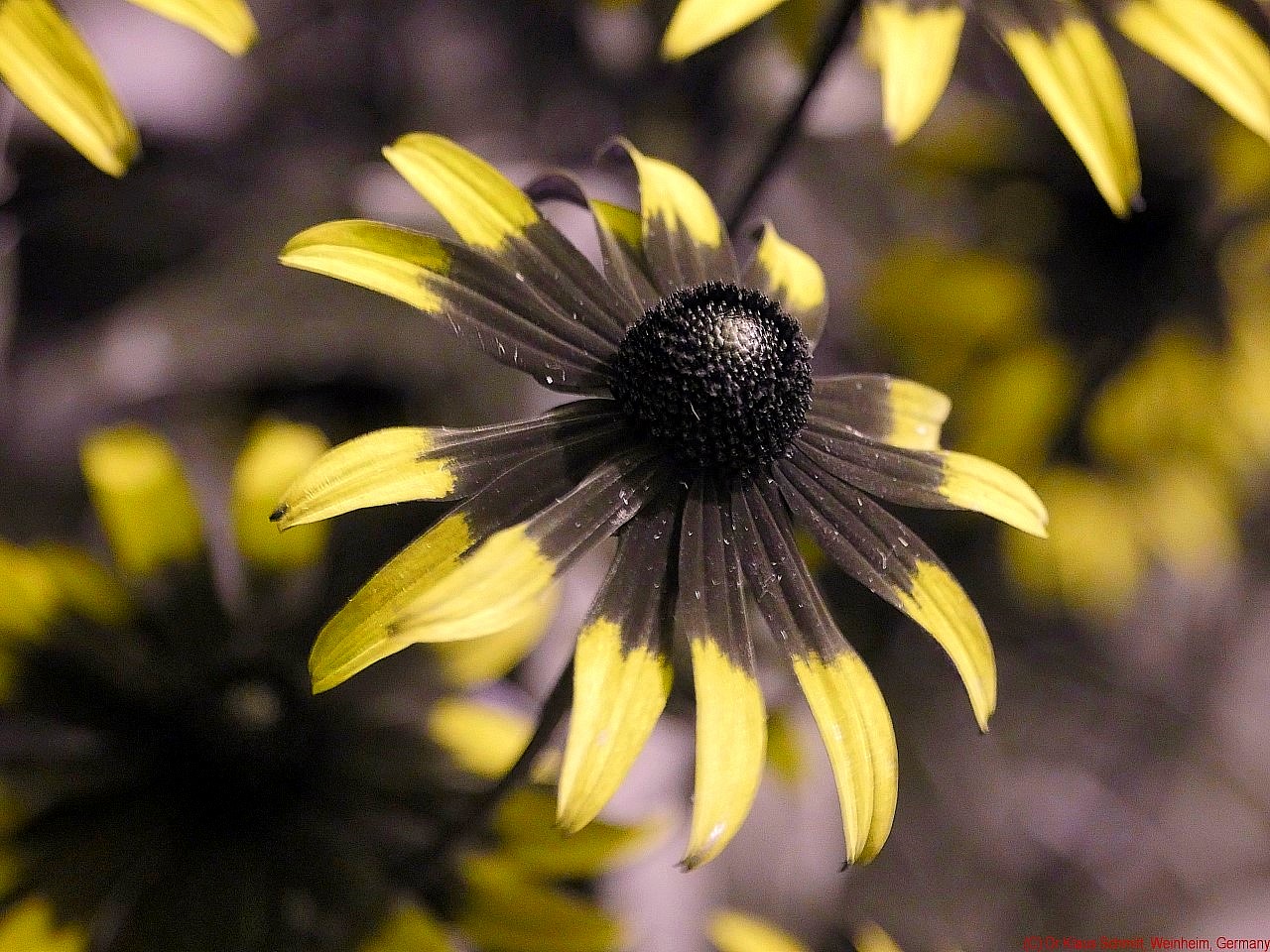
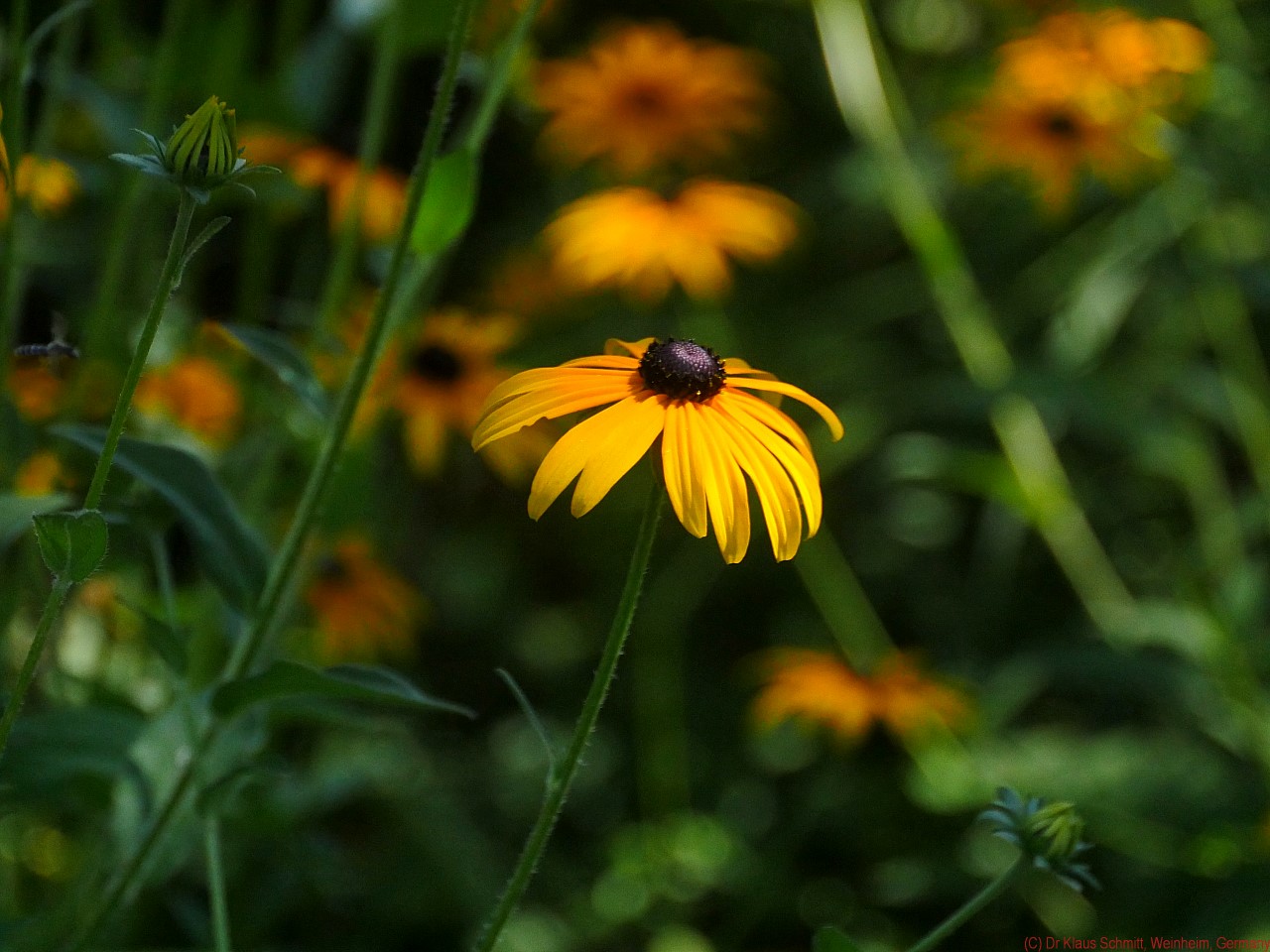
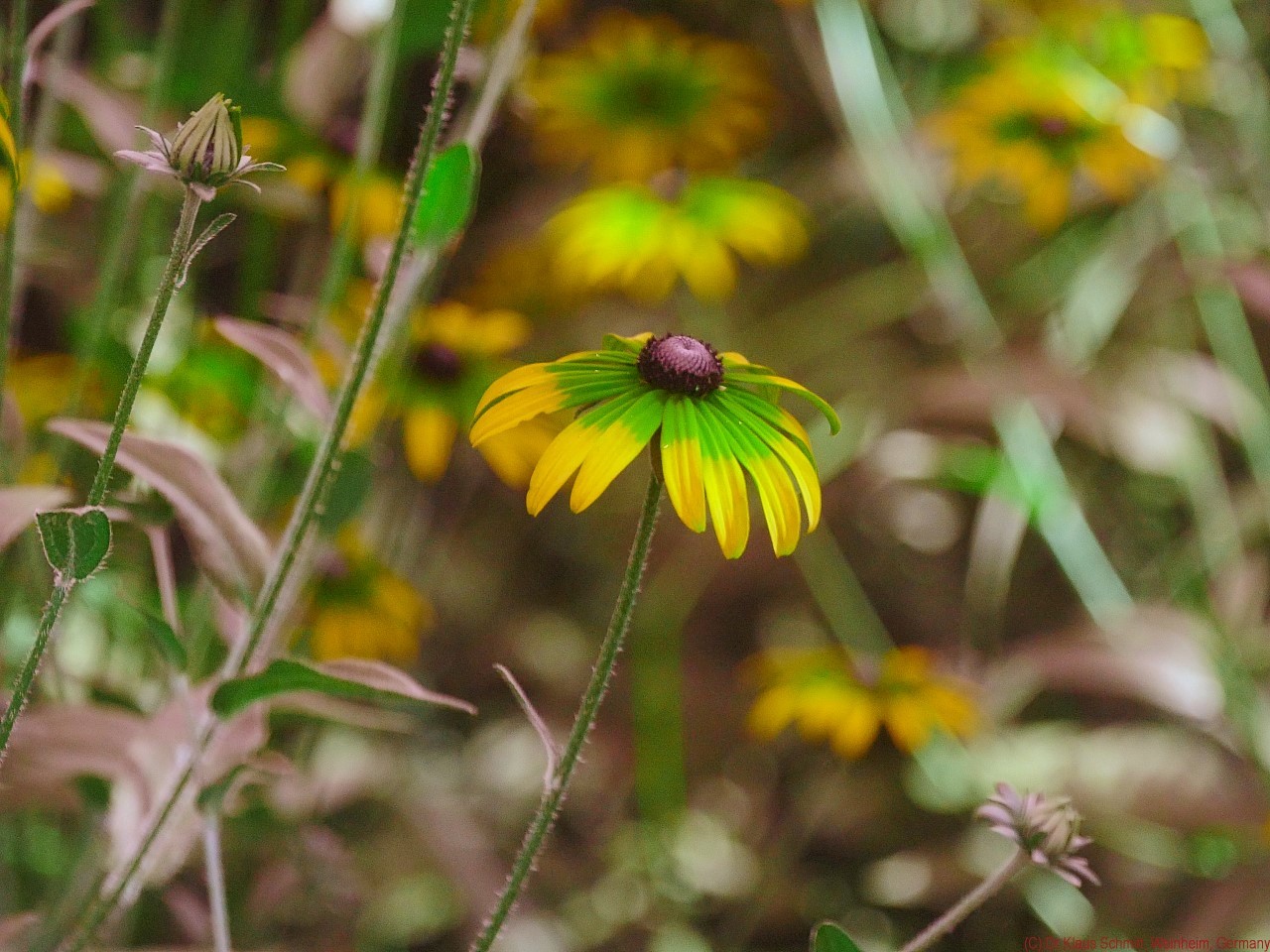
Today about another "UV-flower" Shiny Coneflower - Rudbeckia nitida in reflected ultraviolet photography and simulated bee and butterfly vision. All shots were done at f5.6 in reflected ultraviolet photography using my "work horse" UV filter, the Baader-U filter, as well as my XBV filters for simulated bee and butterfly vision. Lens was a UV-Nikkor 105mm quartz fluorite lens. Light source was sunlight.

[click on image to see a larger one]

Human vision:
 

Reflected UV:
 

Simulated butterfly vision:
 

Simulated bee vision:
 

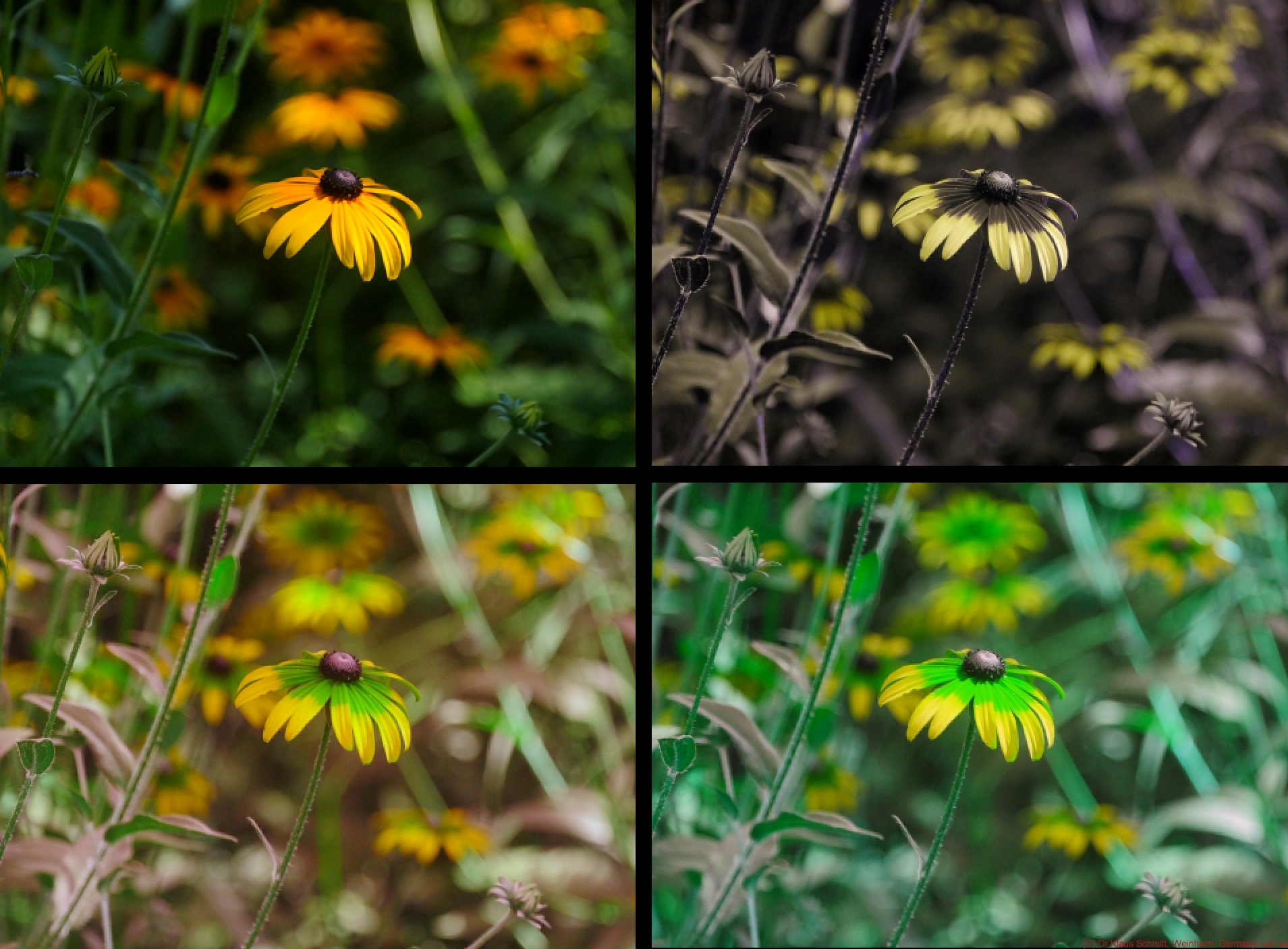
Quadriptych of human vision, UV, simulated butterfly and bee vision (left to right, top to bottom):
 

Those very tall (over 2 meters / 7ft) Shiny Coneflowers have a distinct UV reflection "bulls eye" pattern, its petals have a quite UV dark center and the outside part is quite UV bright around 365nm and all this gets nicely visible, also in simulated bee and butterfly vision.

I have written about that flower before HERE
 
Stay tuned, more will follow on that fascinating subject...

More info on this very interesting field may be found on my site http://www.pbase.com/kds315/uv_photos

Brown-Eyed-Susan - Rudbeckia triloba in reflected ultraviolet photography and simulated bee and butterfly vision

Today about another "UV-flower" Brown-Eyed-Susan - Rudbeckia triloba in reflected ultraviolet photography and simulated bee and butterfly vision. All shots were done at f5.6 in reflected ultraviolet photography using my "work horse" UV filter, the Baader-U filter, as well as my XBV filters for simulated bee and butterfly vision. Lens was a UV-Nikkor 105mm quartz fluorite lens. Light source was sunlight.

[click on image to see a larger one]

Human vision:
 

Reflected UV:
 

Simulated butterfly vision:
 

Simulated bee vision:
 

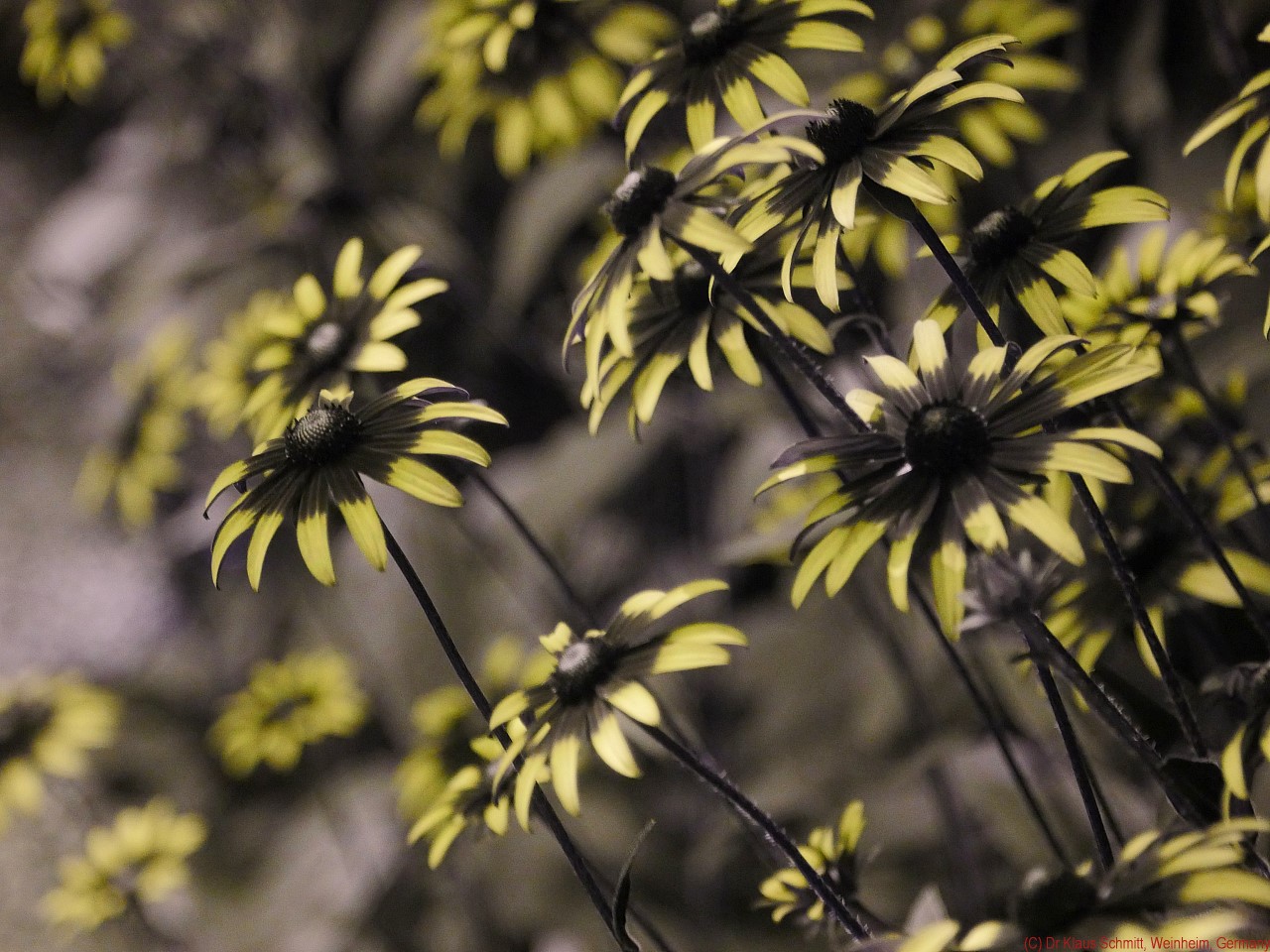
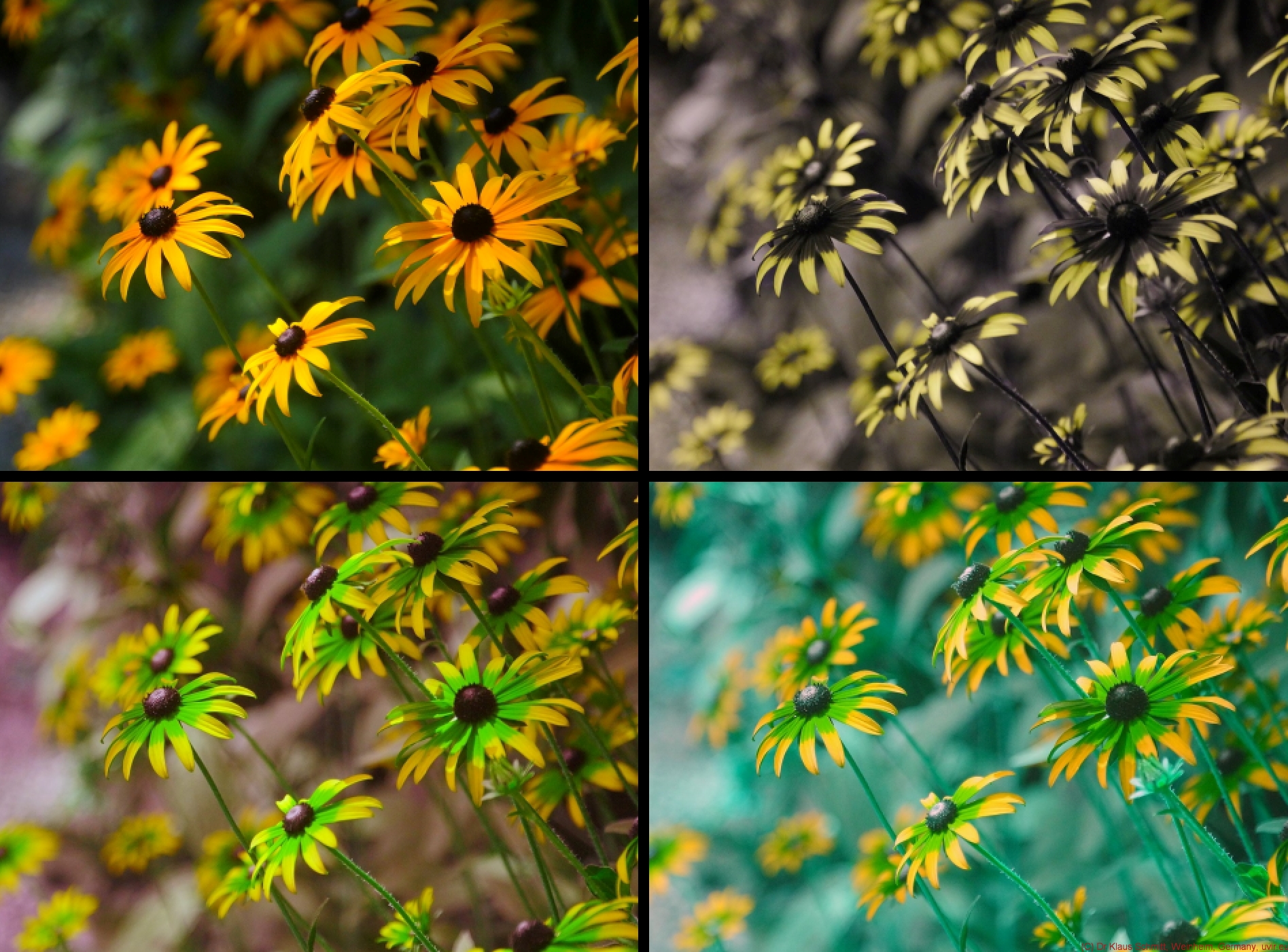
Quadriptych of human vision, UV, simulated butterfly and bee vision (left to right, top to bottom):
 

Black-Eyed-Susans have a distinct UV reflection "bulls eye" pattern, its petals have a quite UV dark center and the outside part is quite UV bright around 365nm and all this gets nicely visible, also in simulated bee and butterfly vision.

I have written about that flower before HERE
 
Stay tuned, more will follow on that fascinating subject...

More info on this very interesting field may be found on my site http://www.pbase.com/kds315/uv_photos

Thursday, August 2, 2018

Jerusalem artichoke - Helianthus tuberosus in reflected ultraviolet photography and simulated bee and butterfly vision

Today shots of a lesser known "UV-flower" Jerusalem artichoke - Helianthus tuberosus in reflected ultraviolet photography and simulated bee and butterfly vision. All shots were done at f5.6 in reflected ultraviolet photography using my "work horse" UV filter, the Baader-U filter, as well as my XBV filters for simulated bee and butterfly vision. Lens was a UV-Nikkor 105mm quartz fluorite lens. Light source was sunlight.

[click on image to see a larger one]

Human vision:
 

Reflected UV:
 

Simulated butterfly vision:
 

Simulated bee vision:
 

Quadriptych of human vision, UV, simulated butterfly and bee vision (left to right, top to bottom):
 

This attractive flower has a specific UV "bulls eye" pattern, its petals and its center are UV dark, the flower outer petals are UV bright (around 365nm), all invisible to us humans and all this gets nicely visible, also in simulated bee and butterfly vision.

I have written about that flower before HERE
 
Stay tuned, more will follow on that fascinating subject...

More info on this very interesting field may be found on my site http://www.pbase.com/kds315/uv_photos

Black-Eyed-Susan - Rudbeckia fulgida in reflected ultraviolet photography and simulated bee and butterfly vision III

Today even more shots of that famous "UV-flower" Black-Eyed-Susan - Rudbeckia fulgida in reflected ultraviolet photography and simulated bee and butterfly vision. All shots were done at f5.6 in reflected ultraviolet photography using my "work horse" UV filter, the Baader-U filter, as well as my XBV filters for simulated bee and butterfly vision. Lens was a UV-Nikkor 105mm quartz fluorite lens. Light source was sunlight.

[click on image to see a larger one]

Human vision:
 

Reflected UV:
 

Simulated butterfly vision:
 

Simulated bee vision:
 

Quadriptych of human vision, UV, simulated butterfly and bee vision (left to right, top to bottom):
 

Black-Eyed-Susans have a distinct UV reflection "bulls eye" pattern, its petals have a quite UV dark center and the outside part is quite UV bright around 365nm and all this gets nicely visible, also in simulated bee and butterfly vision.

I have written about that flower before HERE
 
Stay tuned, more will follow on that fascinating subject...

More info on this very interesting field may be found on my site http://www.pbase.com/kds315/uv_photos

Black-Eyed-Susan - Rudbeckia fulgida in reflected ultraviolet photography and simulated bee and butterfly vision II

Today more shots of a famous "UV-flower" Black-Eyed-Susan - Rudbeckia fulgida in reflected ultraviolet photography and simulated bee and butterfly vision. All shots were done at f5.6 in reflected ultraviolet photography using my "work horse" UV filter, the Baader-U filter, as well as my XBV filters for simulated bee and butterfly vision. Lens was a UV-Nikkor 105mm quartz fluorite lens. Light source was sunlight.

[click on image to see a larger one]

Human vision:
 

Reflected UV:
 

Simulated butterfly vision:
 

Simulated bee vision:
 

Quadriptych of human vision, UV, simulated butterfly and bee vision (left to right, top to bottom):
 

Black-Eyed-Susans have a distinct UV reflection "bulls eye" pattern, its petals have a quite UV dark center and the outside part is quite UV bright around 365nm and all this gets nicely visible, also in simulated bee and butterfly vision.

I have written about that flower before HERE
 
Stay tuned, more will follow on that fascinating subject...

More info on this very interesting field may be found on my site http://www.pbase.com/kds315/uv_photos

Black-Eyed-Susan - Rudbeckia fulgida in reflected ultraviolet photography and simulated bee and butterfly vision

Today shots of a famous "UV-flower" Black-Eyed-Susan - Rudbeckia fulgida in reflected ultraviolet photography and simulated bee and butterfly vision. All shots were done at f5.6 in reflected ultraviolet photography using my "work horse" UV filter, the Baader-U filter, as well as my XBV filters for simulated bee and butterfly vision. Lens was a UV-Nikkor 105mm quartz fluorite lens. Light source was sunlight.

[click on image to see a larger one]

Human vision:
 

Reflected UV:
 

Simulated butterfly vision:
 

Simulated bee vision:
 

Quadriptych of human vision, UV, simulated butterfly and bee vision (left to right, top to bottom):
 

Black-Eyed-Susans have a distinct UV reflection "bulls eye" pattern, its petals have a quite UV dark center and the outside part is quite UV bright around 365nm and all this gets nicely visible, also in simulated bee and butterfly vision.

I have written about that flower before HERE
 
Stay tuned, more will follow on that fascinating subject...

More info on this very interesting field may be found on my site http://www.pbase.com/kds315/uv_photos

Thursday, July 19, 2018

Greenpower butterfly exhibit, Kowloon Park, Hong Kong II

Today more about an organization in Hong Kong, GREENPOWER a charitable institution, which I have supported with my images for an exhibit at Kowloon Park about butterflies. Aside from other environmental issues, they are concerned about Butterflies and would showed children their beauty and importance, but also that they have abilities, we humans don't have, like being able to see ultraviolet light.

[click on image to see a larger one]

Here showing the original images which have been used, a Rudbeckia hirta flower, in a Quadriptych of human vision, UV, and simulated butterfly and bee vision (left to right, top to bottom):
 

This flower shows a very prominent UV bullseye pattern, as its petal tips are very UV bright (around 365nm) to about the middle and its center is very UV dark, and all this gets nicely visible also in simulated bee and butterfly vision.

And here now a few images of that exhibit which I have gotten from the organizers.


I have previously written about butterfly vision HERE

I'm very happy to hear that the exhibit was successful and my kids had learned a bit more about butterflies and their unique abilities!

Stay tuned, more will follow on that fascinating subject...

More info on this very interesting field may be found on my site http://www.pbase.com/kds315/uv_photos