Thursday, December 30, 2010

Easy way to test for focus shift

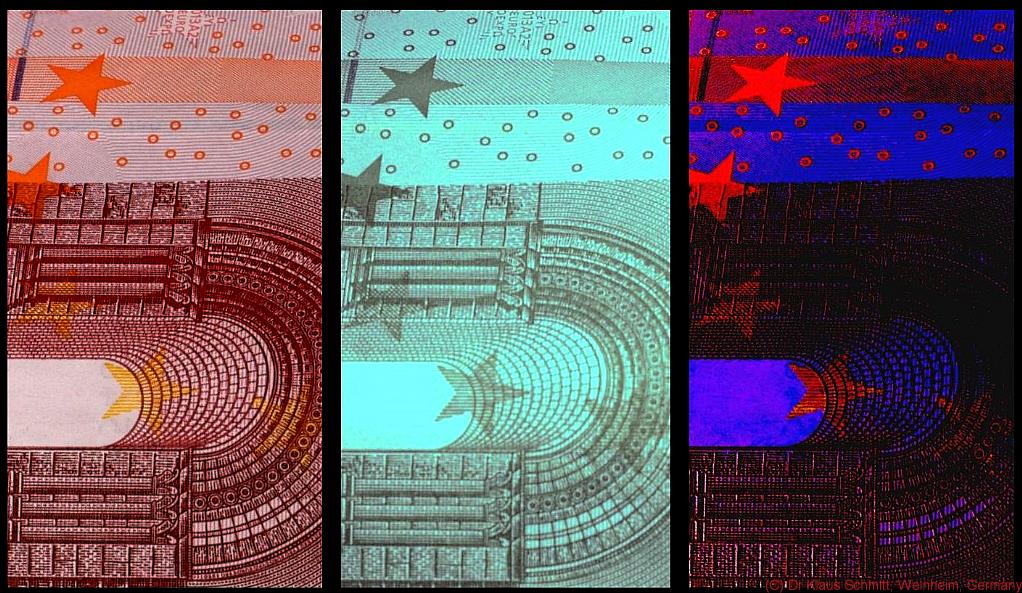
Well, sometimes it would be interesting to know if there is focus shift for a certain lens. I usually take parts of my calipher and shoot it in VIS and UV and look at the differential. If you don't have something the like handy, a bank note seems to also work well...

This here proves that the well known Noflexar 35mm has hardly any focus shift.

VIS, UV, VIS-UV shot of a 10 EURO bank note at an about 30 degree angle.

[click on image to see a larger one]


Here now an example of a 35mm lens which is quite capable in terms of UV transmission, but shows quite some focus shift:


Stay tuned, more will follow on that fascinating subject...

More info on this very interesting field may be found on my site http://www.pbase.com/kds315/uv_photos

Sunday, December 12, 2010

BBC Science Interview on Bees and their UV Vision

Interesting interview of BBC Sciene & Environment on bees and their ability to see UV.
The cover photo has been done by me for a previous publication with my colleague Prof. Lars Chittka.

Also FReD - the Floral Reflectance Datase is being mentioned. It allows researchers to analyse flowers and their reflectance found in different locations of the world. 

Example:


(c) FReD

Stay tuned, more will follow on that fascinating subject...

More info on this very interesting field may be found on my site http://www.pbase.com/kds315/uv_photos

Thursday, December 9, 2010

Ultraslim helicoid allows infinity focus

This is about an ultra-slim, deeply recessed helicoid, which solves the problem of allowing further away focus with some lenses (mostly enlarger lenses) suitable for UV photography. I have developed a working prototype now. [If you need to find out how to determine the length of such a helicoid, please read that first]

It allows lenses up to about 50mm diameter to be deeply seated into that mount (including that later plastic EL-Nikkors if not thicker than 50mm!) and if their rear lens element is not thicker than 38mm in diameter. Some lenses may not clear the mirror, that has not been fully tested out yet (and I don't have all possible lenses to do so).

The effective thickness flange-to-flange (= optical path length) of that helicoid is 5.4mm (minimum extension) resp. 10.3mm (maximum extension) now.

The achievable VIS focus ranges are (subject to change), sensor-to-object (not front of lens!):
1) EL-Nikkor 3.5/63mm: 90cm to infinity
2) EL-Nikkor 2.8/50mm: ca. 32cm - 50cm
3) EL-Nikkor 4/40mm: ca. 25cm - 30cm
4) UV-Rodagon 5.6/60mm: 65cm - infinity
5) UV-Planar 4/60mm: 40cm - 60cm
6) Micro-Nikkor 5/70mm: 120cm - infinity
7) Focotar 4.5/50mm: 33cm - 45cm
8) ... more to follow ...

Infinity focus cannot be adjusted exactly to infinity for all lenses, some go beyond, some do not reach infinity at all, depending on lens design and esp. focal length.

minimum extension:


maximum extension:

Just to make things clear: closer focus is always possible using suitable normal helicoids or extension tubes. That was not the issue here. It was about getting such lenses as close as possible to the camera sensor to allow for further away or even infinity focus!


Stay tuned, more will follow on that fascinating subject...

More info on this very interesting field may be found on my site http://www.pbase.com/kds315/uv_photos
Tuesday, December 7, 2010

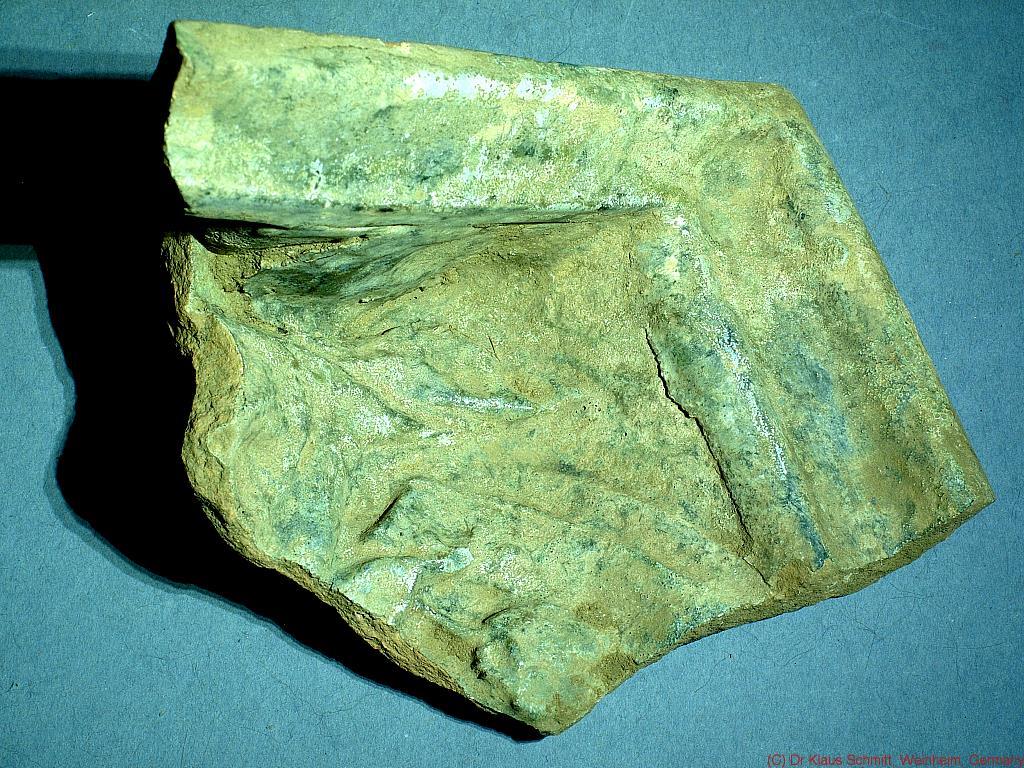
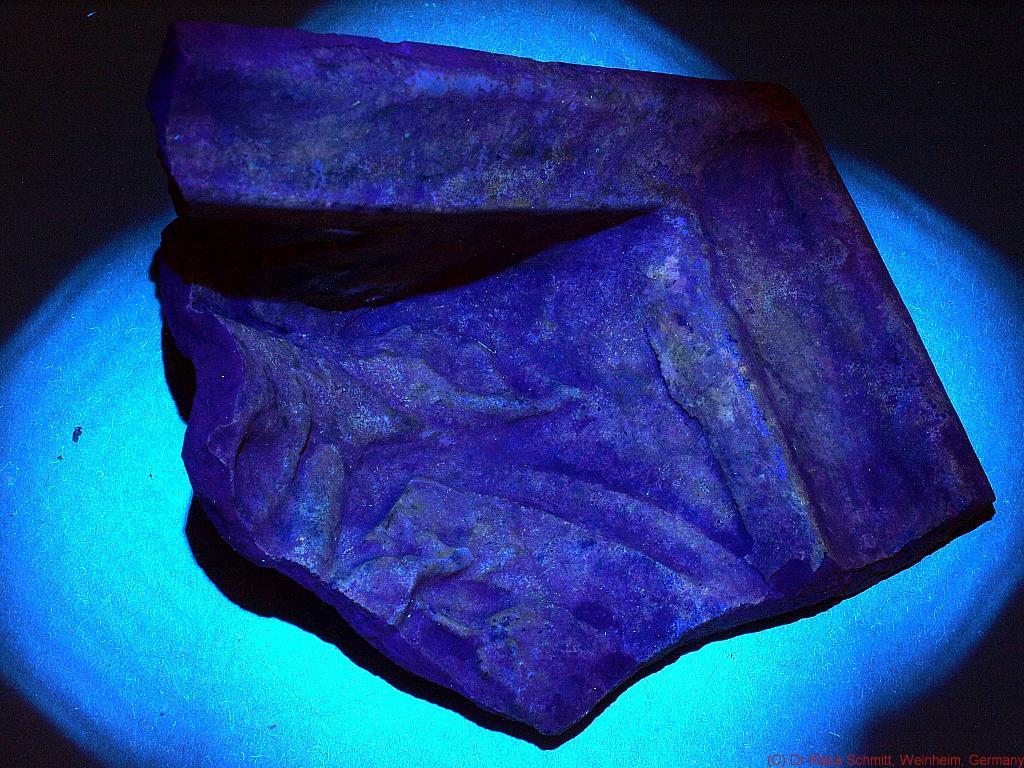
[UV, FL] Roman Artifacts paint / glaze visibility

A study conducted for a friend using some excavated roman artifacts. The idea was to see, if deteriorated paint/lead glacing could be made visible after thousands of years, using these new high powered Nichia 4 dice UV LEDs (365nm + 385nm).

[click on image to see a larger one]

1) Visible light shot: 


2) FL (385nm Nichia UV LED induced visible fluorescence): 


3) FL (365nm Nichia UV LED induced visible fluorescence): 


4) differential 1 - 2 


5) differential 1 - 3 


Interestingly enough, the induced fluorescence was quite different, although the LED emissions are just 20nm apart. A comparison was done to see, if a nearly monochromatic excitation using UV LEDs would provide a different result than a wide band filtered Xenon lamp (300-400nm) excitation, which was not the case (not shown here). 

Stay tuned, more will follow on that fascinating subject...

More info on this very interesting field may be found on my site http://www.pbase.com/kds315/uv_photos
Monday, December 6, 2010

[UV] A surprising lens without UV focus shift II

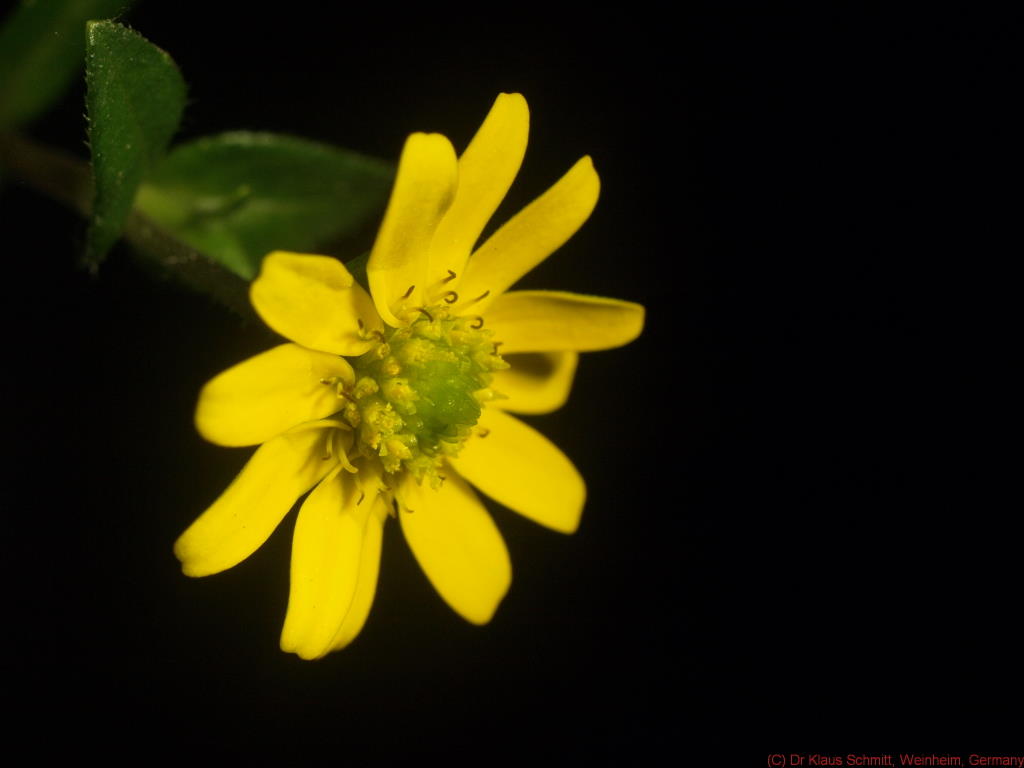
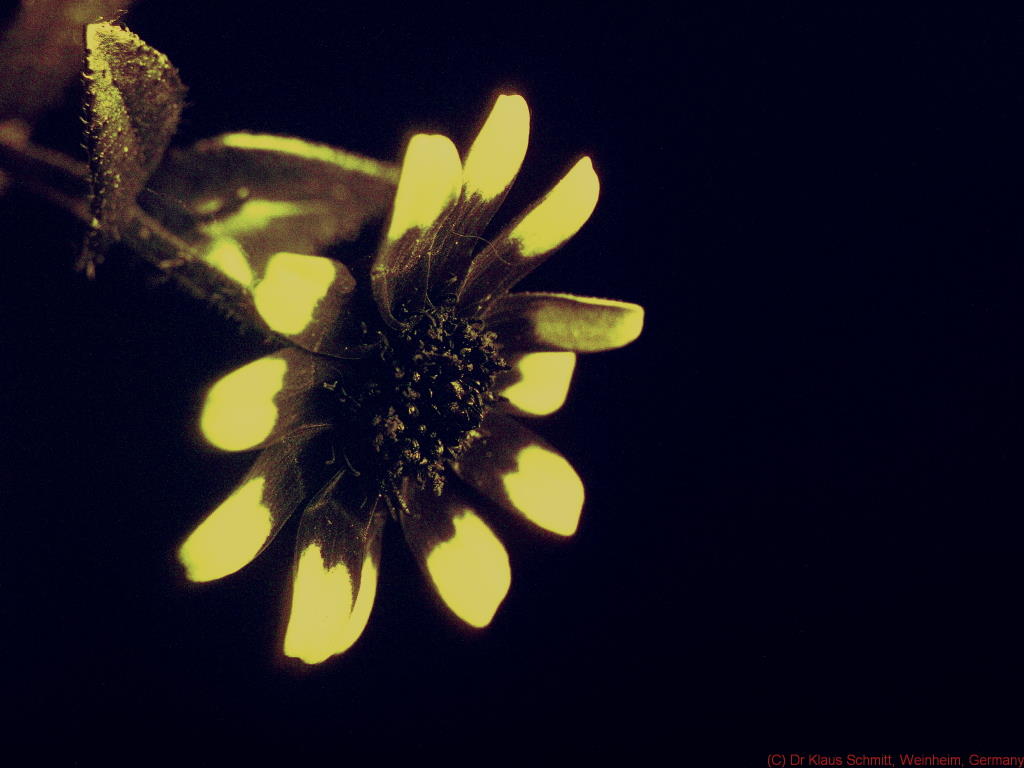
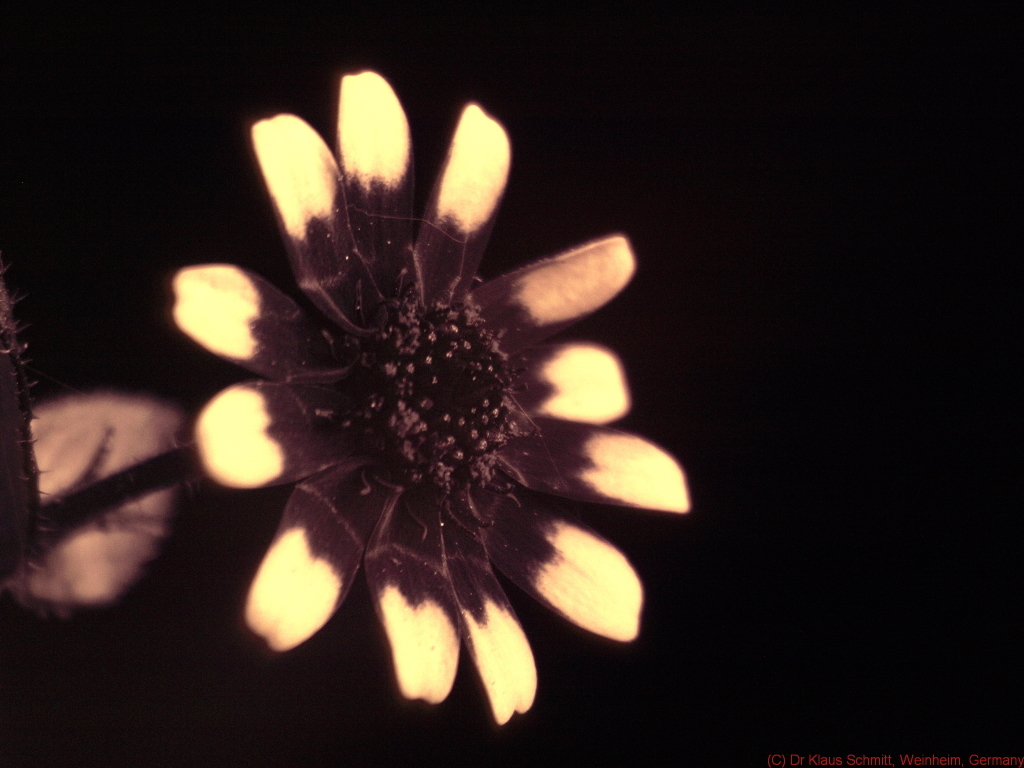
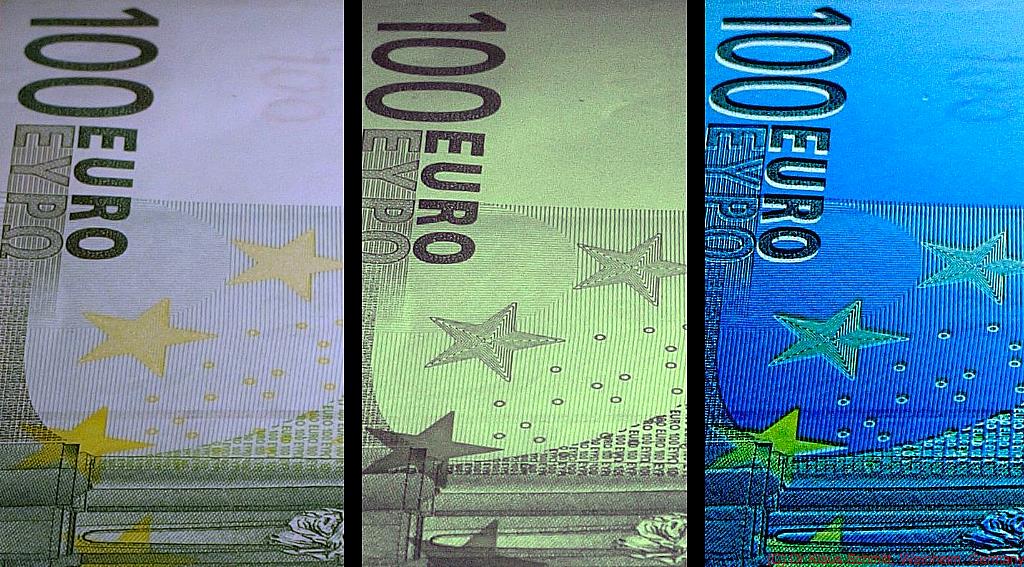
Here a few more tests using Sanvitalia procumbens as a target and these surprising lenses showing no / hardly any focus shift for reflected UV photography.

[click on image to see a larger one]

35mm lens, no focus shift 

visible light shot: 


UV shot (using Baader U-filter and Xenon flash): 


Here tests shots from the same lens maker, but f=85mm with some 0.5mm focus shift:

visible light shot: 


UV shot (using Baader U-filter and Xenon flash): 


There seems to be a family of these lenses having high UV transmission, I have identified three by now, but only one has nearly no focus shift. Have a look at the high UV transmissions these lenses have:

pink: Noflexar 35mm lens, magenta: that newly found 35mm lens:


and here the group of these three newly identified lenses: 


Stay tuned, more will follow on that fascinating subject...

More info on this very interesting field may be found on my site http://www.pbase.com/kds315/uv_photos

Wednesday, November 17, 2010

Aster hybride meets Noflexar 35mm lens

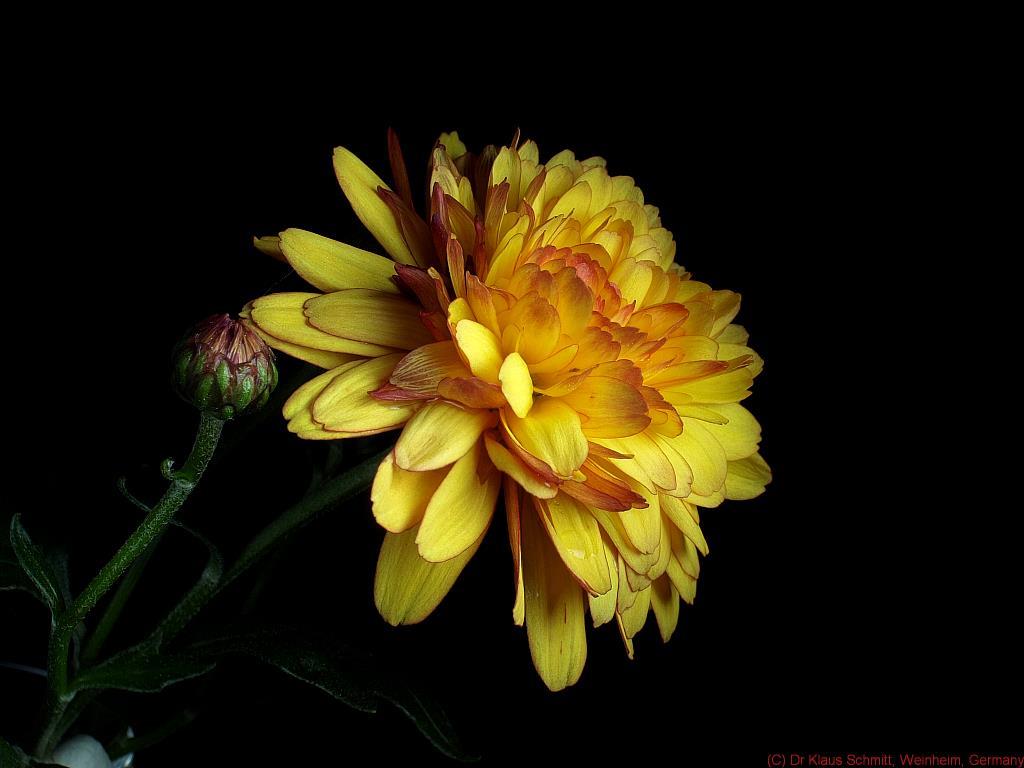
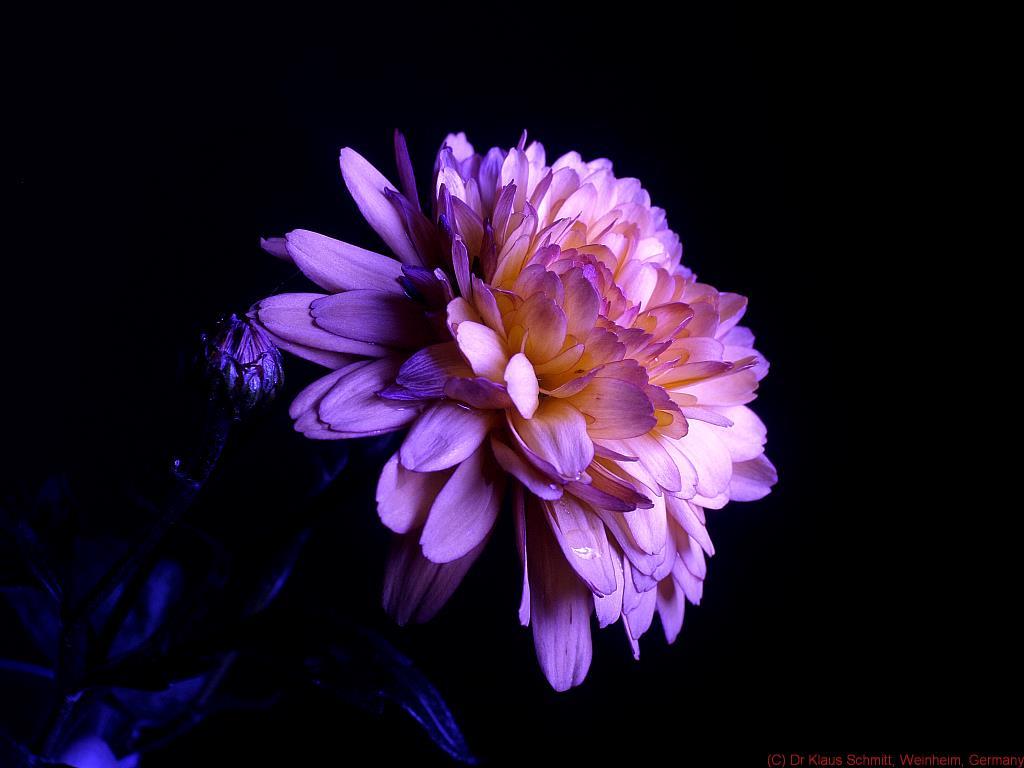
Today few shots of an Aster hybride using the Noflexar 3.5/35mm lens and various filters.
No noticeable patterns, as expected though.

[click on image to see a larger one]

visible light shot: 


UV shot (using Baader U-filter and Xenon flash): 


Butterfly vision shot (using my XBV2 filter): 


UV induced visible flourescence shot (using Baader UV/IR Cut filter and Nichia 365nm UV light): 


As boring as it might look like, this now is quite interesting (to me) as it shows UV induced IR fluorescence. Lights were all Nichia UV LED sources I could get hold of (to make sure not a bit of IR would be present), a B+W 092 cut filter (>65nm) in front of the lens and 30sec exposure in total darkness:


With the naked (but UV protected!!) eye quite a bit deep red fluorescence gets visible, but hard to ban that on a photo....

Same experiment but using a dark orange filter and same UV lighting setup in darkness (Nichia 4x 365nm LED using a front attached Baader U-filter to block any visible light!):


I have now found a reliable method to professionally infinity convert Noflexar 35mm lenses to Nikon mount - ask me if you need one!

Stay tuned, more will follow on that fascinating subject...

More info on this very interesting field may be found on my site http://www.pbase.com/kds315/uv_photos

Sunday, November 7, 2010

Bidens meets UV-Planar 4/60mm

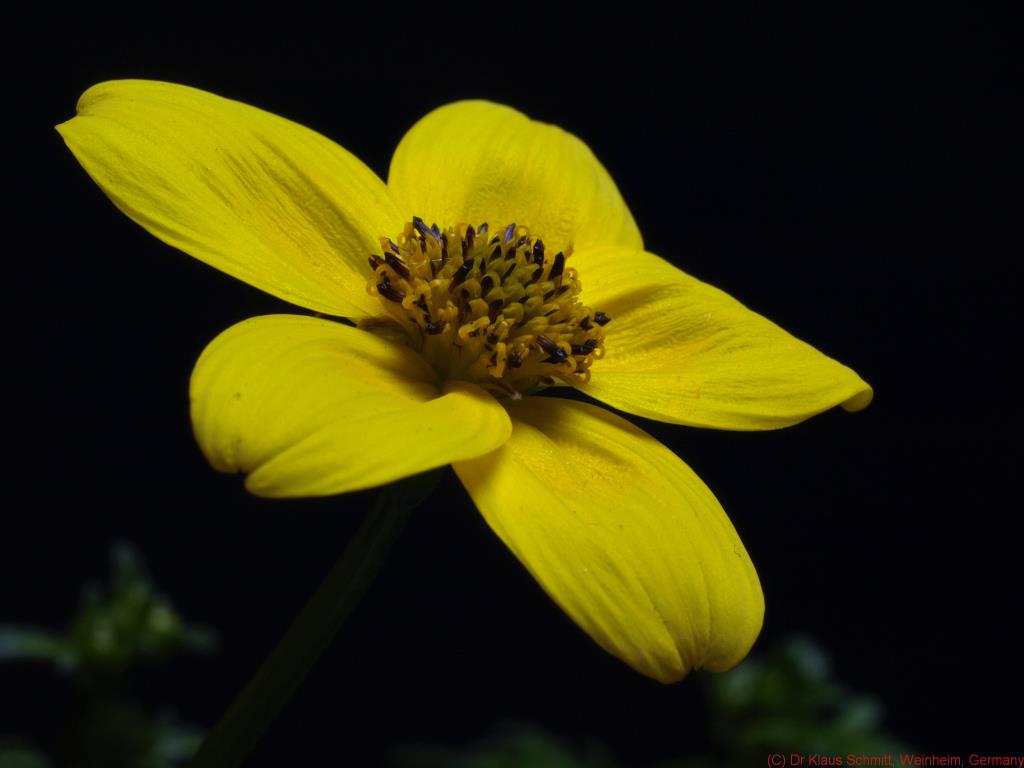
Some Bidens ferulifolia shots today using the famous UV-Planar 4/60mm lens and my proprietary XBV2 butterfly vision mapping filter.

[click on image to see a larger one]

visible light shot: 


butterfly vision shot (simulated, using XBV2 filter): 

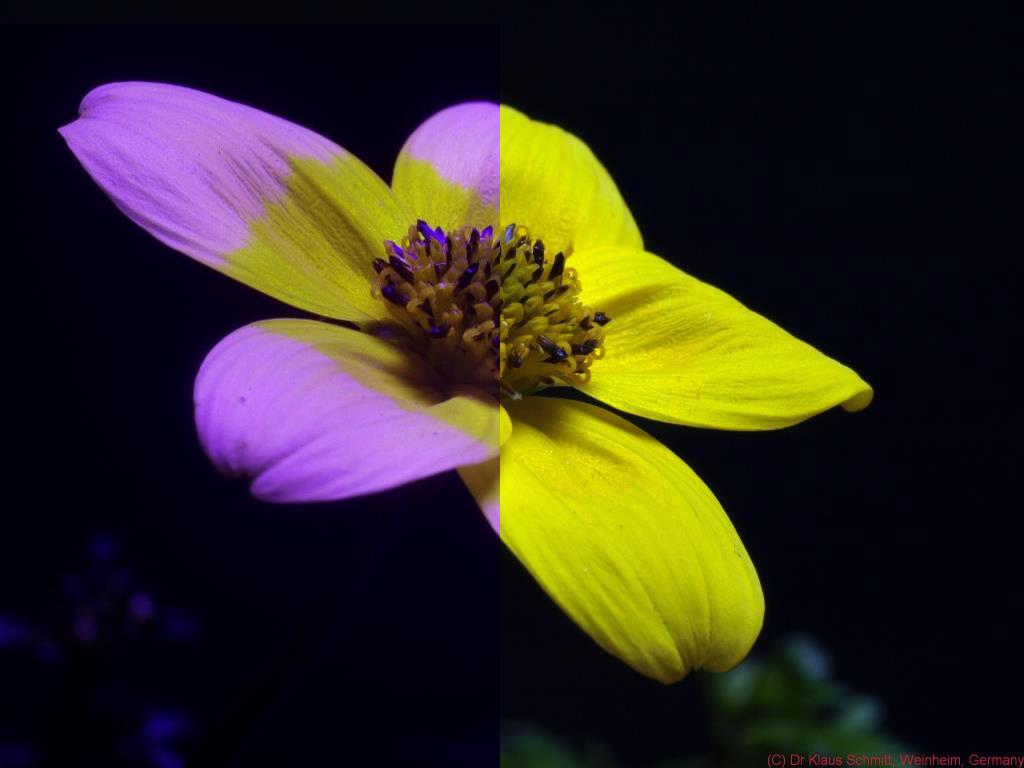
That last image has the ultaviolet image a butterfly (and bee) is able to see, mapped into our human image (blue, green, red) as blue so as to simulate the tetrachromatic butterfly vision.

Here another respresentation showing that side-a-side: 


I'm still amazed about what nature has developed to attract butterflies (and bees) attention!

Stay tuned, more will follow on that fascinating subject...

More info on this very interesting field may be found on my site http://www.pbase.com/kds315/uv_photos