Monday, March 21, 2011

Cerco lens does Perigee Moon UV-VIS-IR

Well on March 19th, the moon was at its Perigee, closest to earth until 2029 and very bright, so I took a few shots using that CERCO 94mm lens here on my BLOG .

[click on image to see a larger one]

UV image:


VIS image:


IR image:
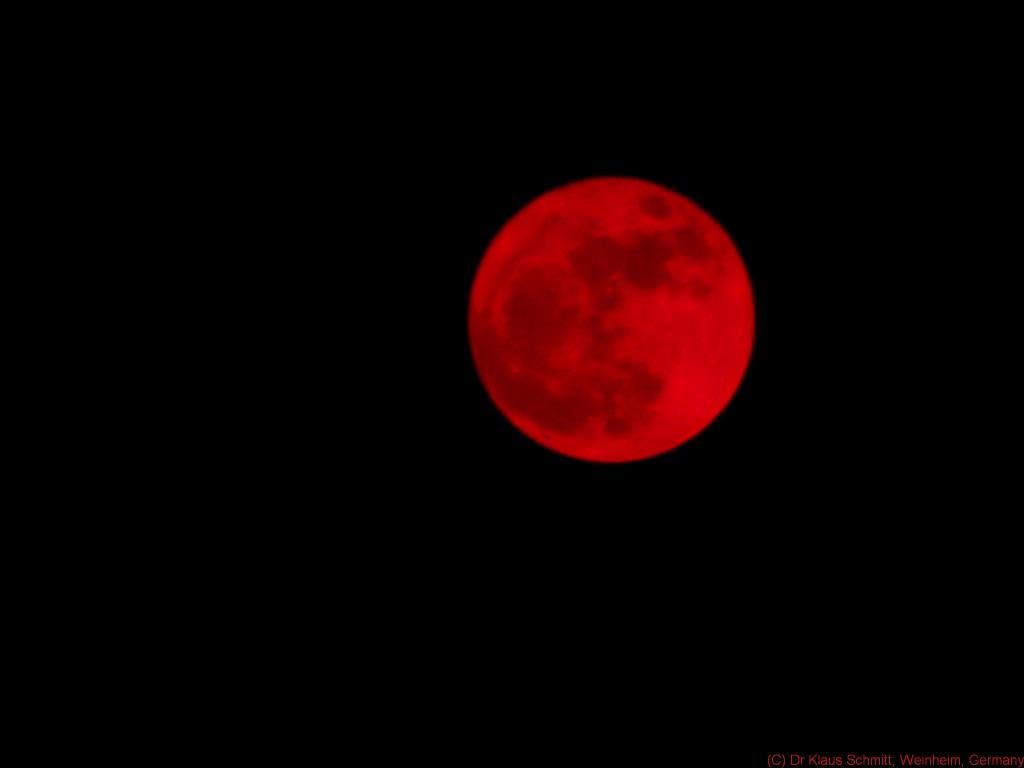

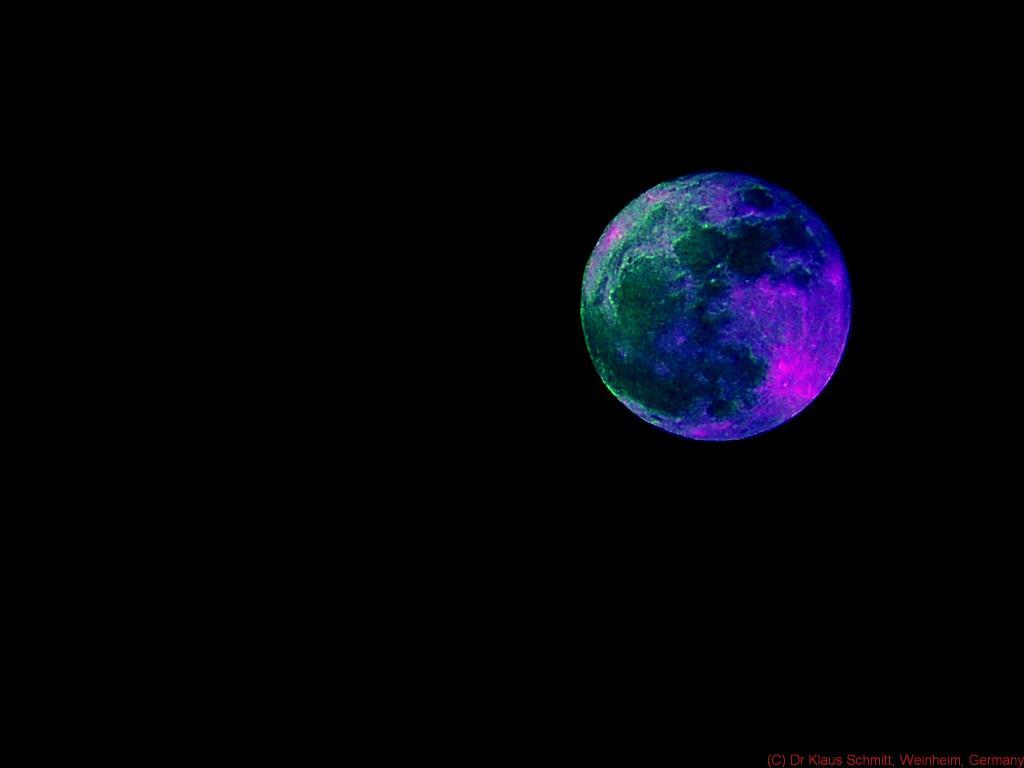
And after some multispectral processing using the images of above, one gets that "false color" image:


NASA and other agencies are using these types of false color images to display results of their satellite imaging.

Some better processing even gives it a more 3D appearance:


Here now a simulation, how an UV-Moon would look like as seen from Earth (Weinheim Castle "Windeck"):

Stay tuned, more will follow on that fascinating subject...

More info on this very interesting field may be found on my site http://www.pbase.com/kds315/uv_photos

Friday, March 11, 2011

CERCO f4.1/94mm VIS lens test

Well, I recently bought that lens made by SODERN in France (type 2085) and had reported about it here on my BLOG . It is no longer available on stock (but on special order from 10 onwards) and has been superseded by the faster 2.8/100mm type 2178. Manufacturer site is linked here.

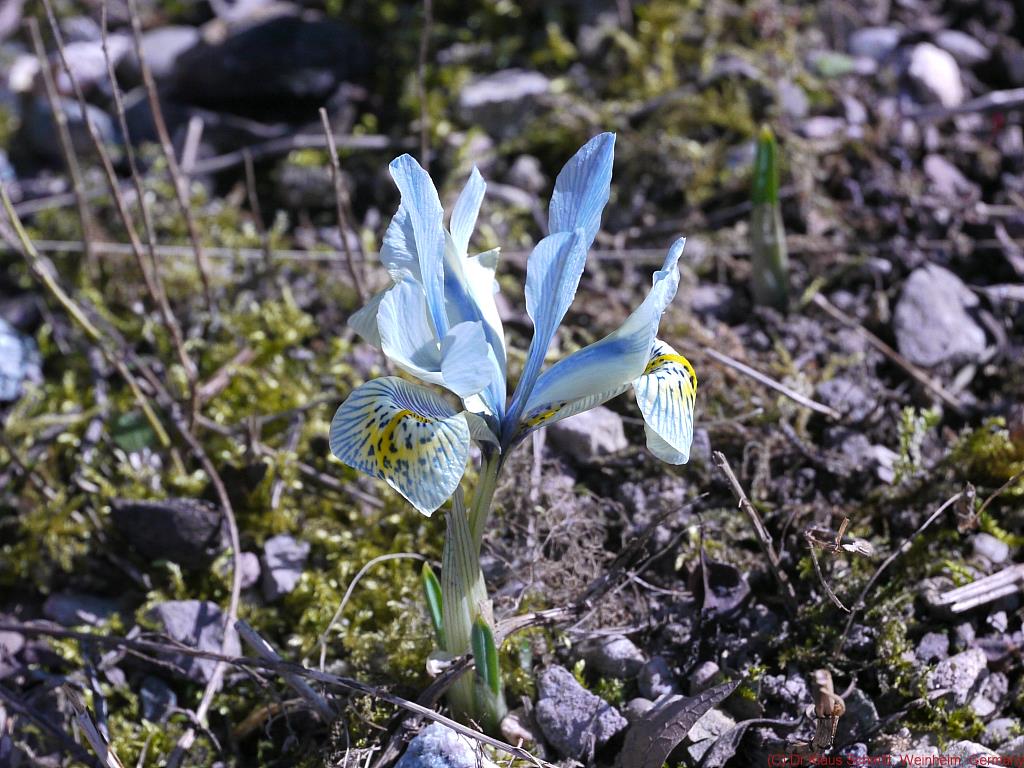
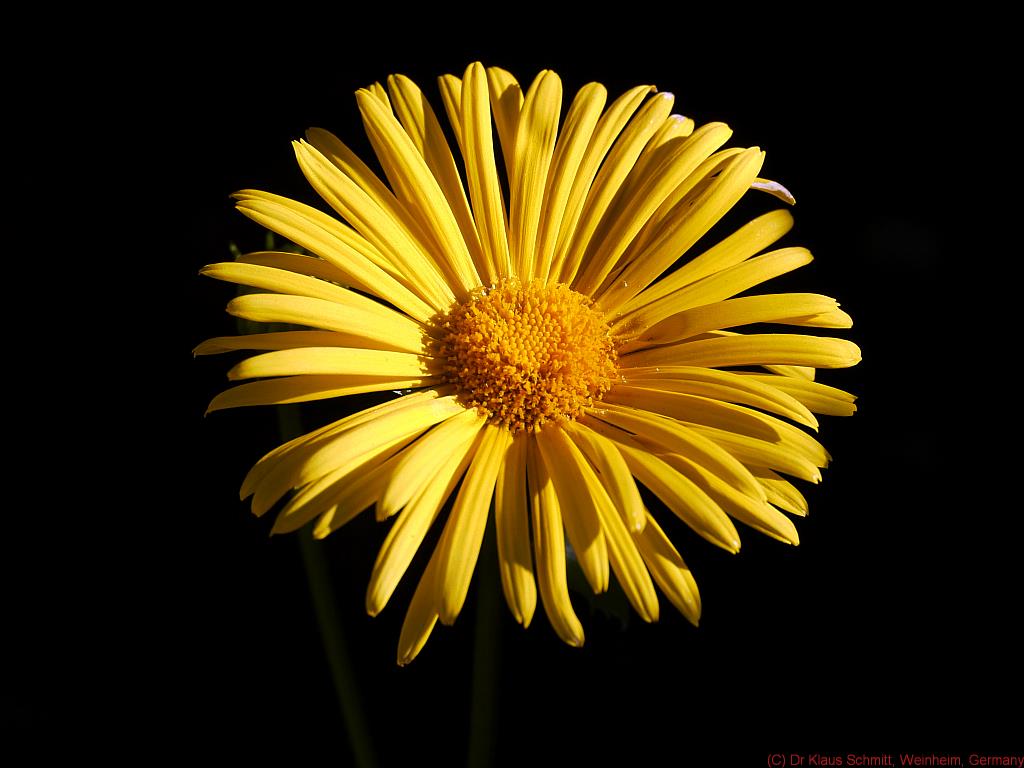
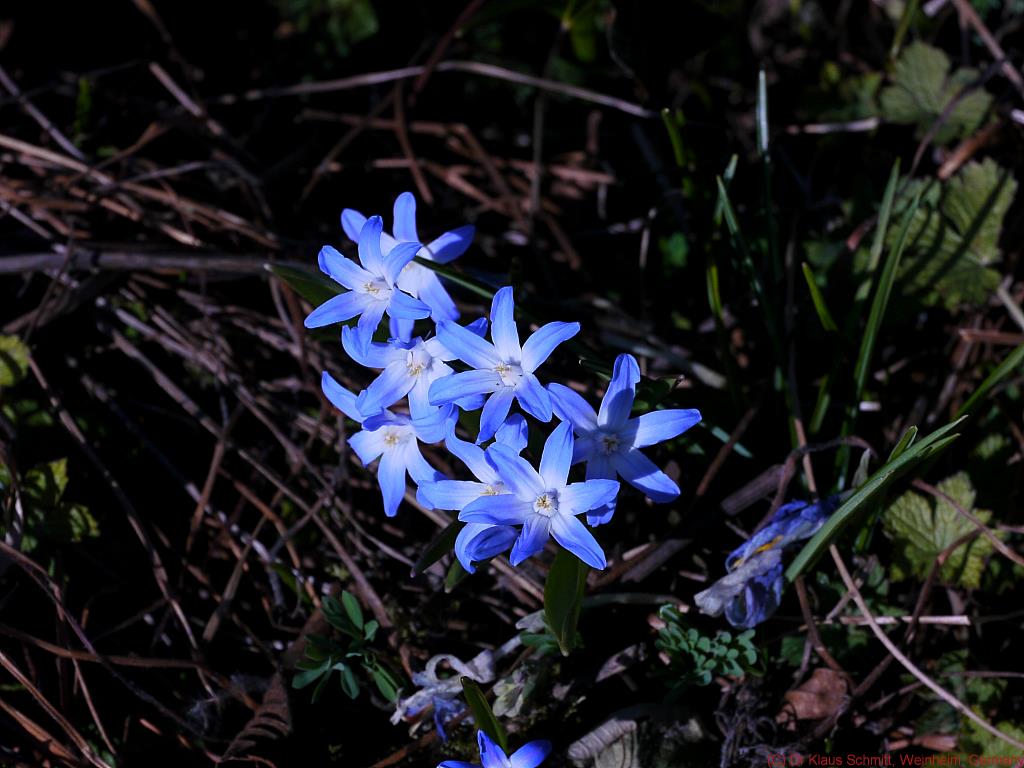
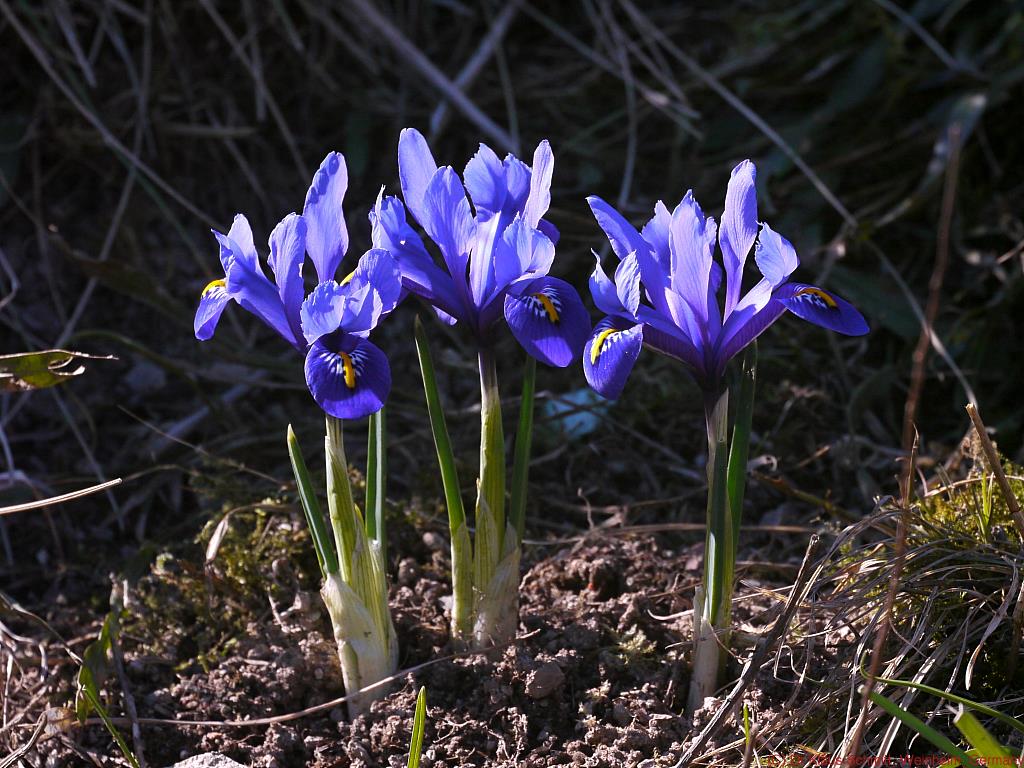
Now a few images of some early flowers taken a few days ago on a cold, but very sunny spring day.

[click on image to see a larger one]


Images are straight from the UV sensitive camera, uncropped. I have used a very deep sunshade and also only stopped down to about f5.6 because of that previously mentioned hotspot when stopping down too much. So under controlled lighting conditions, that lens is a decent performer and shows no hotspot issues for closeup work and also for infinity. Quite nice I have to say.

More testing has to be done of course...


Stay tuned, more will follow on that fascinating subject...

More info on this very interesting field may be found on my site http://www.pbase.com/kds315/uv_photos
Saturday, March 5, 2011

[UV, VIS] Spring Daffodils meet ZEISS UV-Sonnar 105mm

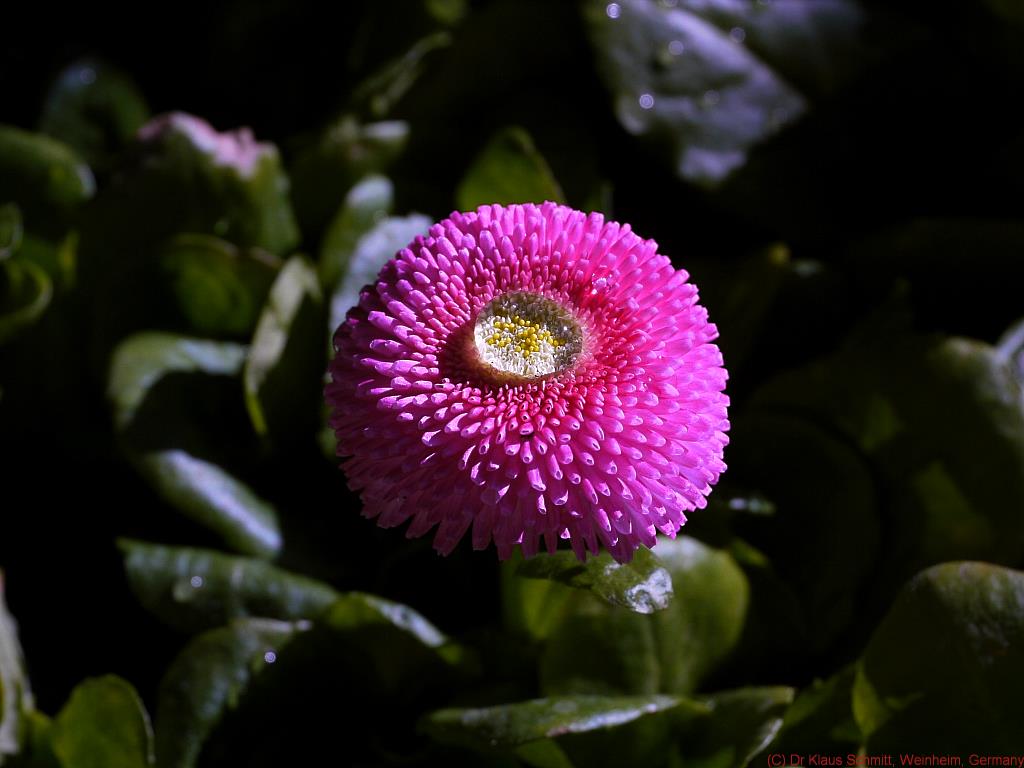
Today some experiments using a ZEISS UV-Sonnar 105mm, Hasselblad 501 C/M body and Phase One digiback. Target were some spring daffodils which had just started to flower.

[click on image to see a larger one]

So here side-a-side the VIS and UV shot:


[that "black" background cardboard I was using was not black in UV]

Not much to see in UV except the lit tips on the petals and the structure on that petal surface which gets visible.


Stay tuned, more will follow on that fascinating subject...

More info on this very interesting field may be found on my site http://www.pbase.com/kds315/uv_photos
Thursday, February 24, 2011

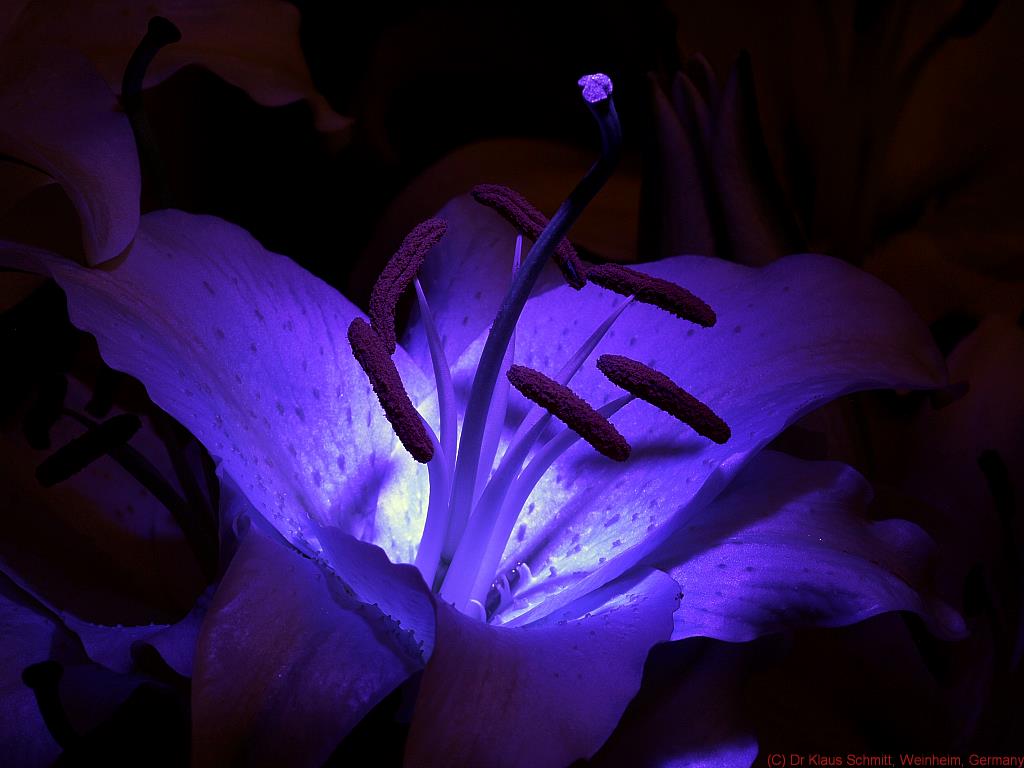
Flourescent Lilly using UV LED torch

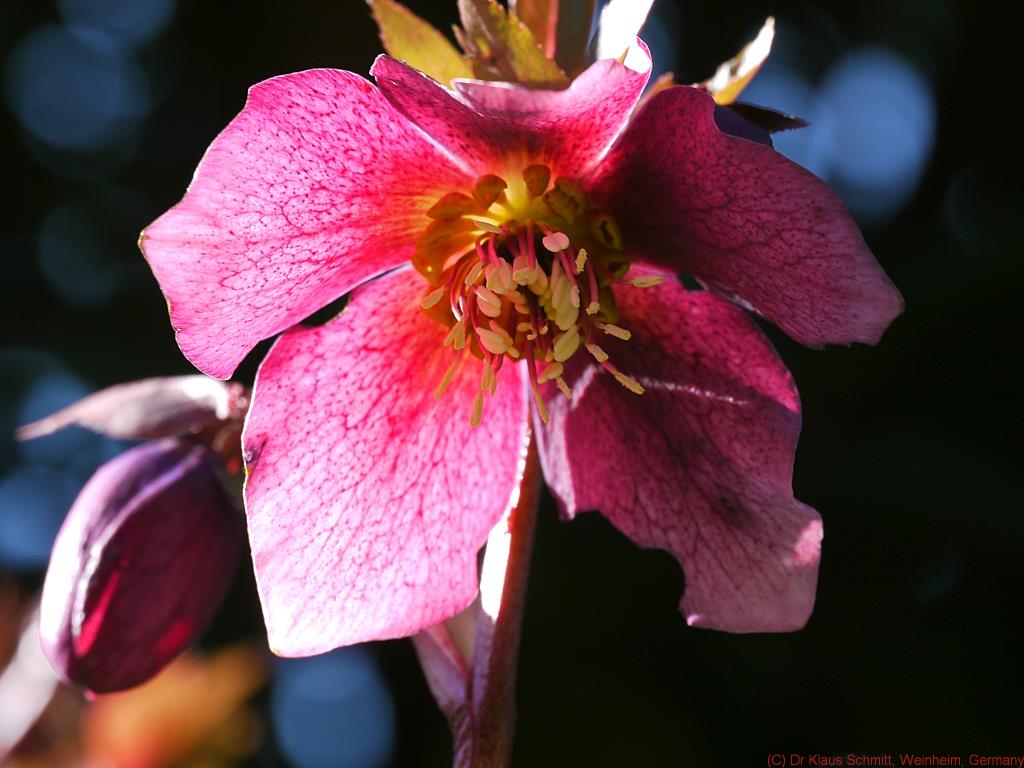
Here a result of some fluorescence study using that wonderful Lilly flower I had used before.

Light source was a UV LED torch.

[click on image to see a larger one]


Stay tuned, more will follow on that fascinating subject...

More info on this very interesting field may be found on my site http://www.pbase.com/kds315/uv_photos
Tuesday, February 22, 2011

[IR ev. UV] Makario found a way to use the D7000 at high ISO

I had reported ealier about that problem that IR and UV images will be spoiled through that built in shutter control unit for modern Nikon DSLRs (D3, D3x, D3s, D700, D7000) here on my BLOG.

Now there is good news on the D7000!

I got the info today that Optic MAKARIO in Germany found a way to modify a Nikon D7000 in such a way, that the spoiling of the image through that built in shutter control IR LED system at high ISO / long exposure times will be suppressed. ISO 800 and 1600 are now possible to use with very good results. The effect still exists but in much lower amounts, so at very long exposure times and very high ISO settings it will still be visible though.

This was tested out good, I was told, for shooting IR and my personal assumption would be, that this can be applied for UV work, too.


Stay tuned, more will follow on that fascinating subject...

P.S.: (as of July 2011) lifepixel.com now offers conversions for D7000 in the US which also overcomes that problem and allows high ISO and long exposure times without fogged images!

More info on this very interesting field may be found on my site http://www.pbase.com/kds315/uv_photos
Monday, February 21, 2011

[UV] Lilly "retro style" using UV-Sonnar 105mm and Polaroid film

Today a leap back in time. Let's dig out the old photo gear and see what could be done with that. Let's go retro!!

So I grabbed my Hasselblad 500C/M, my UV-Sonnar 4.3/105mm, that special Schott UG11 UV transmission filter that came with that rare lens, a Polaroid back and some Polaroid 100 bw film (good till 1987, just "a little" outdated I have to admit). Exposure was ISO80, 1/125, f8 using a 400Ws Xenon flash.

[click on image to see a larger one]


Considering the effort and hit rate, I know now how spoiled I am shooting digital!! Same done digital here.


Stay tuned, more will follow on that fascinating subject...

More info on this very interesting field may be found on my site http://www.pbase.com/kds315/uv_photos
White Lilly - a surprising lens find for UV and VIS w/o focus shift II

Well, a while ago I was doing these "Psychedelic Lilly" test shots here . Prior to that I had taken UV transmission tests of that very interesting lens family, which turned out to be very promising, reaching down to about 320nm (-3EV). Here now more about that.

These macro shots were done at f8, ISO400, 1/160s using Xenon flash, exposure adjusted using flash power control and ND filters. UV shots were done using the Baader-U filter.

[click on image to see a larger one]

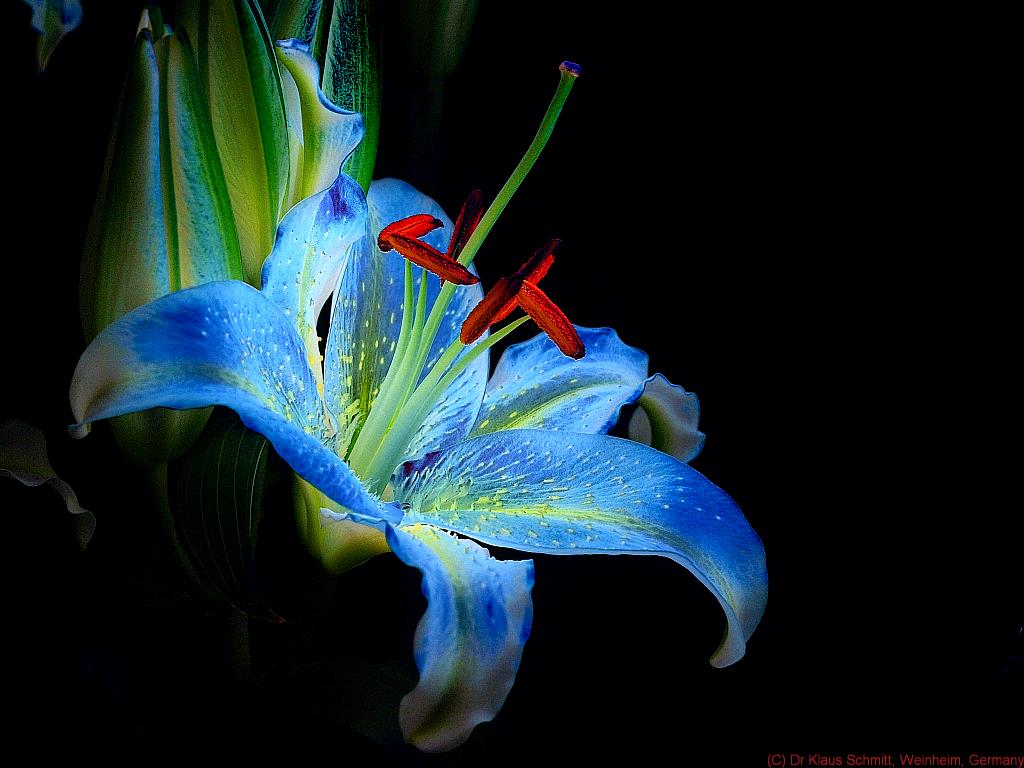
Here now a VIS-UV differential:


Quite a sharp lens with quite good UV transmission and hardly any focus shift, as the two overlaid images nearly perfectly match!

Here the VIS shot:


and the UV shot:


Finally now the VIS-IR differential:


Stay tuned, more will follow on that fascinating subject...

More info on this very interesting field may be found on my site http://www.pbase.com/kds315/uv_photos