Monday, March 26, 2012

[UV] White Clematis in ultraviolet light using a quartz Focal Reducer lens

More shots using my white Clematis hybride I recently got. Here now using that before presented Spectrometer Quartz Fluorite Achromat f4/84mm lens with a 0.42x quartz Focal Reducer lens to make it a f1.7/35mm lens.

[click on image to see a larger one]

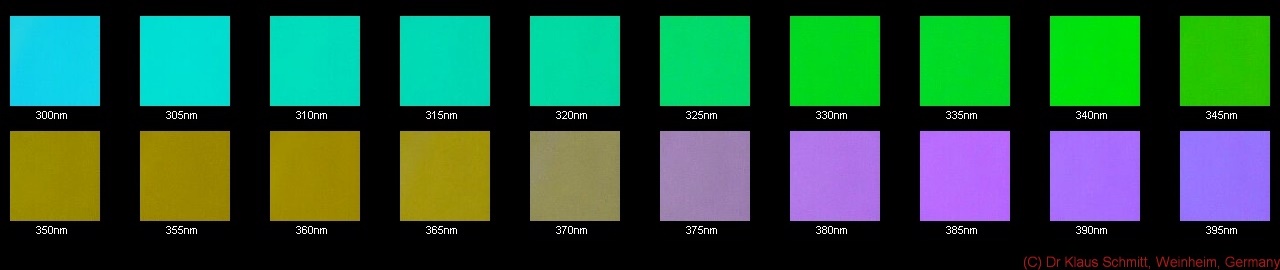
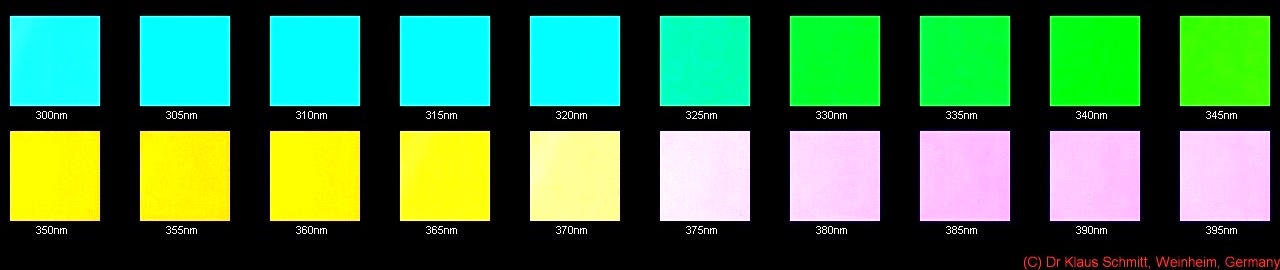
This UV image here also uses my standardized false UV color normal + high intensity palette:


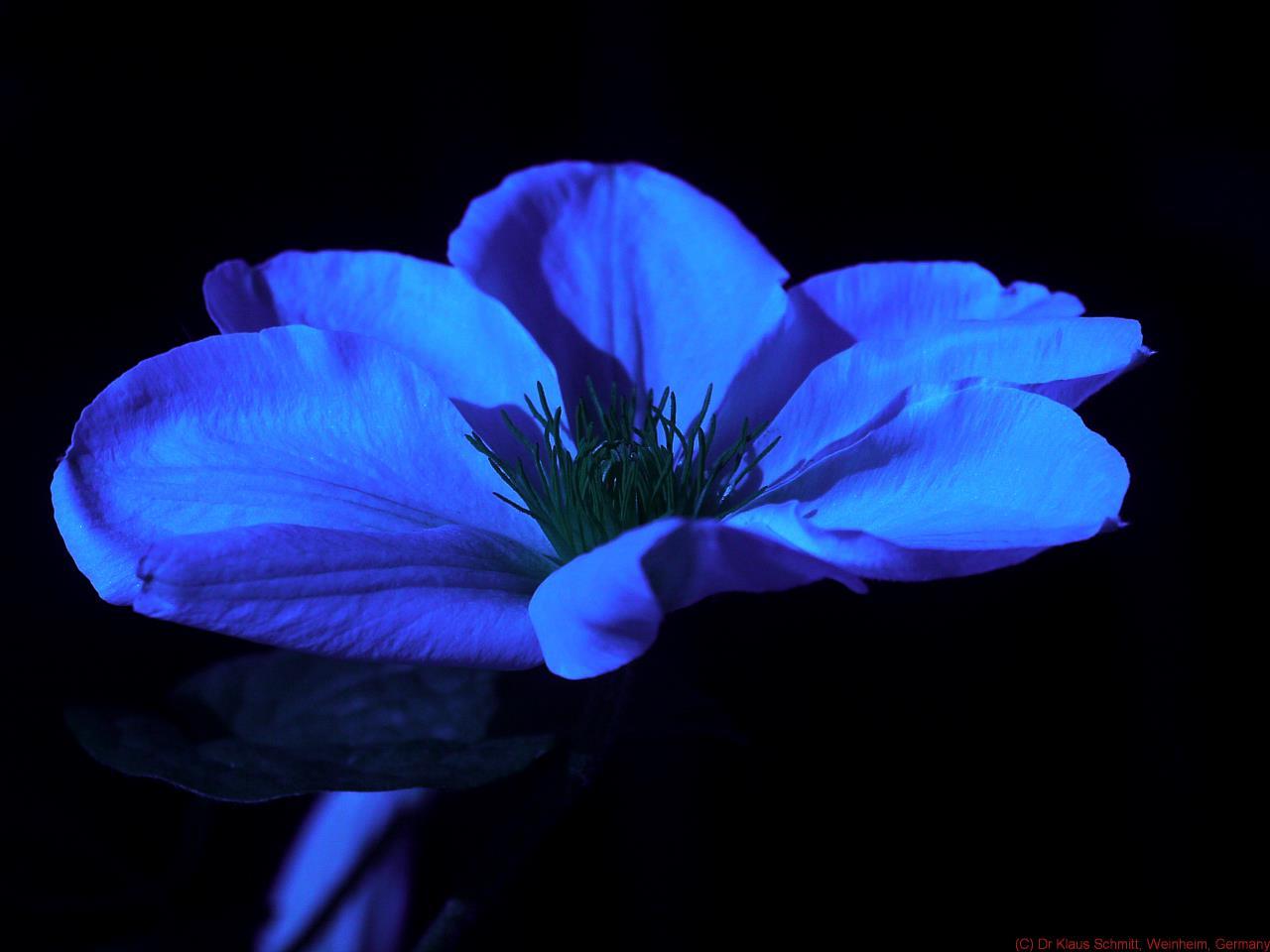
White Clematis in UV:


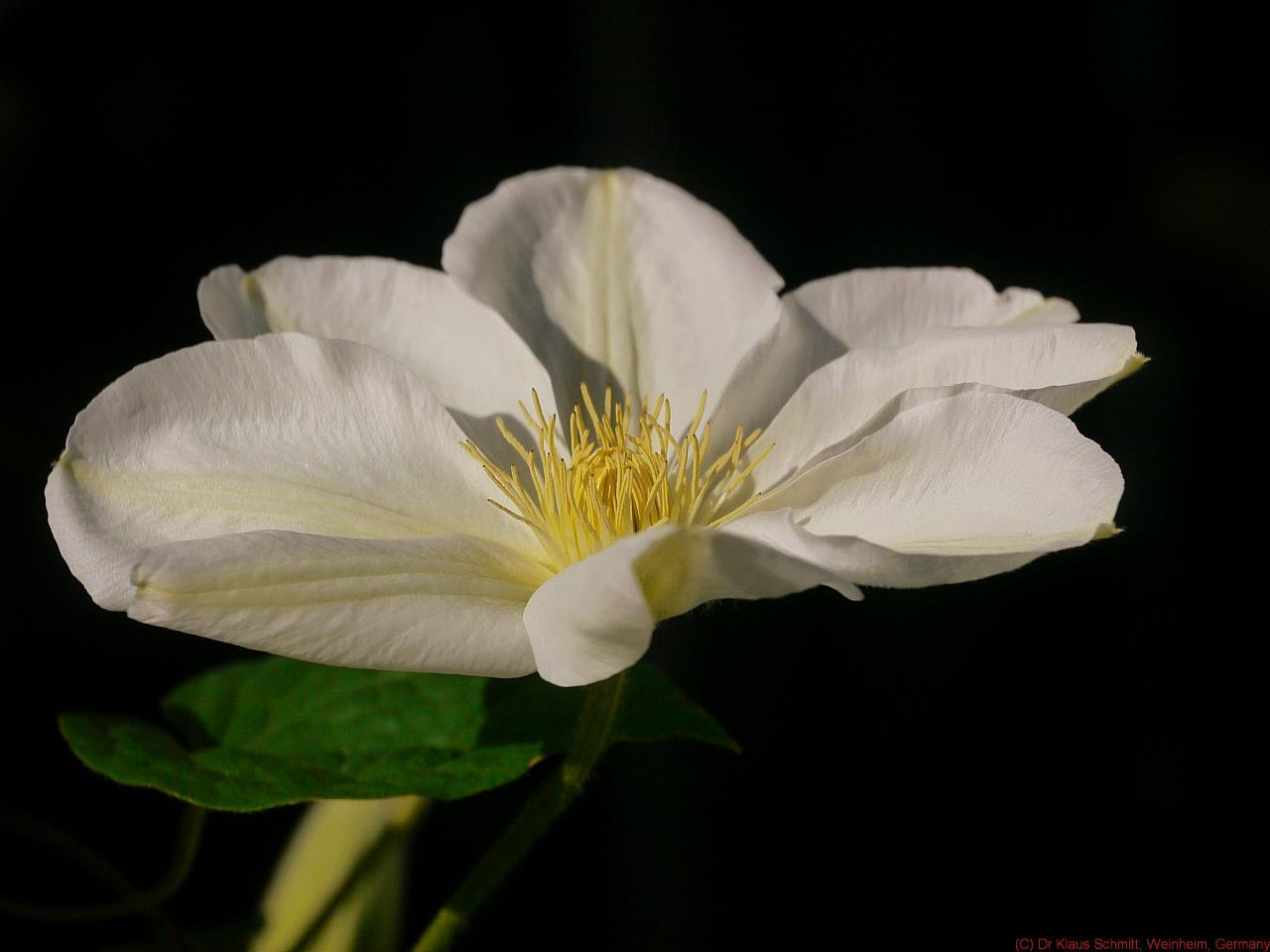
and in visible light (VIS):


Differential VIS-UV:


The VIS-UV differential clearly shows, that despite the Focal Reducer, still hardly any focus shift is present.

Stay tuned, more will follow on that fascinating subject...

More info on this very interesting field may be found on my site http://www.pbase.com/kds315/uv_photos

[BV] White Clematis in simulated Bee Vision

Same white Clematis hybride flower as shown before in the UV ultraviolet shot, but this time the comparison between normal visible light and simulated bee vison (UV, B, G) as been can only see (ultraviolet, blue, green)

[click on image to see a larger one]

Simulated Bee Vision (UV, B, G):


normal visible light shot:


So obviously also in the simulated bee vision shot it has some dark patterns, as the stamen and stigmata are quite dark, but the flower petals show some UV reflectance. There are also some darker structures visible in these petals.

Stay tuned, more will follow on that fascinating subject...

More info on this very interesting field may be found on my site http://www.pbase.com/kds315/uv_photos

Sunday, March 25, 2012

[UV] White Clematis in UV ultraviolet light

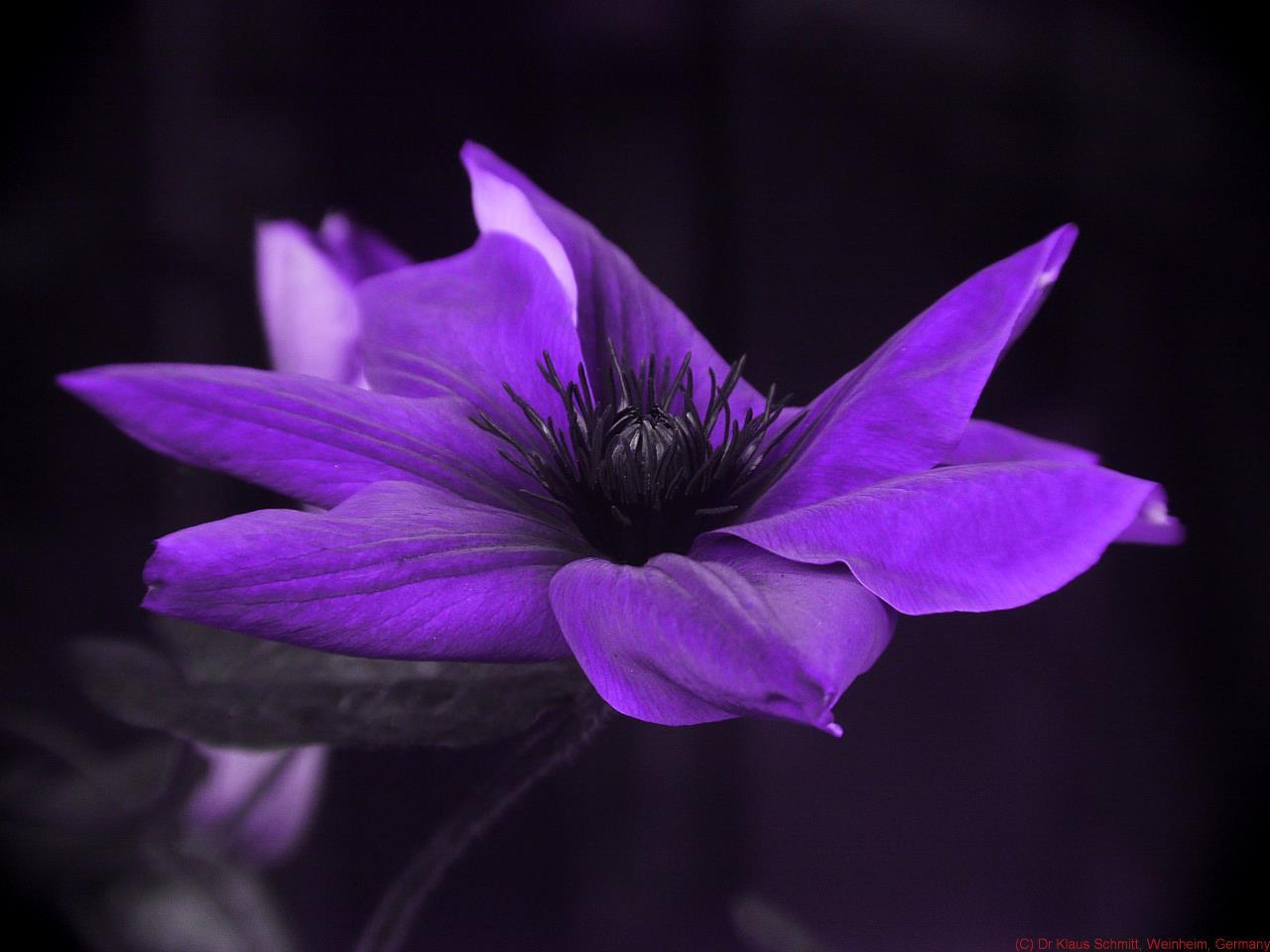
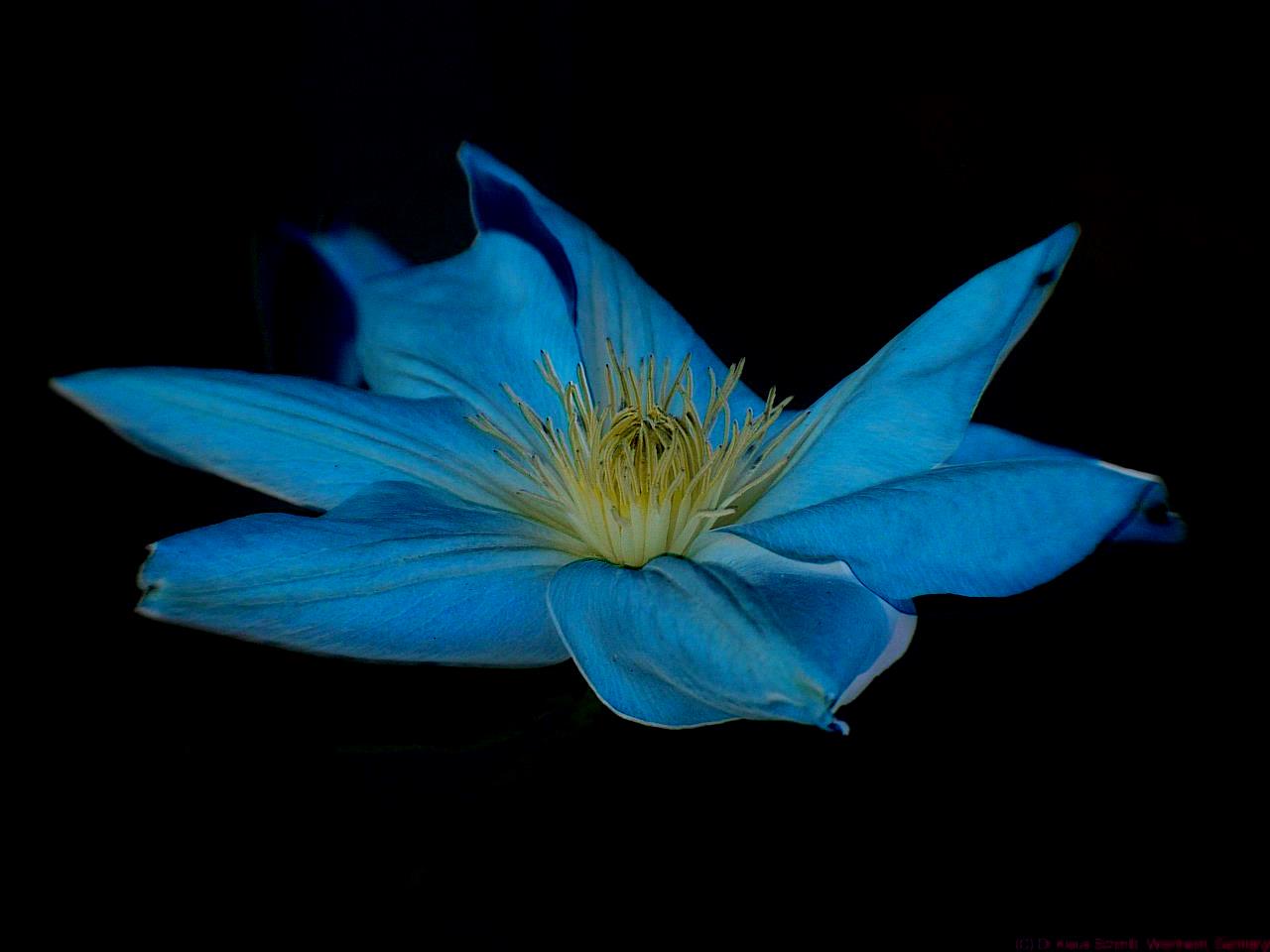
We had our regular Spring Flower Market today, so one of the ones I got was a white Clematis hybride. I wondered how that one will look like in reflected ultraviolet light, so here it is, shot through a Baader U filter.

[click on image to see a larger one]

This UV image here also uses my standardized false UV color normal + high intensity palette:


White Clematis in UV:


and in visible light:


So obviously it has some UV pattern, as the stamen and stigmata are quite dark, but the flower petals show some UV reflectance around 380nm. There are also some darker structures visible in these petals.

Stay tuned, more will follow on that fascinating subject...

More info on this very interesting field may be found on my site http://www.pbase.com/kds315/uv_photos

Saturday, March 24, 2012

[UV] Mirabilis jalapa UV ultraviolet fluorescence - from "Kingdom of Plants"

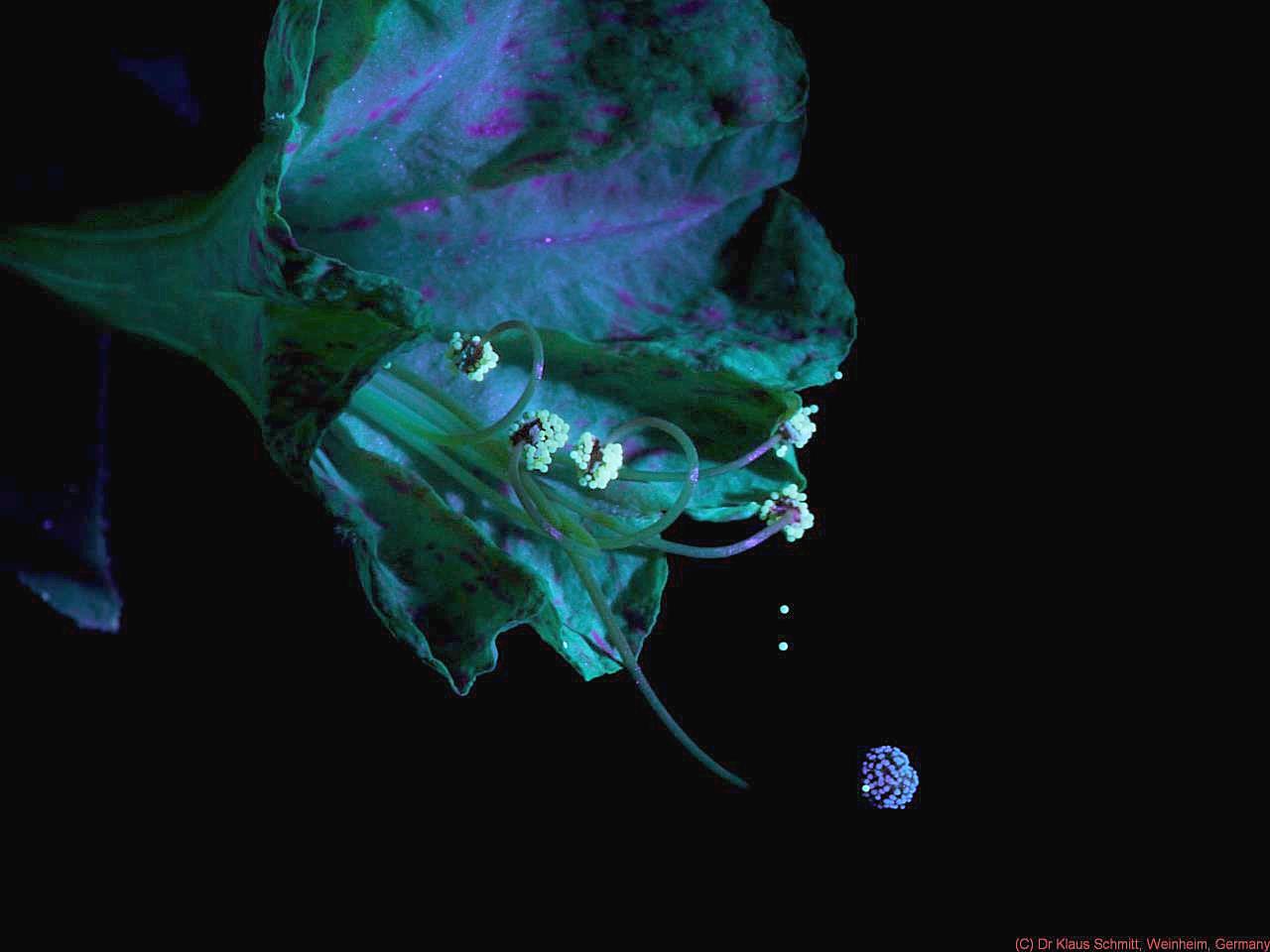
Today about some earlier work I have done on Mirabilis jalapa flowers, that have some very special abilities - their pollens and flower petals are fluorescent when seen under ultraviolet light. This may also bee seen in the forthcoming new series about Kew Gardens by Sir David Attenborough called "Kingdom of Plants 3D".

[click on image to see a larger one]

Visible light:


UV induced visible fluorescence:


Mirabilis' pollen emits a strong blue greenish fluorescent light and some scientists believe that the special night active moths that pollinate them, might be able to see this.

Stay tuned, more will follow on that fascinating subject...

More info on this very interesting field may be found on my site http://www.pbase.com/kds315/uv_photos

[UV] Spring Anemone Flowers in Reflected Ultraviolet UV Light

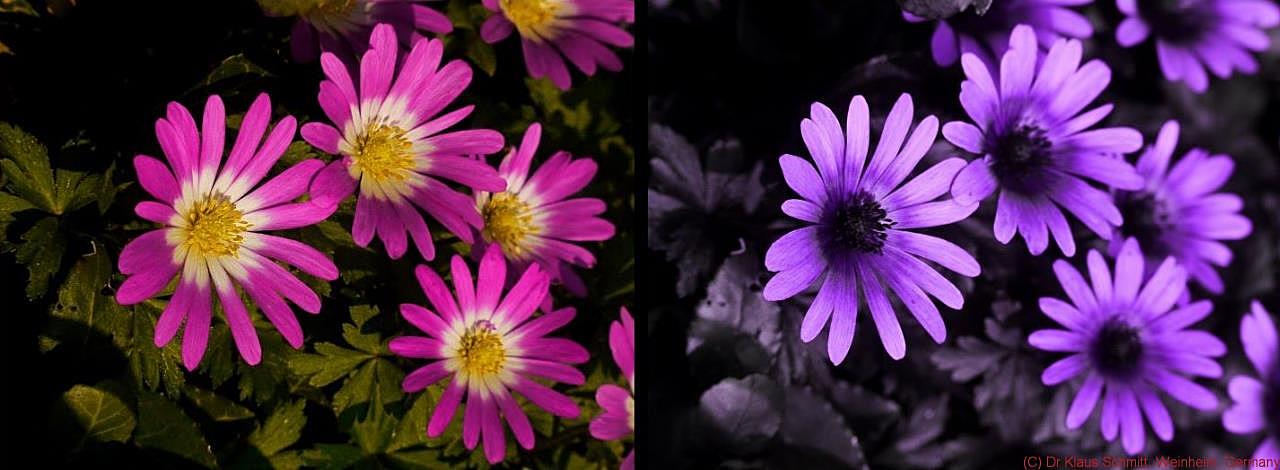
Today about yellow and pink Anemones in reflected ultraviolet light. Also these were shot using my Steinheil Quarzobjektiv f1.8 / 5cm (50mm) originating from the Steinheil Museum, which I have published earlier about.

[click on image to see a larger one]

I was able to record "UV yellow" Anemone flowers, reflecting UV around 360nm, which funny enough are also deep yellow in visible light.


Here more shots about those special pink Anemones, which have in UV a reverse pattern than in visible light!


Stay tuned, more will follow on that fascinating subject...

More info on this very interesting field may be found on my site http://www.pbase.com/kds315/uv_photos

Thursday, March 22, 2012

"Kingdom of Plants" Sir David Attenborough on Kew Gardens in 3D stereo (2)

I had reported earlier about that here, but now Kew Gardens has a preview video online on youtube about the forthcoming SKY 3D series "Kingdom of Plants" with Sir David Attenborough on Kew Gardens in 3D stereo as well as an overview on their site including an interview with Sir David.

((quote Sir David from an interview)) Attenborough: Kingdom of Plants 3D. "We wanted to use 3D in time-lapse, so that the plants move," he says. "They look sensational. They always do -- but in 3D, they look absolutely mind-blowing." ((unquote))

Have a look at what happens at 15:28 seconds onwards.... Mirabilis in UV stimulated visible fluorescence. But I am not allowed to say who shot this (LOL)....

According to imdb it will be released May, 2012

Reference: Kingdom of Plants on imdb

The DVD/BlueRay will be available from July 16, 2012 onwards and may already be preordered at amazon here as DVD and here as Blue Ray (HD) version

Stay tuned, more will follow on that fascinating subject...

More info on this very interesting field may be found on my site http://www.pbase.com/kds315/uv_photos

Wednesday, March 21, 2012

[UV] Steinheil Quarzobjektiv f1.8 / 50mm for reflected ultraviolet UV photography

This Steinheil Quarzobjektiv f1.8 / 5cm (50mm) is from the Steinheil Museum and I was very lucky to be able to be there at the right time when parts were dissolved. Only one lens is known, this one.


So today I was digging for some stuff in that lens fault, when the really nice weather made me want to give it a ride to the park for the last hour open. So here some results, quite open and quite closed aperture for comparison:

[click on image to see a larger one]


Even dating from the 20ies of this century, it performs quite well, especially at that enormous speed of f1.8 - which was needed, as it was made to record faint spectra of Steinheil's famous "Quarz Spektrograph". It is most likely a 4e4g lens design, so astonishingly not a triplet.

I was able to record some "UV yellow" flowers reflecting around 360nm, which funny enough are also deep yellow in visible light.


Stay tuned, more will follow on that fascinating subject...

More info on this very interesting field may be found on my site http://www.pbase.com/kds315/uv_photos