Tuesday, July 10, 2012

Nymphaeaceae (Water Lily): human vision vs simulated bee vison; reflected UV ultraviolet photography

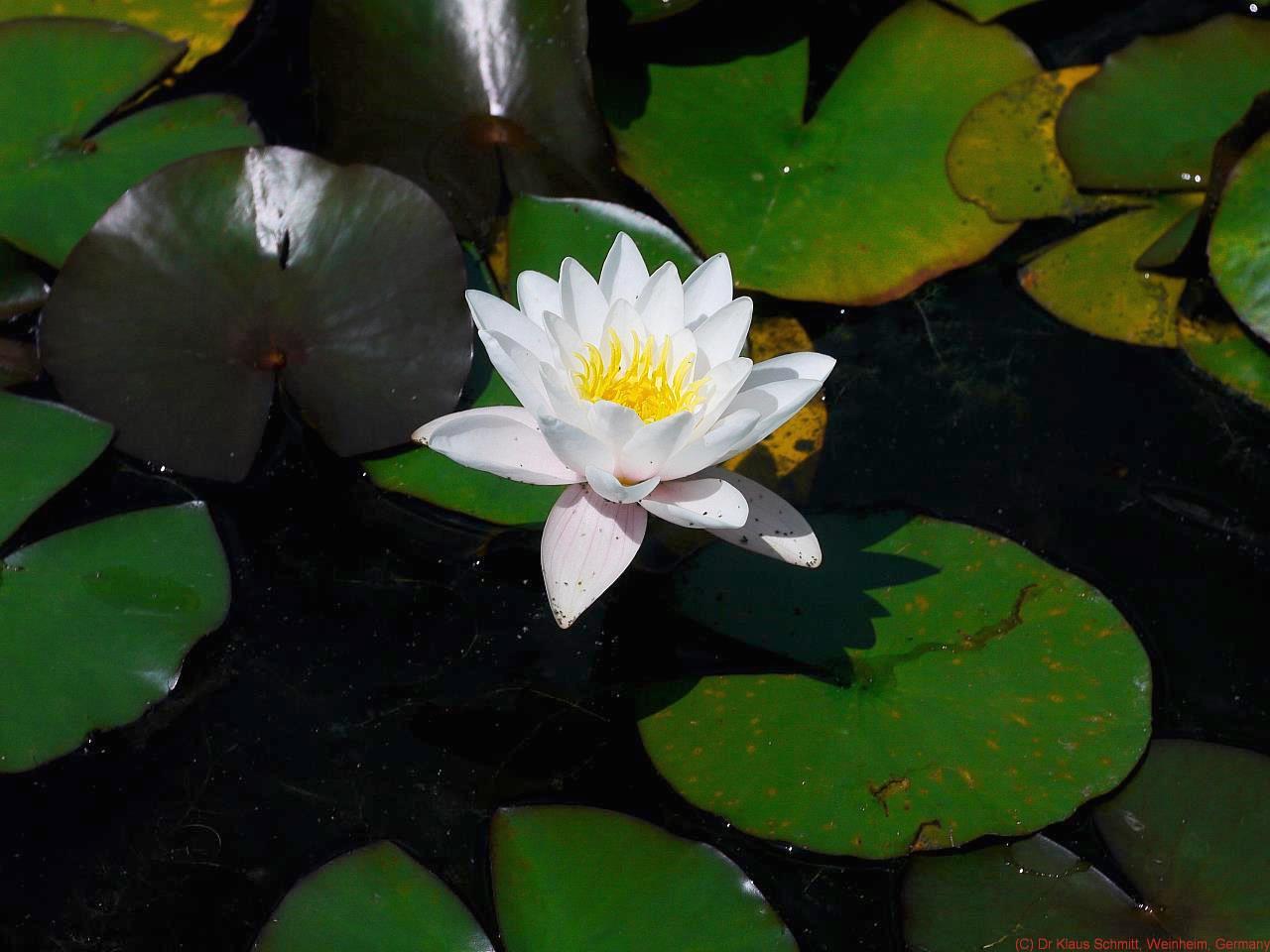
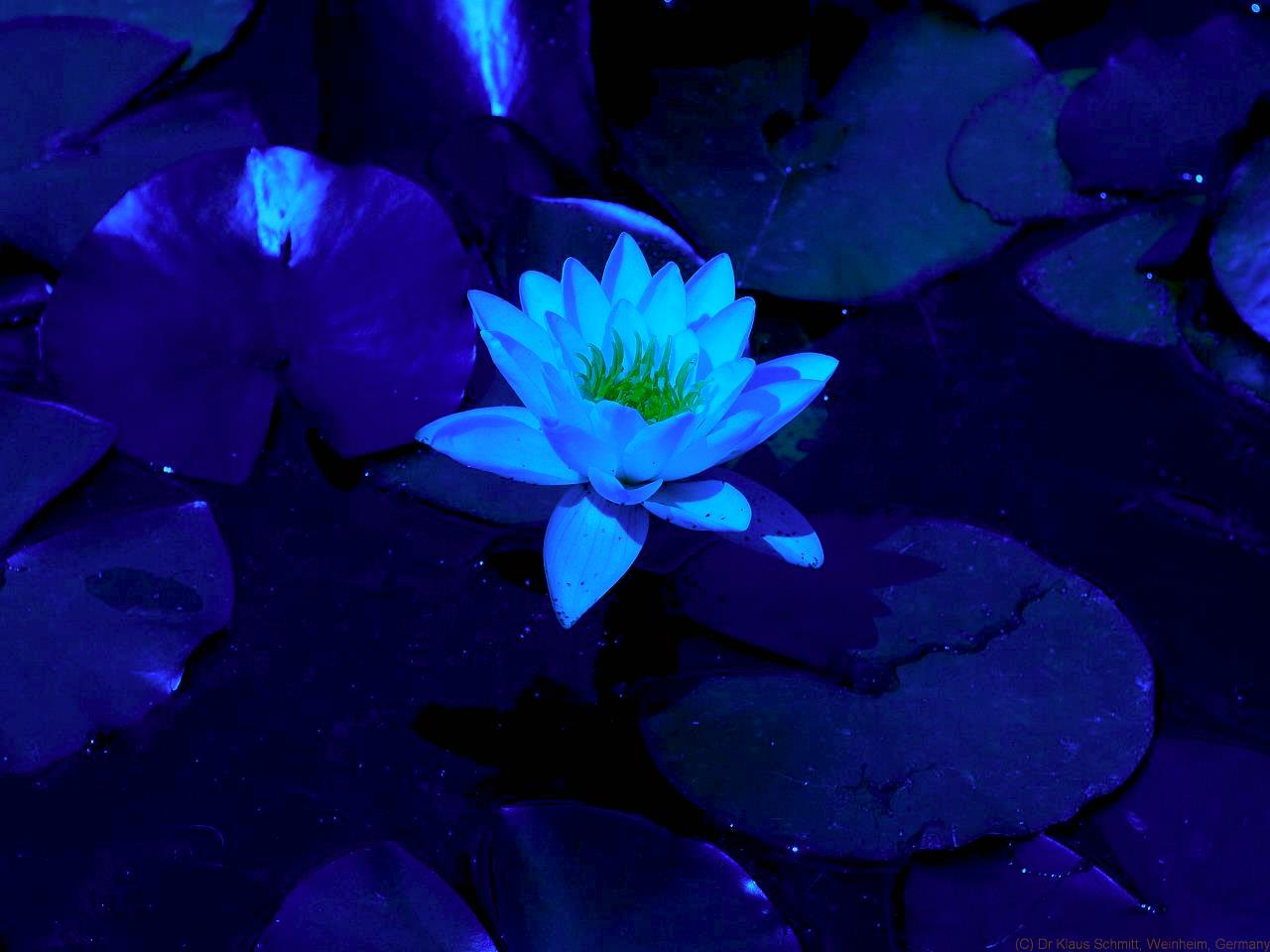
Today about a Water Lily (Nymphaeaceae). So here it is in its multispectral representation. I took some shots at Hermannshof, Weinheim, Germany in normal human vision VIS, in UV using the Baader-U filter, as well as in simulated bee vision using my XBV2 and new XBV6 filter respectively.

[click on image to see a larger one]

Visual shot:

Simulated bee vison using XBV2 filter:


Simulated bee vison using XBV6 filter:

UV using Baader-U filter:
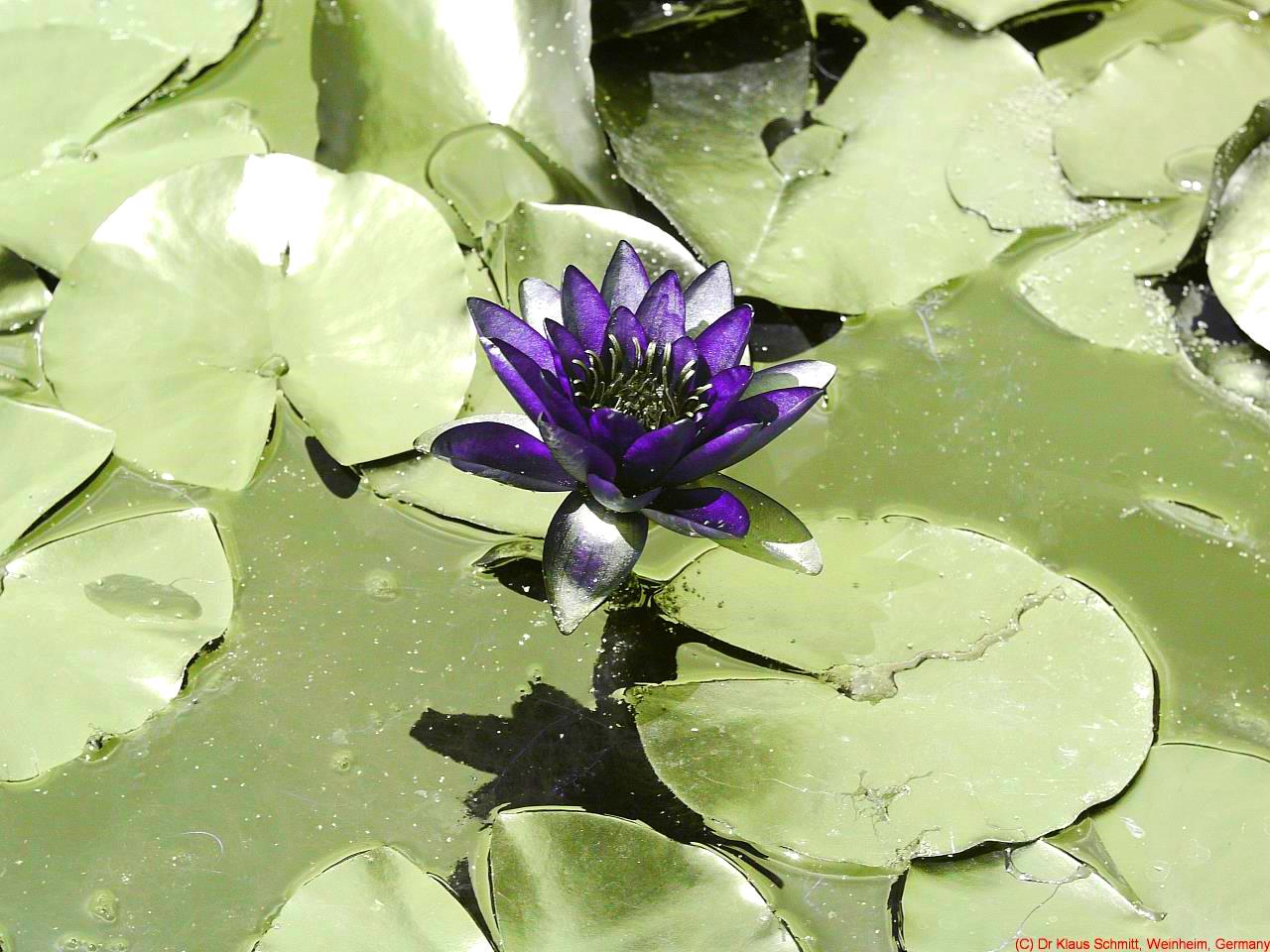

This flower has a long wave UV reflection (around 385nm) of its petals, that provides an interesting backdrop for its bright stamen.

As you may have noticed, I'm still working on my bee vision (BV) filters; BV6 is one with very intensive colors and much shorter exposure time, due to new filter glass combinations.

More about these special new filters here later in a seperate entry.


Stay tuned, more will follow on that fascinating subject...

More info on this very interesting field may be found on my site http://www.pbase.com/kds315/uv_photos

Friday, July 6, 2012

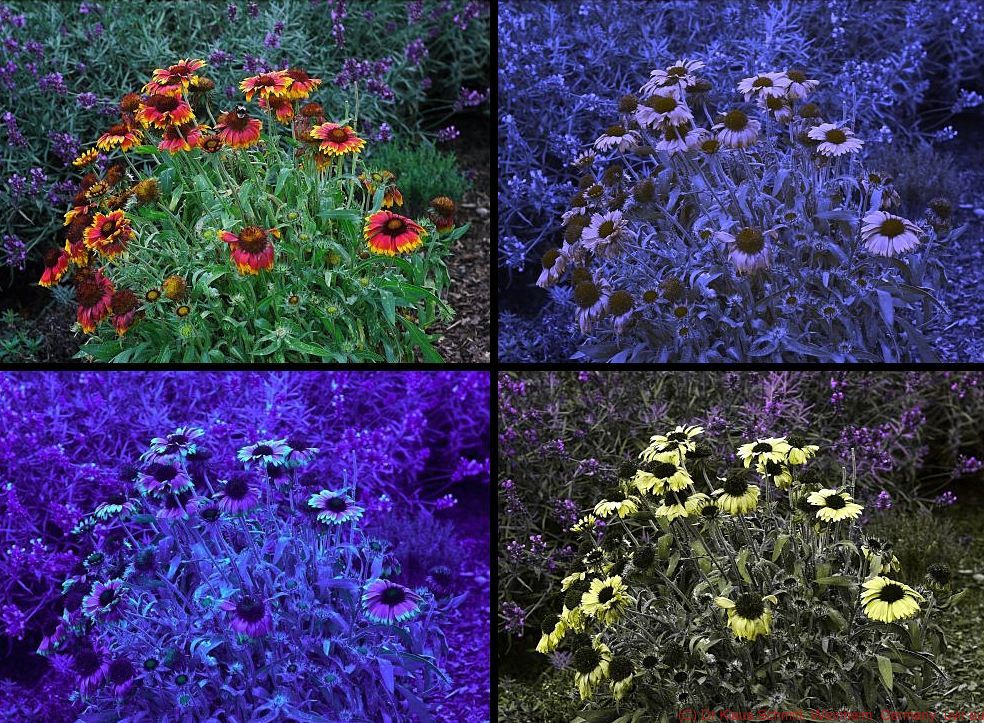
Rudbeckia fulgida: human vision vs simulated bee vison; reflected UV ultraviolet photography II

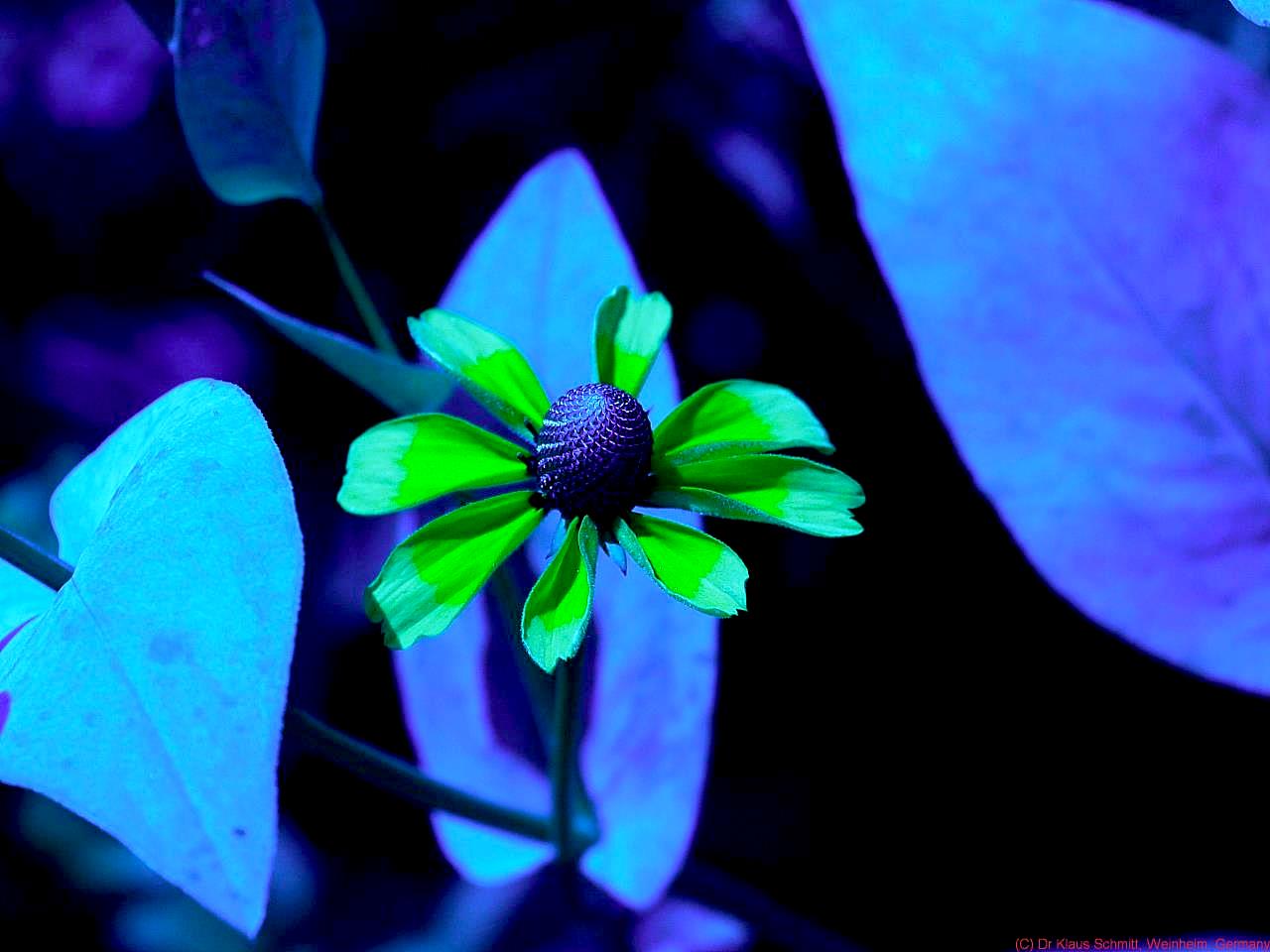
Another walk through the beautiful Hermanshof Park, Weinheim let me discover some flowering Rudbeckias. So here again comes R. fulgida in its multispectral representation of which I have presented a different one before. I took some shots at Hermannshof, Weinheim, Germany in normal human vision VIS, in UV using the Baader-U filter, as well as in simulated bee vision using my XBV2 and new XBV6 filter respectively.

[click on image to see a larger one]

Visual shot:


Simulated bee vison using XBV2 filter:


Simulated bee vison using XBV6 filter:


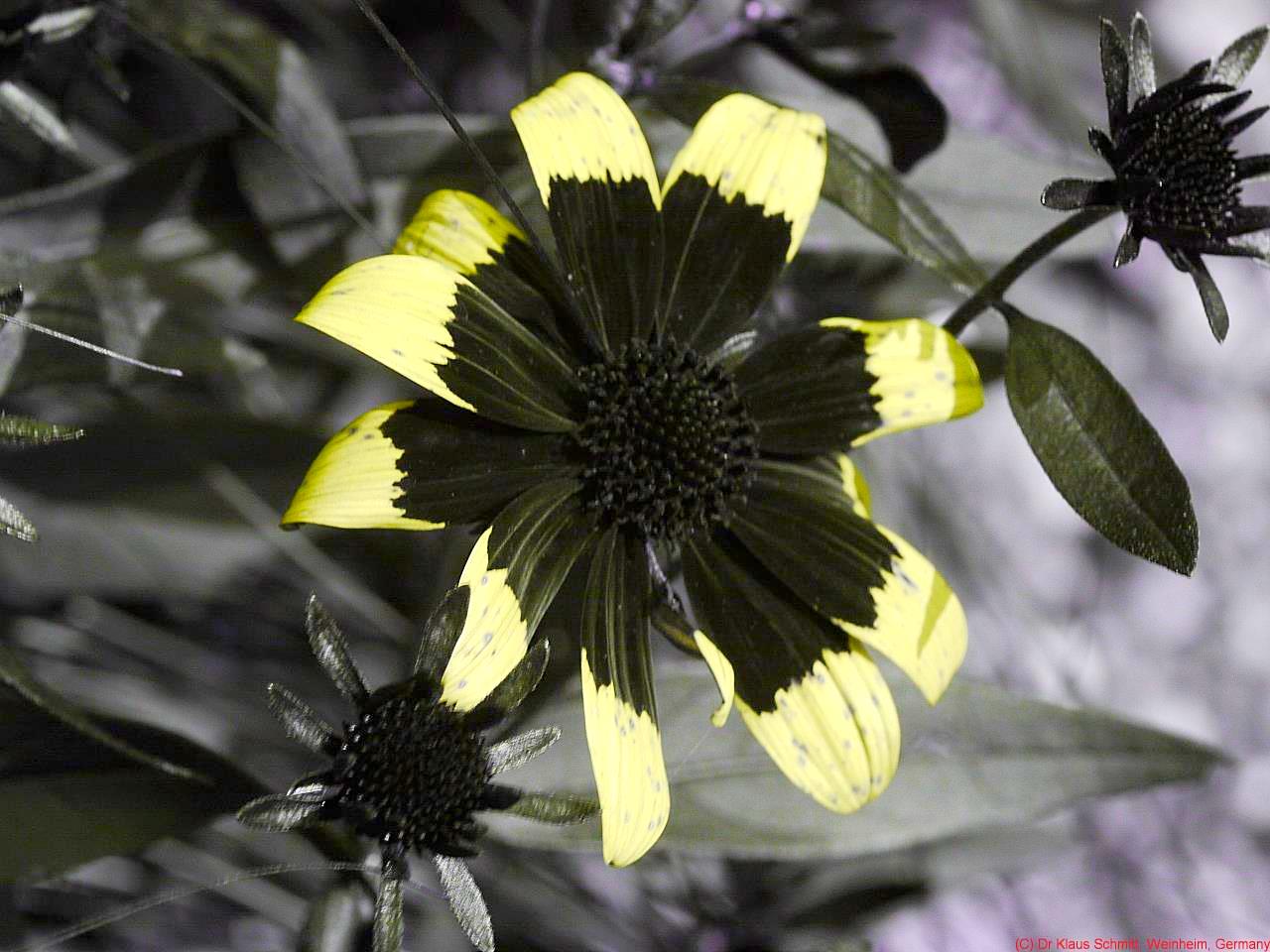
UV using Baader-U filter:


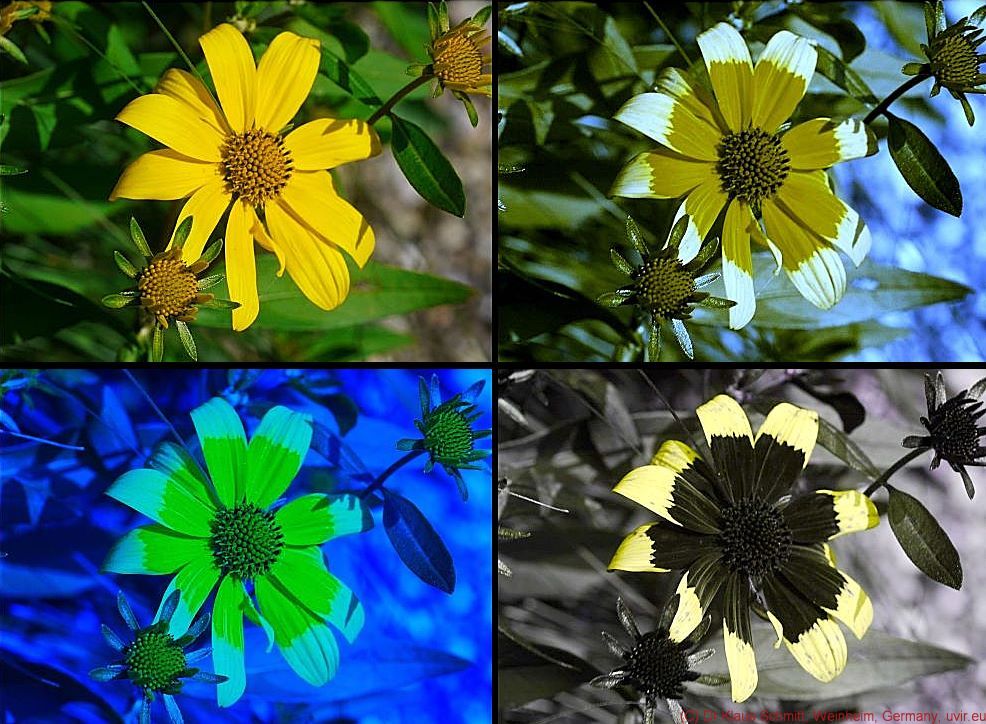
VIS-2*BV-UV quadriptych:


This Rudbeckia exposes its well know UV bullseye pattern very nicely and with that really stands out very "bee visible" from its surrounding background.

As you may have noticed, I'm still working on my bee vision (BV) filters; BV6 is one with very intensive colors and much shorter exposure time, due to new filter glass combinations.

More about these special new filters here later in a seperate entry.


Stay tuned, more will follow on that fascinating subject...

More info on this very interesting field may be found on my site http://www.pbase.com/kds315/uv_photos

Thursday, July 5, 2012

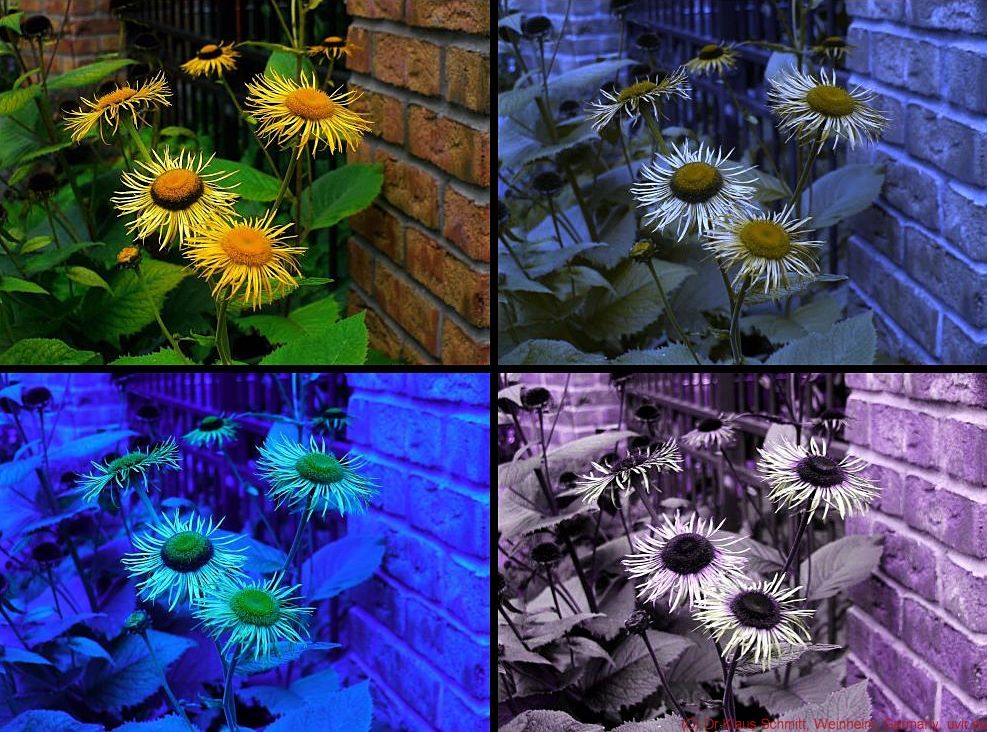
Telekia speciosa (Heartleaf Oxeye): human vision vs simulated bee vison; reflected UV ultraviolet photography

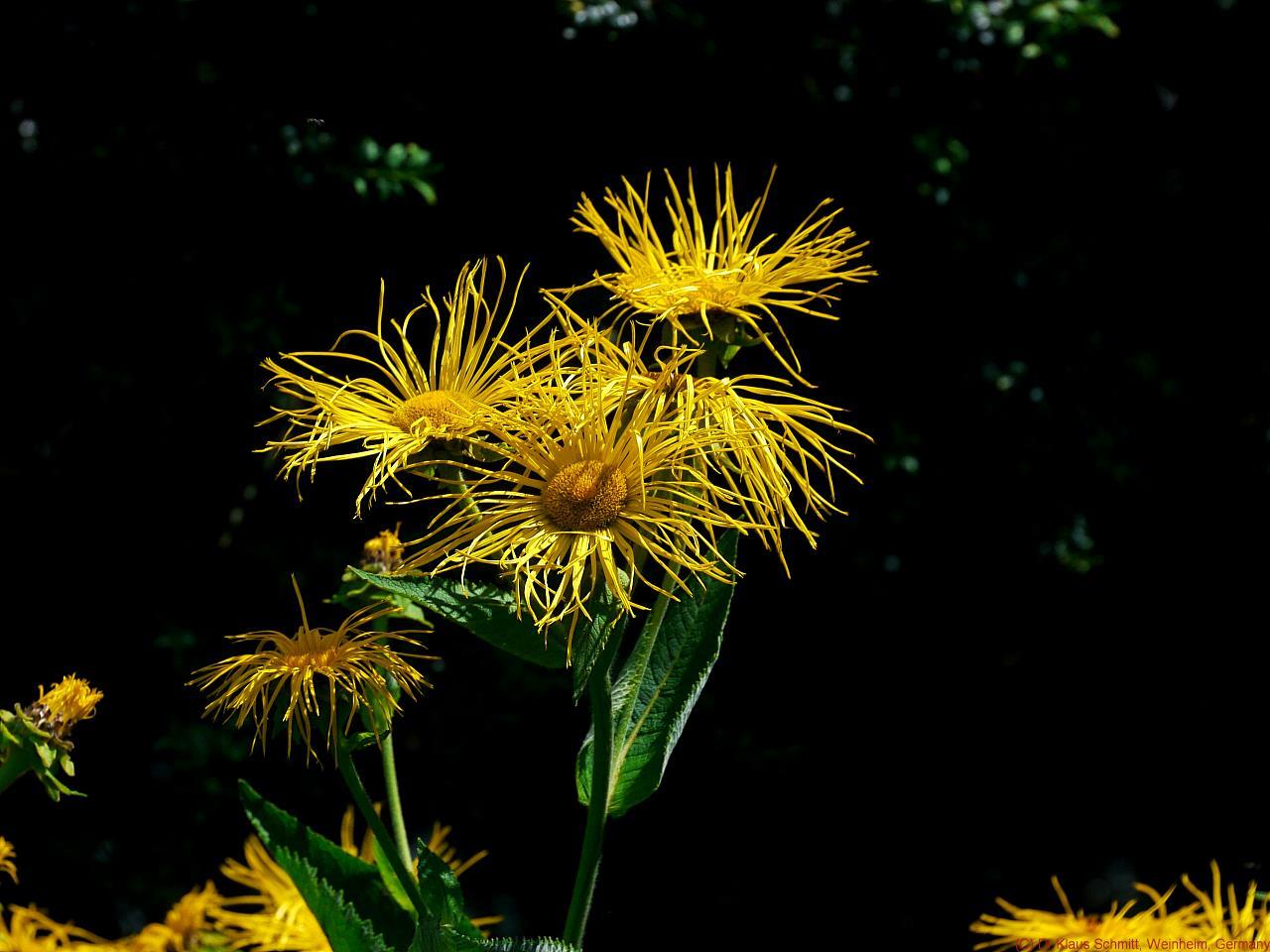
Today about Telekia speciosa, the "Heartleaf Oxeye" in its multispectral representation. I took some shots at Hermannshof, Weinheim, Germany in normal human vision VIS, in UV using the Baader-U filter, as well as in simulated bee vision using my XBV2 and new XBV6 filters respectively.

[click on image to see a larger one]

Visual shot:


Simulated bee vison using XBV2 filter:


Simulated bee vison using XBV6 filter:


UV using Baader-U filter:


This attractive, up to 2 meters (6ft) tall flowering bush only shows a little bit of UV reflection on its flower petals, but has quite a UV dark center (hence called "Oxeye" or "bullseye").

As you may have noticed, I'm still working on my bee vision (BV) filters; BV6 is one with very intensive colors and much shorter exposure time, due to new filter glass combinations.

More about these special new filters here later in a seperate entry.


Stay tuned, more will follow on that fascinating subject...

More info on this very interesting field may be found on my site http://www.pbase.com/kds315/uv_photos
Grindelia squarrosa (Curly Cup Gumweed): human vision vs simulated bee vison; reflected UV ultraviolet photography

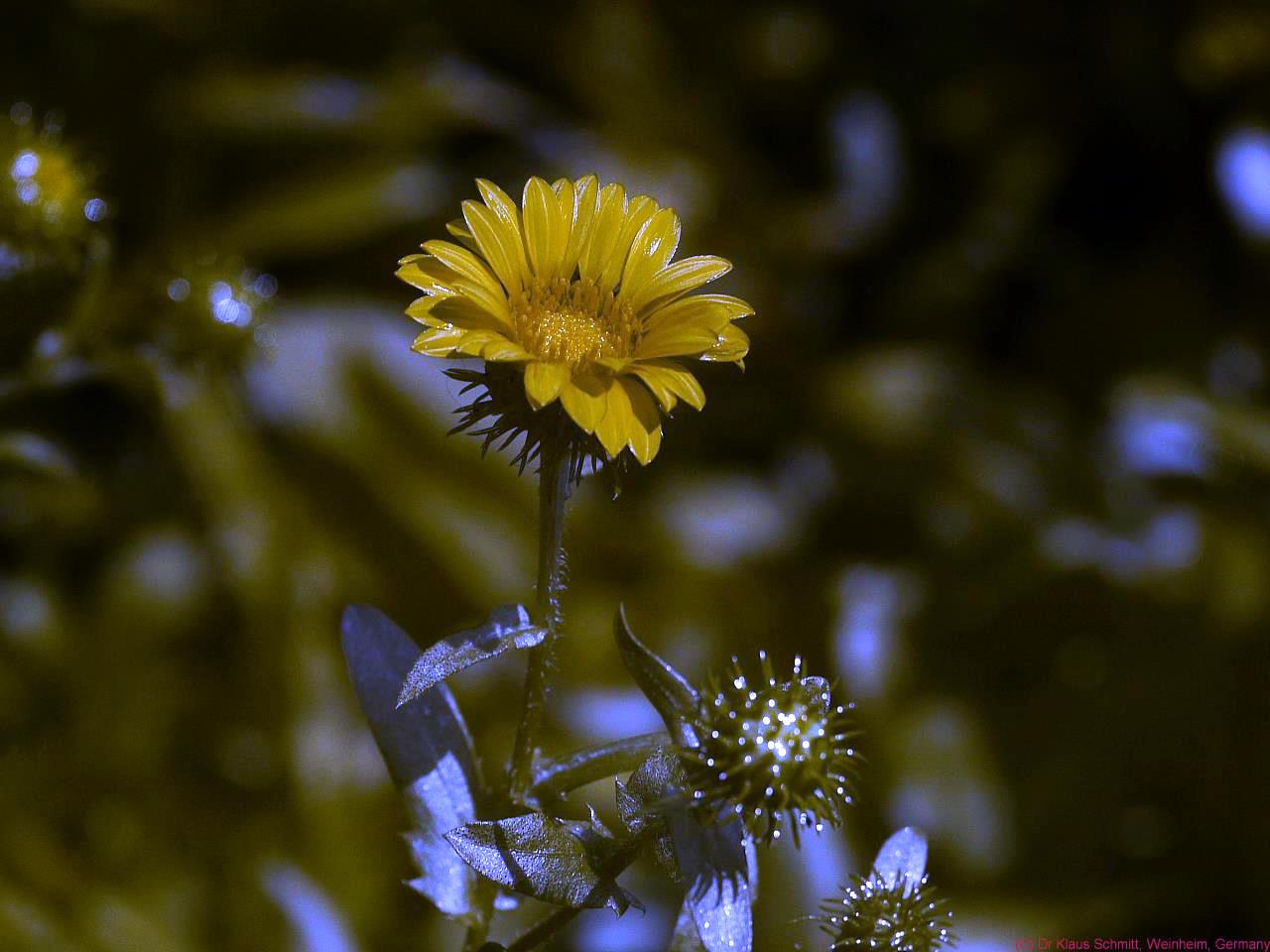
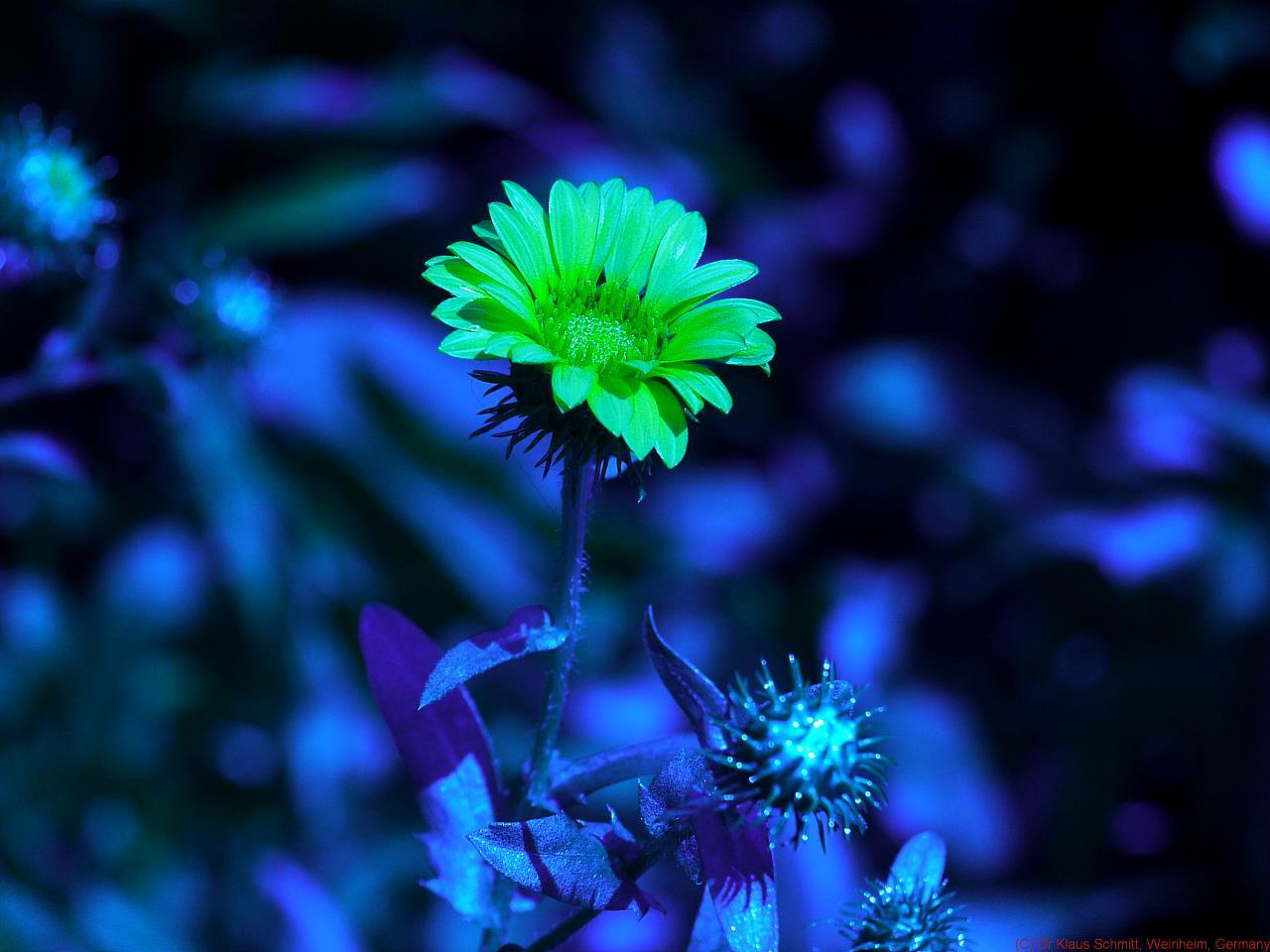
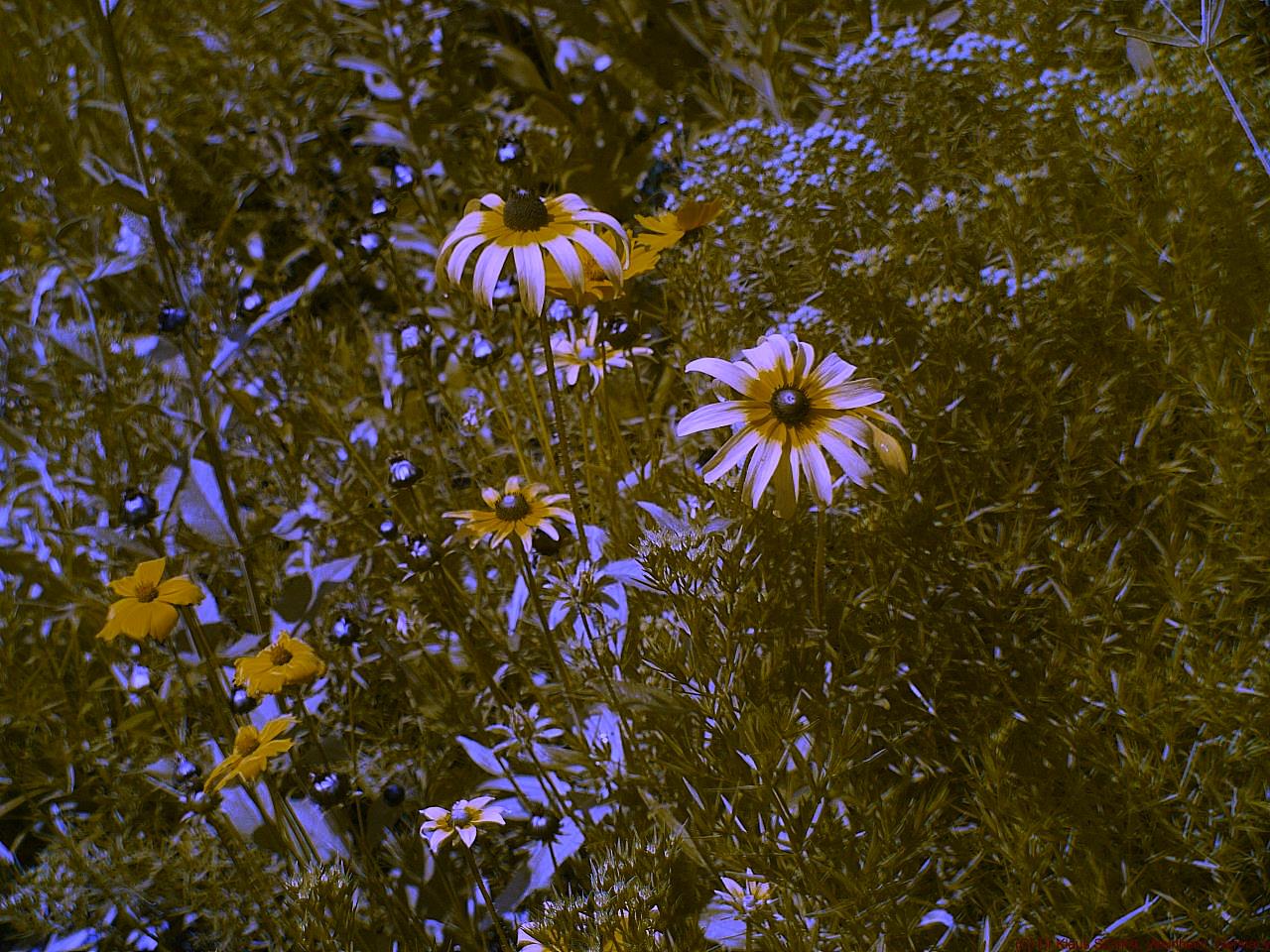
Today about Grindelia squarrosa the "Curly Cup Gumweed" in its multispectral representation. I took some shots at Hermannshof, Weinheim, Germany in normal human vision VIS, in UV using the Baader-U filter, as well as in simulated bee vision using my XBV2 and new XBV6 filters respectively.

[click on image to see a larger one]

Visual shot:


Simulated bee vison using XBV2 filter:


Simulated bee vison using XBV6 filter:


UV using Baader-U filter:


This attractive flower, pretty common to nearly all of the US only shows a little bit of UV reflection overall, but has a UV darker center.

As you may have noticed, I'm still working on my bee vision (BV) filters; BV6 is one with very intensive colors and much shorter exposure time, due to new filter glass combinations.

More about these special new filters here later in a seperate entry.


Stay tuned, more will follow on that fascinating subject...

More info on this very interesting field may be found on my site http://www.pbase.com/kds315/uv_photos

Ratibida columnifera (Upright Prairie coneflower): human vision vs simulated bee vison; reflected UV ultraviolet photography

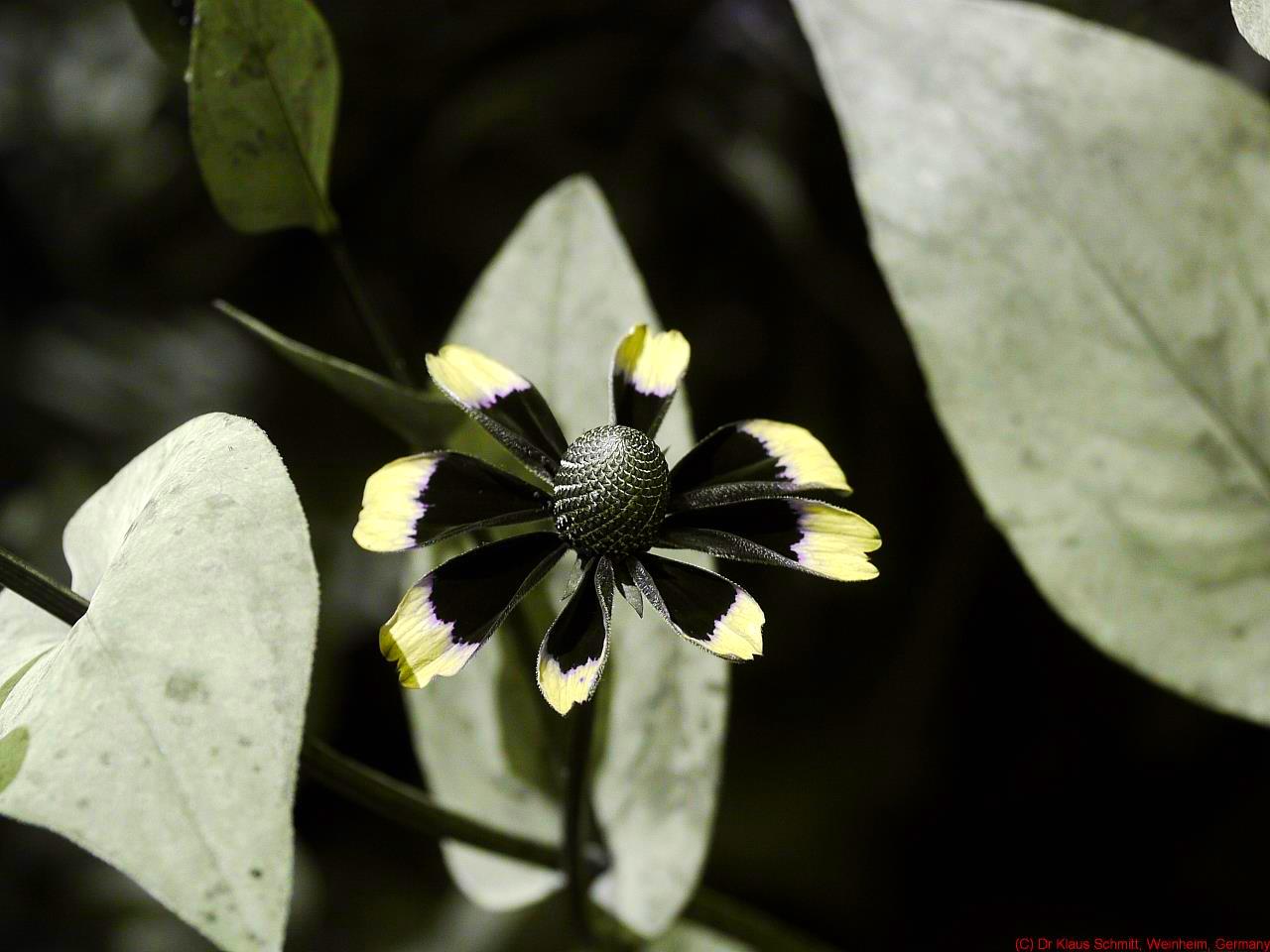
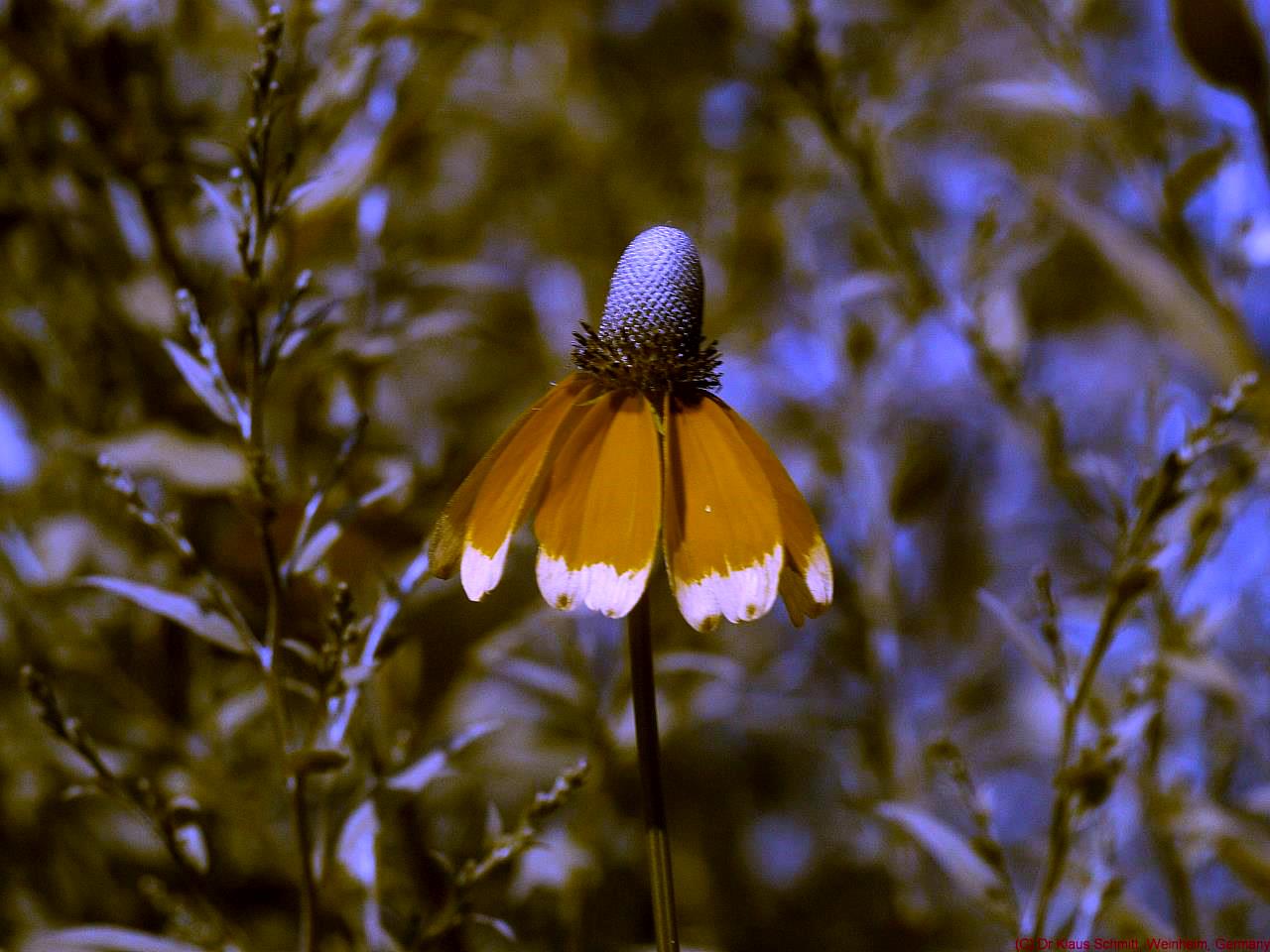
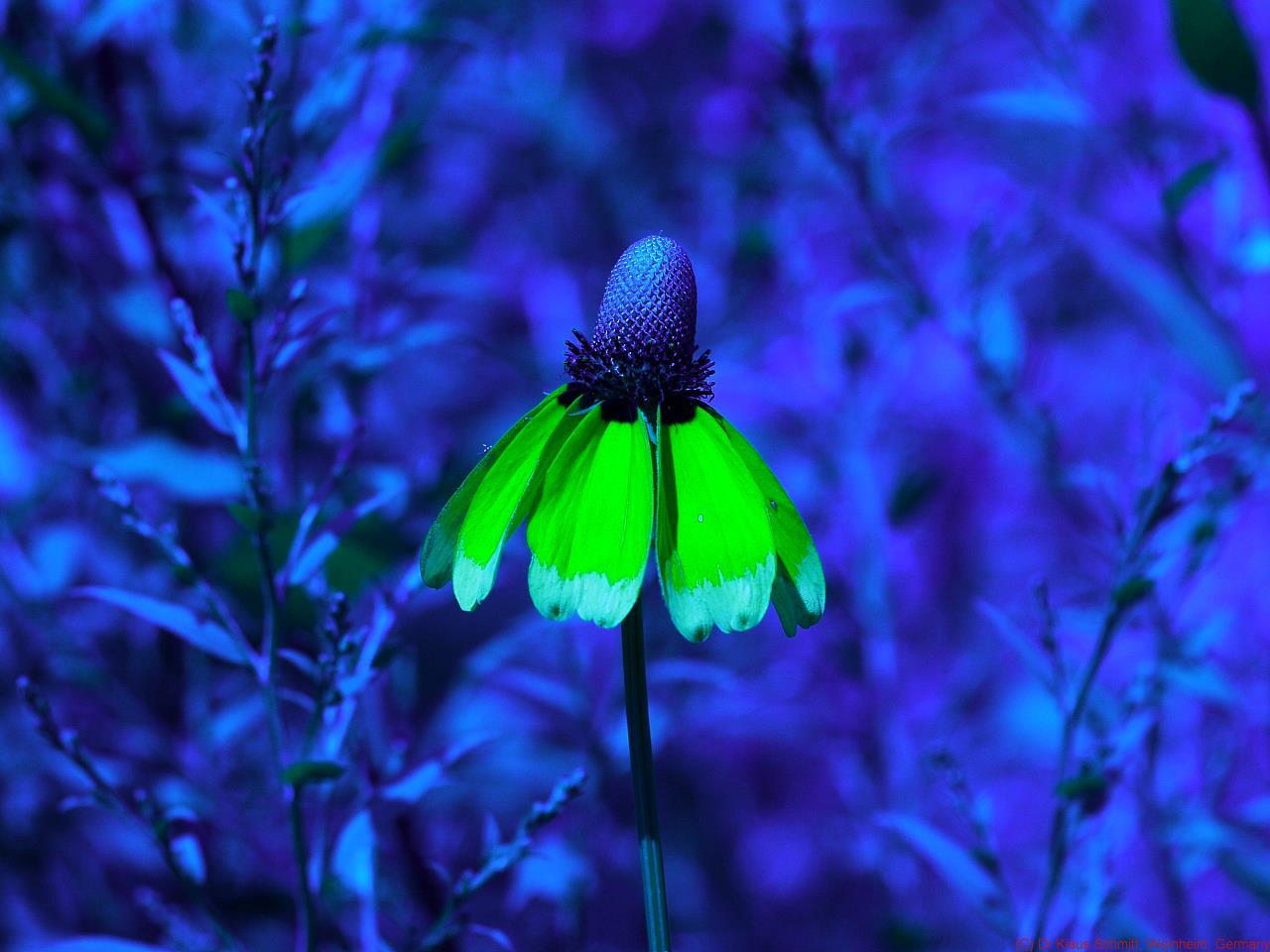
Today about Ratibida columnifera, the "Upright Prairie Coneflower" or "Mexican Hat" in its multispectral representation. I took some shots at Hermannshof, Weinheim, Germany in normal human vision VIS, in UV using the Baader-U filter, as well as in simulated bee vision using my XBV2 and new XBV6 filters respectively.

[click on image to see a larger one]

First showing a juvenile flower

Visual shot:


Simulated butterfly vison using XBV2 filter:


Simulated bee vison using XBV6 filter:


UV using Baader-U filter:


Then an adult flower

Visual shot:


Simulated butterfly vison using XBV2 filter:


Simulated bee vison using XBV6 filter:


UV using Baader-U filter:


This attractive flower, pretty common to nearly all of the US shows a very intense, Rudbeckia-like bullseye pattern with a petal tip reflection around 365nm.

As you may have noticed, I'm still working on my bee vision (BV) filters; BV6 is one with very intensive colors and much shorter exposure time, due to new filter glass combinations.

More about these special new filters here later in a seperate entry.


Stay tuned, more will follow on that fascinating subject...

More info on this very interesting field may be found on my site http://www.pbase.com/kds315/uv_photos
Tuesday, July 3, 2012

HUBEN garden center: human vision vs simulated bee vison; reflected UV ultraviolet photography

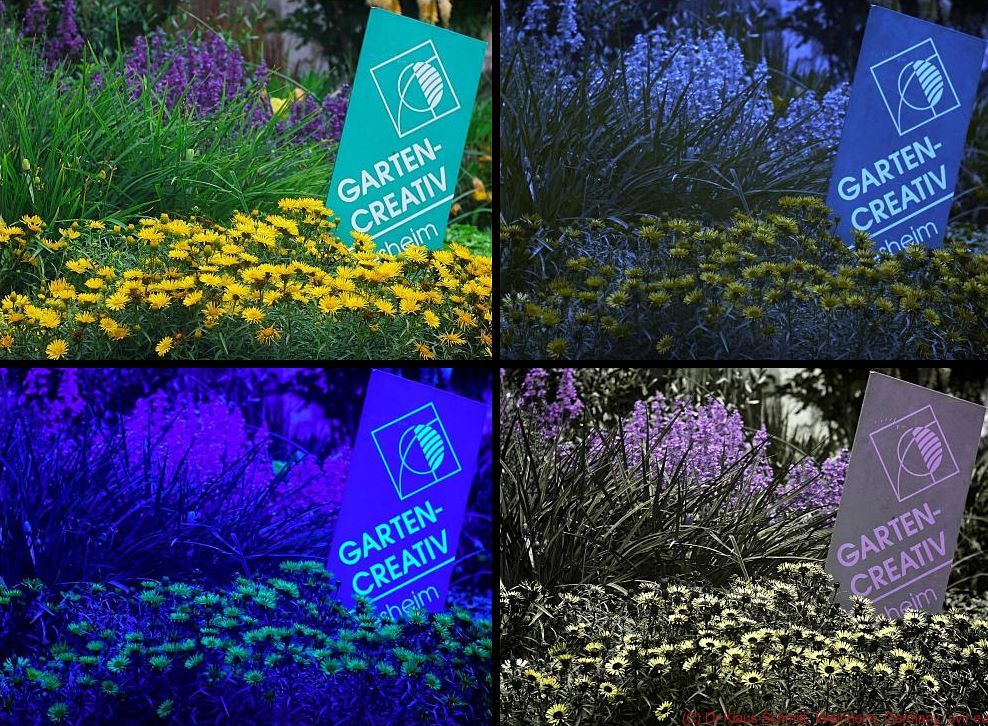
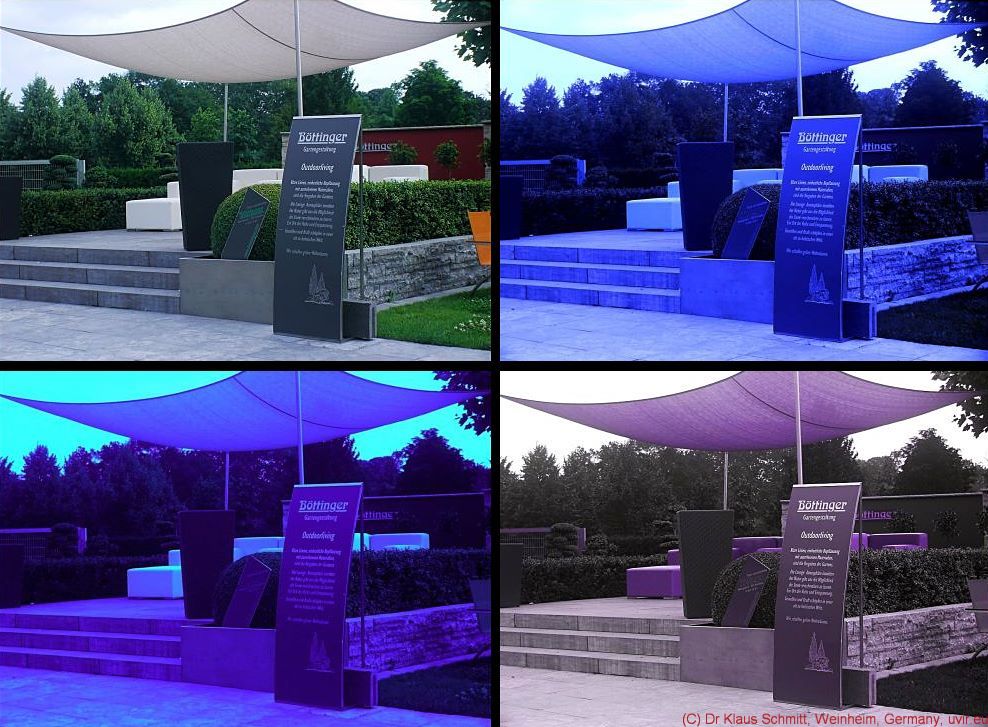
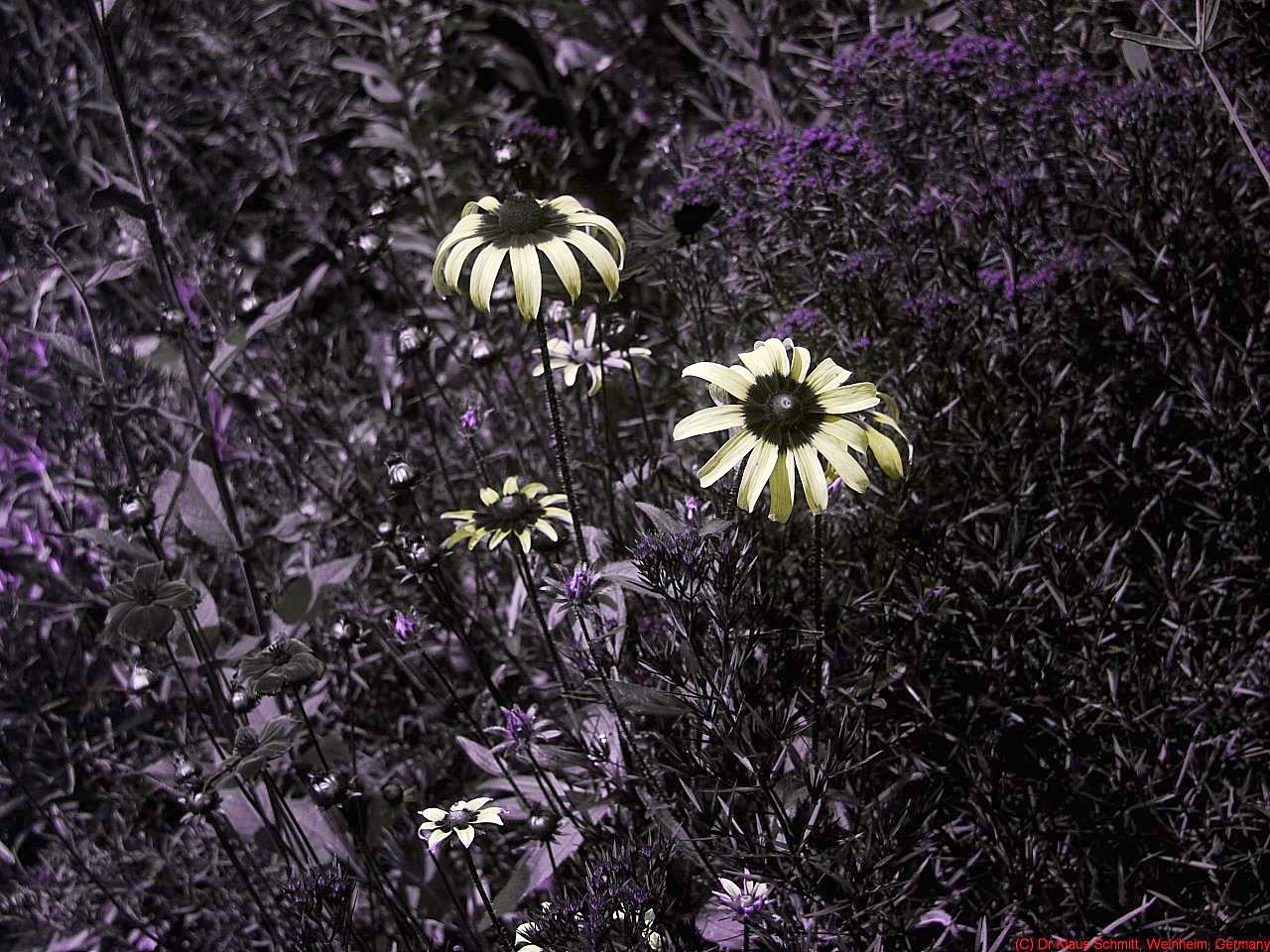
One of the most famous garden centers + nurseries since decades is HUBEN (founded 1905) located at Ladenburg close to Heidelberg/Germany. Today I took some multispectral shots there (with their permission of course), in normal human vision VIS, in UV using the Baader-U filter, as well as in simulated bee vision using my XBV2 and new XBV6 filters respectively.

Images are shown in quadriptych form (VIS, BV2, BV6, UV in the sequence left to right, top to bottom) - best to click on them to see them larger:


So, I hope you enjoyed a multispectral walk through this beautiful garden center! It wasn't my first time there, but certainly not me last time ...

Stay tuned, more will follow on that fascinating subject...

More info on this very interesting field may be found on my site http://www.pbase.com/kds315/uv_photos

Monday, July 2, 2012

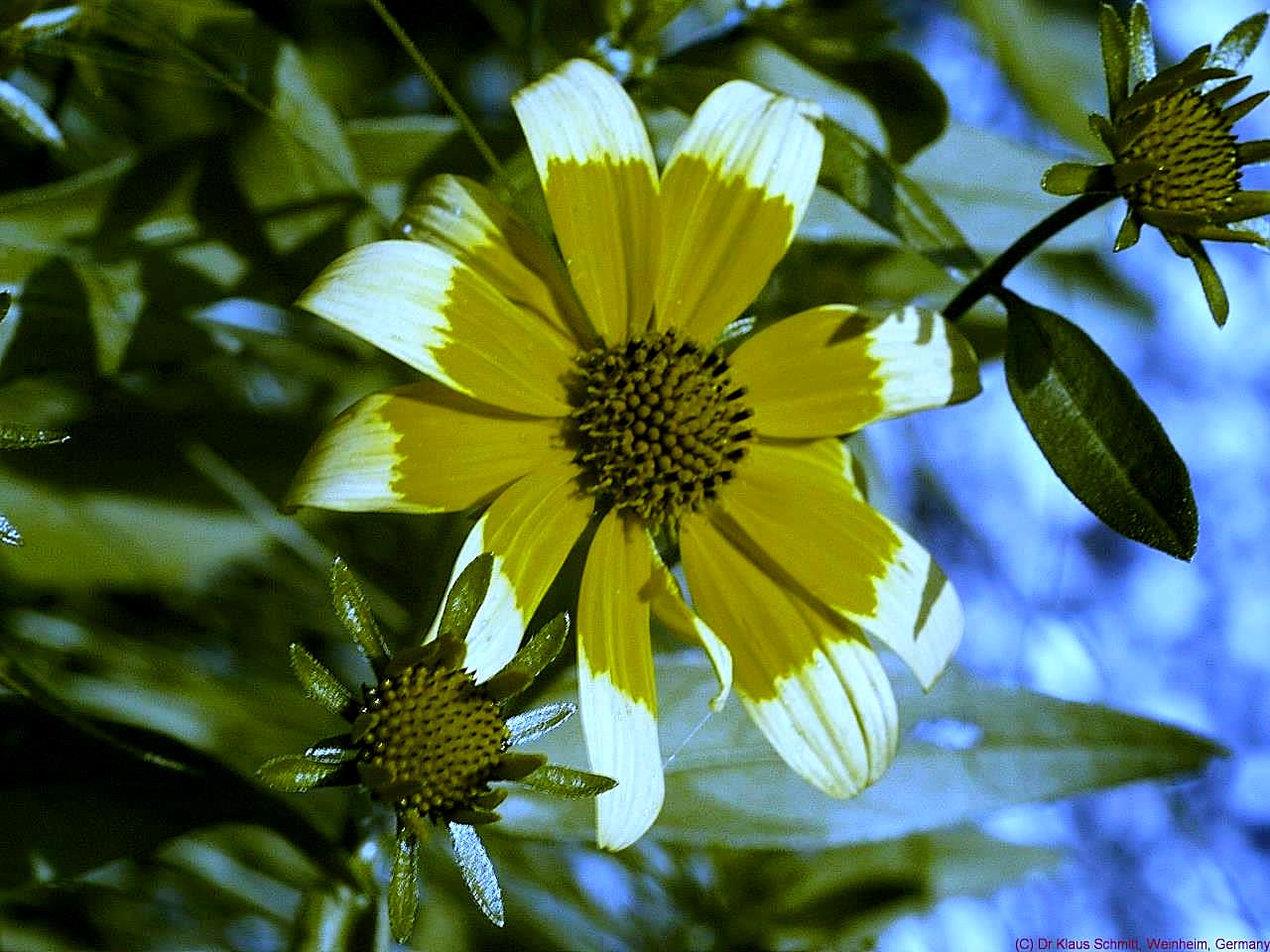
Viguiera multiflora (Showy Goldeneye): human vision vs simulated bee vison; reflected UV ultraviolet photography

Here about Viguiera multiflora (syn. Heliomeris multifl.), the "Showy Goldeneye" in its multispectral representation. I took some shots at Hermannshof, Weinheim, Germany in normal human vision VIS, in UV using the Baader-U filter, as well as in simulated bee vision using my XBV2 and new XBV6 filters respectively.

[click on image to see a larger one]

Visual shot:


Simulated bee vison using XBV2 filter:


Simulated bee vison using XBV6 filter:


UV using Baader-U filter:


VIS-UV-BV quadriptych:


This pretty flower, pretty common to the south-west of the US shows a very intense, Rudbeckia-like bullseye pattern with a petal tip reflection around 365nm.

As you may have noticed, I'm still working on my bee vision (BV) filters; BV6 is one with very intensive colors and much shorter exposure time, due to new filter glass combinations.

More about these special new filters here later in a seperate entry.


Stay tuned, more will follow on that fascinating subject...

More info on this very interesting field may be found on my site http://www.pbase.com/kds315/uv_photos