Tuesday, September 17, 2013

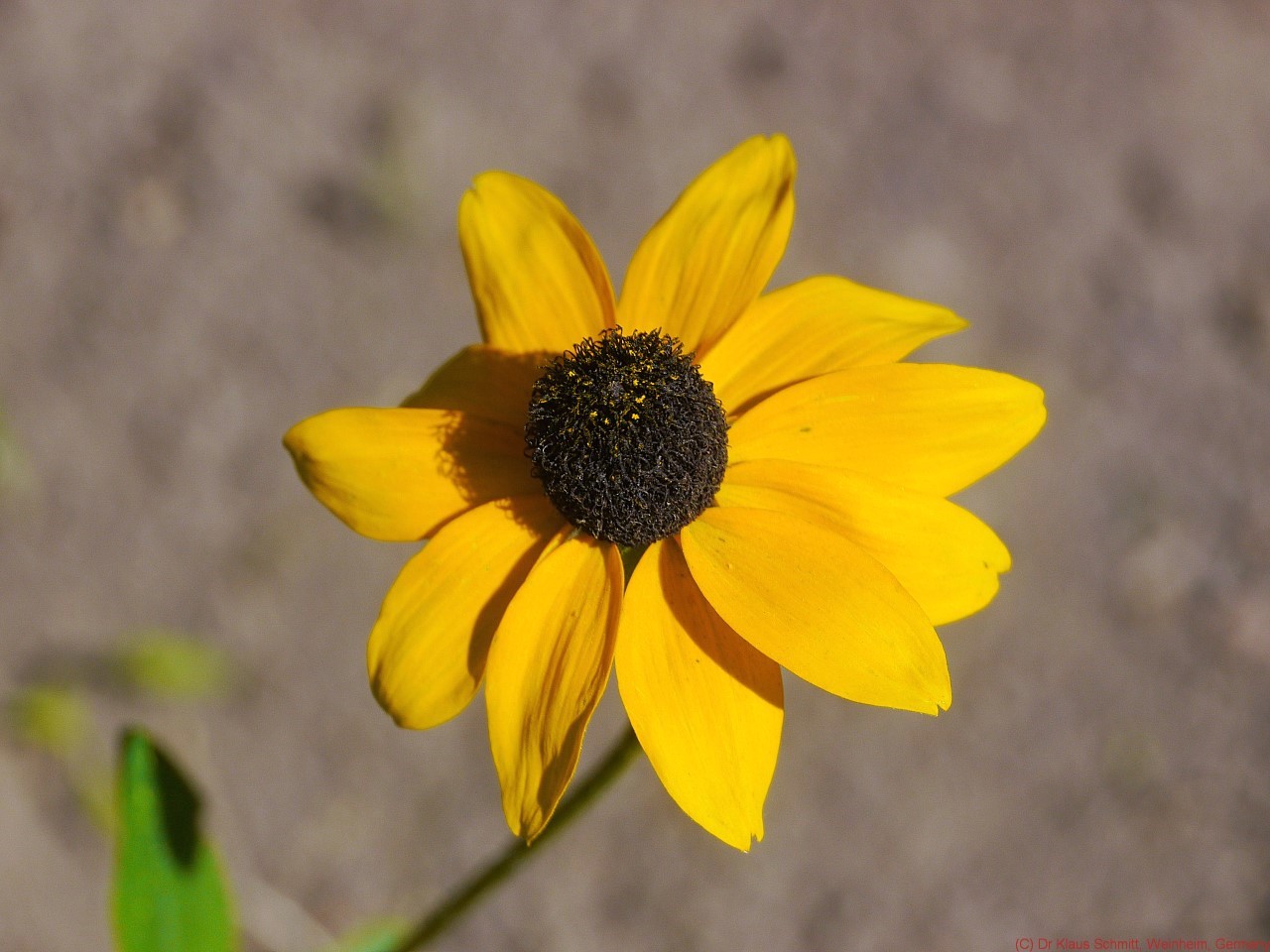
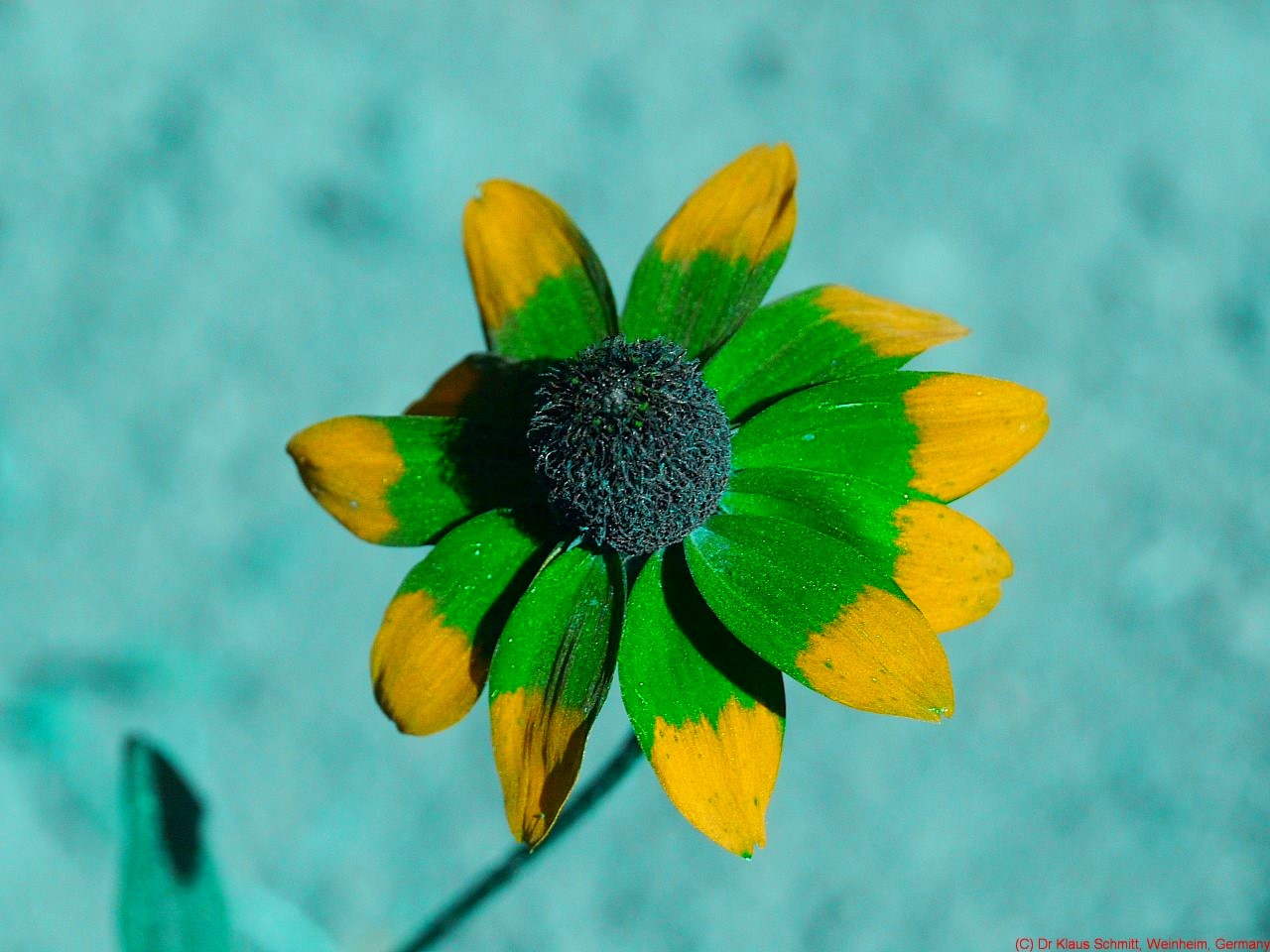
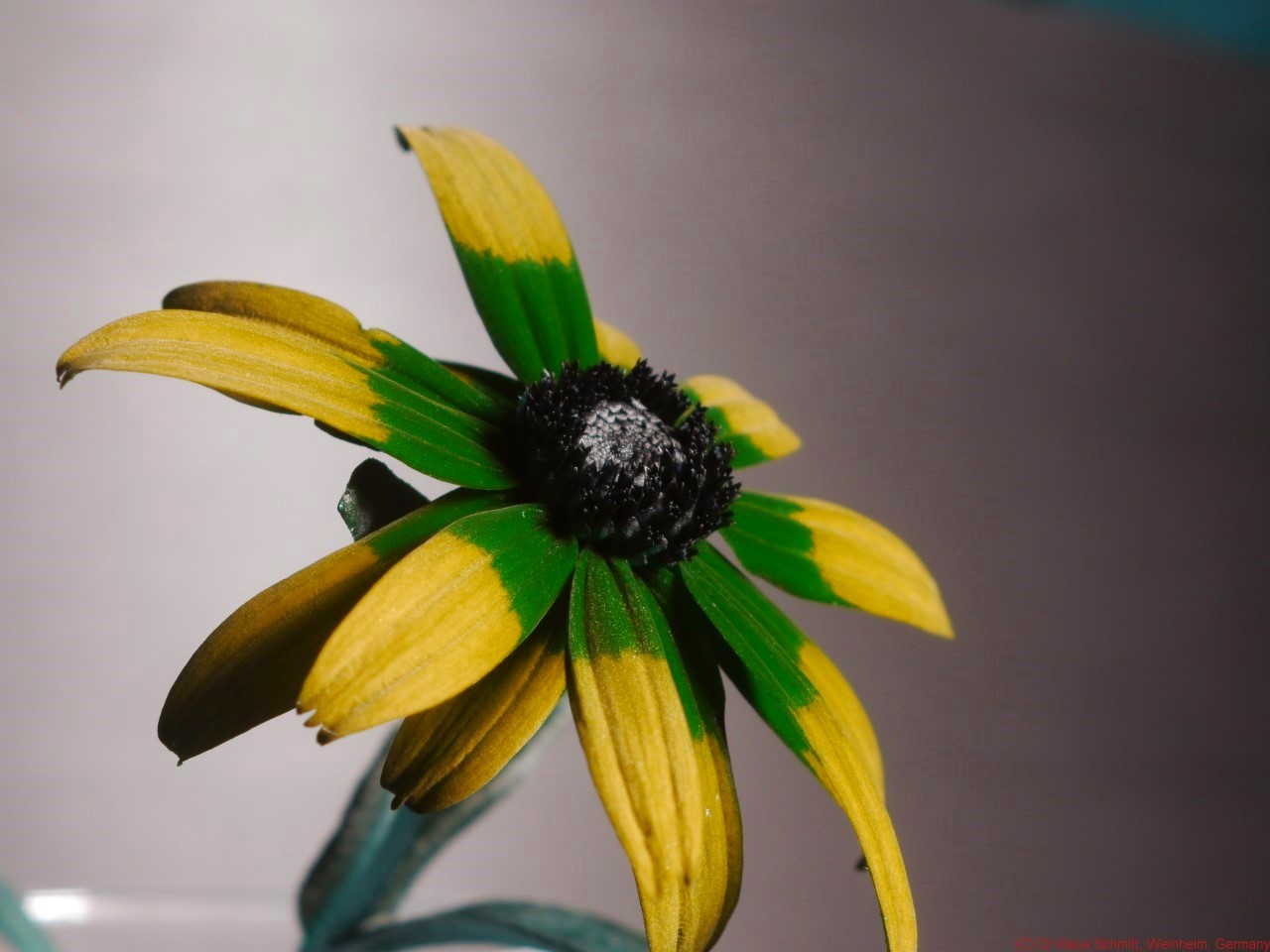
Orange coneflower - Rudbeckia fulgida in reflected ultraviolet photography and simulated bee vision VII

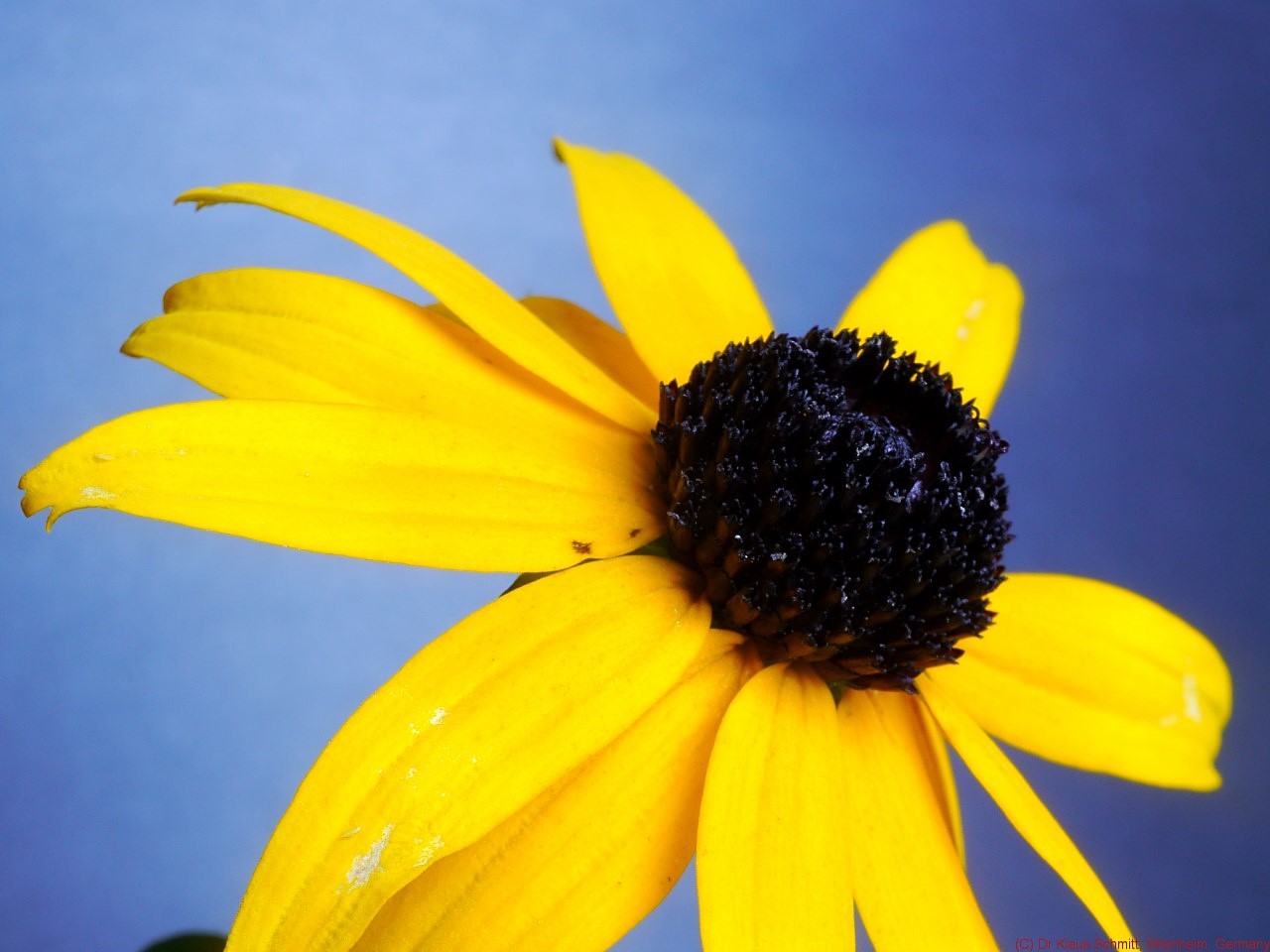
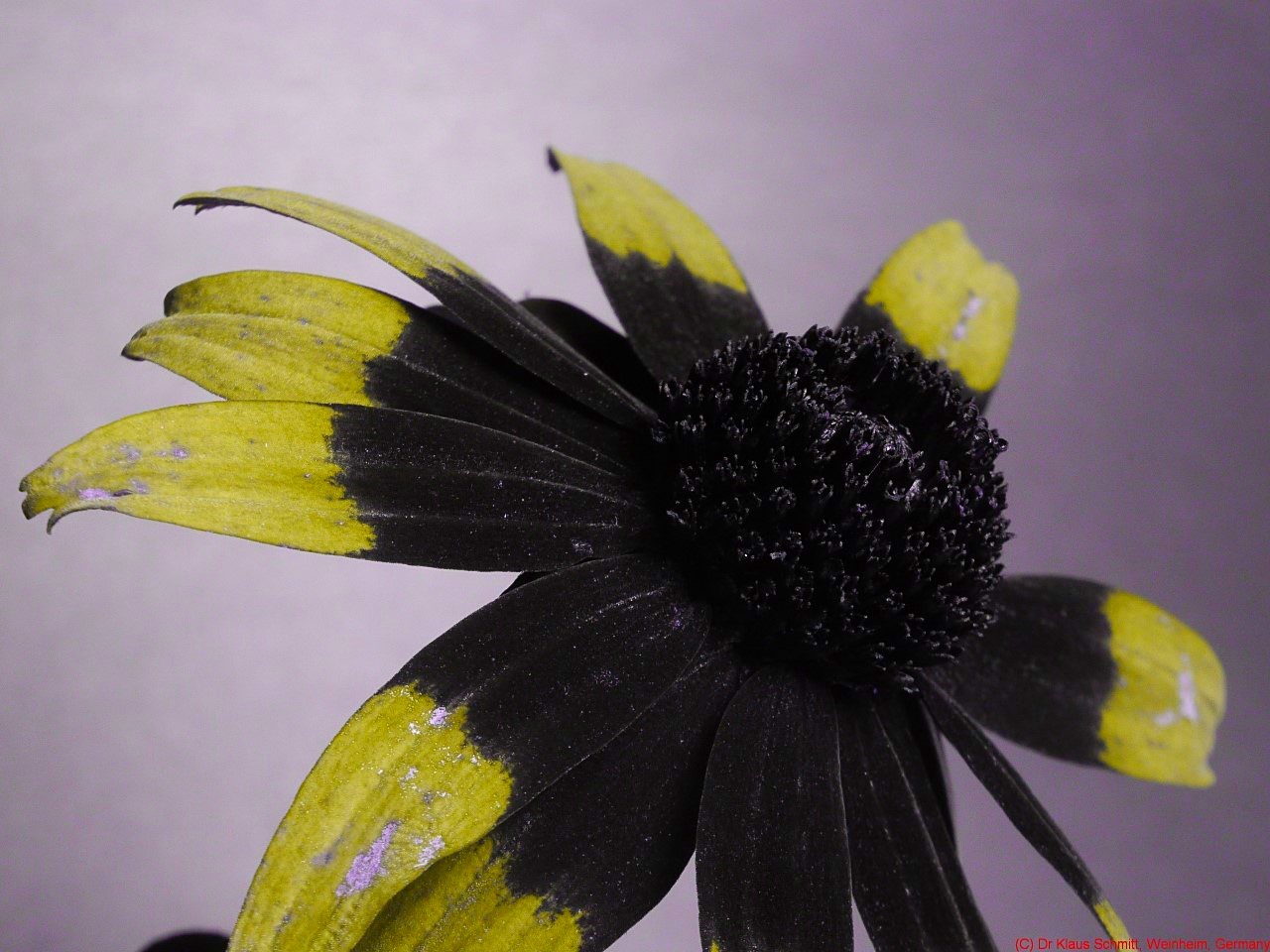
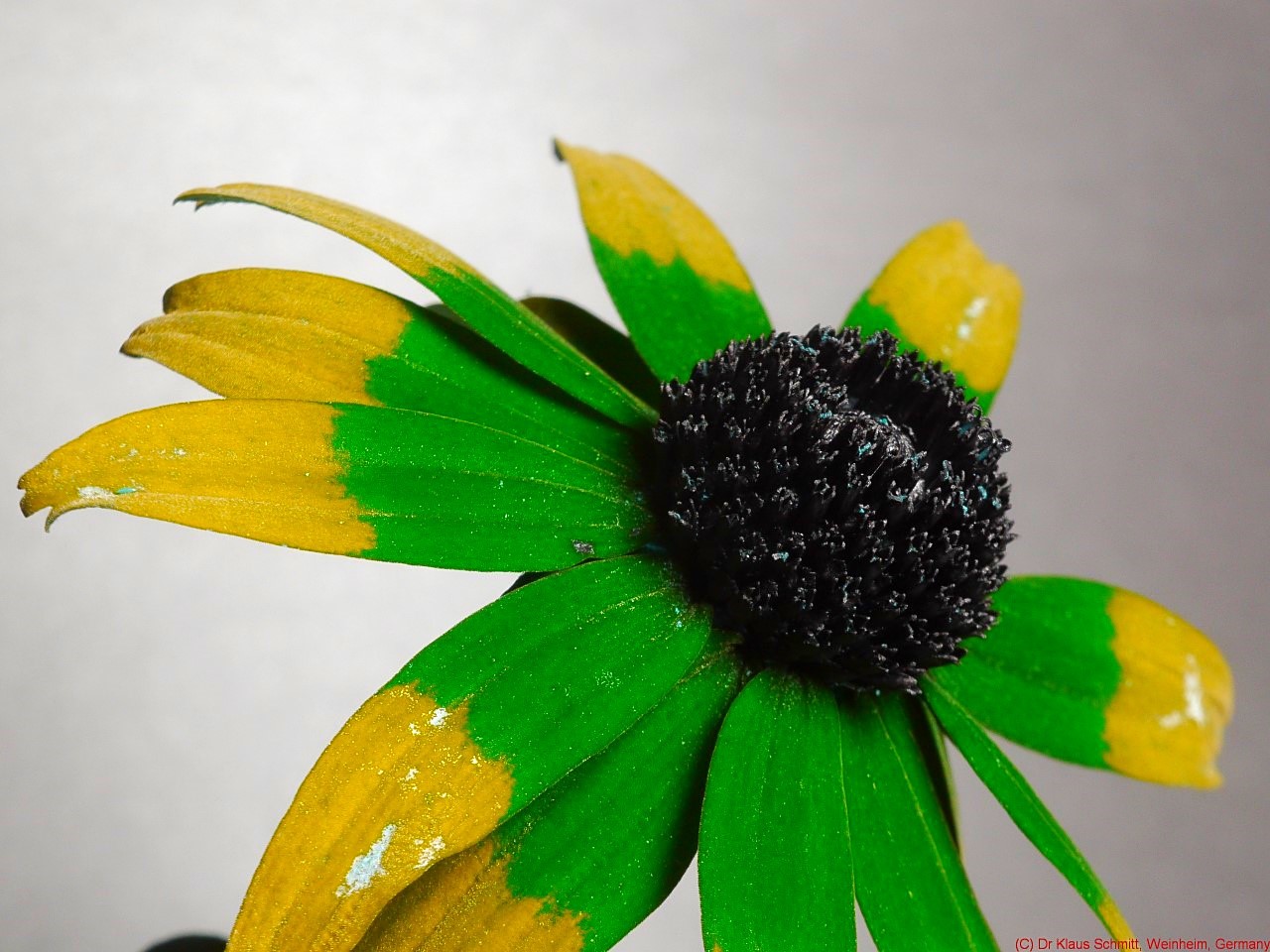
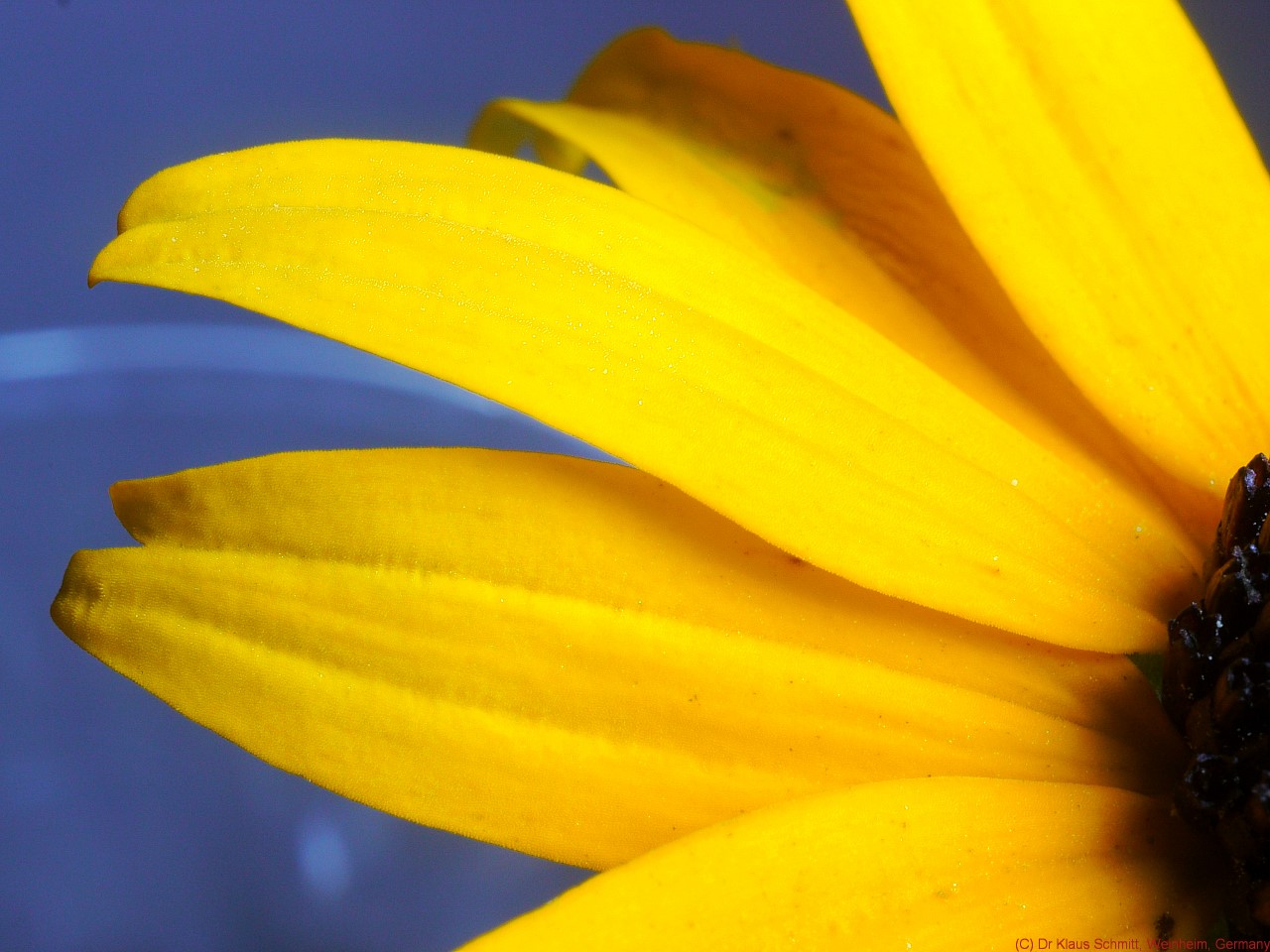
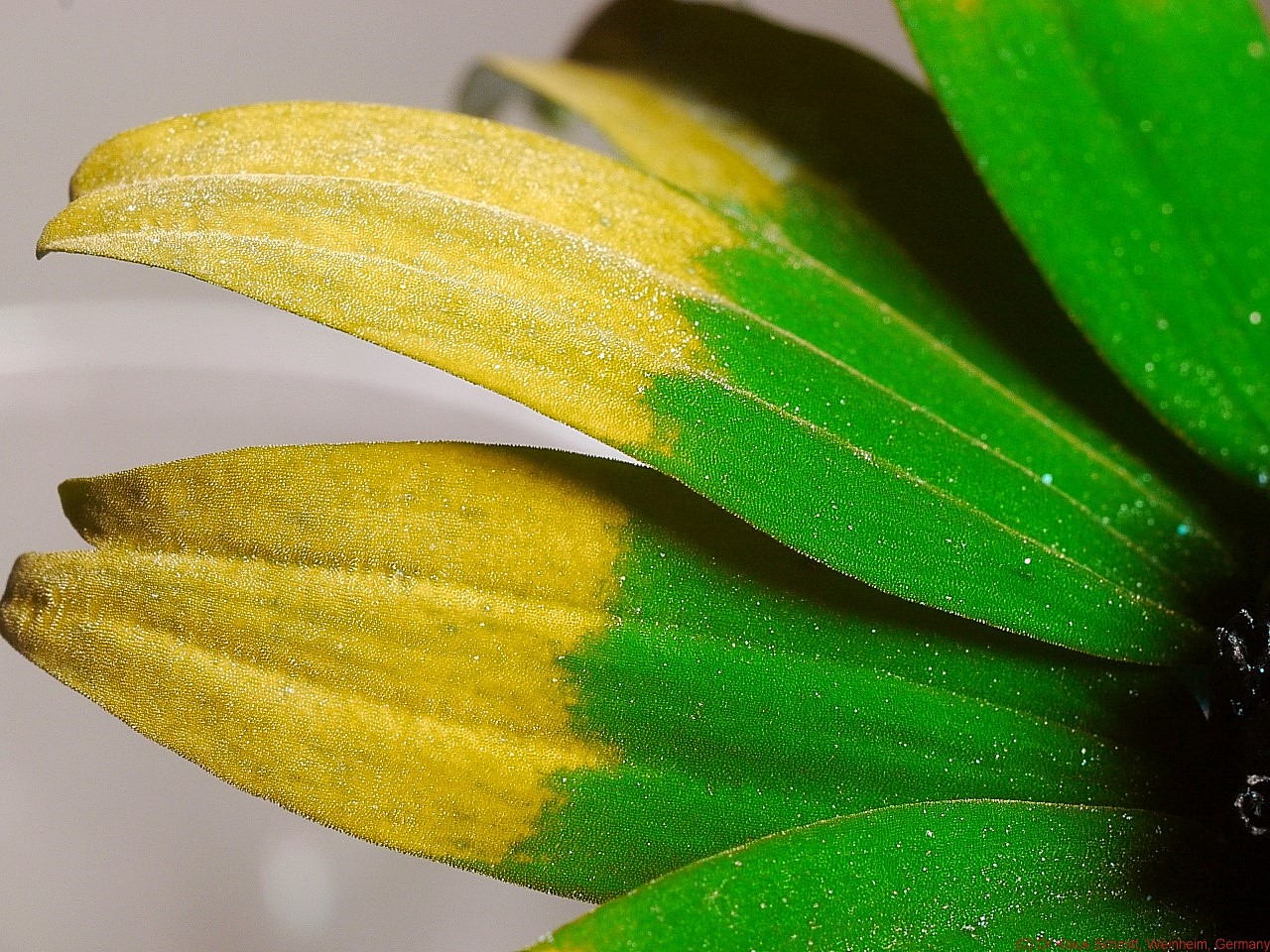
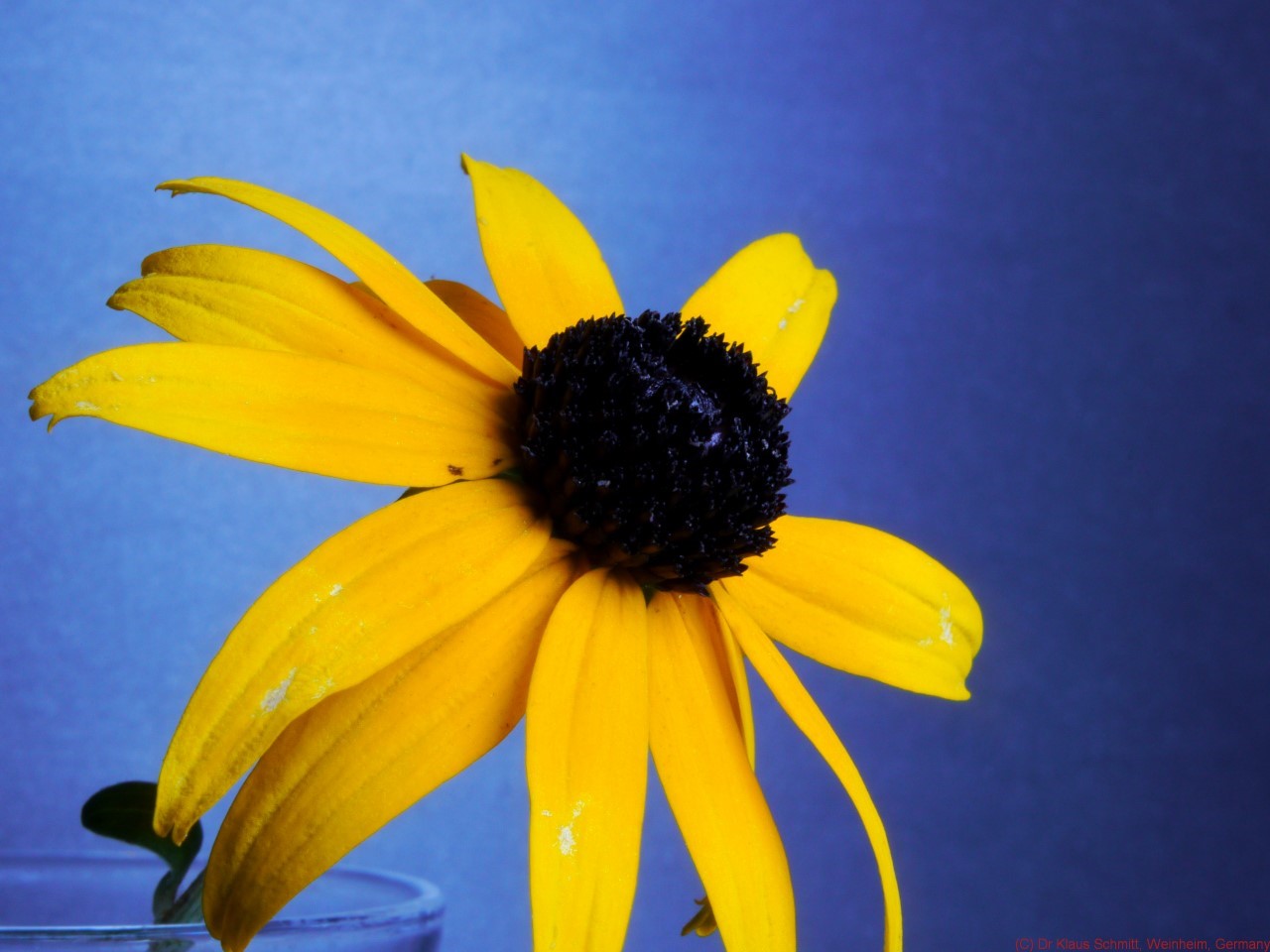
Today more shots of that decorative flower Orange coneflower - Rudbeckia fulgida var deamii in reflected ultraviolet using Baader-U filter and in simulated bee vision using my XBV6 filter. Lens used was an older f3.5/40mm enlarger lens. Light source was Xenon flash. All shots were done at f8.

[click on image to see a larger one]

Visible light image:  

UV image using Baader-U filter (approx. 320-395nm, effective peak approx. 375nm):  

Simulated bee vision image using experimental XBV filter:  
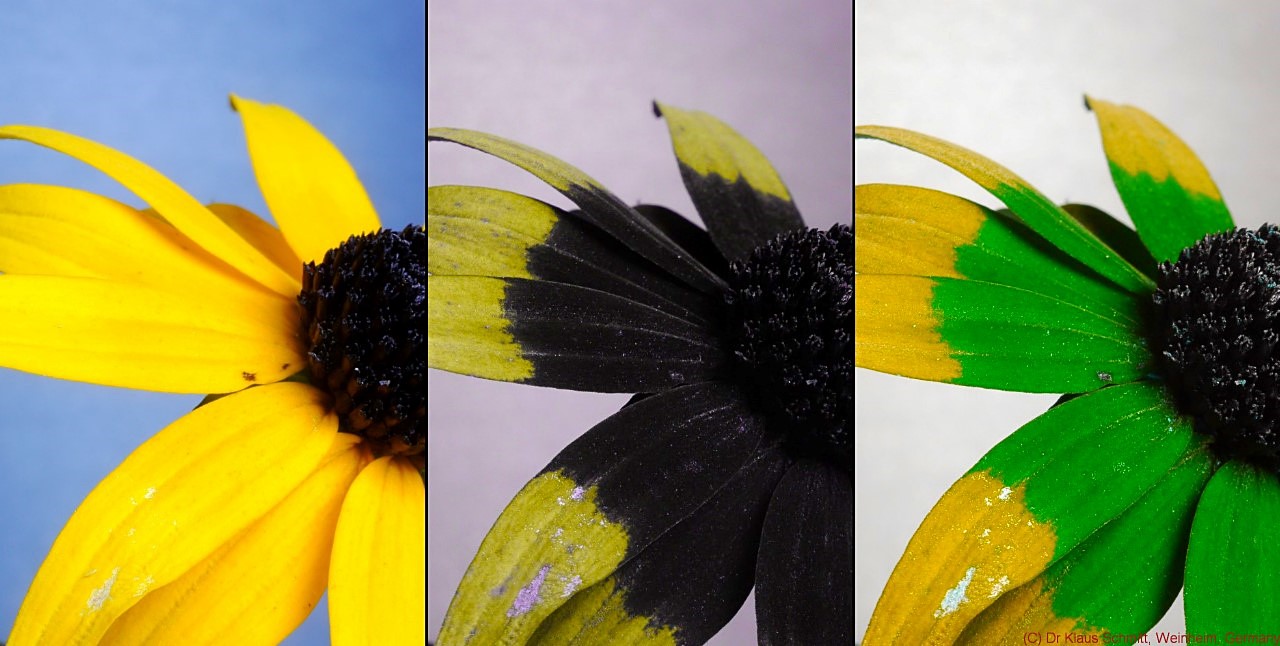
Triptych of the above images:  


This attractive flower shows its very specific UV pattern, its petals have an UV dark pattern, invisible to us humans. The lens being just an older enlarger lens, it transmits a little less UV (up to 340nm) than a capable UV lens like the Dialyte lenses used previously, but quite enough to make the UV pattern visible.

I have previously written about this flower HERE.

Stay tuned, more will follow on that fascinating subject...

Saturday, September 14, 2013

Orange coneflower - Rudbeckia fulgida in reflected ultraviolet photography and simulated bee vision VI

Today more macro shots of that decorative flower Orange coneflower - Rudbeckia fulgida var deamii in reflected ultraviolet using Baader-U filter and in simulated bee vision using my XBV6 filter. Lens used was an older 2.8/55mm triplet taking lens. Light source was Xenon flash. All shots were done at about f11.

[click on image to see a larger one]

Visible light image:  

UV image using Baader-U filter (approx. 320-395nm, effective peak approx. 375nm):  

Simulated bee vision image using experimental XBV filter:  

Triptych of the above images:  


This attractive flower shows its very specific UV pattern, its petals have an UV dark pattern, invisible to us humans. It also shows that in UV and BV damages on petals shows easier and earlier, and all this gets nicely visible. The lens being a "normal" taking lens, it transmits less UV than a capable UV lens like the Dialyte lenses used previously, yet enough to make the UV pattern visible.

I have previously written about this flower HERE.

Stay tuned, more will follow on that fascinating subject...

Friday, September 13, 2013

Orange coneflower - Rudbeckia fulgida in high resolution reflected ultraviolet photography and simulated bee vision V

Today more macro shots of that decorative flower Orange coneflower - Rudbeckia fulgida var deamii in reflected ultraviolet using Baader-U filter and in simulated bee vision using my XBV6 filter. Lens used was a 60's older 40mm Dialyte lens. Light source was Xenon flash. All shots were done at about f11.

[click on image to see a larger one]

Visible light image:  

UV image using Baader-U filter (approx. 320-395nm, effective peak approx. 375nm):  

Simulated bee vision image using experimental XBV filter:  

Triptych of the above images:  


This attractive flower in macro close up even more so shows its very specific UV pattern, its petals have a UV dark pattern, invisible to us humans. It also shows that in UV and BV damages on petals shows easier and earlier, and all this gets nicely visible.

I have previously written about this flower HERE.

Stay tuned, more will follow on that fascinating subject...
Thursday, September 12, 2013

Orange coneflower - Rudbeckia fulgida in high resolution reflected ultraviolet photography and simulated bee vision IV

Today high resolution macro shots of that decorative flower Orange coneflower - Rudbeckia fulgida var deamii in reflected ultraviolet using Baader-U filter and in simulated bee vision using my XBV6 filter. Lens used was a 60's older 40mm Dialyte lens. Light source was Xenon flash. All shots were done at about f11.

[click on image to see a larger one]

Visible light image:  

UV image using Baader-U filter (approx. 320-395nm, effective peak approx. 375nm):  

Simulated bee vision image using experimental XBV filter:  

Triptych of the above images:  


This attractive flower in macro close up even more so shows its very specific UV pattern, its petals have a UV dark pattern, invisible to us humans. It also shows the conical cell structures that enable insects to have a better grip on the surface when landed, and all this gets nicely visible.

I have written about this flower HERE.

Stay tuned, more will follow on that fascinating subject...

Saturday, September 7, 2013

Garden Nasturtium - Tropaeolum majus in reflected ultraviolet photography

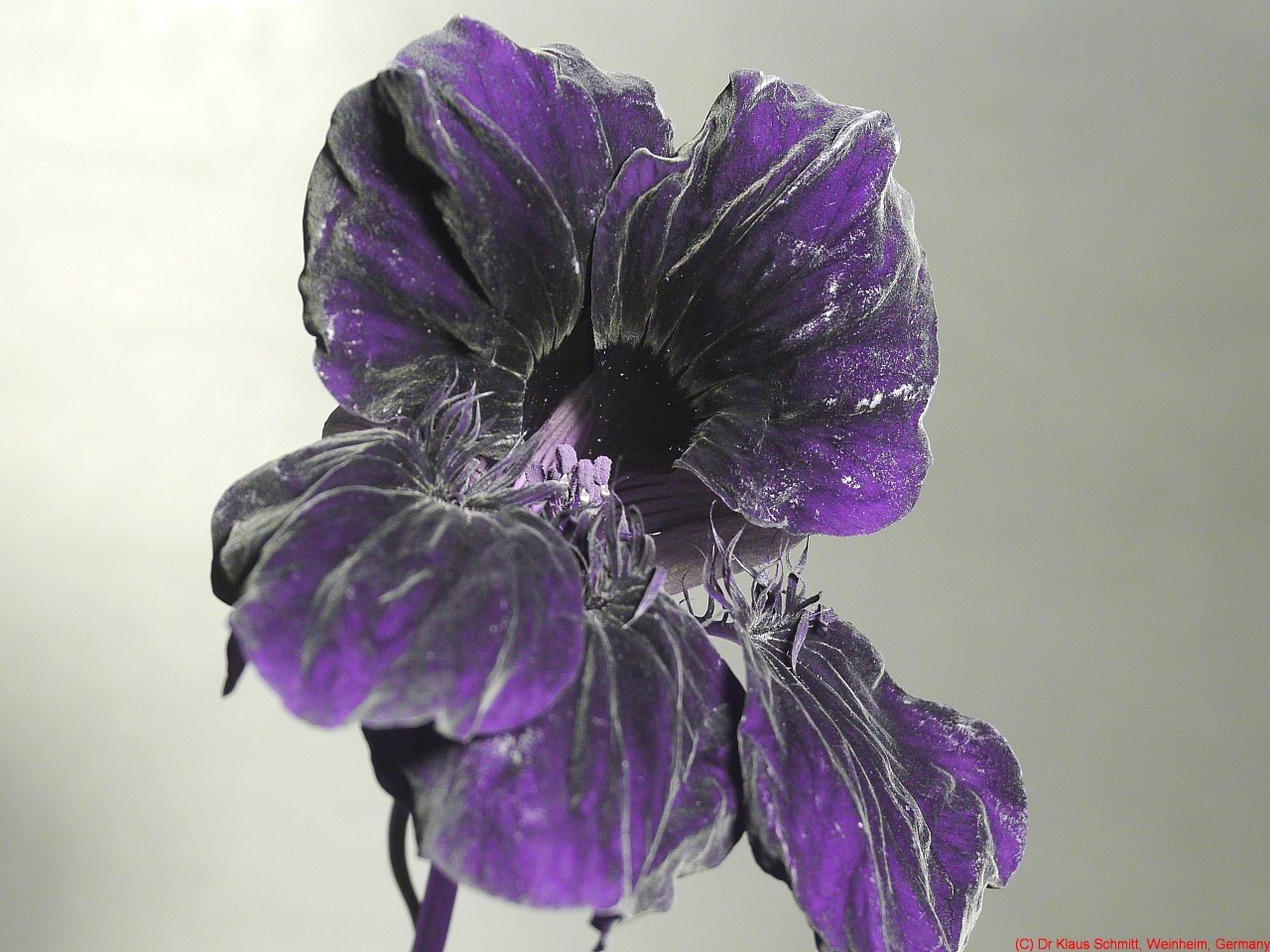
Today shots of a flower, Garden Nasturtium - Tropaeolum majus in reflected ultraviolet photography using my "work horse" UV filter, the Baader-U filter. Lens was my CERCO 94mm quartz flourite lens. Light source was Xenon light. All shots were done at about f5.6.

[click on image to see a larger one]

Visible light image:  

UV image using Baader-U filter (approx. 320-395nm, effective peak approx. 375nm):  

Triptych of the above images:  


This flower shows a UV pattern, its petals have some UV reflection around 385nm or the outside, inwards getting quite darker, its pollen is unsual UV light (most are quite dark), and its stamen is quite UV bright reflecting around 370nm, and all this gets nicely visible.


Stay tuned, more will follow on that fascinating subject...

Friday, September 6, 2013

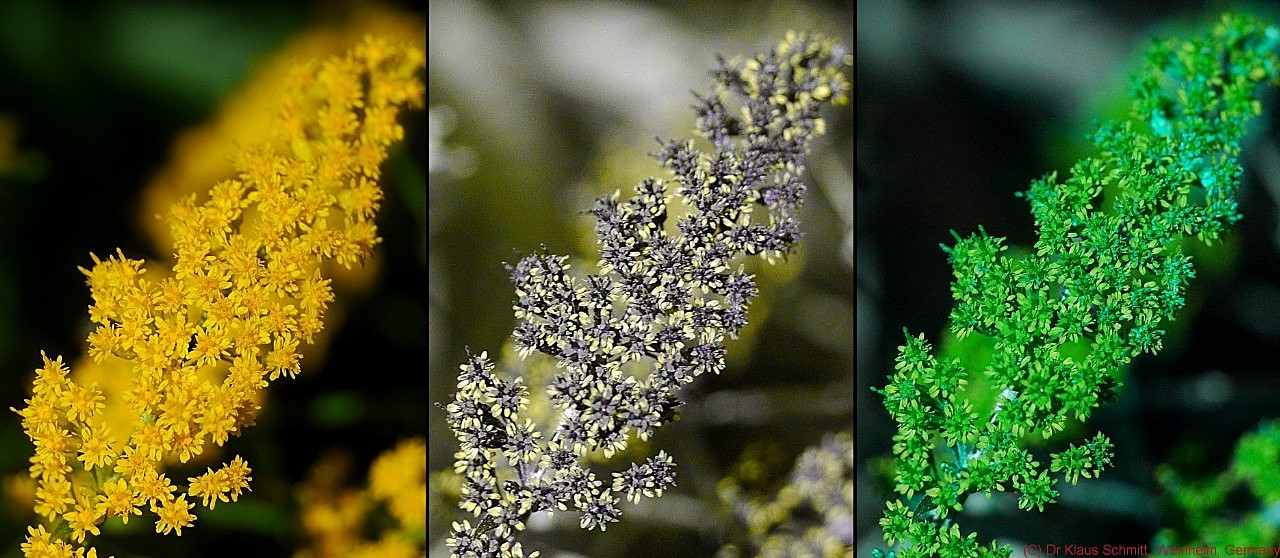
Goldenrod - Solidago in reflected ultraviolet photography and simulated bee vision

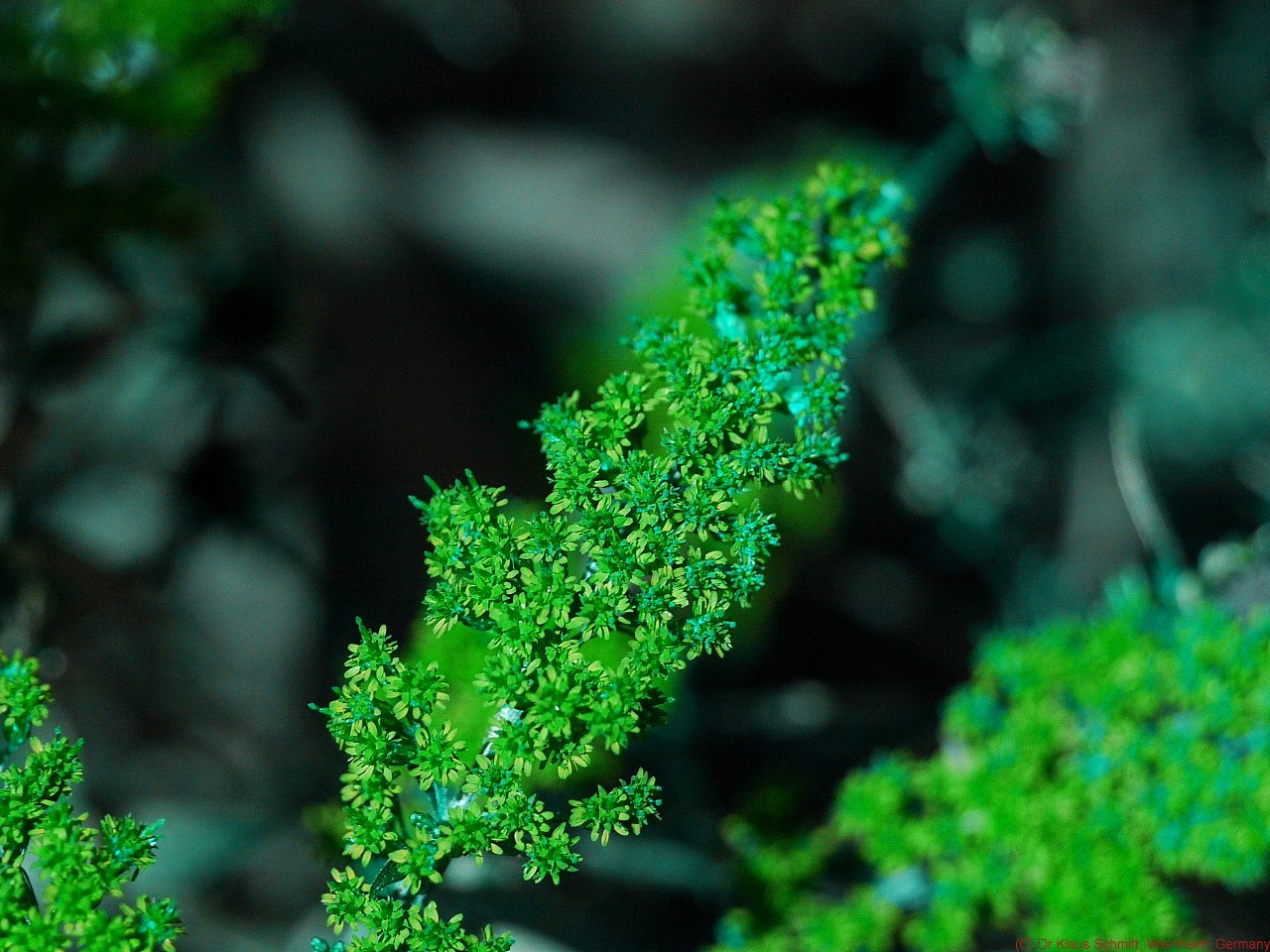
Today shots of a flower, Goldenrod - Solidago in reflected ultraviolet photography using my "work horse" UV filter, the Baader-U filter as well as in simulated bee vision using my XBV6 filter. Lens was my CERCO 94mm quartz flourite lens. Light source was sunlight. All shots were done at about f5.6.

[click on image to see a larger one]

Visible light image  

UV image using Baader-U filter (approx. 320-395nm, effective peak approx. 375nm):  

Simulated bee vision image using experimental XBV filter:  

Triptych of the above images:  


This flower shows a fine UV pattern, a bit hard to see as the inflorescence consists of so many tiny individual flowers, as its petals are very UV bright (around 365nm) and its center is UV dark, and all this gets nicely visible.


Stay tuned, more will follow on that fascinating subject...

Black-eyed Susan - Rudbeckia hirta in reflected ultraviolet photography and simulated bee vision

Today shots of a flower originating from the USA Prairie, black-eyed Susan - Rudbeckia hirta in reflected ultraviolet photography using my "work horse" UV filter, the Baader-U filter as well as in simulated bee vision using my XBV6 filter. Lens was my CERCO 94mm quartz flourite lens. Light source was sunlight. All shots were done at about f5.6.

[click on image to see a larger one]

Visible light image  

UV image using Baader-U filter (approx. 320-395nm, effective peak approx. 375nm):  

Simulated bee vision image using experimental XBV filter:  

Triptych of the above images:  


This flower shows a very prominent UV bullseye pattern, I would even say it is one of the most known flowers with UV pattern, as its petals are very UV bright (around 365nm) to about the middle and its center is UV dark (aging spots on this older flower can bee seen in UV+BV), and all this gets nicely visible.

I have previously written about that flower HERE.

Stay tuned, more will follow on that fascinating subject...