Showing posts sorted by date for query mirror lens. Sort by relevance Show all posts

Saturday, November 6, 2021

Russian Catadioptric ZIKAR-1A f1.2/100mm anastigmat lens for space use

Today about a lens I have forgotten to write about it here: the Russian catadioptric ZIKAR-1A f1.2/100mm anastigmat lens I found in 2018, which had been developed for the Russian space defence program, to detect fired rockets aiming at the (then) USSR from about 45.000 km away, mounted at some special (unknown) camera system from a satellite in orbit around earth. It is a catadioptric system with two Beryllium mirrors, very fast f1.2/100mm and some fluorite auxiliary lenses. Several such systems were successfully launched into space and were in operation several years long.

(source: net)

I found a russian document about it HERE (Google translated) :
On September 19, 1972, the first space-520 experimental SPACECRAFT was launched from the Plesetsk cosmodrome. On Board in addition to the control equipment and reset information were installed two types of BAO: television (MBT-A) and heat direction finding (105-A). The TV-type equipment was a two-chamber receiver with IR-vidicons Radian with a lens”Zikar-1A". One camera had a relatively wide angle of view (SPK) and the other narrow band (UPK). The field of vision of the CPC was inside the field of vision of the SPC. The TP-type equipment had one line of fifty sensitive elements scanning the field with the help of a swinging mirror. The total field of view was no more than 10 square degrees. (end)


From that and more data I found that it was designed for SWIR, 1.5 - 2.5 microns, I assumed that this lens would only useful for IR and possible visible light, but having it on my spectrometric UV-VIS-IR system surprisingly revealed that it could be used in UV down to 320nm!

(own spectrometric measurement)


Further research showed that his lens was a part of TB (телевизионная аппаратура) unit, possibly used as an auxiliary lens to help aiming a much larger main lens unit. That main TП (теплопеленгатор) unit was a massive lens with a main mirror having a diameter of one meter (100 centimeters or 1.000 millimeters) [early versions УС-К had a diameter of 50cm; later versions УС-КМО had 100cm (1.000 millimeters)].

That impressive main unit УС-К/УС-КМО looked like this:

(source: net)

1 - a mirror made of vitrified beryllium with a diameter of 60 cm, the surface shape being a convex hyperbola of the second order.
2 - a mirror made of vitrified beryllium with a diameter of 100 cm, a surface shape being an aspheric of the 12th order.
3 - correcting lenses made of fluorides of calcium and lithium.


That ZIKAR-1A lens will be given a suitable adaption to fit my digital multispectral cameras and I will certainly take multispectral photos with it as soon as possible and report about here later on. That will not be easy, as it has a very short back focal length.

Data of this lens, as well as its normal (= non catadioptric) quartz fluorite sister lenses with shorter focal length may be found on my macrolenses database site HERE


Stay tuned, more will follow on that fascinating subject...
 

Monday, June 8, 2020

Mirror lens for reflected UV photography pictorialism style II

Today more about using an older, rather overlooked 250mm mirror lens for reflected UV photography. The lens had been modified to accept a filter in its rear mount and also modified to M42 threads mount due to its orgiginal special mount for cine use. The lens focuses now from infinity to very close, a pleasure to use but due to is long focal length of 250mm still tricky to nail focus.

DOF at one (1) meter (3ft) is as thin as a razor blade when using this 250mm mirror lens and that doughnut shaped bokeh etc. makes it fun to use. Here now shots, quite reminds me of 19th century pictorialism.

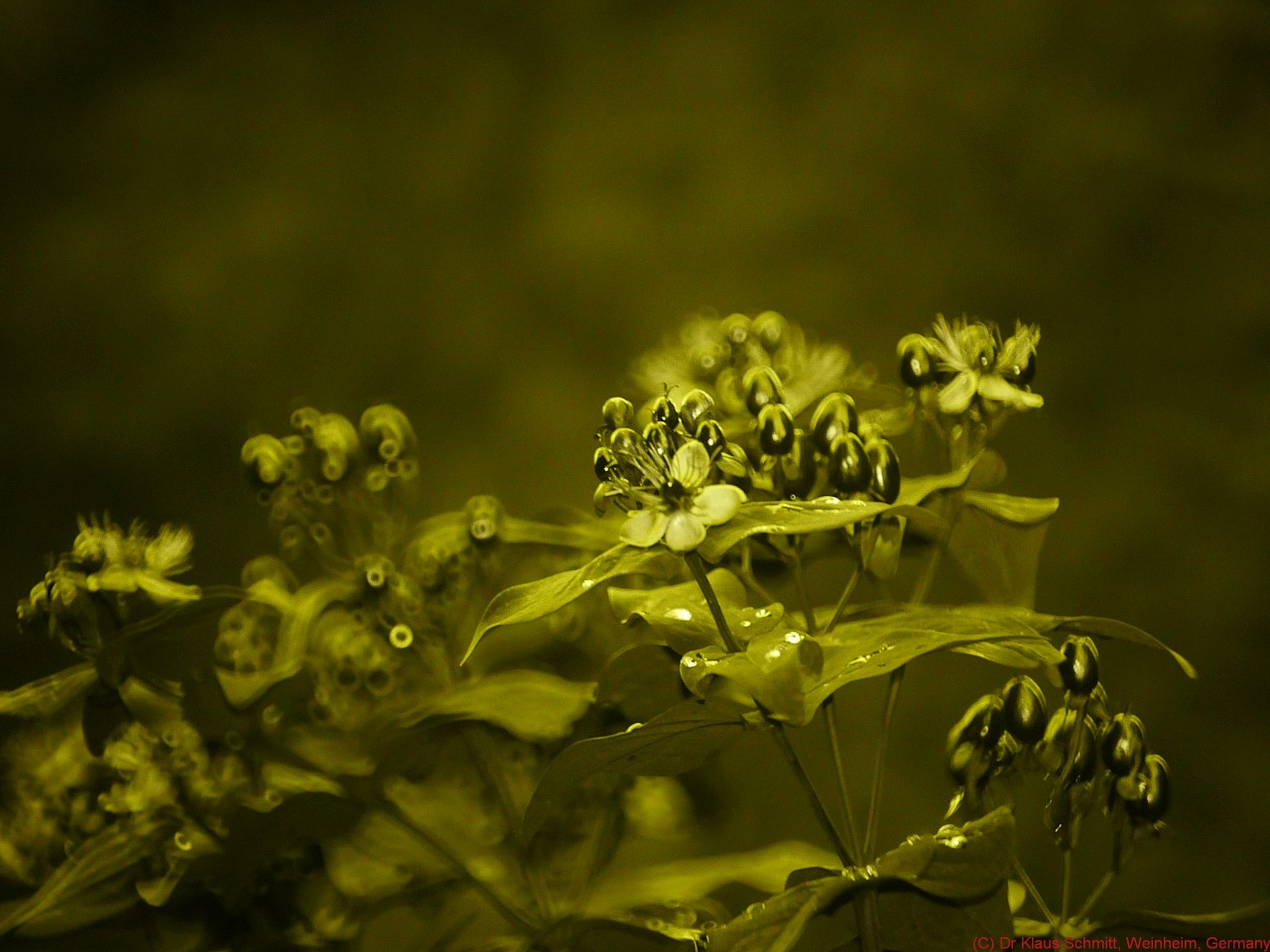
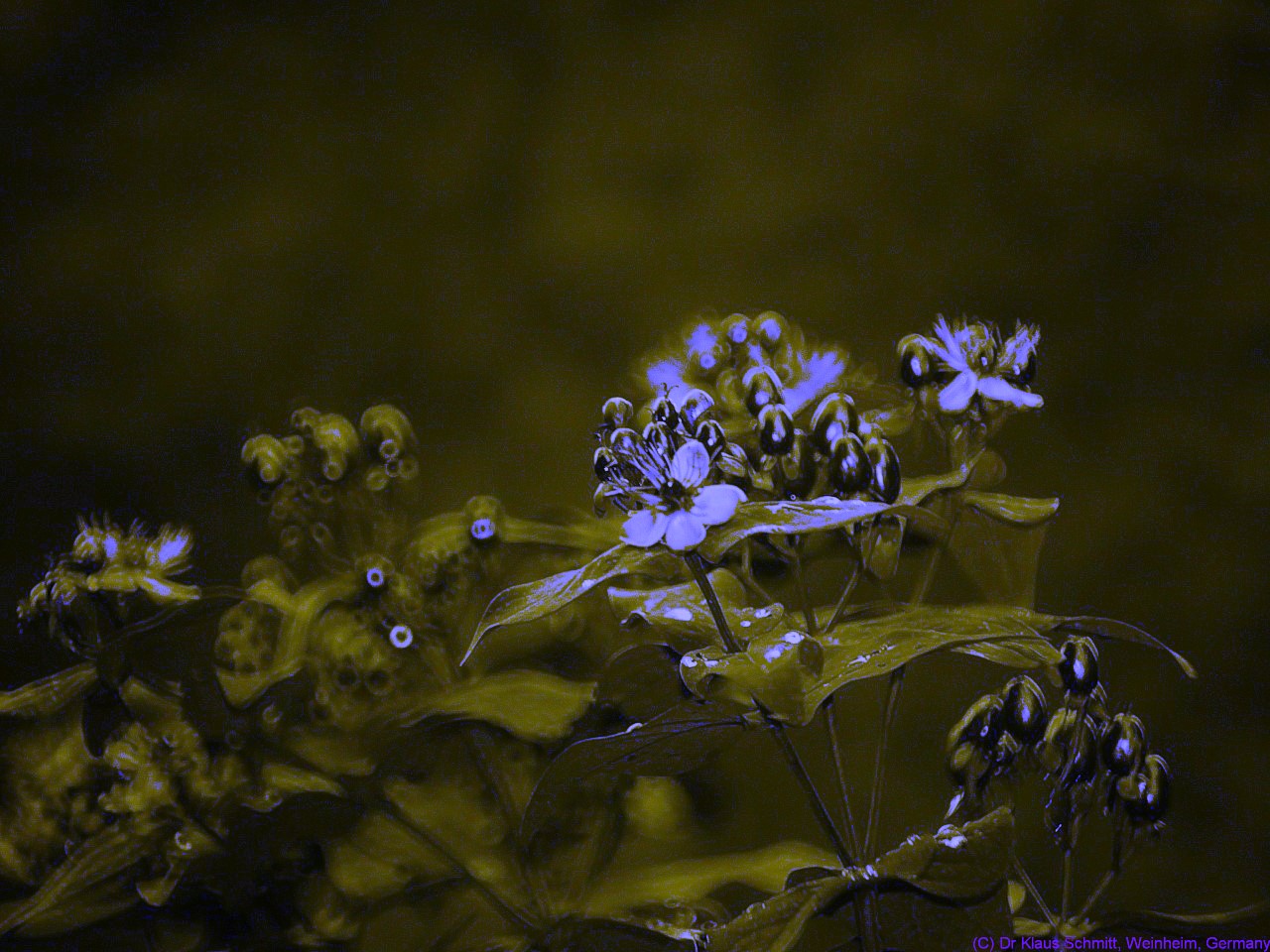
Here I used Hypericum and Bidens as targets. Light was sunlight (shade after rain) plus some 365nm Nichia UV LED light .

[click on image to see a larger one]

Hypericum:


whitebalanced it looks like that:


Bidens:


whitebalanced it looks like that:


which shows its dreamlike/surreal/ethereal rendering of images and of course the famous doughnut bubbles mirror lenses produce...

More about using mirror lenses for UV photography HERE

Stay tuned, more will follow on that fascinating subject...

More info on this very interesting field may be found on my site http://www.pbase.com/kds315/uv_photos

Saturday, June 6, 2020

Mirror lens for reflected UV photography pictorialism style

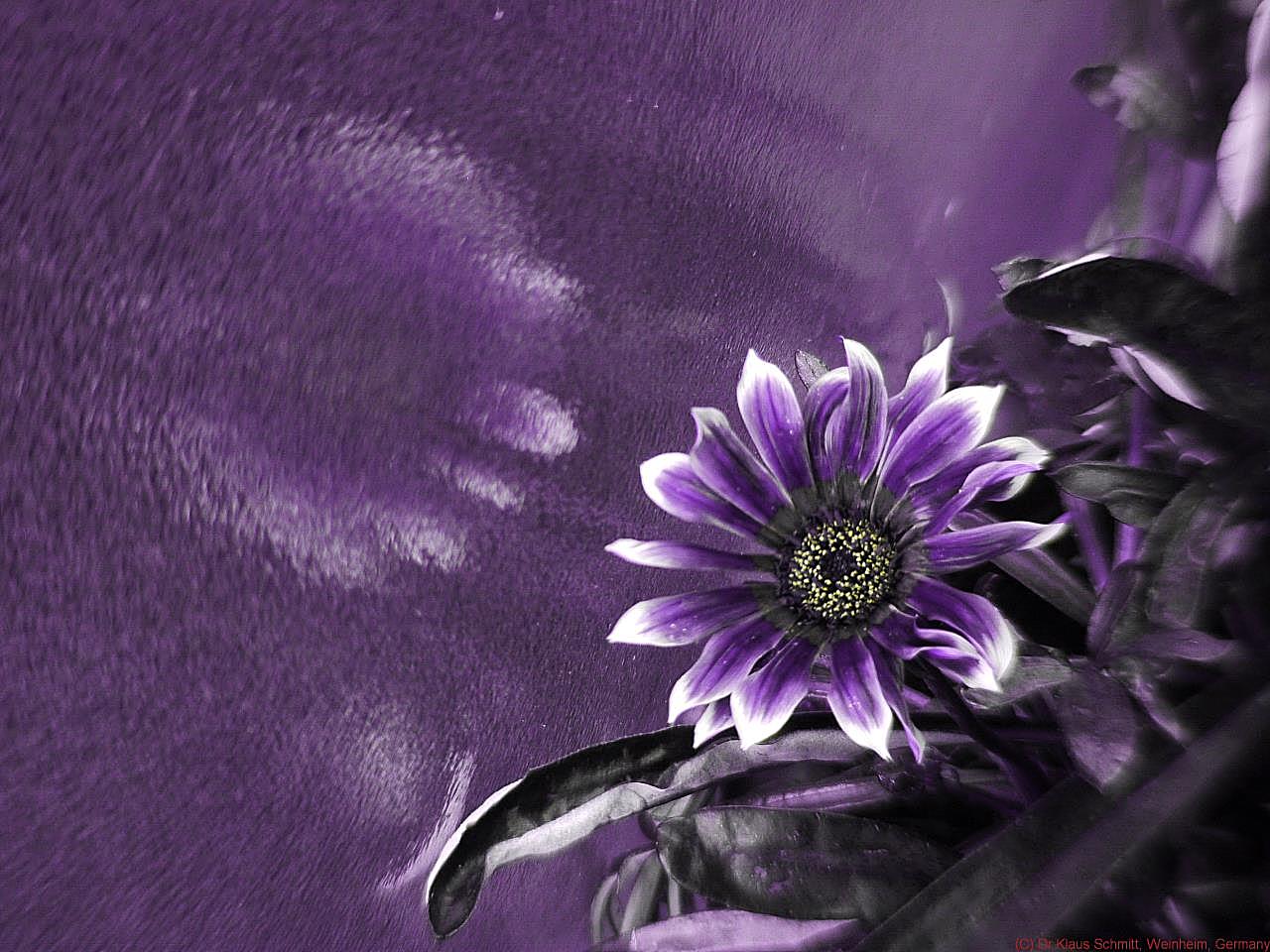
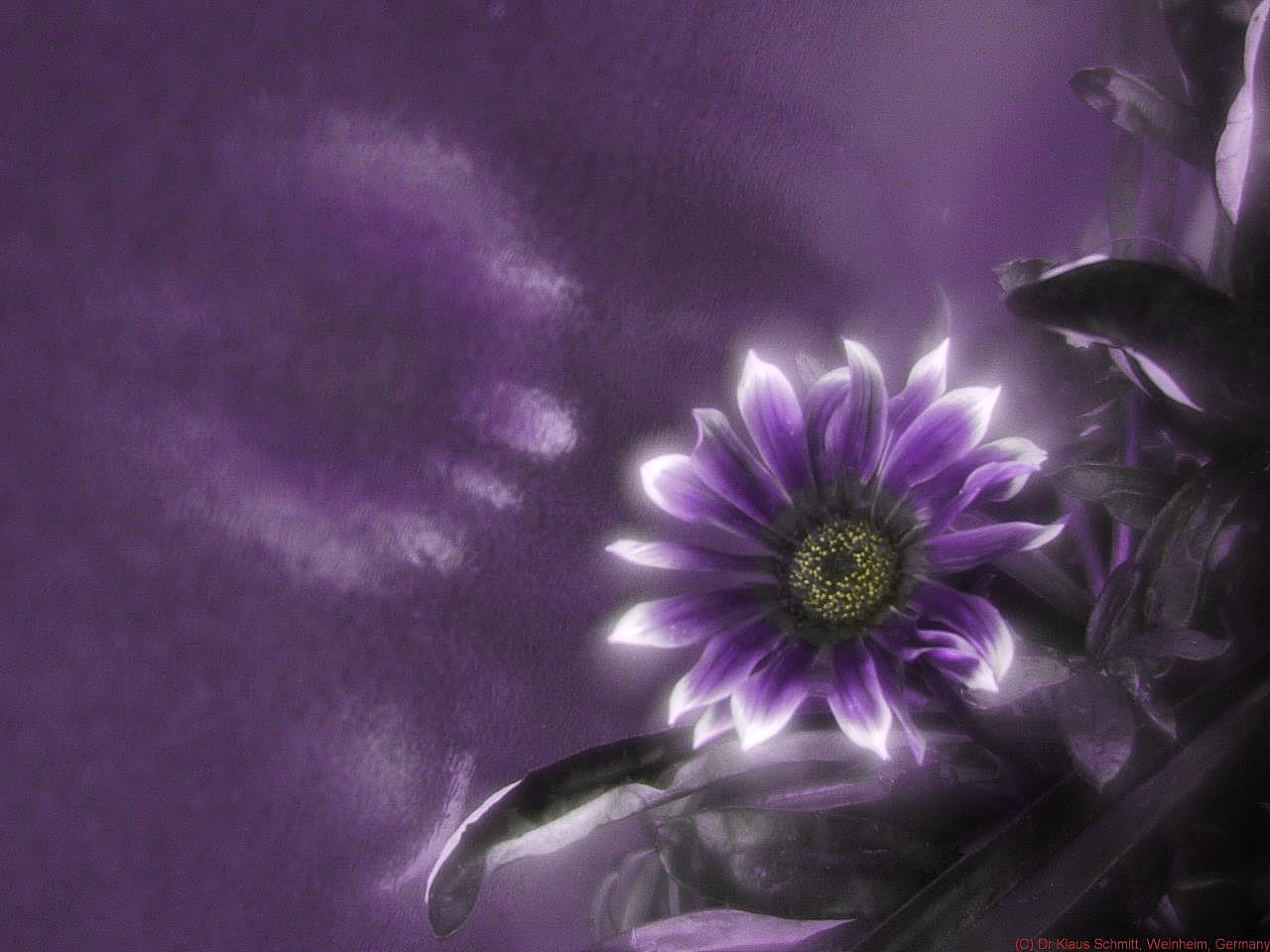
Today about using an older, rather overlooked 250mm mirror lens for reflected UV photography. The lens had been modified to accept a filter in its rear mount and also modified to M42 threads mount due to its orgiginal special mount for cine use. The lens focuses now from infinity to very close, a pleasure to use but due to is long focal length of 250mm still tricky to nail focus.

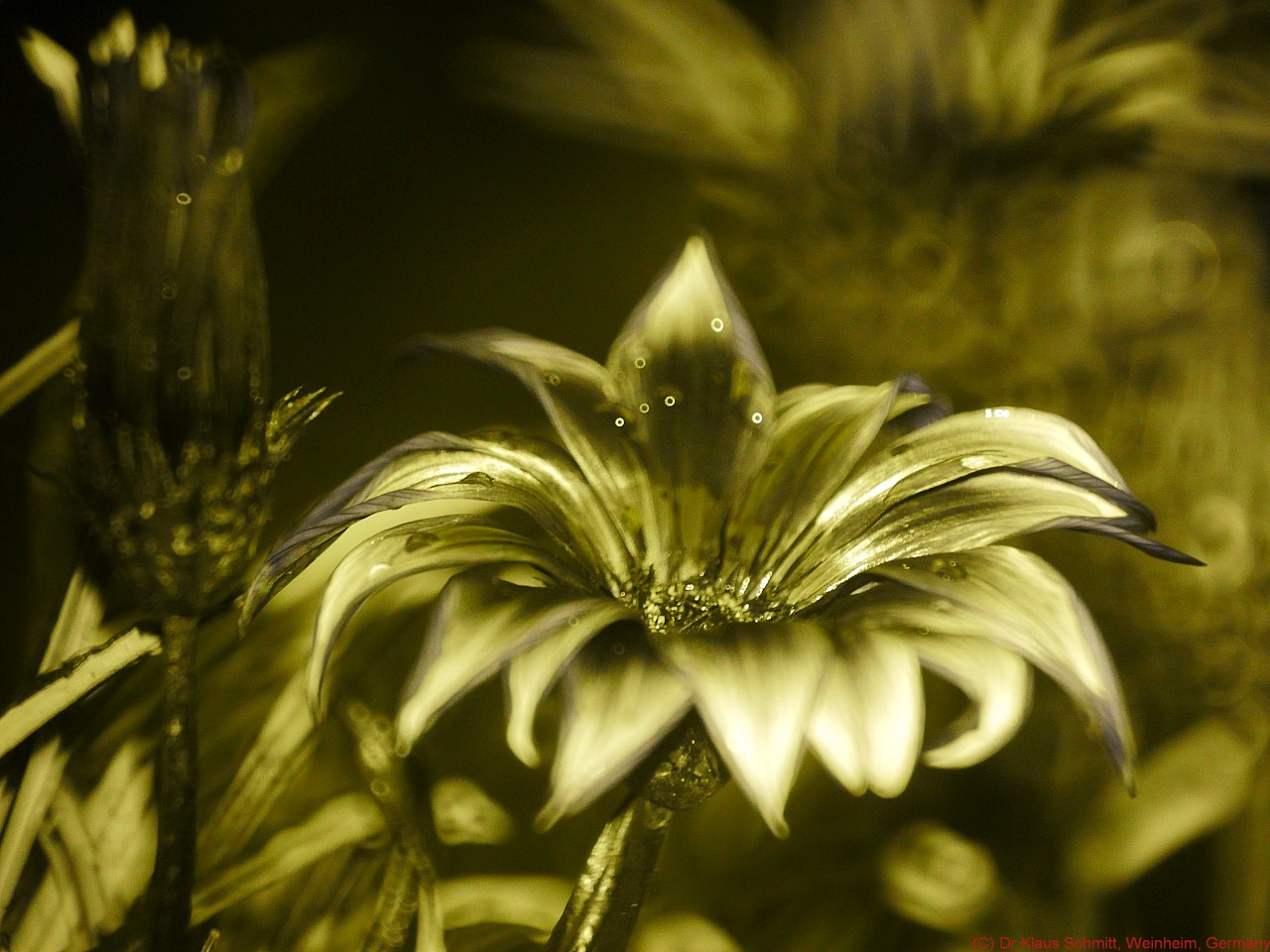
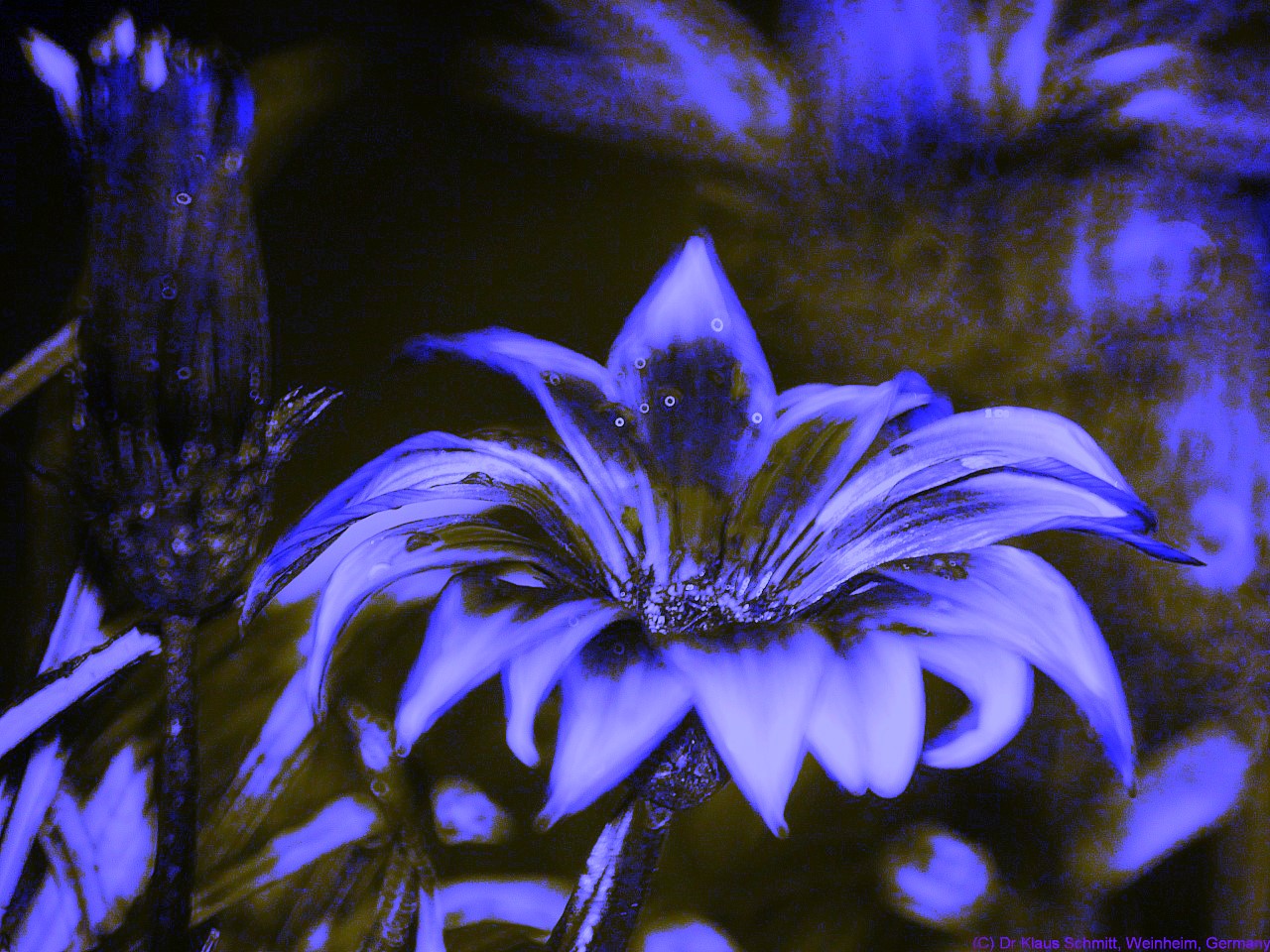
A whiteish flower, a Treasury flower - Gazania rigens was used for that. Light was sunlight (shade after rain) plus some 365nm Nichia UV LED light .

[click on image to see a larger one]

DOF at one (1) meter (3ft) is as thin as a razor blade when using this 250mm mirror lens and that doughnut shaped bokeh etc. makes it fun to use. Here now shots, quite reminds me of 19th century pictorialism....


whitebalanced it looks like that:


which shows its dreamlike/surreal/ethereal rendering of images and of course the famous doughnut bubbles mirror lenses produce...

More about using mirror lenses for UV photography HERE

Stay tuned, more will follow on that fascinating subject...
More info on this very interesting field may be found on my site http://www.pbase.com/kds315/uv_photos

Thursday, May 7, 2020

Flower Full Moon in reflected ultraviolet (UV) photography

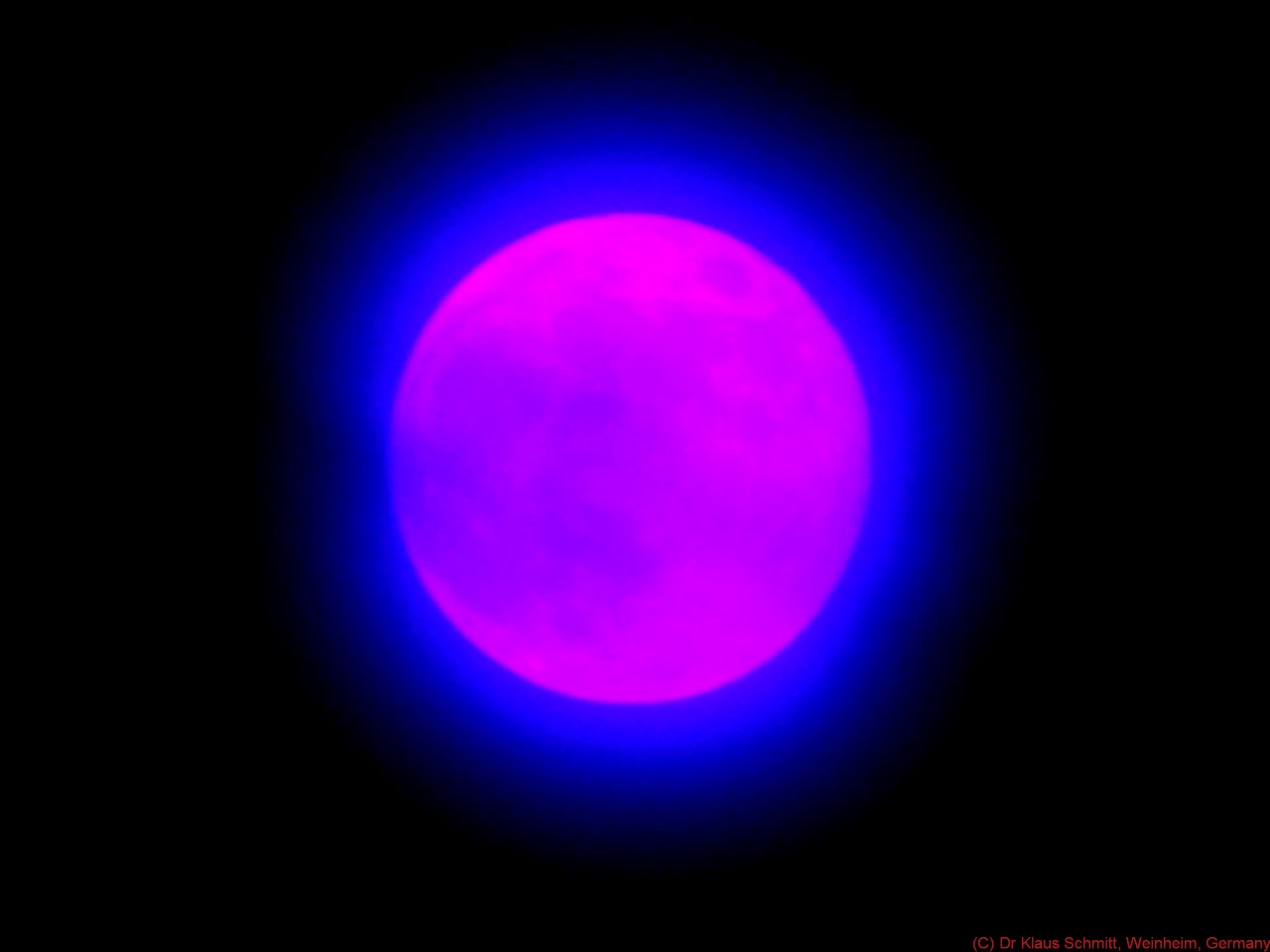
Today is the spring full Flower Moon, the last Supermoon in 2020, which I have shot today in some foggy conditions in reflected ultraviolet photography using a special XNUV and the Baader-U UV filter. Lens was my very special 800mm LDM-1 KATOPTARON mirror only lens on my multispectral camera.

[click on image to see a larger one]

XNUV Filter (fog was coming up...):


Baader-U Filter:


Baader-U filter (whitebalanced):


Indeed, the moon has UV reflectance and it can be recorded using proper equipment, which makes it nicely visible.

I have written about photographing the Moon previously HERE
 
Stay tuned, more will follow on that fascinating subject...
Saturday, December 1, 2018

[UV, VIS, IR] Lyman Alpha deep UV lenses V - Oncostele orchid

Today shots of a Orchid hybride (Oncostele Wildcat 'Golden Red Star') in reflected ultraviolet photography with a NYE OPTICAL Lyman-Alpha I f2.8/100mm UV-VIS-NIR lens. UV filters used was the Baader-U filter for the Lyman Alpha 100mm, rear mounted. All shots were done at f2.8 as the Lyman Alpha lens has no iris. Light source used was two different Nichia 365nm UV-LEDs, one a cheap Convoy S2 UV mini torch.

[click on image to see a larger one]

For reference, visible light shot (UV-Nikkor 105mm):
 

Lyman Alpha I lens UV using Baader-U filter and Convoy S2 UV LED:
 

Lyman Alpha I lens UV using Baader-U filter and Convoy S2 UV LED:
 

Lyman Alpha I lens UV using Baader-U filter and strong Nichia UV LED:
 

This orchid has a very specific UV pattern, its petals are very UV dark, but its lower petal lip has on the lower center a very UV bright spot as well as on its center "nose" formation an UV reflecting spot and all this gets nicely visible, also with this Lyman Alpha I f2.8/200mm mirror only lens.

I have written about the Nye Lyman-Alpha lenses previously HERE and about this Orchid HERE
 
Stay tuned, more will follow on that fascinating subject...

More info on this very interesting field may be found on my site http://www.pbase.com/kds315/uv_photos

Saturday, November 17, 2018

ZUFAR 4/350mm and its prototype quartz fluorite catadioptric lens III

Today again about that Quartz Fluorite catadioptric ZUFAR-2CA f4/350mm anastigmat lens which had been developed for the Soviet MARS 2 to 5 missions to planet Mars. I'm rather excited to report that I  found and bought the grandfather of this ZUFAR-2 space lens from planet Mars exploration, a prototype lens with a very different internal name Ob-512, but company data (LOMO) I was able to locate confirmed my suspicion, it is indeed one or even "the" factory prototype of it. 


Top Ob-512 prototype, Bottom: ZUFAR-2CAM lens

The prototype OB-512 also was made of synthetic Quartz and Calcium Fluorite (CaF2) crystals to be able to work in UV and also visible light, designed for 200-700nm without focus shift, so actually is an apochromatic (APO) f4.7/350mm catadioptric lens as per its lens passport. Lens transmission is >57%. Viewing angle is approx. 3 degrees (later 4 degrees). Image diameter 24.6mm. 51mm back focal length. Its weight is 2.2 kilograms, which was later changed in the final ZUFAR-2 CA lens to 1.8 kg using special alloys, as every gram counted then for space missions.

Those ZUFAR lenses have been designed in the 70s under the lead of Institute head and chief designer Prof. Volosov together with N. Khmelnikova, I. Driatskaya, K. Mikhailova at GOI, the russian state lens design institute in St. Petersburg / Leningrad. Details were published by Prof Volosov in 1974.

(Made for my use by my dear friend Marco Cavina)


Optical data of the Ob-512 prototxpe as per Volossov et al.

This lens was made to be used on a very elaborate camera system which could take multispectral images on film, develop that and scan it and send the scanned data back to Earth in selectable resolutions (up to 2000x2000 pix, which took over one hour to transmit).


NASA also wrote about this lens (quote):

Zufar objectives were used on the television cameras carried by the Mars-2, 3, 4, and 5 spacecraft. The compact catadioptric quartz-fluorite anastigmat was developed as a result of research on the possible optical arrangements of lens and mirror-lens systems meeting the rigid criteria for spaceborne operation. The system is characterized by precise correction of all aberrations over a broad spectral range, about 300-700 nm. The spectral transmission is about 60% over this range. The Zufar-2CA version of the objective has a geometric aperture ratio of 1:4 and a focal length of 350 mm. The image format is 24 x 24 mm. The housing is 164 mm long and 130 mm in diameter, and the mass of the objective is 1500 g.

Here one of the published images from Mars taken on Mars-5 mission:


The lens will be given a suitable adaption to fit my digital multispectral cameras and I will certainly take multispectral photos with it as soon as possible and report about here later on.

Data of this lens, as well as its normal (= non catadioptric) quartz fluorite sister lenses with shorter focal length may be found on my macrolenses database site HERE

There is more about this lens HERE.


Stay tuned, more will follow on that fascinating subject...
 

Tuesday, October 23, 2018

LDM-1 long distance microscope for reflected UV (ultraviolet) light and African Violet

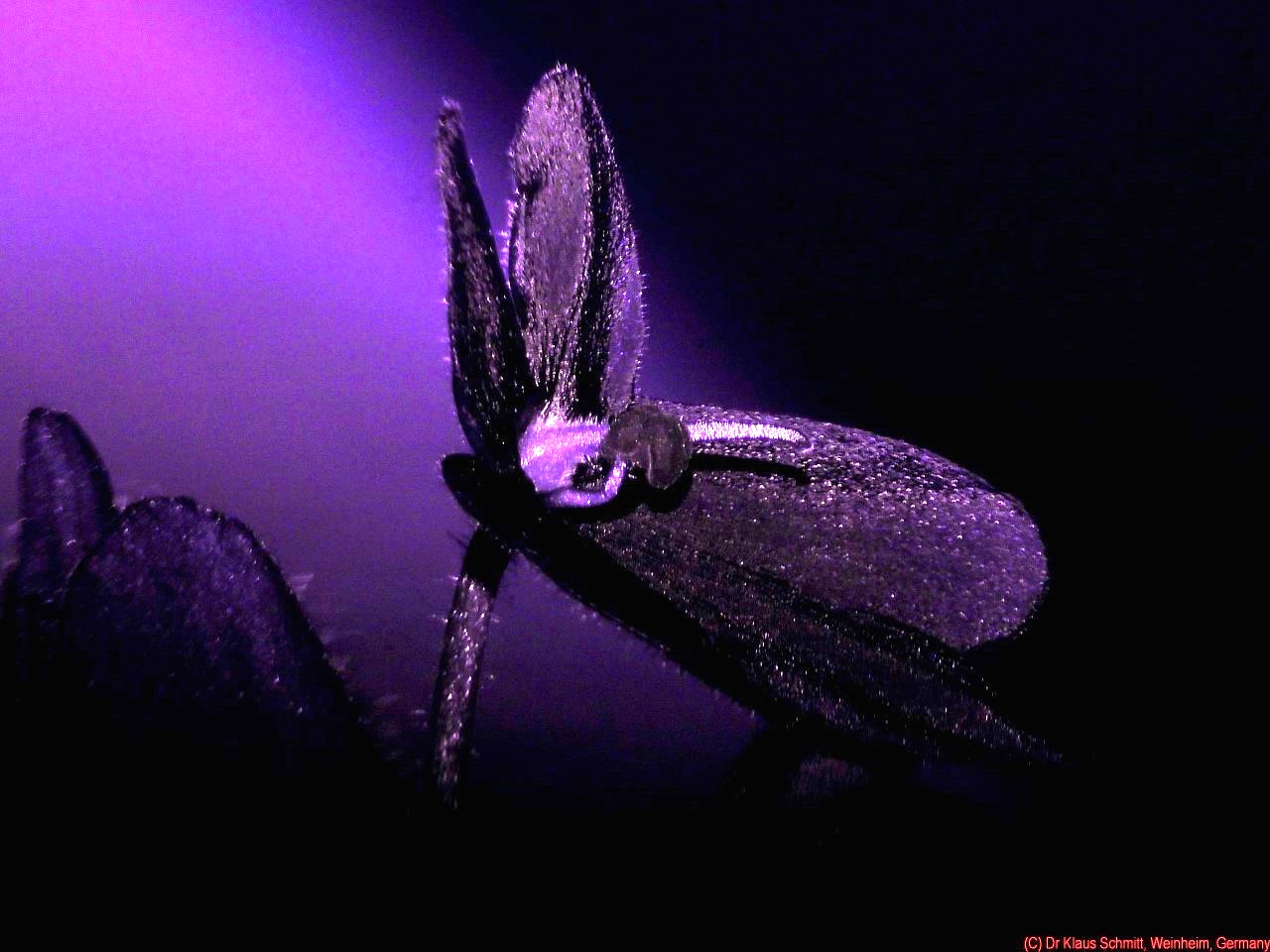
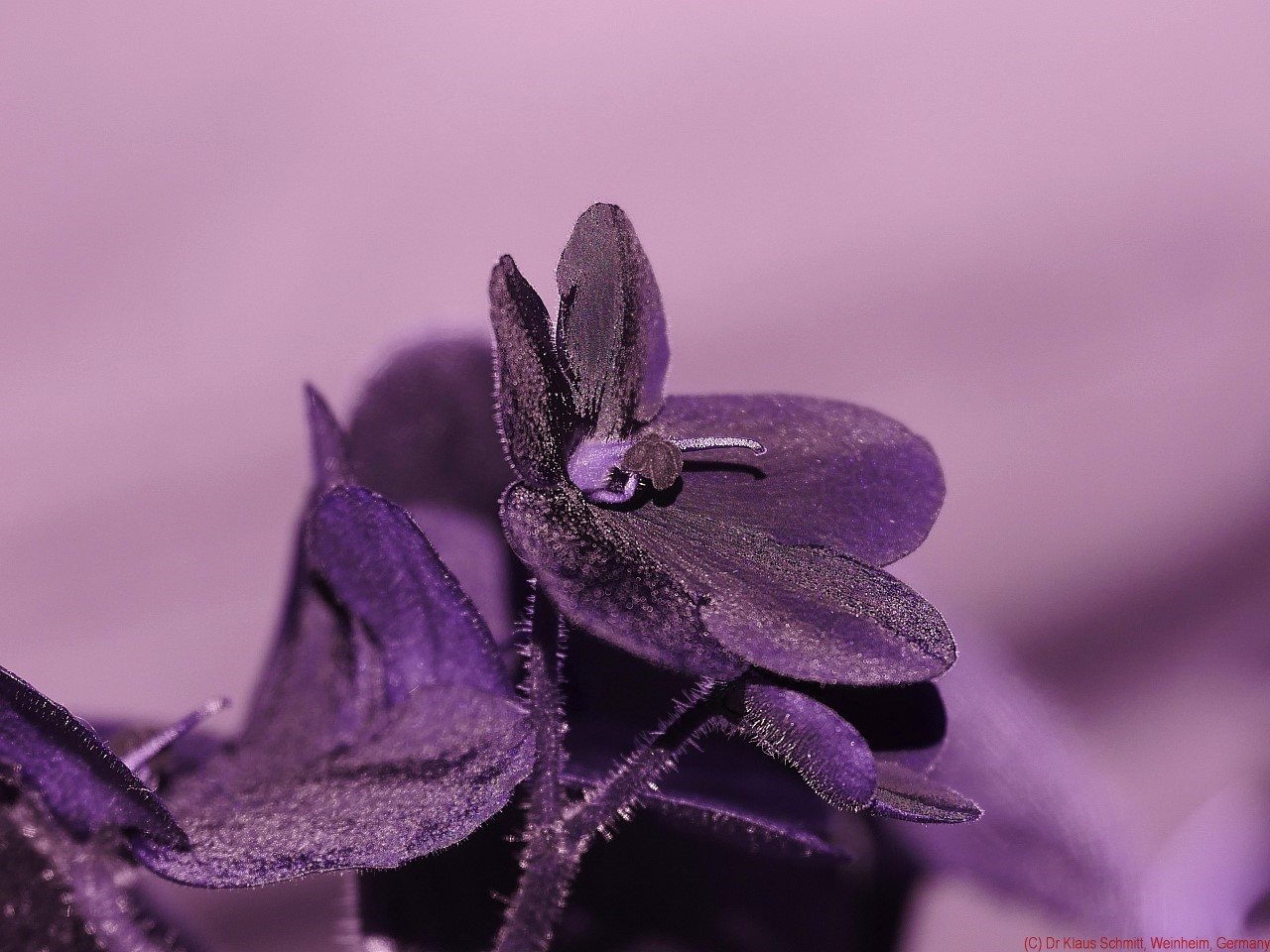
Today shots of an African Violet flower in reflected ultraviolet photography using a UV filter stack consisting of SCHOTT UG1 + BG40. All shots were done at f11. Lens was a rather rare LDM-1(s) 800mm mirror only lens, the close-up using the AP300 achromatic cloe-up lens, which was once sold with this lens system. Light source used was a 365nm Nichia UV LED light.

[click on image to see a larger one]

LDM-1(s) alone:
 

LDM-1(s) with the AP300 achromatic close-up lens:
 

And now here some comparison images I have shot with my "work horse" UV-Nikkor 105mm plus Baader-U filter.

Overview:
 

Closeup at closest focusing distance:
 

I have written about this LDM-1 lens previously HERE
 
Stay tuned, more will follow on that fascinating subject...
More info on this very interesting field may be found on my site http://www.pbase.com/kds315/uv_photos

Sunday, October 21, 2018

[UV, VIS, IR] Lyman Alpha deep UV lenses II

Oh well, it has been five years, but now I finally infinity-converted these very special lenses...

Back a little in time: When in 2012 I was able to acquire three prototypes of those lenses, made 1992, which came from the estate of the inventor, Richard Nye and his company, Nye Optical of La Mesa CA, I was very excited to find such lenses able to record in deep UV. But they turned out to be a bit tricky to convert and adapt to digital cameras. Now with mirrorless ones, it looked rather promising...

So, these scientific lenses Mr Nye invented and custom made, were for deep UV recording (capable to even work beyond 200nm, especially made to record the 121nm Lyman alpha lines, hence the name). It is a catoptric (reflex) Cassegrain design, which came in f2.8/200mm and f1.1/90mm (and some other) versions for full format cameras, but also for intensifier tubes and video cameras (25mm image circle, like the f1.1/90mm), with focusing from 250mm to infinity and some adjustable 50mm resp.18mm back focal length. And now I have them working on my Panasonic GH4 camera....

[click on image to see a larger one]


Inside the aluminum housing resides an about 25mm (1") thick quartz (ZERODUR most likely) mirror block, front aluminized plus a secondary mirror (most likely made of the same material) held by an adjustable metal "spider" in front of that first one. Quite built like a small 90mm diameter Cassegrain astronomical telescope.

DOF at one (1) meter (3ft) is as thin as a razor blade when using the Lyman Alpha f1.1/90mm lens and that doughnut shaped bokeh etc. makes it fun to use.

Here now a few images in visible light, UV will follow, weather permitting...


The very thin DOF of course generates those doughnut shaped bokeh bubbles, but by chosing a proper i.e. less noisy background it can be "tamed".

I have written about those lenses before HERE


Stay tuned, more will follow on that fascinating subject...
More info on this very interesting field may be found on my site http://www.pbase.com/kds315/uv_photos

Monday, February 5, 2018

ZUFAR 4/350mm quartz fluorite catadioptric lens

Today about a Quartz Fluorite catadioptric ZUFAR-2CA f4/350mm anastigmat lens which took me over 10 years to locate. It had been developed for the Soviet MARS 2 to 5 missions to planet Mars.


It was made of synthetic Quartz and Calcium Fluorite (CaF2) crystals to be able to work in UV and also visible light, 300-700nm without focus shift, so actually is an apochromatic (APO) f4/350mm catadioptric lens. The whole useful wavelength range is 230-700nm. Lens transmission is 60-65% and the lens resolution is 57 lpm in its center, 47 lpm in corners. Viewing angle is approx. 6 degrees. There has also been made a ZUFAR-1 lens with f4 / 500mm and 4 degrees viewing angle.

ZUFAR lenses have been designed in the 70s under the lead of Institute head and chief designer Prof. Volosov together with N. Khmelnikova, I. Driatskaya, K. Mikhailova at GOI, the russian state lens design institute in St. Petersburg / Leningrad. Details were published by Prof Volosov in 1974.

(Made for my use by my dear friend Marco Cavina)

Data of this lens, as well as its normal (= non catadioptric) quartz fluorite sister lenses
with shorter focal lengths may be found on my macrolenses database site HERE


This lens was made to be used on a very elaborate camera system which could take multispectral images on film, develop that and scan it and send the scanned data back to Earth in selectable resolutions (up to 2000x2000 pix, which took over one hour to transmit).


NASA also wrote about this lens (quote):

Zufar objectives were used on the television cameras carried by the Mars-2, 3, 4, and 5 spacecraft. The compact catadioptric quartz-fluorite anastigmat was developed as a result of research on the possible optical arrangements of lens and mirror-lens systems meeting the rigid criteria for spaceborne operation. The system is characterized by precise correction of all aberrations over a broad spectral range, about 300-700 nm. The spectral transmission is about 60% over this range. The Zufar-2CA version of the objective has a geometric aperture ratio of 1:4 and a focal length of 350 mm. The image format is 24 x 24 mm. The housing is 164 mm long and 130 mm in diameter, and the mass of the objective is 1500 g.

Here one of the published images from Mars taken on Mars-5 mission:


The lens will be given a suitable adaption to fit my digital multispectral cameras and I will certainly take multispectral photos with it as soon as possible and report about here later on.

There is more about this lens HERE including some first images taken with it.


Stay tuned, more will follow on that fascinating subject...
 

Tuesday, November 15, 2016

Scorpio Supermoon in reflected UV (ultraviolet) light photography

Today a shot of the Scorpion Supermoon as of 11-14-2016 in reflected ultraviolet photography using my "work horse" UV filter, the Baader-U filter. All shots were done at f8. Lens was a rather rare LDM-1 800mm mirror only lens.

[click on image to see a larger one]

Reflected UV light (using Baader-U filter):
 

I have written about the Moon in UV previously HERE
 
Stay tuned, more will follow on that fascinating subject...

More info on this very interesting field may be found on my site http://www.pbase.com/kds315/uv_photos

Wednesday, September 19, 2012

Gazania: Quartz Singlet Lens for Soft Focus Reflected UV Ultraviolet Photography II

Today a set of shots with a different Gazania rigens flower that I have shot previously with a quartz-fluorite lens now using a custom made up UV lens from a simple quartz singlet that I used before, stopped down mildly to various degrees, so as to control a wanted soft focus effect. Shots were done using the Baader-U filter and sunlight as light source on my balcony with some glass mirror effect.

[click on image to see a larger one]


So, I'm sure this is not to everyones taste, but on my way to explore other possibilities then just "scientific" shots, it is a welcome new style.

Part I is HERE and part III is HERE

Stay tuned, more will follow on that fascinating subject...


More info on this very interesting field may be found on my site http://www.pbase.com/kds315/uv_photos

Friday, February 3, 2012

[UV, VIS, IR] Lyman Alpha deep UV lenses

Well, an old collectors rule is "everything comes to him who can wait" - that it would be 16 years from when I first learned about that lens and personally had contact with its inventor Richard Nye, I had not really expected.

Now a few days ago I was able to acquire three prototypes of those lenses, made 1992, which came from the estate of the inventor, Richard Nye, who has passed in 2007, then 77 years old. His company, Nye Optical, La Mesa CA, unfortunately does not exist anymore.

So, the scientific lenses he invented and custom made were for deep UV recording (capable to work beyond 200nm, especially made to record the 121nm Lyman alpha lines, hence the name - only in vacuum or nitrogen atmosphere of course), but having no chromatic aberration also in VIS and IR. It is a catoptric (reflex) Cassegrain design, which came in f2.8/200mm and f1.1/90mm versions for full format cameras (43mm image circle), but also for intensifier tubes and video cameras (25mm image circle), with focusing from 250mm to infinity and some adjustable 50mm resp. 18mm back focal length.

[click on image to see a larger one]


Inside the aluminum housing resides an about 25mm (1") thick quartz (ZERODUR most likely) mirror block, front aluminized plus a secondary mirror (most likely made of the same material) held by an adjustable metal "spider" in front of that first one. Quite built like a small 90mm diameter Cassegrain astronomical telescope.

DOF at one (1) meter (3ft) is as thin as a razor blade when using the Lyman Alpha f1.1/90mm lens and that doughnut shaped bokeh etc. makes it fun to use. So here a first visible light shot:


Additionally a short test video I shot using that lens:


which shows its dreamlike/surreal/ethereal rendering of images.

Stay tuned, more will follow on that fascinating subject...

More info on this very interesting field may be found on my site http://www.pbase.com/kds315/uv_photos

Thursday, December 9, 2010

Ultraslim helicoid allows infinity focus

This is about an ultra-slim, deeply recessed helicoid, which solves the problem of allowing further away focus with some lenses (mostly enlarger lenses) suitable for UV photography. I have developed a working prototype now. [If you need to find out how to determine the length of such a helicoid, please read that first]

It allows lenses up to about 50mm diameter to be deeply seated into that mount (including that later plastic EL-Nikkors if not thicker than 50mm!) and if their rear lens element is not thicker than 38mm in diameter. Some lenses may not clear the mirror, that has not been fully tested out yet (and I don't have all possible lenses to do so).

The effective thickness flange-to-flange (= optical path length) of that helicoid is 5.4mm (minimum extension) resp. 10.3mm (maximum extension) now.

The achievable VIS focus ranges are (subject to change), sensor-to-object (not front of lens!):
1) EL-Nikkor 3.5/63mm: 90cm to infinity
2) EL-Nikkor 2.8/50mm: ca. 32cm - 50cm
3) EL-Nikkor 4/40mm: ca. 25cm - 30cm
4) UV-Rodagon 5.6/60mm: 65cm - infinity
5) UV-Planar 4/60mm: 40cm - 60cm
6) Micro-Nikkor 5/70mm: 120cm - infinity
7) Focotar 4.5/50mm: 33cm - 45cm
8) ... more to follow ...

Infinity focus cannot be adjusted exactly to infinity for all lenses, some go beyond, some do not reach infinity at all, depending on lens design and esp. focal length.

minimum extension:


maximum extension:

Just to make things clear: closer focus is always possible using suitable normal helicoids or extension tubes. That was not the issue here. It was about getting such lenses as close as possible to the camera sensor to allow for further away or even infinity focus!


Stay tuned, more will follow on that fascinating subject...
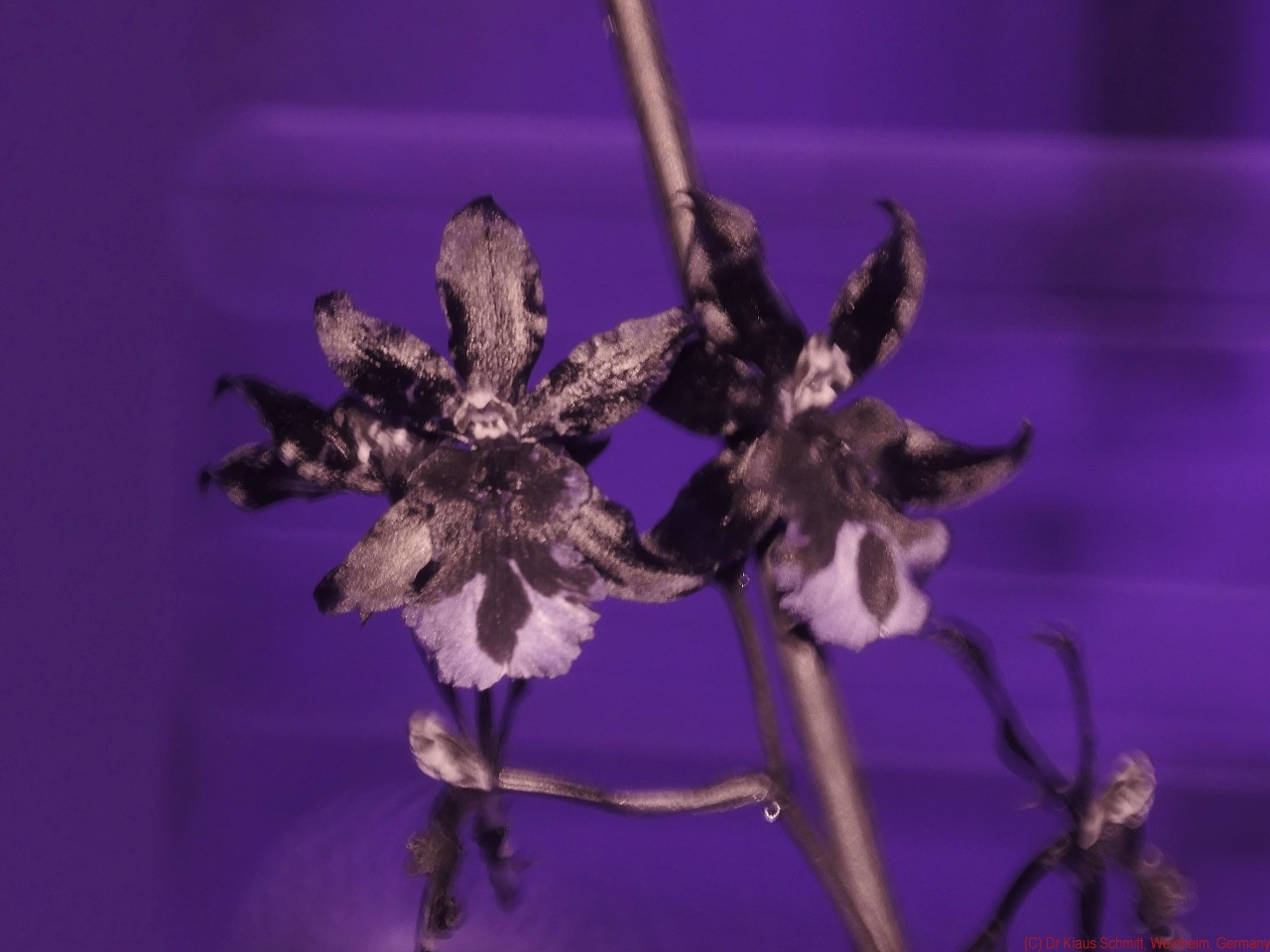
More info on this very interesting field may be found on my site http://www.pbase.com/kds315/uv_photos

Monday, January 26, 2009

Filters for UV induced visible Fluorescence

Here now an overview and comparative test of filters for UV induced visible fluorescence, as an outcome of a recent test I made using a Phalaenopsis as a target. I was using for that test my newly developed High Power UV Flash with UV transmitting front filter to stimulate UV induced visible fluorescence.  As optics I used the X35 lens at f8, 1/160 exposure time and the various mentioned filters (but any good lens for visible photography would obviously do).

Just a reminder: The intention was to find a filter, which allows to record visible fluorescence in the 400-650nm range. Deep red or NIR flourescence >650nm is tricky to record, since it coincides with NIR (near infrared) transmitted from the flash, so it would be wiped out in the resulting images (IR leakage). To record that, either a NIR blocking but UV transmissive flash front filter has to be used (a bit tricky, but could be done by sandwiching a BG38 or BG40 filter in front of the UV transmissive flash filter), OR a excinting source like the Nichia 365nm UV LED has to be used, which emits no NIR/IR at all.

[click on image to see a larger version]

1. Schott BG38 filter, transmits UV, but filters out IR - NOT useful


2. Commercial noname IR Cut filter, obviously transmits UV, blocks IR - NOT useful


3. Omega UV cut, IR blocking filter (from 650nm onwards) - too much blue also cut off (missing blue)


4. Baader UV IR Cut filter - nice colors, but transmits to about 700nm, which creates an
issue with most UV transmissive flash filters, since NIR is transmitted (too bright reds)


5. Baader UV IR Cut filter + IR cut filter (from 650nm onwards) - nice and UV flash issue
also nicely covered; but needs two stacked filters


6. Xcut filter, UV + NIR cut, transmits ca 410-650nm - works nicely, the best, all in just one filter


7. Xcut2 filter, UV + NIR cut, transmits ca 400-650nm - works nicely, bit on the cold side with enhanced blue, all in just one filter


8. Tiffen Hotmirror - quite some UV bleed through - NOT useful
[identical to the Canon Hot Mirror Filter btw.]


9. B+W 489 IR blocking filter - quite some UV bleed through - NOT useful
[the B+W 486 digital UV IR cut filter cuts on at 370nm, so it will be about the same, NOT useful result]


10. Noname Hot Mirror Filter - quite some UV bleed through - NOT useful


...and just for the fun of it and for comparison....purely reflected UV...
Baader U-filter ("Venus") 310...390nm


Stay tuned, more will follow on that fascinating subject...

More info on this very interesting field may be found on my site http://www.pbase.com/kds315/uv_photos