Tuesday, April 28, 2020

Enhancing the visibility of fossil tissue structures using UV reflected and UV stimulated visible flourescence photography II

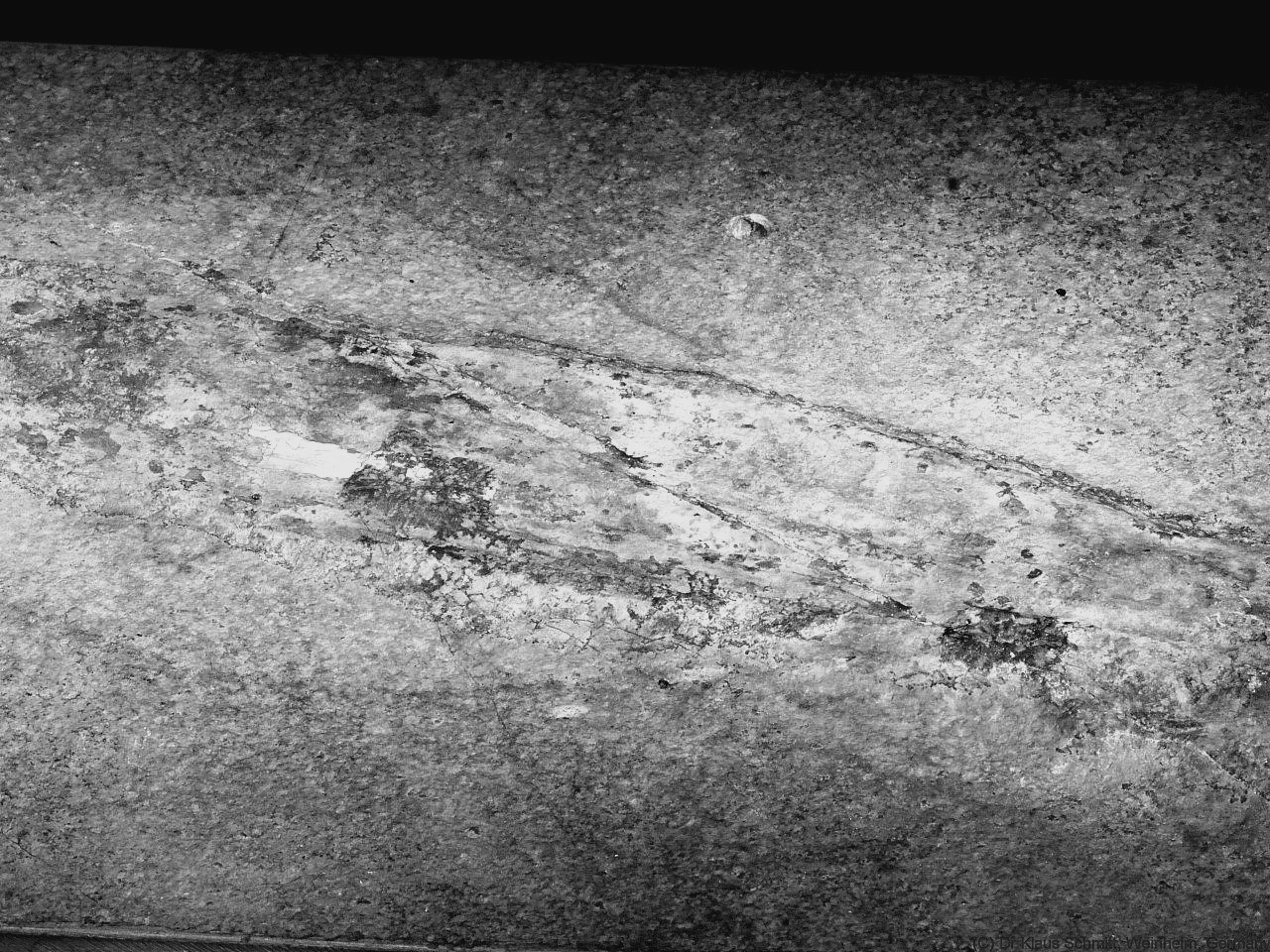
A while ago I had the honor to work with Neal Larson on a paper on fossilized cephalopods found in Hajoula, Lebanon. Today it is again about enhancing the visibility of fossil bone and tissue structures using reflected UV and UV stimulated visible fluorescence photography, but as it is some years later, using more modern equipment now. Lens used was my UV-Nikkor 105mm quartz fluorite lens, light sources were a modified high power Xenon flash, as well as a NICHIA 365nm LED. Filters used were the Baader-U filter as well as a 420nm Long Pass filter. Target was a fossilized squid from the Upper Cretaceous period, approx. 90 million years old.

[click on image to see a larger one]

Visible light image using UV/IR Cut filter:


Reflected UV image using Baader-U filter (310-390nm) with 365nm UV LED: 


Reflected UV image using Baader-U filter (310-390nm) with 365nm UV LED (in bw):


UV stimulated visible Fluorescence image with 420nm Longpass filter: 


UV stimulated visible Fluorescence image, 2nd version, with UV-IR Cut filter:


It gets nicely visible that using UV light photography brings out much more details than normal visible light photography and by doing so, enhances the visibility quite a bit.

I have written more about fossils HERE

Stay tuned, more will follow on that fascinating subject...

More info on this very interesting field may be found on my site http://www.pbase.com/kds315/uv_photos

Monday, April 27, 2020

Treasury flower - Gazania rigens in reflected ultraviolet photography and simulated bee and butterfly vision XXIX

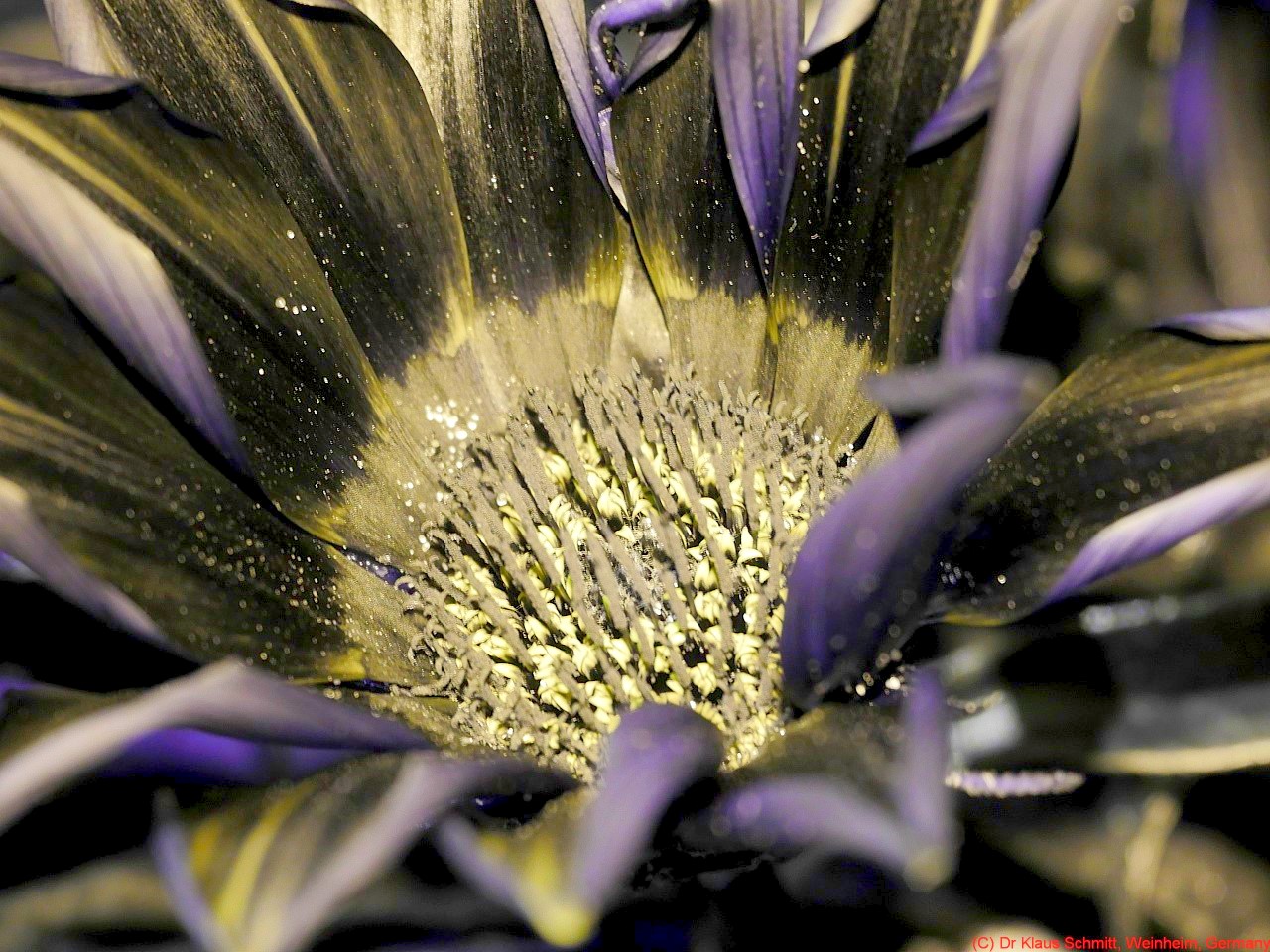
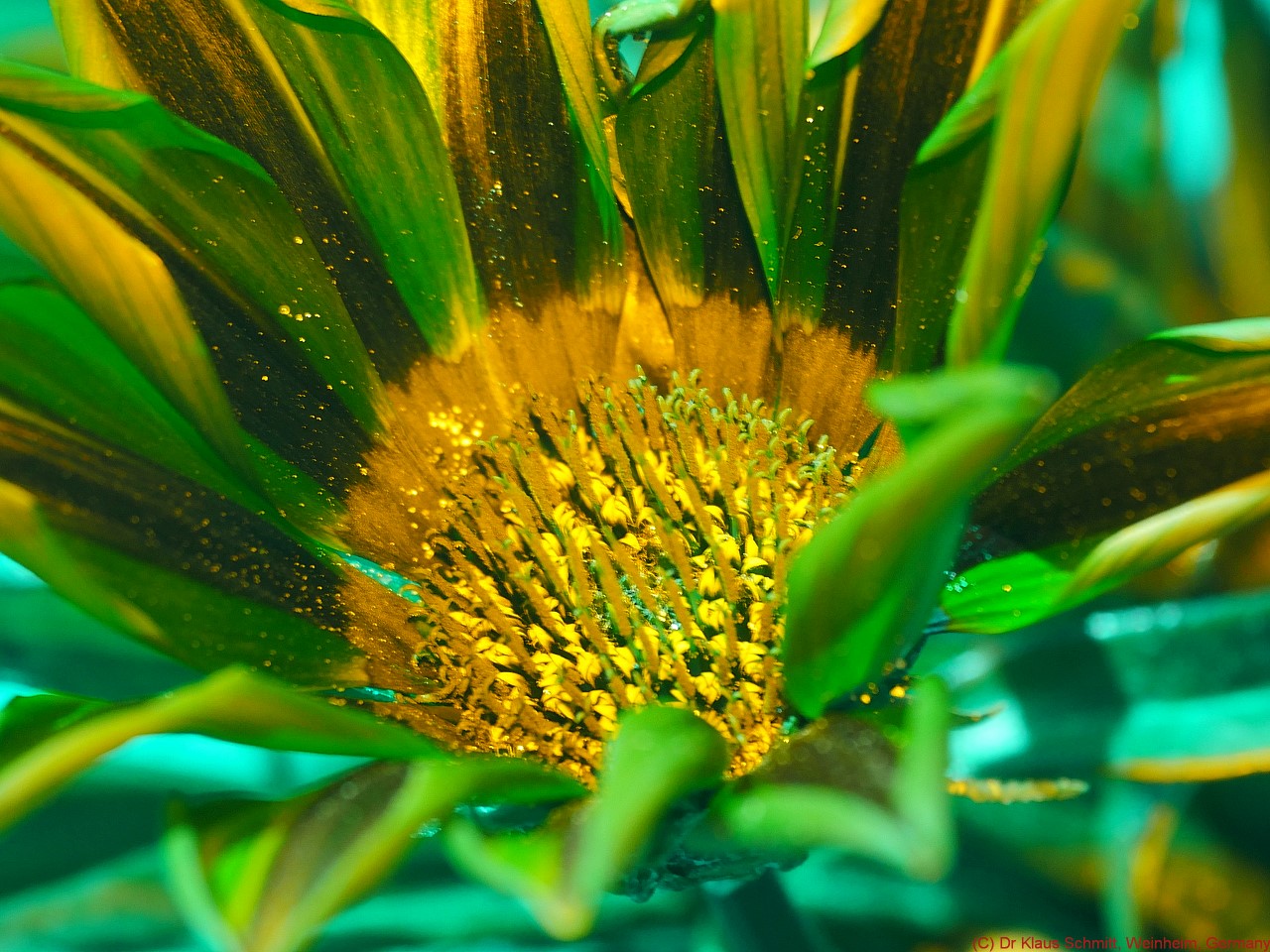
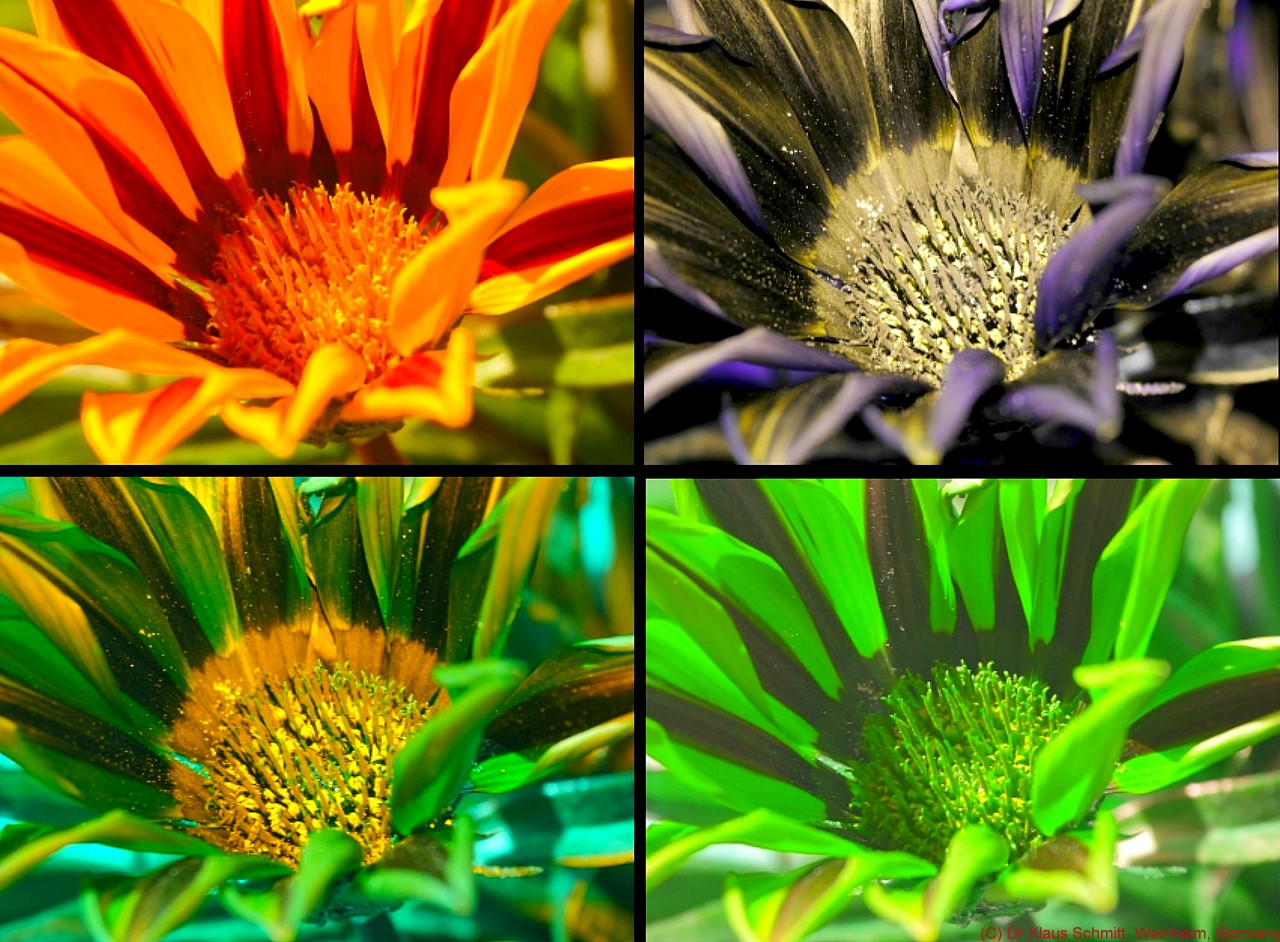
Today in 2020 some first outdoor shots of that long blooming flower, a orange-red Gazania flower, the Treasury flower - Gazania rigens shot in reflected ultraviolet photography, simulated bee and butterfly vision. All shots were done at f8 in reflected ultraviolet photography using my "work horse" UV filter, the Baader-U filter, as well as my XBV filters for simulated bee and butterfly vision. Lens was a UV-Nikkor 105mm quartz fluorite lens. Light source was sunlight with some Nichia 365nm UV-LED support.

[click on image to see a larger one]

Human vision:
 

Reflected UV:
 

Simulated butterfly vision:
 

Simulated bee vision:
 

Quadriptych of human vision, UV, simulated butterfly and bee vision (left to right, top to bottom):
 

This Gazania's outer petals strongly reflect UV around 365nm, whereas the inner petal parts are quite darker, hence forming UV nectar guides for UV seeing insects. There are also some highly UV reflecting marks inside around a dark UV center, all invisible to us humans, but clearly visible to bees and butterflies, and all this gets nicely visible here, also in simulated bee and butterfly vision.

I have written about this Gazania previously HERE
 
Stay tuned, more will follow on that fascinating subject...

More info on this very interesting field may be found on my site http://www.pbase.com/kds315/uv_photos

Reflected UV photography in polarized light X - Gazania

Today more about UV polarizer experiments, using a special UV capable circular polarizer in front of my multispectral camera and UV-Nikkor 105mm lens, for recording polarized reflected UV images. Flower here was a long blooming, perennial flower Gazania . UV filter used was my classic Baader-U filter; sun was used as light source.

[click on image gets you a larger image]

Here photographic results I got (took multiple images while rotating the filter), presented as animated gif....

Gazania flower through a rotating circular polarizer in A-mode i.e. exposure compensated...

Reflected UV light - Sunlight:


This flower shows some interesting changes in the polarization angle especially on its anters.  Bees have sensors on the outer ring of their compound eyes which are able to detect polarized light, so that might give this flower an advantage.

Reflected UV photography in polarized light shows quite some usefulness, especially if there are (glossy) surfaces which change the polarization angle of light and which the polarizer filter makes visible. Downside is that one needs about 2 stops more exposure, due to the low approx. 25% transmission.

Some insects are able to see the polarization angle (and btw. we humans can also, but needs some traing: Haidinger's Brush) especially honeybees which navigate using the polarization angle of ultraviolet (UV) light.

I have written more about using UV polarizers HERE

I have written more about that Gazania flower HERE

Stay tuned, more will follow on that fascinating subject...

More info on this very interesting field may be found on my site http://www.pbase.com/kds315/uv_photos
Saturday, April 25, 2020

Reflected UV photography in polarized light IX - the Midas effect

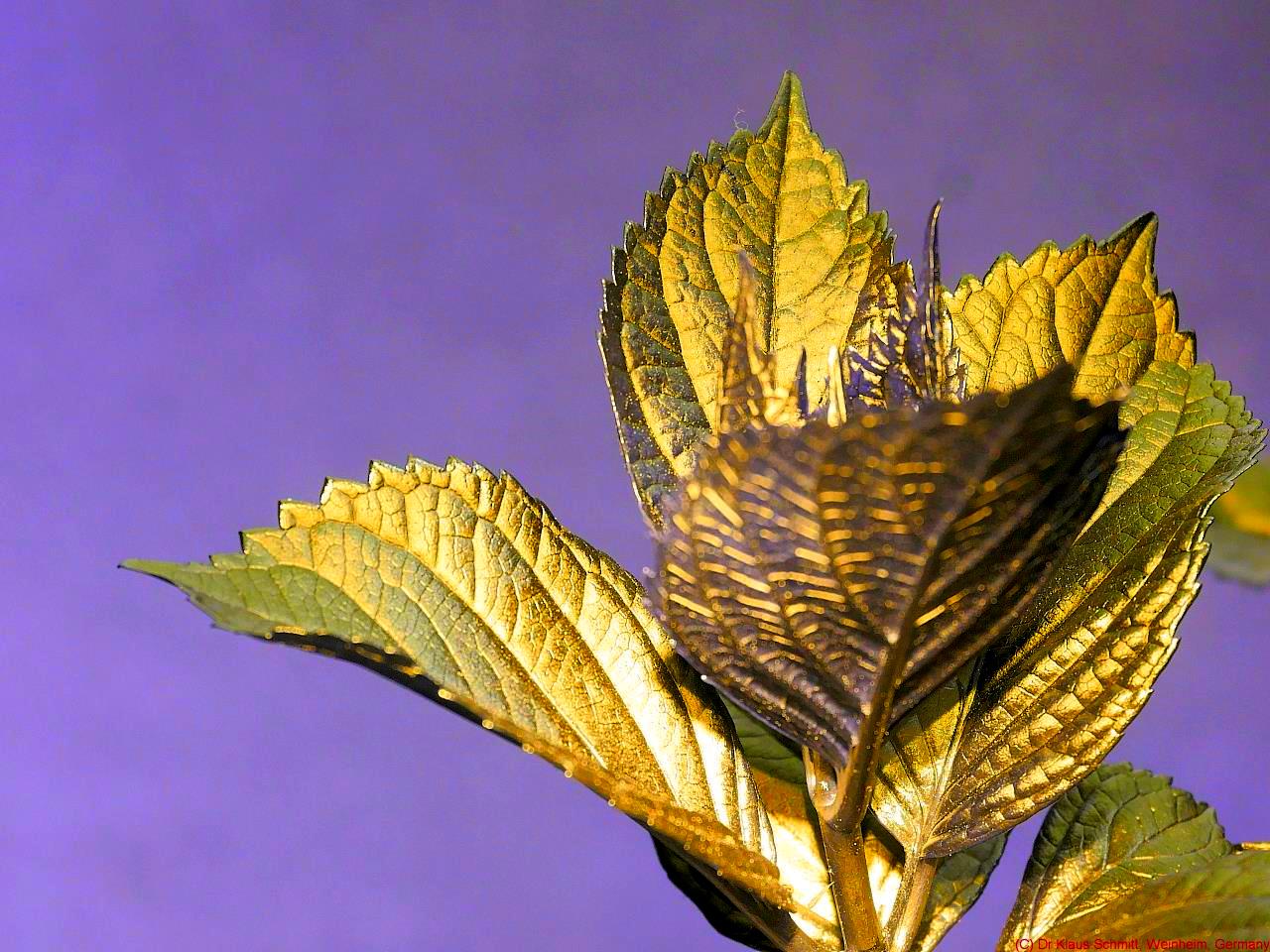
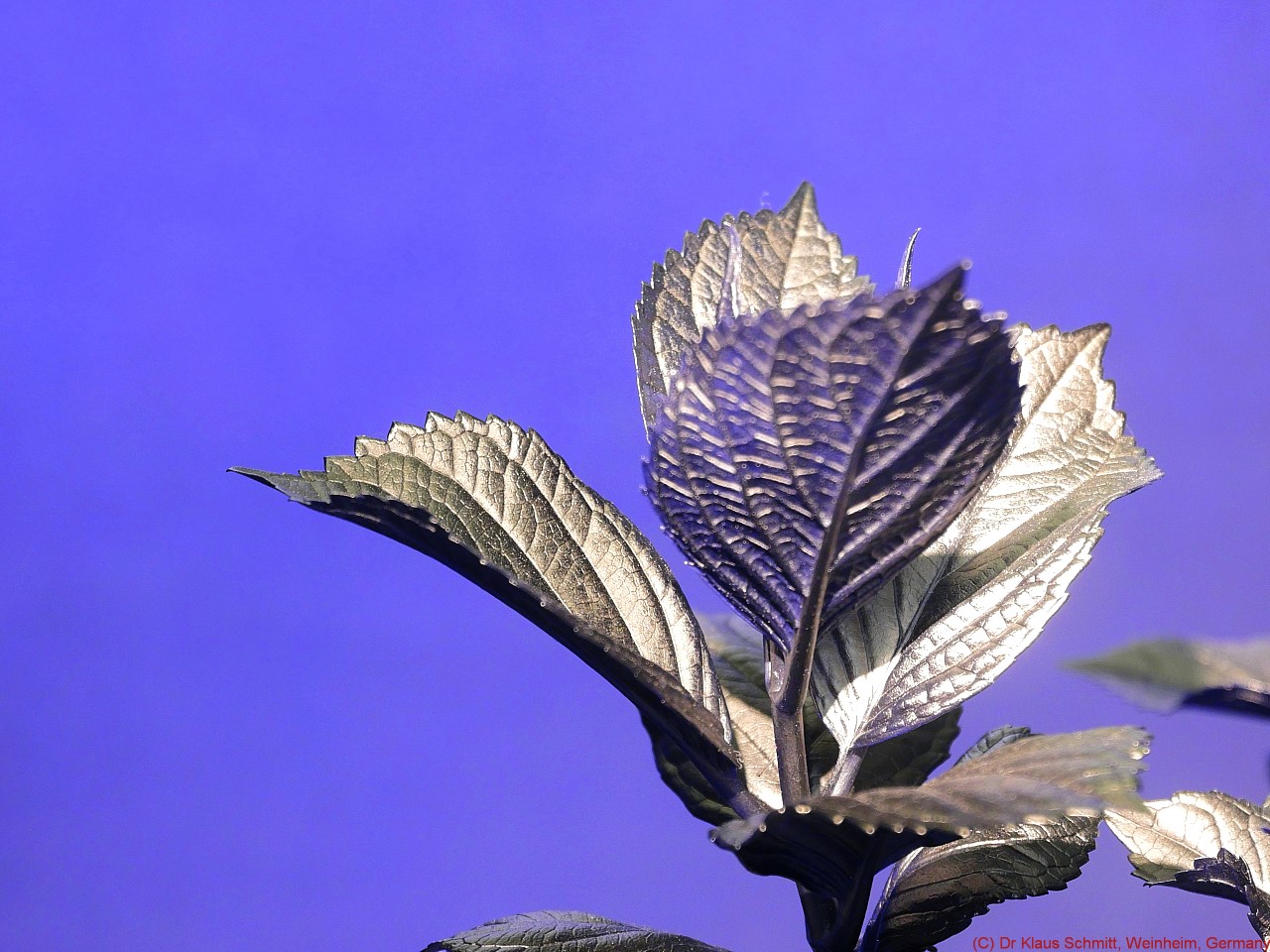
Today more about UV polarizer experiments, using a special UV capable circular polarizer in front of my multispectral camera and UV-Nikkor 105mm lens, for recording some polarized reflected UV images. Object used were some leaves of a shrub. UV filter used was my classic Baader-U filter; Sunlight was used as light source. And a secret was used - but no, not a spraycan ;-)

[click on image gets you a larger image]

Here photographic results I got today. I called it the "Midas effect", I'm sure you'll notice why...

First Gold:


Then Silver:


Reflected UV photography in polarized light shows quite some usefulness, especially if there are (glossy) surfaces which change the polarization angle of light and which the polarizer filter makes visible. Downside is that one needs about 2 stops more exposure, due to the low approx. 25% transmission.

Some insects are able to see the polarization angle (and btw. we humans can also, but needs some traing: Haidinger's Brush) especially honeybees which navigate using the polarization angle of ultraviolet (UV) light.

I have written more about using UV polarizers HERE

Stay tuned, more will follow on that fascinating subject...

More info on this very interesting field may be found on my site http://www.pbase.com/kds315/uv_photos

Tuesday, April 21, 2020

Reflected UV photography in polarized light VIII - Mica

Today more about UV polarizer experiments, using a special UV capable circular polarizer in front of my multispectral camera and UV-Nikkor 105mm lens, for recording some polarized reflected UV images plus some insect and human vision ones using my XBV filters. Object used was some slices of sheet Mica. UV filter used was my classic Baader-U filter; Xenon full spectrum light was used as light source.

[click on image gets you a larger image]

Here photographic results I got today (took multiple images while moving the Mica sheet), presented as animated gif.


This is more of scientific interest, and I like the different colors one gets. If interested I refer to the famous Michel-Levy Chart which explains that well. What you see here are 2nd order colors.

Reflected UV photography in polarized light shows quite some usefulness, especially if there are (glossy) surfaces which change the polarization angle of light and which the polarizer filter makes visible. Downside is that one needs about 2 stops more exposure, due to the low approx. 25% transmission.

Some insects are able to see the polarization angle (and btw. we humans can also, but needs some traing: Haidinger's Brush) especially honeybees which navigate using the polarization angle of ultraviolet (UV) light.

I have written more about using UV polarizers HERE

Stay tuned, more will follow on that fascinating subject...

More info on this very interesting field may be found on my site http://www.pbase.com/kds315/uv_photos

Sunday, April 19, 2020

Reflected UV photography in polarized light VII - Mica

Today more about UV polarizer experiments, using a special UV capable circular polarizer in front of my multispectral camera and UV-Nikkor 105mm lens, for recording polarized reflected UV images plus some insect and human vision ones using my XBV filters. Object used was some slices of sheet Mica. UV filter used was my classic Baader-U filter; Xenon full spectrum light was used as light source.

[click on image gets you a larger image]

Here photographic results I got (took multiple images while rotating the filter and changing filters), presented as animated gifs....


This is more of scientific interest, and I like the different colors one gets. If interested I refer to the famous Michel-Levy Chart which explains that well.

Reflected UV photography in polarized light shows quite some usefulness, especially if there are (glossy) surfaces which change the polarization angle of light and which the polarizer filter makes visible. Downside is that one needs about 2 stops more exposure, due to the low approx. 25% transmission.

Some insects are able to see the polarization angle (and btw. we humans can also, but needs some traing: Haidinger's Brush) especially honeybees which navigate using the polarization angle of ultraviolet (UV) light.

I have written more about using UV polarizers HERE

Stay tuned, more will follow on that fascinating subject...

More info on this very interesting field may be found on my site http://www.pbase.com/kds315/uv_photos

Wednesday, April 15, 2020

Reflected UV photography in polarized light VI - Lewisia

Today more about UV polarizer experiments, using a special UV capable circular polarizer in front of my multispectral camera and UV-Nikkor 105mm lens, for recording polarized reflected UV images. Flower here was a long blooming, perennial spring flower Cliff maids - Lewisia cotyledon. UV filter used was my classic Baader-U filter; sun was used as light source.

[click on image gets you a larger image]

Here photographic results I got (took multiple images while rotating the filter), presented as animated gifs....

Lewisia flowers through a rotating circular polarizer in A-mode i.e. exposure compensated...

Reflected UV light - Sunlight:


This flower shows some interesting small changes in the polarization angle on the petals, but especially there is some on its anters.  Bees have sensors on the outer ring of their compound eyes which are able to detect polarized light, so that might give this flower an advantage.

Reflected UV photography in polarized light shows quite some usefulness, especially if there are (glossy) surfaces which change the polarization angle of light and which the polarizer filter makes visible. Downside is that one needs about 2 stops more exposure, due to the low approx. 25% transmission.

Some insects are able to see the polarization angle (and btw. we humans can also, but needs some traing: Haidinger's Brush) especially honeybees which navigate using the polarization angle of ultraviolet (UV) light.

I have written more about using UV polarizers HERE

I have written more about that Lewisia flower HERE

Stay tuned, more will follow on that fascinating subject...

More info on this very interesting field may be found on my site http://www.pbase.com/kds315/uv_photos